
Claire Christie – författare
Visar alla böcker från författaren Claire Christie. Handla med fri frakt och snabb leverans.
3 produkter
3 produkter

Häftad, Engelska, 2006
192 kr
Skickas inom 5-8 vardagar
Inbunden, Engelska, 2025
408 kr
Skickas
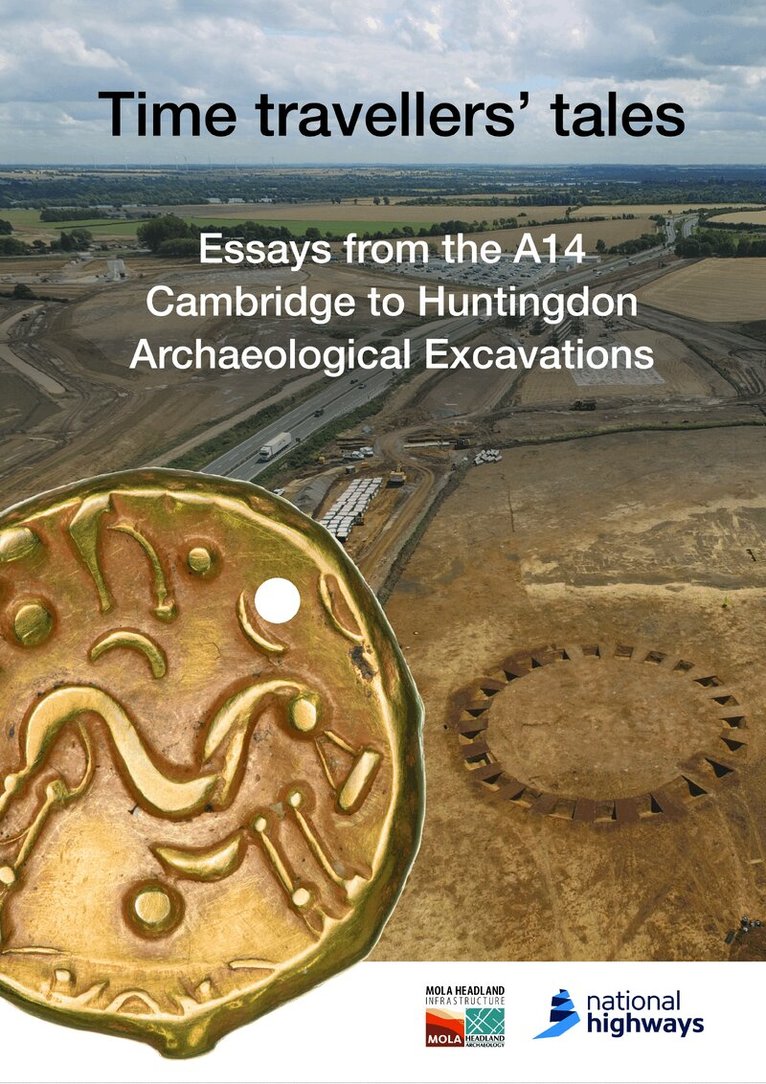
22km of road, 232ha of land, 8 years of work – the scale of the A14 Cambridge to Huntingdon Road Improvement Scheme necessitated one of the largest commercial archaeological projects ever to be undertaken within the UK. Archaeologically, the discoveries were even more impressive, ranging from the remains of Pleistocene woolly mammoths, Neolithic and Bronze Age ceremonial and burial monuments, dozens of Iron Age and Roman settlements, a whole new Roman pottery industry, Saxon settlements with royal connections, a deserted medieval hamlet, nineteenth century railway remains, and everything inbetween. This monograph discusses some of the project’s key findings, major themes, and interesting debates, and is designed to supplement the other outputs from the project. Starting in the Bronze Age, we consider why evidence for middlelate Bronze Age settlement was not identified, and yet two of the largest cremation cemeteries in the region were. The Iron Age chapter explores the huge increase in archaeologically visible settlement during the later Iron Age, whilst the Roman chapter places the abundant evidence for Roman settlement amongst the regional dataset to provide a review of socioeconomic development in the rural hinterlands of Godmanchester and Cambridge. The Saxon chapter considers the ‘Middle Saxon settlement revolution’ and the impact this had on the A14 settlements, with the medieval chapter focusing on the deserted medieval hamlet of Houghton and its relationship with surrounding woodlands.
Häftad, Engelska, 2025
515 kr
Skickas
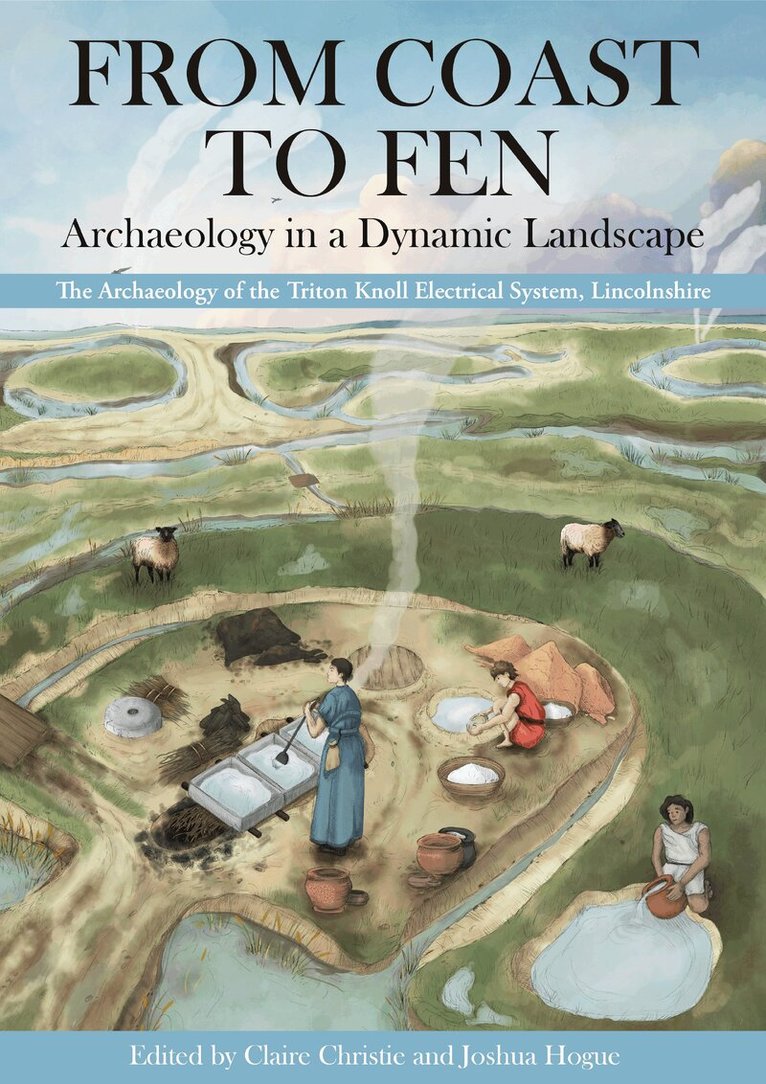
The area between Anderby Creek and Bicker Fen, Lincolnshire, to the west of the Lincolnshire Wolds, represents a dynamic landscape both in terms of its natural and human aspects. This volume presents the results of an extensive programme of archaeological excavation undertaken by Headland Archaeology (UK) Ltd and Allen Archaeology Ltd from 2018 to 2019, where a total of 15 sites were excavated. The excavations uncovered a panoply of remains spanning the prehistoric through to modern periods, providing important insights into changing patterns of occupation and the way this diverse landscape was utilised.As evidenced through the archaeological works the area saw limited activity during the early prehistoric period, in part reflecting the prevailing environmental conditions in which most of the area was inundated. Among the earliest recorded finds was an enigmatic middle Bronze Age timber structure as well as a copper alloy axe.During the Roman period there is evidence for an expansion in activity across the Scheme, with formerly inundated areas becoming accessible. Activity within the northern half of the Scheme was focused upon salt production. Two of these sites were dated to the late Roman period, contrary to the prevailing notion that the salt industry in this region had declined by the mid-2nd century AD. Within the southern half of the Scheme were several Roman farmsteads, some featuring timber buildings. Notable among these was an unusual post-built, moated structure. From these sites a range of artefactual and environmental data was collected, providing important insights into the nature of agricultural regimes.Evidence of medieval and post-medieval activity was also uncovered, providing important insights into the development of rural settlement against a backdrop of landscape and environmental changes. Evidence of late to post-medieval clay extraction and brick manufacture was also identified.