Clare Downham – författare
Visar alla böcker från författaren Clare Downham. Handla med fri frakt och snabb leverans.
8 produkter
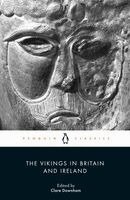
Vikings in Britain and Ireland
Häftad, 2027
190 kr
Kommande
The impact of Scandinavian invaders on the peoples of the Britain and Ireland was incalculable. Raiders on a sometimes large scale, they initially attacked coastal and river settlements, but ended up building towns and political entities which reshaped all the countries of the archipelago.Clare …
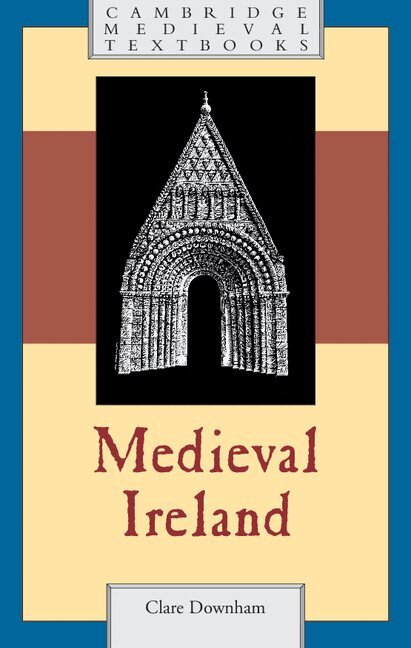
Medieval Ireland
Inbunden, 2017
1643 kr
Lägg i varukorg
Medieval Ireland is often described as a backward-looking nation in which change only came about as a result of foreign invasions. By examining the wealth of under-explored evidence available, Downham challenges this popular notion and demonstrates what a culturally rich and diverse place medieval …
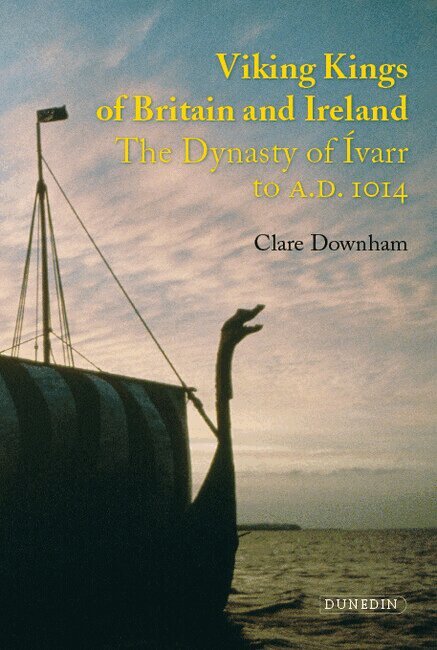
Viking Kings of Britain and Ireland
The Dynasty of Ivarr to A.D. 1014
Häftad, 2008
754 kr
Lägg i varukorg
Vikings plagued the coasts of Ireland and Britain in the 790s. By the mid-ninth century vikings had established a number of settlements in Ireland and Britain and had become heavily involved with local politics. A particularly successful viking leader named Ivarr campaigned on both sides of the …
Medieval Ireland
Häftad, 2017
491 kr
Lägg i varukorg
Medieval Ireland is often described as a backward-looking nation in which change only came about as a result of foreign invasions. By examining the wealth of under-explored evidence available, Downham challenges this popular notion and demonstrates what a culturally rich and diverse place medieval …
Medieval Ireland
E-bok, 2017
487 kr
Lägg i varukorg
Medieval Ireland is often described as a backward-looking nation in which change only came about as a result of foreign invasions. By examining the wealth of under-explored evidence available, Downham challenges this popular notion and demonstrates what a culturally rich and diverse place medieval …
Medieval Ireland
E-bok, 2017
487 kr
Lägg i varukorg
Medieval Ireland is often described as a backward-looking nation in which change only came about as a result of foreign invasions. By examining the wealth of under-explored evidence available, Downham challenges this popular notion and demonstrates what a culturally rich and diverse place medieval …
Viking Connections
Proceedings of the Nineteenth Viking Congress
Av Clare Downham, Fiona Edmonds m. fl.
Inbunden, 2026
1609 kr
Lägg i varukorg
An Open Access version of the following chapters are available on the Liverpool University Press website: Lesley Abrams, Defining the Danelaw and Christian Cooijmans, A Place of Contact and Contradiction: the socially constructed space(s) of viking encampment.Viking Connections is an edited …
A Short History of the Vikings
Inbunden, 2029
1250 kr
Kommande
Who were the Vikings? Were they the deadly marauders of popular repute - pitiless sea-wolves who voyaged across the Norwegian Sea to prey on the richer pickings of others? Or did they sail beyond their ancestral lands for reasons other than plunder and pillage? From the late 700s, the sleek …