Clark Chilson – författare
Visar alla böcker från författaren Clark Chilson. Handla med fri frakt och snabb leverans.
11 produkter
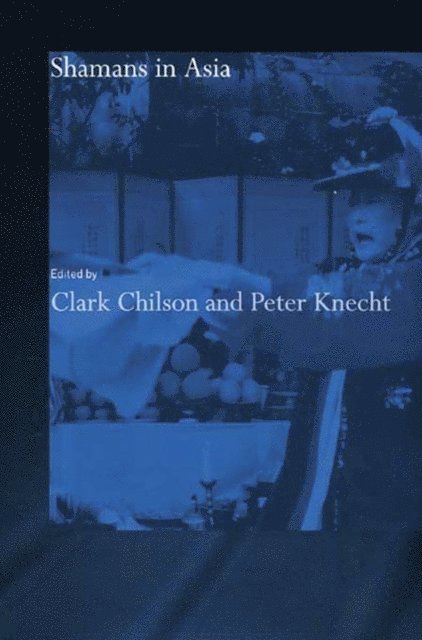
Shamans in Asia
Av Clark Chilson, Peter Knecht
Inbunden, 2003
2504 kr
Lägg i varukorg
Shamans throughout much of Asia are regarded as having the power to control and coerce spirits. Many Asians today still turn to shamans to communicate with the world of the dead, heal the sick, and explain enigmatic events. To understand Asian religions, therefore, a knowledge of shamanism is …
Shamans in Asia
Av Clark Chilson, Peter Knecht
Häftad, 2013
849 kr
Lägg i varukorg
Shamans throughout much of Asia are regarded as having the power to control and coerce spirits. Many Asians today still turn to shamans to communicate with the world of the dead, heal the sick, and explain enigmatic events. To understand Asian religions, therefore, a knowledge of shamanism is …
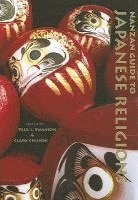
Nanzan Guide to Japanese Religions
Av Paul L. Swanson, Clark Chilson
Inbunden, 2005
537 kr
Lägg i varukorg
The ""Nanzan Guide to Japanese Religions"" combines, for the first time in any language, state-of-the-field theoretical and critical discussions. With concrete resources, students and scholars need to conduct research on Japanese religions. Even seasoned scholars typically approach their research …
Nanzan Guide to Japanese Religions
Av Paul L. Swanson, Clark Chilson
Häftad, 2022
342 kr
Lägg i varukorg
For updates online, visit the Nanzan Guide site at Nanzan Library of Asian Religion and Culture.The Nanzan Guide to Japanese Religions combines, for the first time in any language, state-of-the-field theoretical and critical discussions with concrete resources students and scholars need to conduct …
Shamans in Asia
Av Peter Knecht, Clark Chilson
E-bok, 2003
983 kr
Lägg i varukorg
Shamans throughout much of Asia are regarded as having the power to control and coerce spirits. Many Asians today still turn to shamans to communicate with the world of the dead, heal the sick, and explain enigmatic events. To understand Asian religions, therefore, a knowledge of shamanism is …
Shamans in Asia
Av Peter Knecht, Clark Chilson
E-bok, 2003
1004 kr
Lägg i varukorg
Shamans throughout much of Asia are regarded as having the power to control and coerce spirits. Many Asians today still turn to shamans to communicate with the world of the dead, heal the sick, and explain enigmatic events. To understand Asian religions, therefore, a knowledge of shamanism is …
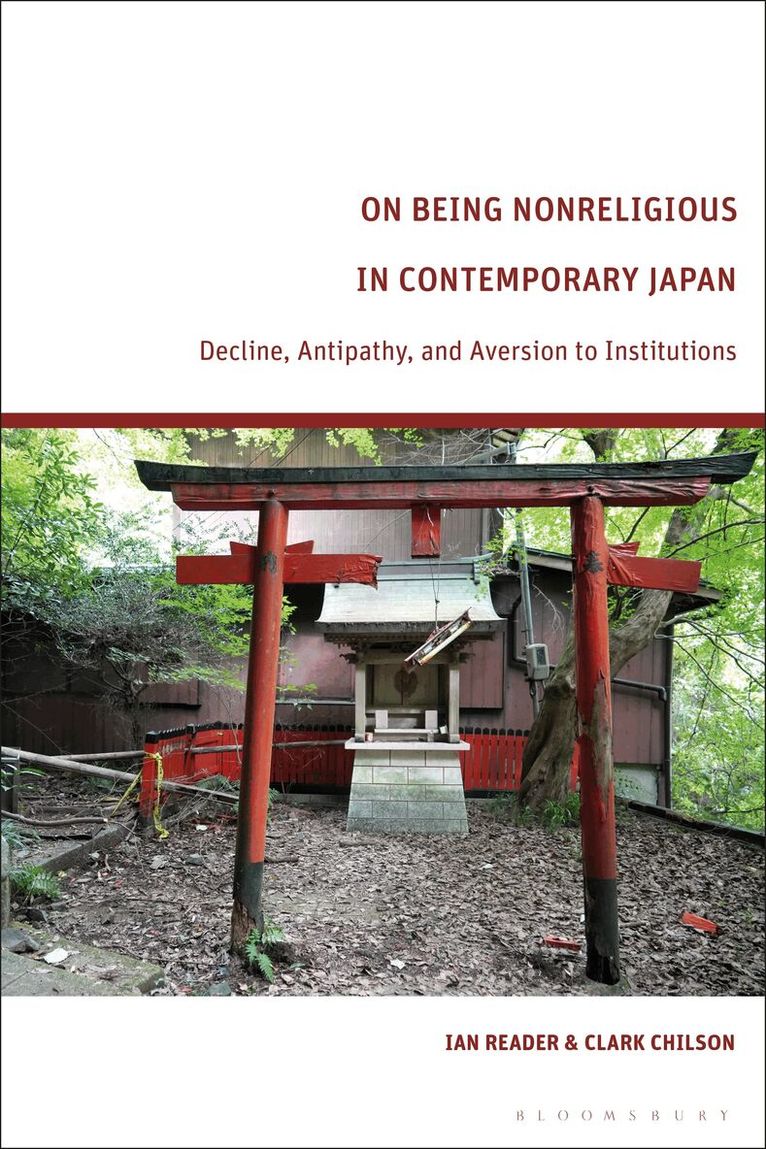
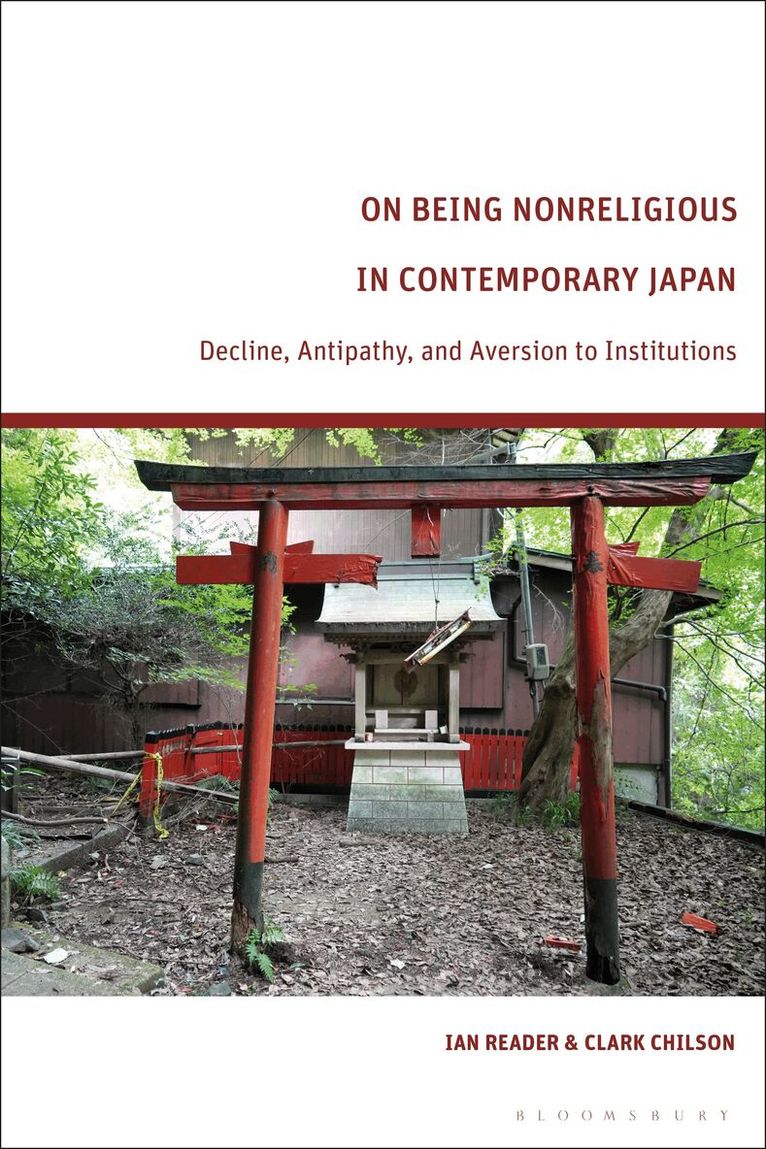
On Being Nonreligious in Contemporary Japan
Decline, Antipathy, and Aversion to Institutions
Häftad, 2027
412 kr
Kommande
Challenging the notion of the nonreligious in Japan being religious through tradition and institution, this book demonstrates how negativity and antipathy for religion relate to religious decline in Japan today. Why do most Japanese say they are ‘nonreligious’ (mushukyo)? Since the 1990s, scholars …
On Being Nonreligious in Contemporary Japan
Decline, Antipathy, and Aversion to Institutions
Inbunden, 2025
1204 kr
Lägg i varukorg
Challenging the notion of the nonreligious in Japan being religious through tradition and institution, this book demonstrates how negativity and antipathy for religion relate to religious decline in Japan today. Why do most Japanese say they are ‘nonreligious’ (mushukyo)? Since the 1990s, scholars …
On Being Nonreligious in Contemporary Japan
Decline, Antipathy, and Aversion to Institutions
E-bok, 2025
1325 kr
Lägg i varukorg
Challenging the notion of the nonreligious in Japan being religious through tradition and institution, this book demonstrates how negativity and antipathy for religion relate to religious decline in Japan today. Why do most Japanese say they are ''nonreligious'' (mushukyo)? Since the 1990s, …
On Being Nonreligious in Contemporary Japan
Decline, Antipathy, and Aversion to Institutions
E-bok, 2025
1325 kr
Lägg i varukorg
Challenging the notion of the nonreligious in Japan being religious through tradition and institution, this book demonstrates how negativity and antipathy for religion relate to religious decline in Japan today. Why do most Japanese say they are ''nonreligious'' (mushukyo)? Since the 1990s, …
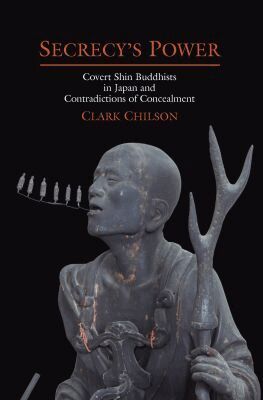
Secrecy's Power
Covert Shin Buddhists in Japan and Contraditions of Concealment
Av Clark Chilson, Paul L. Swanson m. fl.
Inbunden, 2014
481 kr
Tillfälligt slut
Shin has long been one of the most popular forms of Buddhism in Japan. As a devotional tradition that emphasizes gratitude and trust in Amida Buddha, it is thought to have little to do with secrecy. Yet for centuries, Shin Buddhists met on secluded mountains, in homes, and in the backrooms of …