Clark Colahan – författare
Visar alla böcker från författaren Clark Colahan. Handla med fri frakt och snabb leverans.
9 produkter
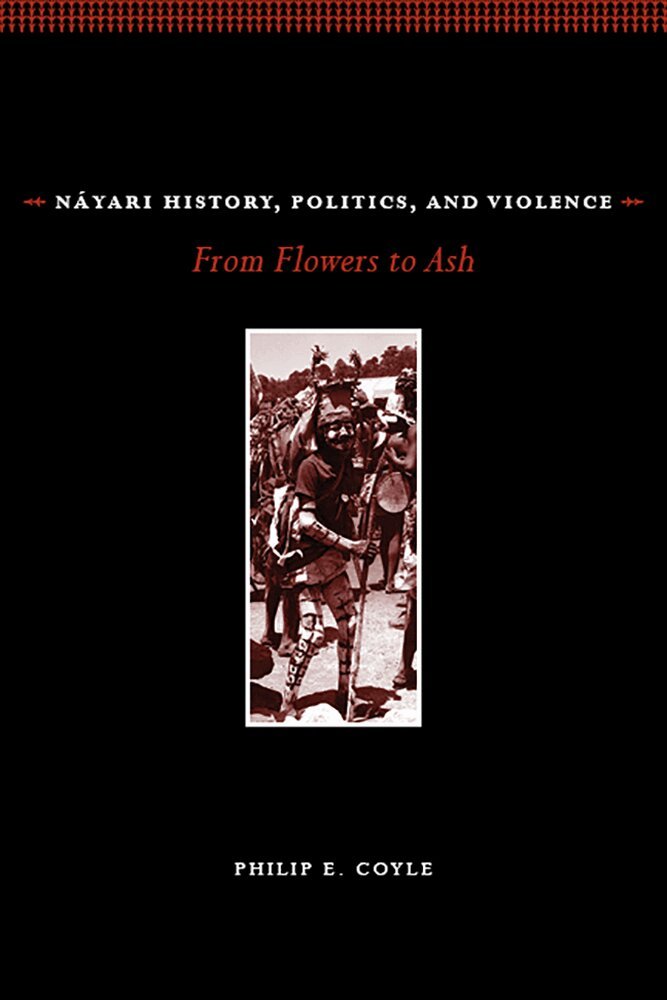
Náyari History, Politics, and Violence
From Flowers to Ash
Av Philip E. Coyle, Clark Colahan
Häftad, 2016
352 kr
Lägg i varukorg
In recent years the Náyari (Cora) people of northwestern Mexico have experienced violence at the hands of drug producers and traffickers. Although a drug economy may seem potentially lucrative to such peasants, spreading violence tied to this trade threatens to destroy their community. This book …
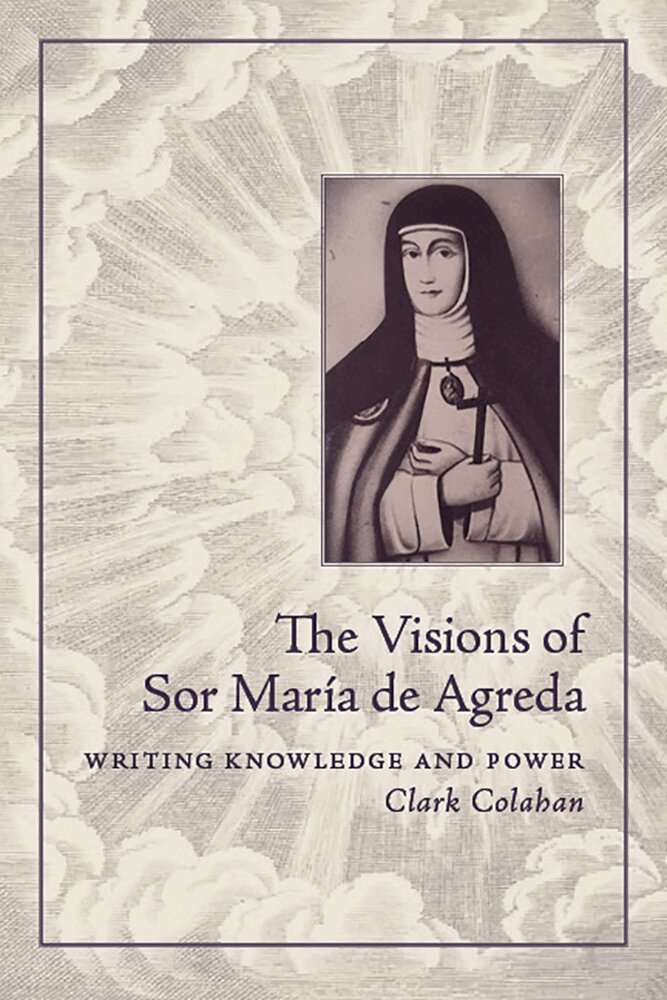
Visions of Sor María De Agreda
Writing Knowledge and Power
Av Clark Colahan, Clark Colahan
Häftad, 2016
398 kr
Lägg i varukorg
Sor María de Agreda (1602-65) was a Spanish nun and visionary who is best known as the author of the widely read biography of the Virgin Mary, The Mystical City of God, and as the missionary who ""bilocated"" to the American Southwest, reportedly appearing to Indians there without ever leaving …
Defying the Inquisition in Colonial New Mexico
Miguel De Quintana's Life and Writings
Av Francisco Lomelí, Clark Colahan
Häftad, 2018
797 kr
Lägg i varukorg
Miguel de Quintana was among those arriving in New Mexico with Diego de Vargas in 1694. He was active in his village of Santa Cruz de la Cañada, where he was a notary and secretary to the alcalde mayor, functioning as a quasi-attorney. Being unusually literate, he also wrote personal poetry for …
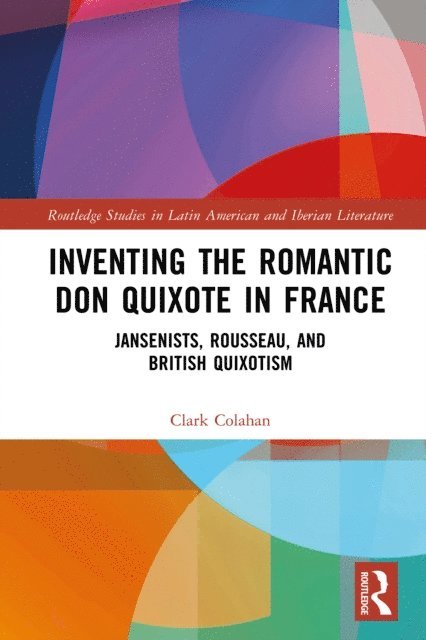
Inventing the Romantic Don Quixote in France
Jansenists, Rousseau, and British Quixotism
E-bok, 2023
797 kr
Lägg i varukorg
Cervantes’ now mythical character of Don Quixote began as a far different figure than the altruistic righter of wrongs we know today. The transformation from mad highway robber to secular saint took place in the Romantic Era, but how and where it began has just begun to be understood. Germany and …
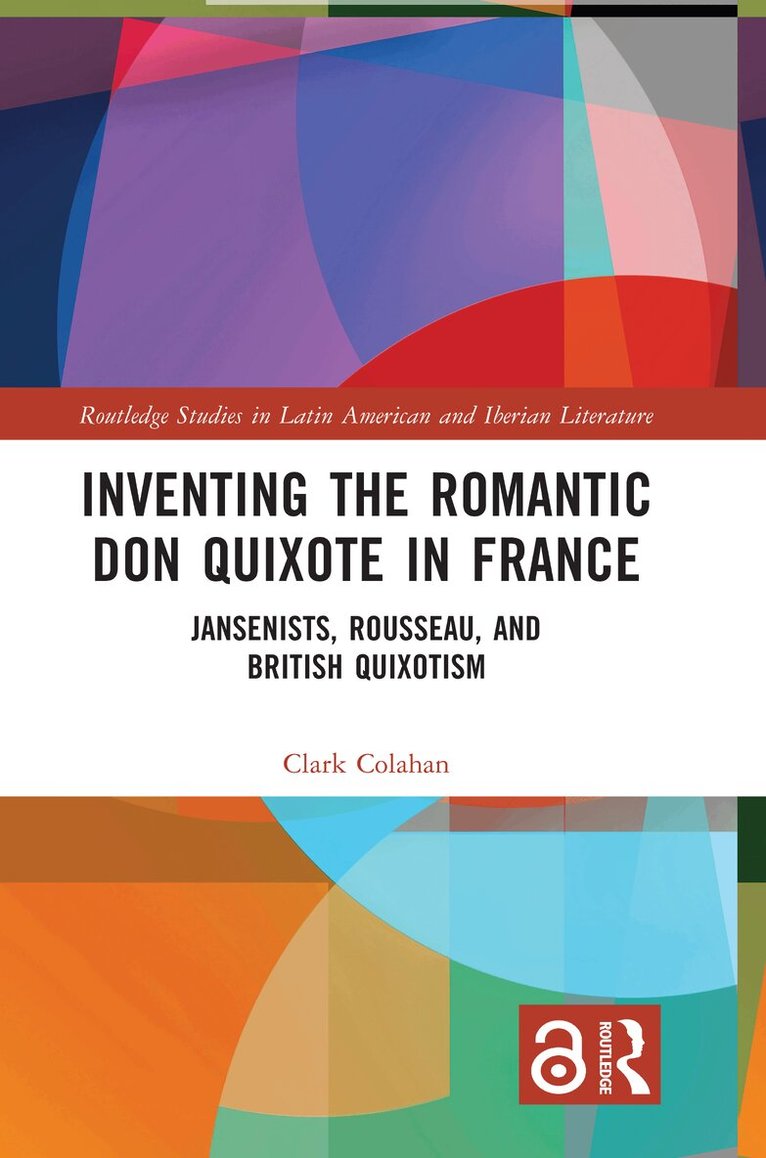
Inventing the Romantic Don Quixote in France
Jansenists, Rousseau, and British Quixotism
E-bok, 2023
797 kr
Lägg i varukorg
Cervantes’ now mythical character of Don Quixote began as a far different figure than the altruistic righter of wrongs we know today. The transformation from mad highway robber to secular saint took place in the Romantic Era, but how and where it began has just begun to be understood. Germany and …
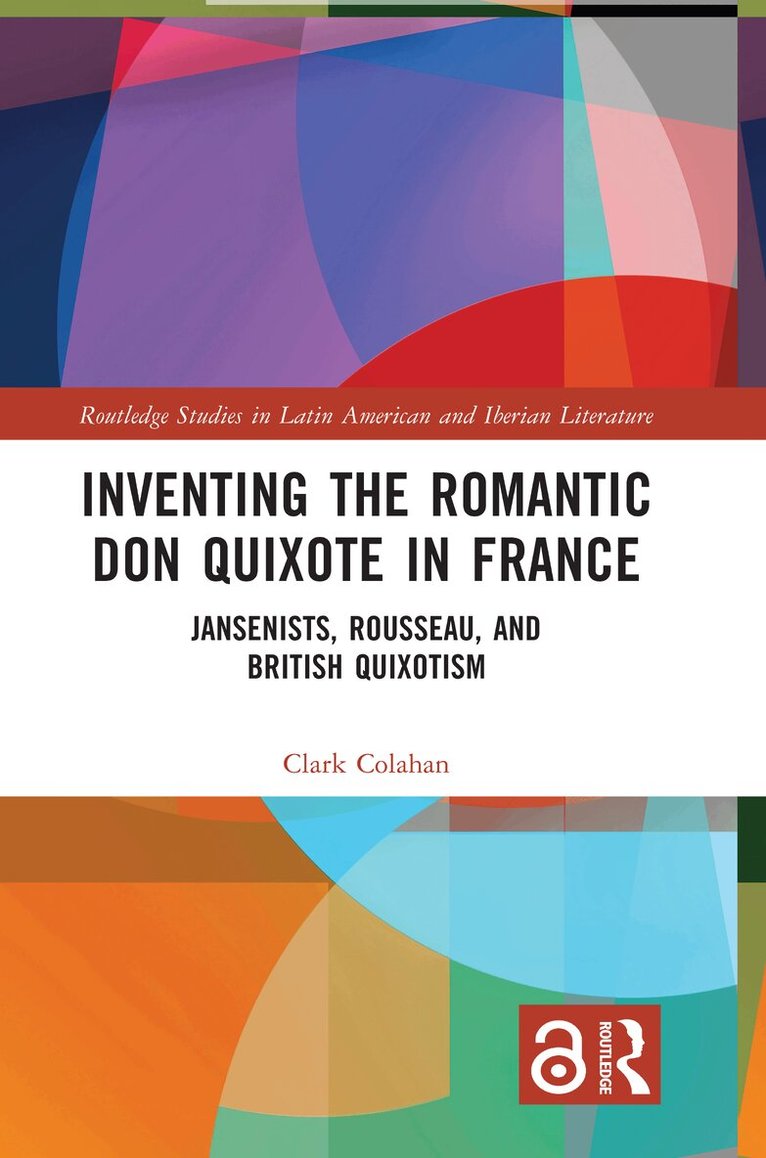
Inventing the Romantic Don Quixote in France
Jansenists, Rousseau, and British Quixotism
Inbunden, 2023
2888 kr
Lägg i varukorg
Cervantes’ now mythical character of Don Quixote began as a far different figure than the altruistic righter of wrongs we know today. The transformation from mad highway robber to secular saint took place in the Romantic Era, but how and where it began has just begun to be understood. Germany and …
Inventing the Romantic Don Quixote in France
Jansenists, Rousseau, and British Quixotism
Häftad, 2024
745 kr
Lägg i varukorg
Cervantes’ now mythical character of Don Quixote began as a far different figure than the altruistic righter of wrongs we know today. The transformation from mad highway robber to secular saint took place in the Romantic Era, but how and where it began has just begun to be understood. Germany and …
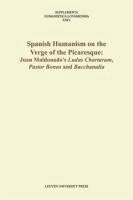
Spanish Humanism on the Verge of the Picaresque
Juan Maldonado's "Ludus Chartarum," "Pastor Bonus," and "Bacchanalia"
Av Clark Colahan, Warren S. Smith m. fl.
Häftad, 2009
694 kr
Tillfälligt slut
The 16th-century humanist Juan Maldonado in his Latin essays foreshadows the Spanish picaresque. Like Erasmus, with whom he corresponded,Maldonado advocated the use of Latin in a wide-range of activities. Maldonado’s Pastor Bonus, a lengthy open letter to a bishop, reviews in a vivid and satirical …