• Fri frakt över 249 kr
  • •
  • Snabba leveranser
  • •
  • Billiga böcker
Kundservice

Du är på sajten för privatpersoner.

Företag, bibliotek eller offentlig verksamhet?

Du handlar på classic.bokus.com, där alla dina funktioner finns intakta.
Till classic.bokus.com
Bokus logotyp. Gå till startsidan.
  • Erbjudanden
  • Nyheter
  • Student
  • Topplistor
  • Barn & ungdom
  • Bokus Play
  • E-böcker
  • Pocketböcker
  • Spel & pussel

10% rabatt på allt med kod: NYSTART10 →

Sidfot

Mina sidor

    Hjälp

    • Kundservice
    • Vanliga frågor och svar
    • Frakt och leverans
    • Retur vid ångerrätt
    • Reklamera vara
    • Betalning
    • Köpvillkor
    • Allmänna villkor
    • Information om webbplatsens tillgänglighet

    Om Bokus

    • Om oss
    • Pressrum
    • För studenter
    • För företag
    • För bibliotek och offentlig verksamhet
    • För leverantörer
    • Hållbarhet

    Populärt

    • Aktuella erbjudanden
    • Presentkort
    • Studentlitteratur
    • Nya böcker
    • Topplistor
    • Signerade böcker
    • Engelska böcker

    Inspiration

    • Boktips
    • BookTok
    • Populära bokserier
    • Barnbokskaraktärer
    • Populära författare
    Logotyp för Bokus
    Följ oss på Facebook (extern länk)Följ oss på Instagram (extern länk)Följ oss på YouTube (extern länk)Följ oss på TikTok (extern länk)
    bokus @ CookiesAnpassa cookiesIntegritetspolicyKöpvillkor
    Till Citymail hemsida (extern länk)Till Budbee hemsida (extern länk)Till Postnord hemsida (extern länk)Till Schenker hemsida (extern länk)Till Early Bird hemsida (extern länk)Till Walleys hemsida (extern länk)
    1. Skönlitteratur
    2. Litteraturvetenskap
    3. Litteraturvetenskap

    Inventing the Romantic Don Quixote in France

    Jansenists, Rousseau, and British Quixotism

    AvClark Colahan

    Inbunden, Engelska, 2023

    Del i serien Routledge Studies in Latin American and Iberian Literature

    2 784 kr

    Beställningsvara. Skickas inom 10-15 vardagar. Fri frakt över 249 kr.

    Fler format och utgåvor

    E-bok

    771 kr

    E-bok

    771 kr

    Häftad

    718 kr

    Beskrivning

    Cervantes’ now mythical character of Don Quixote began as a far different figure than the altruistic righter of wrongs we know today. The transformation from mad highway robber to secular saint took place in the Romantic Era, but how and where it began has just begun to be understood. Germany and England played major roles, but, contrary to earlier literary historians, Pascal, Racine, Rousseau and the Jansenists scooped Henry and Sarah Fielding. Jansenism, a persecuted puritanical and intellectual movement linked to Pascal, identified itself with Don Quixote’s virtues, excused his vices, and wrote a game-changing sequel mediated by the transformative powers of a sorcerer from Commedia dell’Arte. As an early Romantic, Rousseau was attracted to the hero’s fertile imagination and tender love for Dulcinea, foregrounding the would-be knight’s quest in a play and his best-selling novel, Julie. Sarah Fielding reacted similarly, basing her utopian novel David Simple on the Jansenist concept of quixotic trust in others. Colahan here reproduces and explains for the first time the extremely rare original illustrations of the French sequel to Cervantes’ novel, and documents the fortunes in French culture of the magician at the heart of the Romantic Quixote.Introduction of this book is freely available as a downloadable Open Access PDF at http://www.taylorfrancis.com under a Creative Commons [Attribution-Non Commercial-No Derivatives (CC-BY-NC-ND)] 4.0 license.

    Produktinformation

    • Utgivningsdatum:2023-06-22
    • Mått:152 x 229 x 17 mm
    • Vikt:453 g
    • Format:Inbunden
    • Språk:Engelska
    • Serie:Routledge Studies in Latin American and Iberian Literature
    • Antal sidor:208
    • Förlag:Taylor & Francis Ltd
    • ISBN:9781032467252

    Utforska kategorier

    • Litteraturvetenskap inom Skönlitteratur

    Mer om författaren

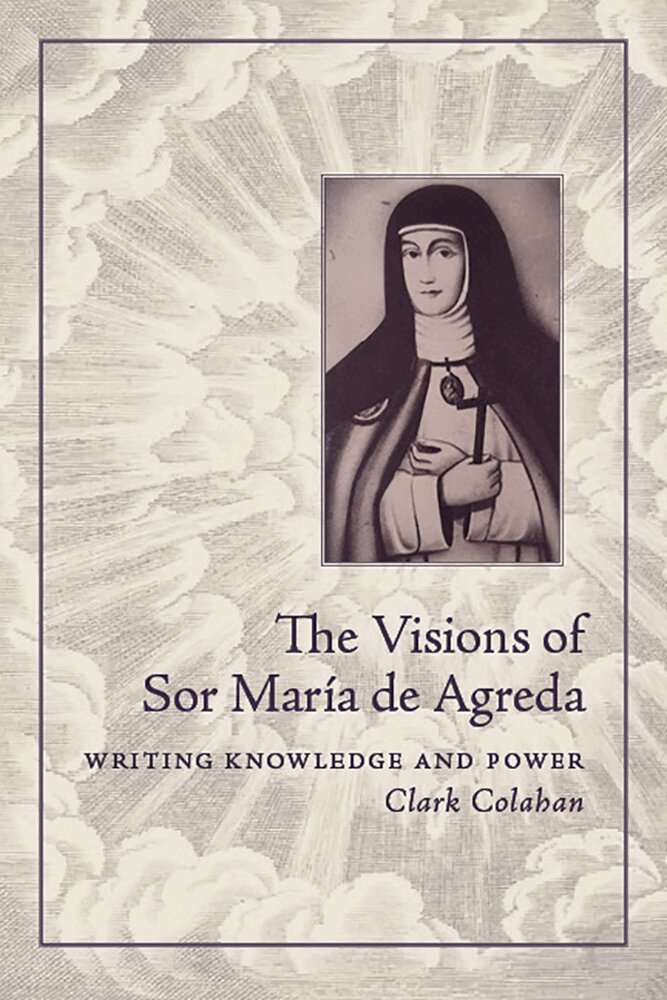
    Clark Colahan is Anderson Professor of Humanities, Emeritus, at Whitman College, USA. He is the author of several books and numerous articles on Spanish and French literature of the Early Modern period and the Enlightenment. He is the author of The Visions of Sor María de Agreda: Writing Knowledge and Power, the co-editor of Spanish Humanism on the Verge of the Picaresque, and the co-author of the English translation of Cervantes’ last novel, The Trials of Persiles and Sigismunda.

    Innehållsförteckning

    • Author’s forewordSynopsis IntroductionChapter One: Hagiography and the religious side of Don Quixote’s parodic journeyCervantes’ use of saints’ livesSt. Thomas of VillanuevaTraits and adventures of Don Quixote and Sancho running parallel to those of Brother Thomas.Chapter Two: The Jansenist milieuThe Filleau brothers and JansenismJansenist teachingsFilleau de la Chaise’s essay on Pascal’s PenséesChapter Three: Don Quixote’s rise toward moral exemplarityA Jansenist toneProtestant affinitiesDulcinea and faithChapter Four: Don Quixote as high moral achiever Transforming Don Quixote and SanchoDon Quixote doing good in the world, mostlyPride goes before a fallChapter Five: Sancho as backsliding social climberToward the utopia of fraternity and equality Increasing day by (every other) day in wisdom and strengthChapter Six: Reason, trust, and which way lies happiness?ReasonParafaragaramus and confusing choicesChapter Seven: Magicians in Commedia dell’Arte and the Quixote sequel"The Fake Necromancer"Practical jokers"Mother Goose" and "The Barrel" The magician as director of tragi-comedyChapter Eight: Rousseau’s recasting of Parafaragaramus Trickery versus tendernessTaking courage through trust Justice versus sadism in societyChapter Nine: Magician Overboard DownstreamBenevolent and effectiveAll-knowing denouncer of misdeedsActive pursuer of delinquentsThief of happinessStage magicianObject of RidiculeMagician as dangerous scientist harming natureChapter Ten: The British Don Quixote: good-humored laughter and utopiasSarah Fielding on selfless friendship and Henry Brooke on Don Quixote’s humanitarianism The split English reaction to Don Quixote’s ‘Enthusiasm’ Rousseau’s impactColeridge and Don Quixote through the lens of German philosophyChapter Eleven: Rousseau’s Julie - reliving Don Quixote’s failed quest Summary and Take-awayWorks CitedIndex