Claudia Hopkins - Böcker
Visar alla böcker från författaren Claudia Hopkins. Handla med fri frakt och snabb leverans.
6 produkter
6 produkter
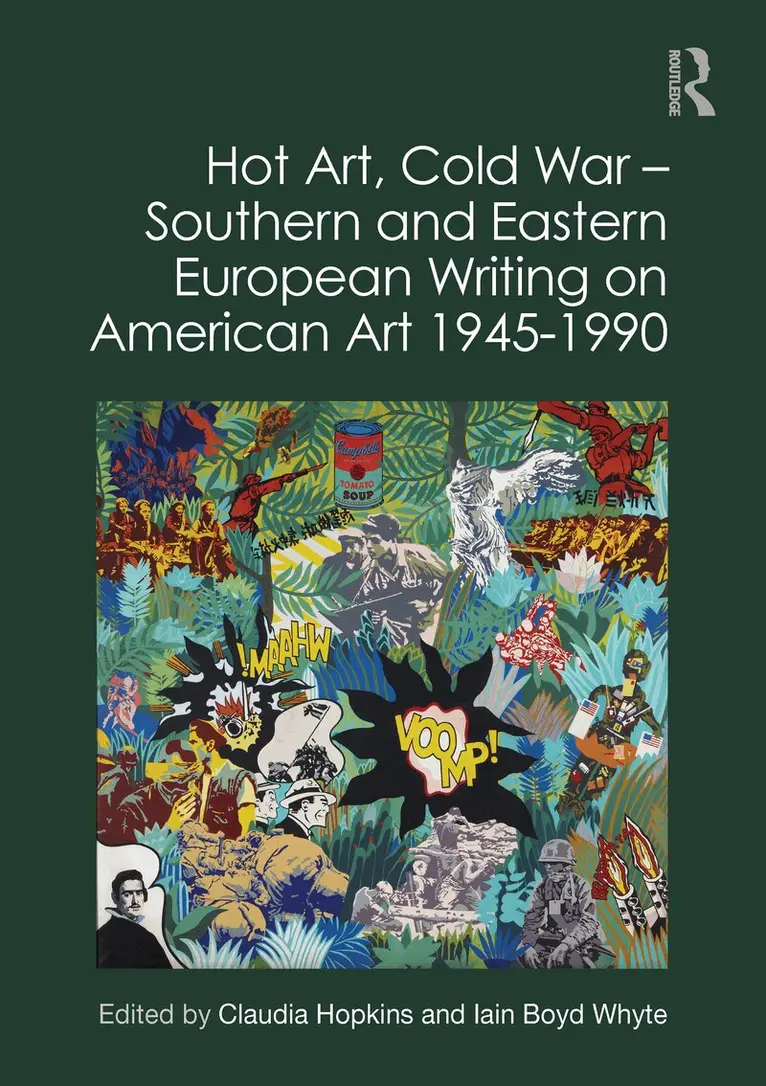
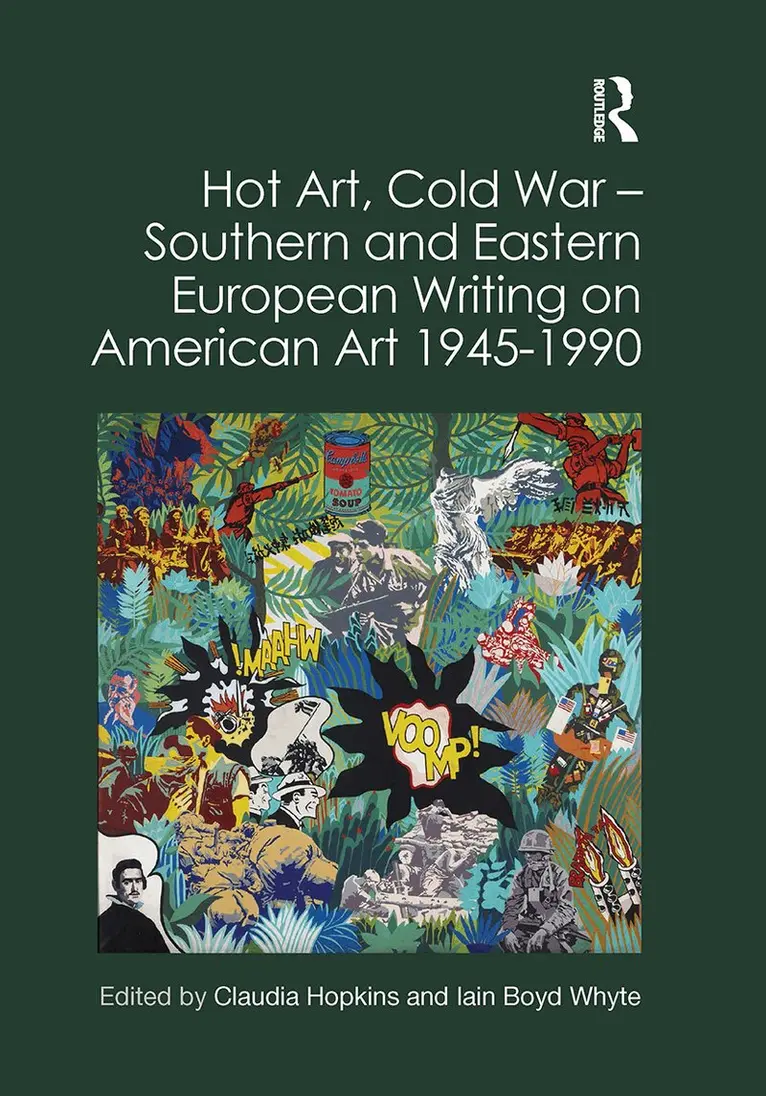
Hot Art, Cold War – Southern and Eastern European Writing on American Art 1945-1990
Inbunden, Engelska, 2020
3 419 kr
Skickas inom 10-15 vardagar
Hot Art, Cold War – Southern and Eastern European Writing on American Art 1945-1990 is one of two text anthologies that trace the reception of American art in Europe during the Cold War era through primary sources.Translated into English for the first time from sixteen languages and introduced by scholarly essays, the texts in this volume offer a representative selection of the diverse responses to American art in Portugal, Italy, Spain, Greece, Yugoslavia, Romania, Bulgaria, Soviet Union (including the Baltic States), Czechoslovakia, Poland, Hungary, and East Germany (GDR). There was no single European discourse, as attitudes to American art were determined by a wide range of ideological, political, social, cultural and artistic positions that varied considerably across the European nations.This volume and its companion, Hot Art, Cold War – Northern and Western European Writing on American Art 1945-1990, offer the reader a unique opportunity to compare how European art writers introduced and explained contemporary American art to their many and varied audiences.Whilst many are fluent in one or two foreign languages, few are able to read all twenty-five languages represented in the two volumes. These ground-breaking publications significantly enrich the fields of American art studies and European art criticism.
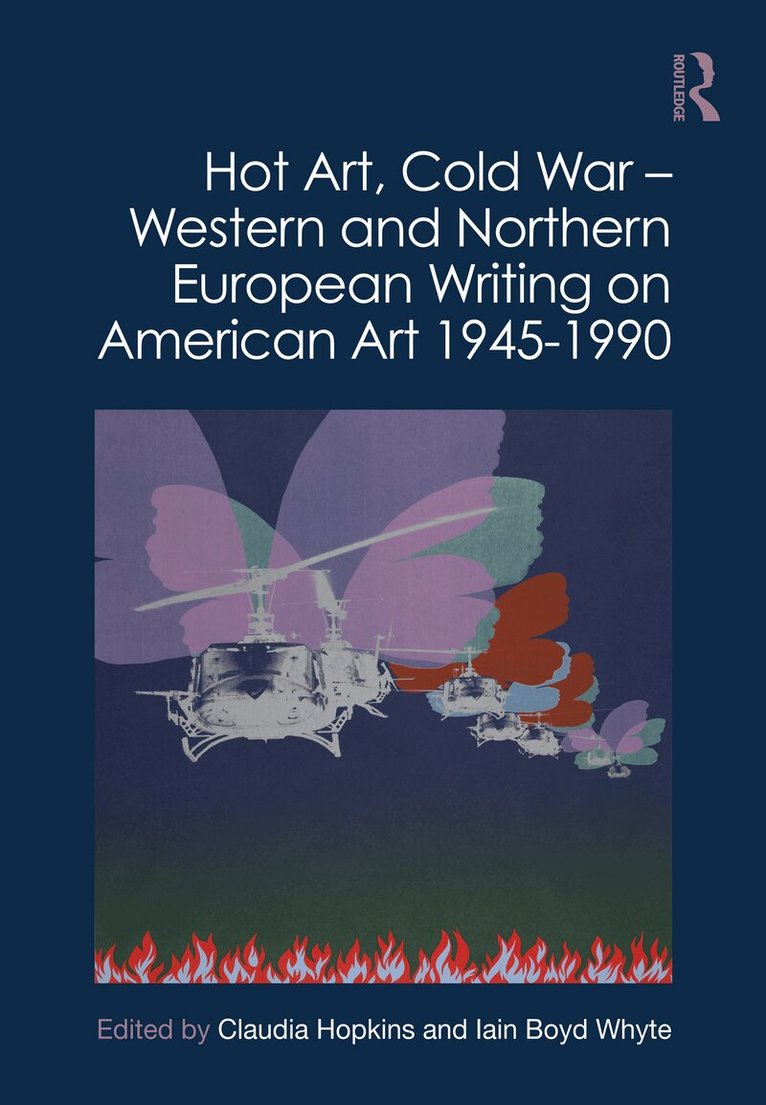
Hot Art, Cold War – Western and Northern European Writing on American Art 1945-1990
Inbunden, Engelska, 2020
3 419 kr
Skickas inom 10-15 vardagar
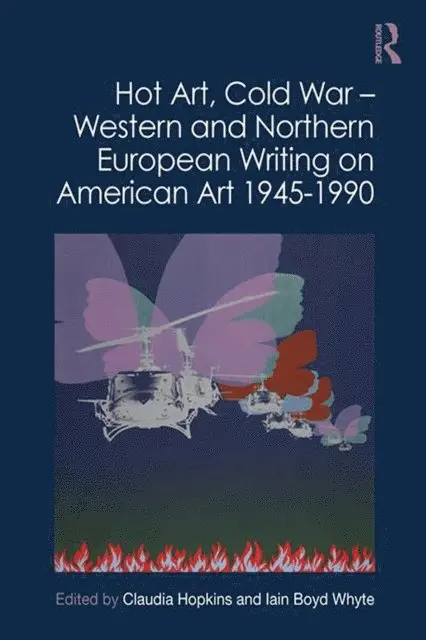
Hot Art, Cold War – Northern and Western European Writing on American Art 1945-1990 is one of two text anthologies that trace the reception of American art in Europe during the Cold War era through primary sources.With the exception of those originally published in English, the majority of these texts are translated into English for the first time from eight languages, and are introduced by scholarly essays. They offer a representative selection of the diverse responses to American art in Great Britain, Ireland, France, Belgium, the Netherlands, West Germany (FRG), Austria, Switzerland, Denmark, Norway, Sweden, and Finland. There was no single European discourse, as attitudes to American art were determined by a wide range of ideological, political, social, cultural, and artistic positions that varied considerably across the European nations.This volume and its companion, Hot Art, Cold War – Southern and Eastern European Writing on American Art 1945-1990, offer the reader a unique opportunity to compare how European art writers introduced and explained contemporary American art to their many and varied audiences.Whilst many are fluent in one or two foreign languages, few are able to read all twenty-five languages represented in the two volumes. These ground-breaking publications significantly enrich the fields of American art studies and European art criticism.This book, together with its companion volume Hot Art, Cold War – Southern and Eastern European Writing on American Art 1945-1990, is a joint initiative of the Terra Foundation for American Art and the editors of the journal Art in Translation at the University of Edinburgh. The journal, launched in 2009, publishes English-language translations of the most significant texts on art and visual cultures presently only available only in their source language. It is committed to widening the perspectives of art history, making it more pluralist in terms of its authors, viewpoints, and subject matter.
Hot Art, Cold War – Western and Northern European Writing on American Art 1945-1990
Häftad, Engelska, 2021
704 kr
Skickas inom 10-15 vardagar
Hot Art, Cold War – Northern and Western European Writing on American Art 1945-1990 is one of two text anthologies that trace the reception of American art in Europe during the Cold War era through primary sources.With the exception of those originally published in English, the majority of these texts are translated into English for the first time from eight languages, and are introduced by scholarly essays. They offer a representative selection of the diverse responses to American art in Great Britain, Ireland, France, Belgium, the Netherlands, West Germany (FRG), Austria, Switzerland, Denmark, Norway, Sweden, and Finland. There was no single European discourse, as attitudes to American art were determined by a wide range of ideological, political, social, cultural, and artistic positions that varied considerably across the European nations.This volume and its companion, Hot Art, Cold War – Southern and Eastern European Writing on American Art 1945-1990, offer the reader a unique opportunity to compare how European art writers introduced and explained contemporary American art to their many and varied audiences.Whilst many are fluent in one or two foreign languages, few are able to read all twenty-five languages represented in the two volumes. These ground-breaking publications significantly enrich the fields of American art studies and European art criticism.This book, together with its companion volume Hot Art, Cold War – Southern and Eastern European Writing on American Art 1945-1990, is a joint initiative of the Terra Foundation for American Art and the editors of the journal Art in Translation at the University of Edinburgh. The journal, launched in 2009, publishes English-language translations of the most significant texts on art and visual cultures presently only available only in their source language. It is committed to widening the perspectives of art history, making it more pluralist in terms of its authors, viewpoints, and subject matter.
Hot Art, Cold War – Southern and Eastern European Writing on American Art 1945-1990
Häftad, Engelska, 2024
662 kr
Skickas inom 10-15 vardagar
Hot Art, Cold War – Southern and Eastern European Writing on American Art 1945-1990 is one of two text anthologies that trace the reception of American art in Europe during the Cold War era through primary sources. Translated into English for the first time from sixteen languages and introduced by scholarly essays, the texts in this volume offer a representative selection of the diverse responses to American art in Portugal, Italy, Spain, Greece, Yugoslavia, Romania, Bulgaria, Soviet Union (including the Baltic States), Czechoslovakia, Poland, Hungary, and East Germany (GDR). There was no single European discourse, as attitudes to American art were determined by a wide range of ideological, political, social, cultural and artistic positions that varied considerably across the European nations. This volume and its companion, Hot Art, Cold War – Northern and Western European Writing on American Art 1945-1990, offer the reader a unique opportunity to compare how European art writers introduced and explained contemporary American art to their many and varied audiences. Whilst many are fluent in one or two foreign languages, few are able to read all twenty-five languages represented in the two volumes. These ground-breaking publications significantly enrich the fields of American art studies and European art criticism.
1 291 kr
Skickas inom 7-10 vardagar
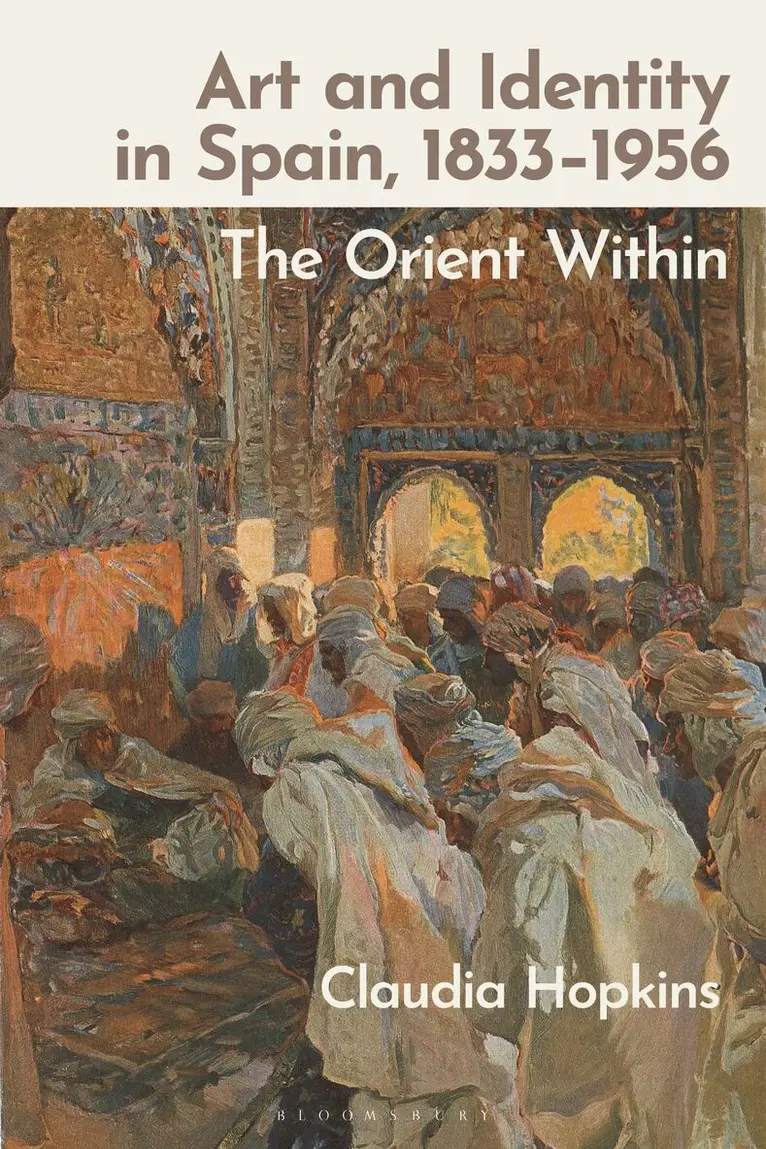
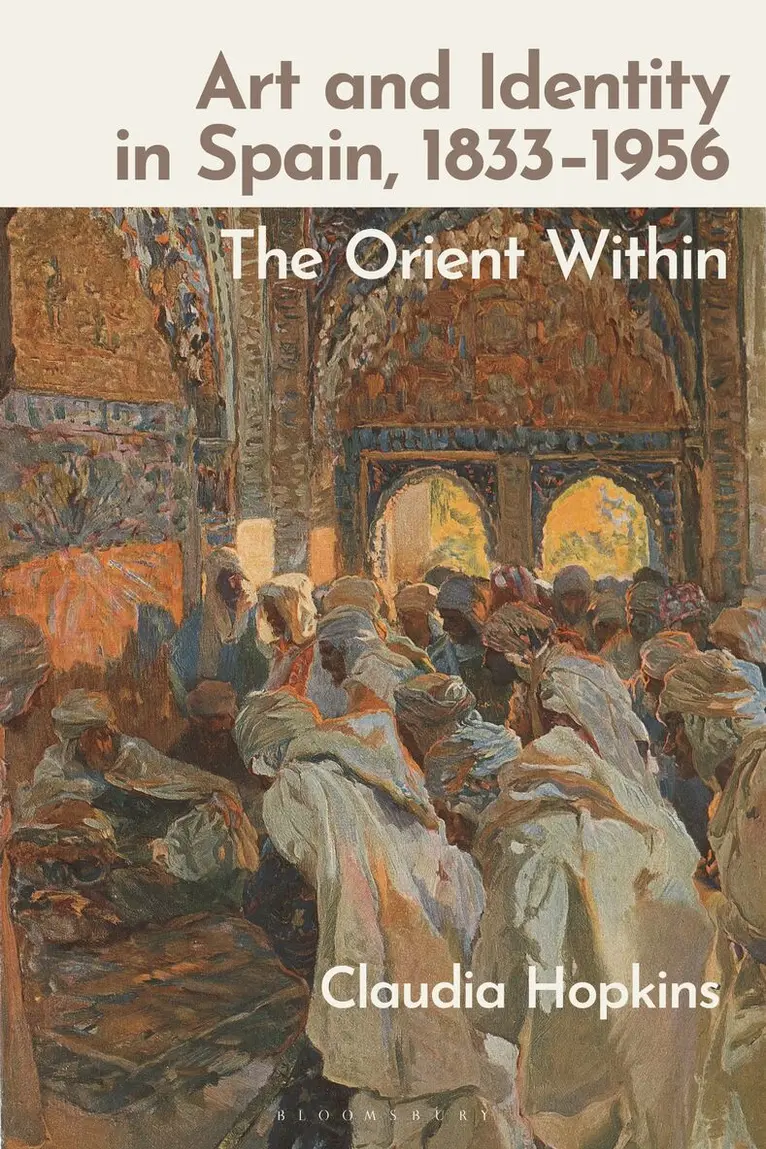
Winner of the Mark A. Roglán Publication Award 2025 for exemplary scholarship on Spanish art between 1820 and 1920 from the Meadows Museum’s Custard Institute for Spanish Art and Culture, Dallas.Richly illustrated, this is the first study in English to explore the longevity of Orientalist art in Spain over a period of 120 years.It highlights how artists in Spain shaped perceptions of Al-Andalus (Iberia under Islam 711–1492) and northern Morocco, from Spain’s liberal revolution of the 1830s to the end of the Protectorate of Morocco in 1956. Combining art history with a cultural studies approach, and using exemplary case studies, Hopkins foregrounds the diverse issues that underpin Orientalist expression: reflections on history and the nation, cultural nationalism, gender and sexuality, aesthetics and art commerce, colonialism and racial thinking. In the process, the book challenges over-familiar understandings of Western Orientalism.Beyond Fortuny and Sorolla, many unfamiliar artists and exhibitions are introduced, amongst them Villaamil, whose nostalgic landscapes evoked the loss of Andalusi culture; Bécquer, who celebrated Spanish-Moroccan peace-making through the lens of Velázquez; the Symbolist Rusiñol, whose images of the Alhambra are infused with melancholy; Morcillo, whose extraordinary camp images opened a new space for male subjectivity; Tapiró and Bertuchi, who dedicated their lives to Morocco, and the Moroccan Sarghini, who participated in the state-funded Painters of Africa exhibitions in Franco’s Madrid – an annual exhibition that served the colonial concept of a Hispano-Moroccan brotherhood under the dictatorship.This book traces the shifting impulses and meanings of Orientalist expression in Spain. It makes an original intervention in the field of Spanish art studies and contributes new material to the ongoing debates about Western Orientalism.
499 kr
Kommande
Winner of the Mark A. Roglán Publication Award 2025 for exemplary scholarship on Spanish art between 1820 and 1920 from the Meadows Museum’s Custard Institute for Spanish Art and Culture, Dallas.Richly illustrated, this is the first study in English to explore the longevity of Orientalist art in Spain over a period of 120 years.It highlights how artists in Spain shaped perceptions of Al-Andalus (Iberia under Islam 711–1492) and northern Morocco, from Spain’s liberal revolution of the 1830s to the end of the Protectorate of Morocco in 1956. Combining art history with a cultural studies approach, and using exemplary case studies, Hopkins foregrounds the diverse issues that underpin Orientalist expression: reflections on history and the nation, cultural nationalism, gender and sexuality, aesthetics and art commerce, colonialism and racial thinking. In the process, the book challenges over-familiar understandings of Western Orientalism.Beyond Fortuny and Sorolla, many unfamiliar artists and exhibitions are introduced, amongst them Villaamil, whose nostalgic landscapes evoked the loss of Andalusi culture; Bécquer, who celebrated Spanish-Moroccan peace-making through the lens of Velázquez; the Symbolist Rusiñol, whose images of the Alhambra are infused with melancholy; Morcillo, whose extraordinary camp images opened a new space for male subjectivity; Tapiró and Bertuchi, who dedicated their lives to Morocco, and the Moroccan Sarghini, who participated in the state-funded Painters of Africa exhibitions in Franco’s Madrid – an annual exhibition that served the colonial concept of a Hispano-Moroccan brotherhood under the dictatorship.This book traces the shifting impulses and meanings of Orientalist expression in Spain. It makes an original intervention in the field of Spanish art studies and contributes new material to the ongoing debates about Western Orientalism.