Claudia Lang - Böcker
Visar alla böcker från författaren Claudia Lang. Handla med fri frakt och snabb leverans.
6 produkter
6 produkter
633 kr
Skickas inom 10-15 vardagar
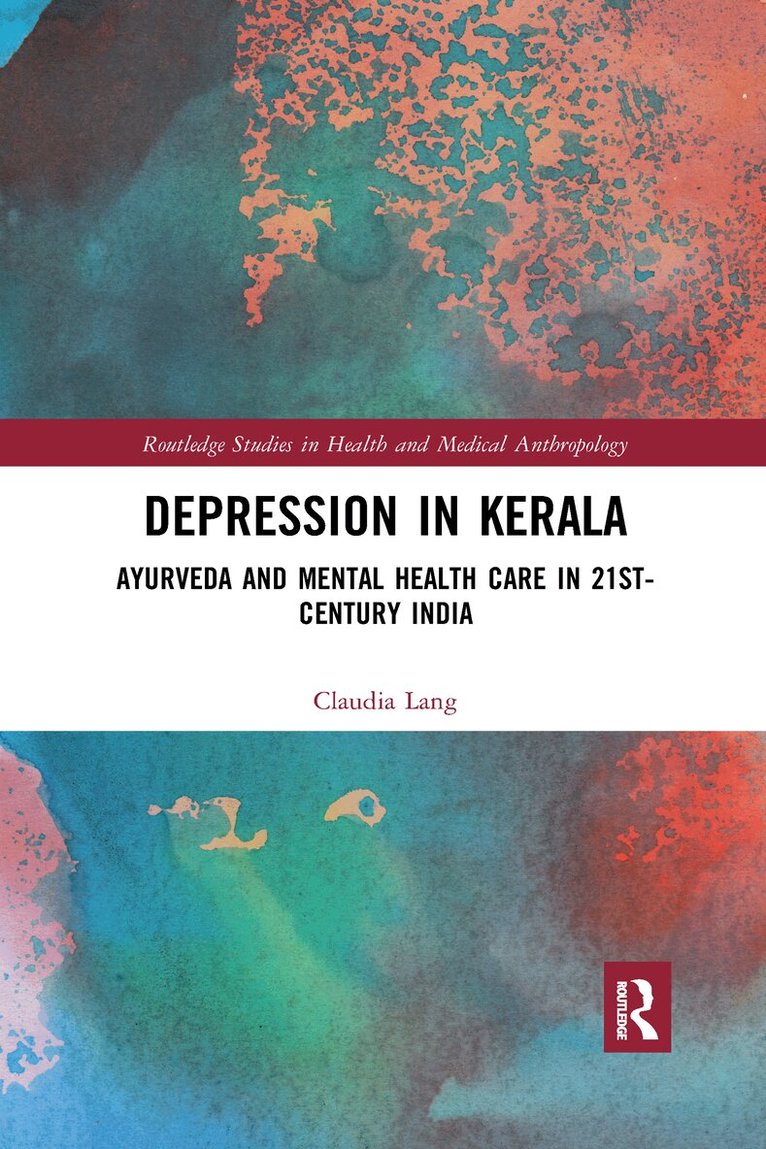
This book examines depression as a widely diagnosed and treated common mental disorder in India and offers a significant ethnographic study of the application of a traditional Indian medical system (Ayurveda) to the very modern problem of depression. Based on over a year of fieldwork, it investigates the Ayurvedic response to the burden of depression in the Indian state of Kerala as one of the key processes of the local appropriation or glocalization of depression. More broadly, Lang considers: What happens with the category of depression when it leaves the West and travels to South Asia? How is depression appropriated in a South Asian society characterized by medical pluralism? She explores on the level of ideas, institutions and materialities how depression interacts with and changes local worlds, clinical practice and knowledge and subjectivities. As depression travels from ‘the West’ to South India, its ontology, Lang argues, multiplies and thus leads to what she calls ‘depression multiple’.
652 kr
Skickas inom 10-15 vardagar
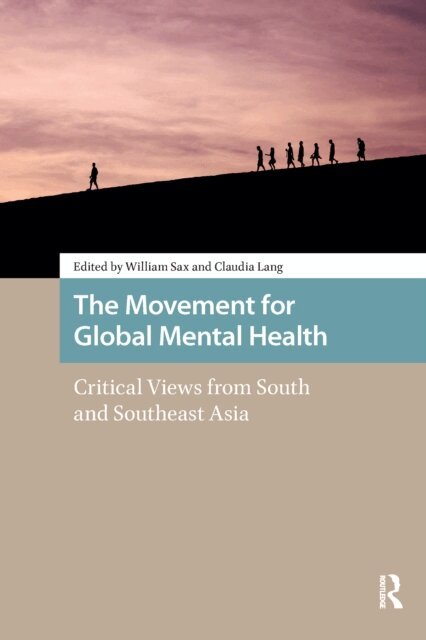
In The Movement for Global Mental Health: Critical Views from South and Southeast Asia, prominent anthropologists, public health physicians, and psychiatrists respond sympathetically but critically to the Movement for Global Mental Health (MGMH). They question some of its fundamental assumptions: the idea that mental disorders can clearly be identified; that they are primarily of biological origin; that the world is currently facing an epidemic of them; that the most appropriate treatments for them normally involve psycho-pharmaceutical drugs; and that local or indigenous therapies are of little interest or importance for treating them. The contributors argue that, on the contrary, defining mental disorders is difficult and culturally variable; that social and biographical factors are often important causes of them; that the epidemic of mental disorders may be an effect of new ways of measuring them; and that the countries of South and Southeast Asia have abundant, though non-psychiatric, resources for dealing with them. In short, they advocate a thoroughgoing mental health pluralism.|1. Introduction: Global Mental Health: Critical Views from South Asia and Beyond - William Sax and Claudia Lang,Critical Histories, 2. Mental Ills for All: Genealogies of Global Mental Health - Stefan Ecks, 3. Schizoid Balinese? Anthropology's Double-Bind: Radical Alterity and Its Consequences for Schizophrenia - Annette Hornbacher, 4. Misdiagnosis: Global Mental Health, Social Determinants of Health and Beyond - Anindya Das and Mohan Rao,The Limits of Global Mental Health, 5. Jinns and the Proletarian Mumin Subject: Exploring the Limits of Global Mental Health in Bangladesh - Projit Bihari Mukharji, 6. Psychedelic Therapy: Diplomatic Re-compositions of Life/Non-life, and the Living and the Dead - Harish Naraindas,Alternatives, 7. The House of Love and the Mental Hospital: Zones of Care and Recovery in South India - Murphy Halliburton, 8. Ayurvedic Psychiatry and the Moral Physiology of Depression in Kerala - Claudia Lang, 9. Global Mental Therapy - William Sax,Afterwords, 10. Afterword - Johannes Quack, 11. 'Treatment' and Why We Need Alternatives: An Autoethnographic Reflection on Psychiatric Incarceration in India Anonymous, Index.|1. The contributors are leading figures from a variety of disciplines 2. The essays take a sympathetic but critical view of MGMH 3. The book takes a particular geographical point of view: from South and Southeast Asia.
2 098 kr
Skickas inom 10-15 vardagar
This book examines depression as a widely diagnosed and treated common mental disorder in India and offers a significant ethnographic study of the application of a traditional Indian medical system (Ayurveda) to the very modern problem of depression. Based on over a year of fieldwork, it investigates the Ayurvedic response to the burden of depression in the Indian state of Kerala as one of the key processes of the local appropriation or glocalization of depression. More broadly, Lang considers: What happens with the category of depression when it leaves the West and travels to South Asia? How is depression appropriated in a South Asian society characterized by medical pluralism? She explores on the level of ideas, institutions and materialities how depression interacts with and changes local worlds, clinical practice and knowledge and subjectivities. As depression travels from ‘the West’ to South India, its ontology, Lang argues, multiplies and thus leads to what she calls ‘depression multiple’.
429 kr
Skickas inom 7-10 vardagar
Global Health for All trains a critical lens on global health to share the stories that global health’s practices and logics tell about 20th and 21st century configurations of science and power. An ethnography on multiple scales, the book focuses on global health’s key epistemic and therapeutic practices like localization, measurement, triage, markets, technology, care, and regulation. Its roving approach traverses policy centers, sites of intervention, and innumerable spaces in between to consider what happens when globalized logics, circulations, and actors work to imagine, modify, and manage health. By resting in these in-between places, Global Health for All simultaneously examines global health as a coherent system and as a dynamic, unpredictable collection of modular parts.
1 624 kr
Skickas inom 7-10 vardagar
Global Health for All trains a critical lens on global health to share the stories that global health’s practices and logics tell about 20th and 21st century configurations of science and power. An ethnography on multiple scales, the book focuses on global health’s key epistemic and therapeutic practices like localization, measurement, triage, markets, technology, care, and regulation. Its roving approach traverses policy centers, sites of intervention, and innumerable spaces in between to consider what happens when globalized logics, circulations, and actors work to imagine, modify, and manage health. By resting in these in-between places, Global Health for All simultaneously examines global health as a coherent system and as a dynamic, unpredictable collection of modular parts.
Del 2 - Health, Medicine, and Science in Asia
Movement for Global Mental Health
Critical Views from South and Southeast Asia
Inbunden, Engelska, 2021
1 952 kr
Skickas inom 10-15 vardagar
In The Movement for Global Mental Health: Critical Views from South and Southeast Asia, prominent anthropologists, public health physicians, and psychiatrists respond sympathetically but critically to the Movement for Global Mental Health (MGMH). They question some of its fundamental assumptions: the idea that "mental disorders" can clearly be identified; that they are primarily of biological origin; that the world is currently facing an "epidemic" of them; that the most appropriate treatments for them normally involve psycho-pharmaceutical drugs; and that local or indigenous therapies are of little interest or importance for treating them. The contributors argue that, on the contrary, defining "mental disorders" is difficult and culturally variable; that social and biographical factors are often important causes of them; that the "epidemic" of mental disorders may be an effect of new ways of measuring them; and that the countries of South and Southeast Asia have abundant, though non-psychiatric, resources for dealing with them. In short, they advocate a thoroughgoing mental health pluralism.