Claudia Mills – författare
Visar alla böcker från författaren Claudia Mills. Handla med fri frakt och snabb leverans.
41 produkter
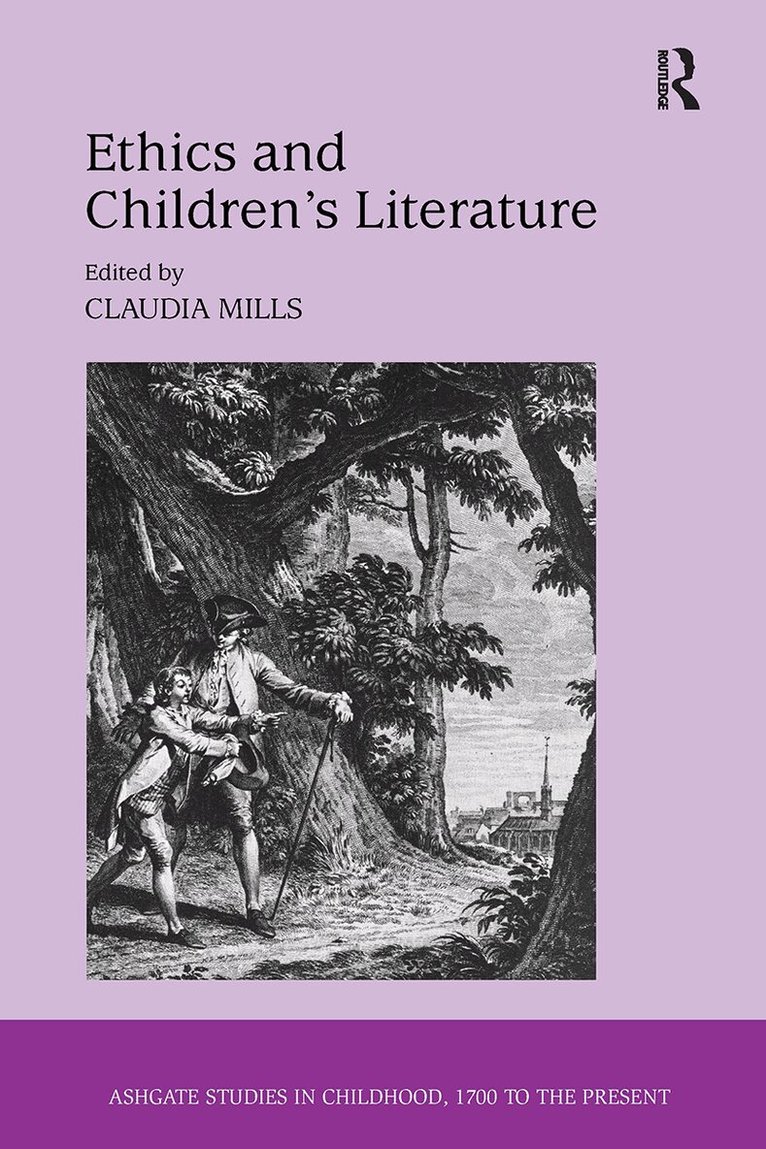
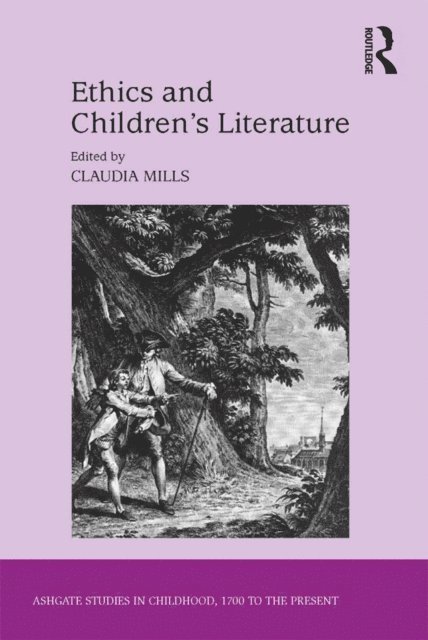
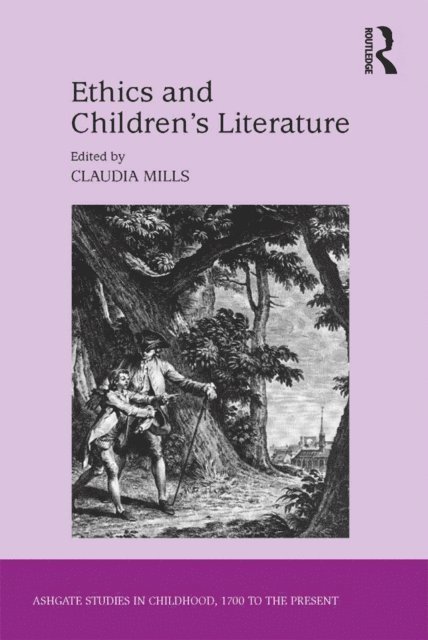
Ethics and Children's Literature
Häftad, 2024
742 kr
Lägg i varukorg
Exploring the ethical questions posed by, in, and about children’s literature, this collection examines the way texts intended for children raise questions of value, depict the moral development of their characters, and call into attention shared moral presuppositions. The essays in Part I look at …
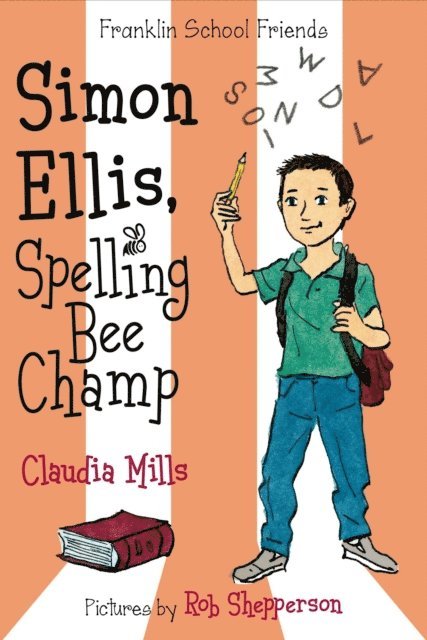
Simon Ellis, Spelling Bee Champ
E-bok, 2015
188 kr
Lägg i varukorg
The students in Miss Molina''s third grade class are abuzz with excitement about the upcoming spelling bee, where they will be competing against the two other classes in third grade. Simon Ellis, who just happens to be good at a lot of other things, is also very good at spelling. But Simon''s best …
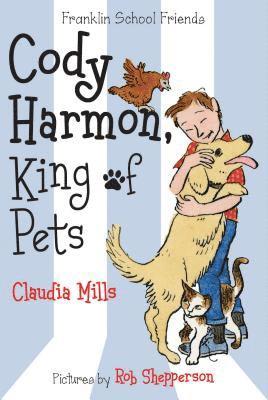
Cody Harmon, King of Pets
E-bok, 2016
126 kr
Lägg i varukorg
Cody Harmon doesn''t love reading, math, spelling, or really any of the subjects that Miss Molina teaches in her third-grade class. But he lives on a farm and he loves animals--he even has nine pets--so when the school holds a pet-show fund-raiser, it should be his time to shine. There''s a …
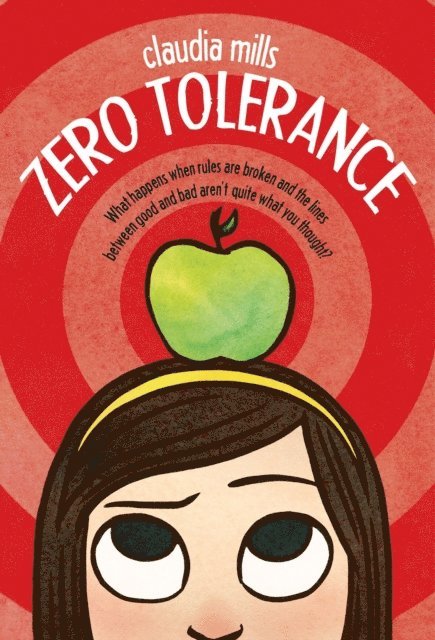
Zero Tolerance
E-bok, 2013
188 kr
Lägg i varukorg
Seventh-grader Sierra Shepard has always been the perfect student, so when she sees that she accidentally brought her mother''s lunch bag to school, including a paring knife, she immediately turns in the knife at the school office. Much to her surprise, her beloved principal places her in in-school …
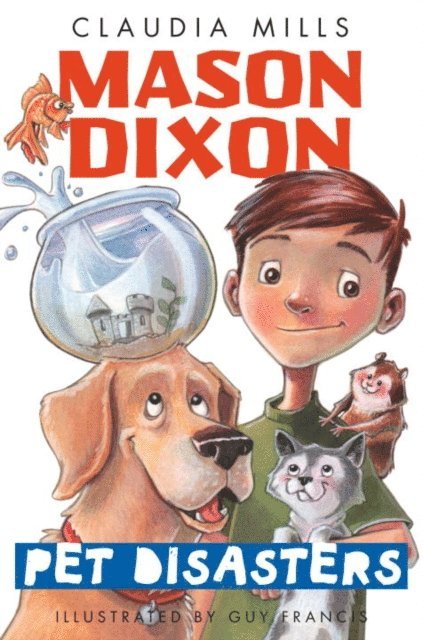
Mason Dixon: Pet Disasters
E-bok, 2011
82 kr
Lägg i varukorg
Soon-to-be fourth-grader Mason Dixon does not want a pet, but his parents think it will be good for him. Goldfish dies soon after his arrival (from overfeeding). Mason is relieved. Hamster escapes. Mason is relieved. Cat has to go back because best friend Brody is too allergic to ever be at their …
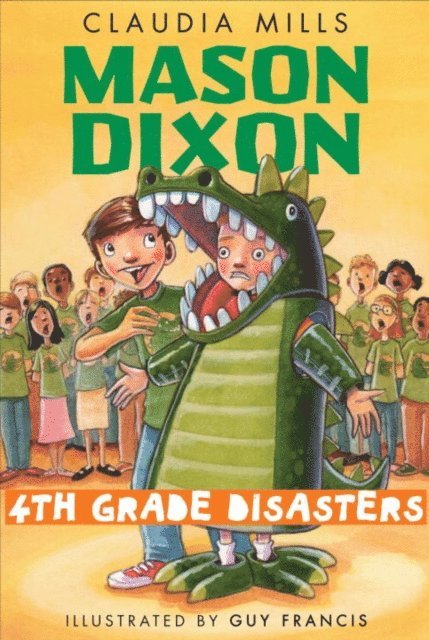
Mason Dixon: Fourth-Grade Disasters
E-bok, 2011
104 kr
Lägg i varukorg
Here''s the second entry in veteran author Claudia Mills'' charming middle-grade series, which finds the lovably sardonic title character starting the fourth grade, which he''s dreading: everyone in fourth grade is expected to join the school choir. And sing. In front of everyone. Mason can''t …
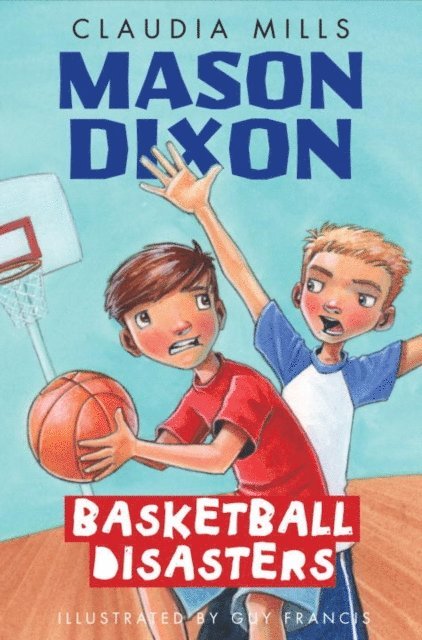
Mason Dixon: Basketball Disasters
E-bok, 2012
80 kr
Lägg i varukorg
Here''s the third entry in Claudia Mills'' charming middle-grade series. Mason Dixon survived the school choir. He survived adopting his now-beloved dog named, uh, Dog. But now he faces his biggest challenge yet: joining the local basketball team. Not by choice, of course. Not only do his parents …
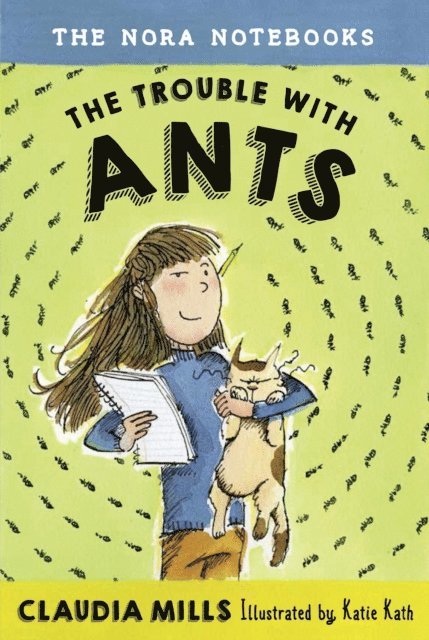
Nora Notebooks, Book 1: The Trouble with Ants
E-bok, 2015
87 kr
Lägg i varukorg
Science-obsessed fourth grader Nora has ants all figured out—now she just has to try to understand her fellow humans! The trouble with ants is . . . . . . people think they’re boring. . . . they are not cuddly. . . . who would ever want them for a pet? Nora Alpers is using her new notebook to …
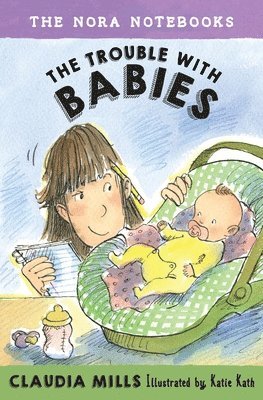
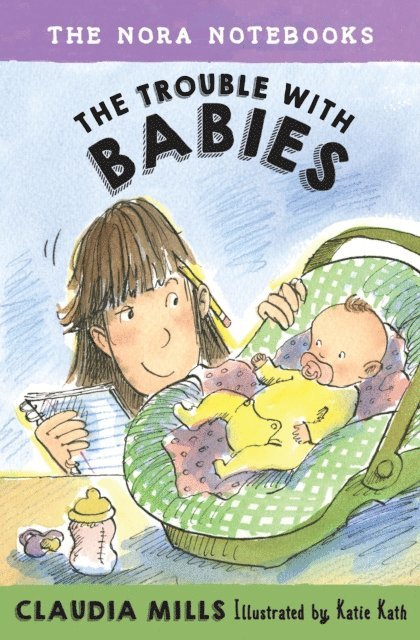
Nora Notebooks, Book 2: The Trouble with Babies
E-bok, 2016
105 kr
Lägg i varukorg
"The thought-provoking reflections on personality and growth add insight and discussability."-- The Bulletin of the Center for Children''s Books Fourth grade scientists are not meant to be babysitters. The second book in the Nora Notebooks finds Nora Alpers in unfamiliar territory. Nora Alpers has …
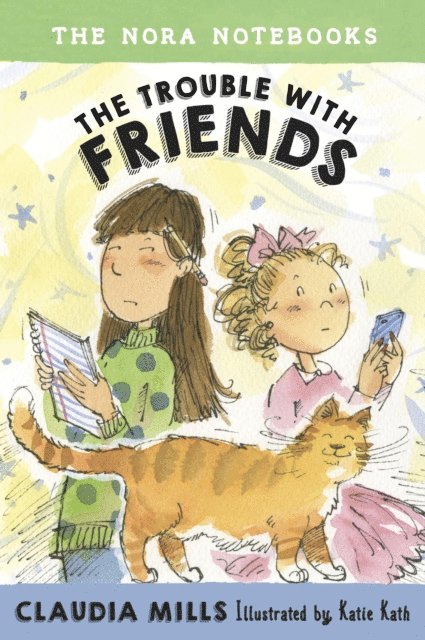
Nora Notebooks, Book 3: The Trouble with Friends
E-bok, 2017
85 kr
Lägg i varukorg
The final book in the Nora Notebooks series finds Nora trying to navigate the unscientific matter of making friends with someone you have nothing in common with. Nora Alpers, fourth-grade scientist, likes things to be just so. Her ant farm, her hobbies, her friends. So when Coach Joe, her teacher, …
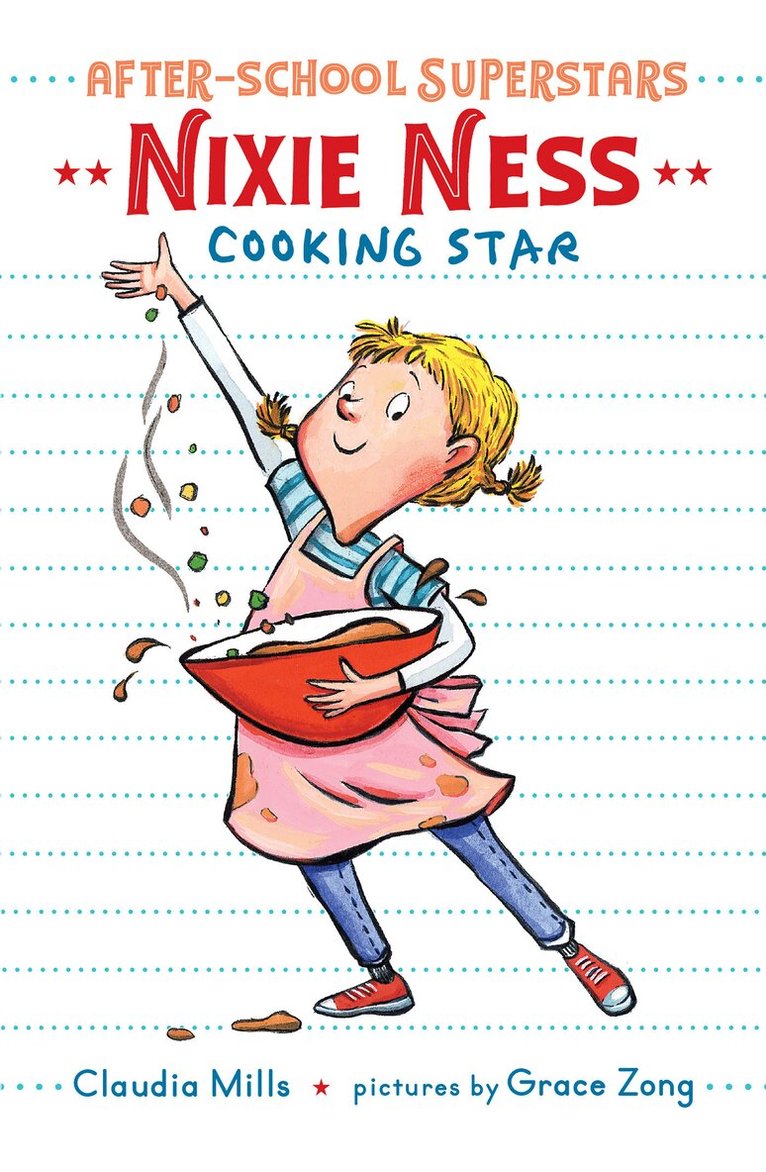
Nixie Ness: Cooking Star
Häftad, 2020
87 kr
Lägg i varukorg
Best friends Nixie and Grace spend every afternoon together . . . until Nixie's mom gets a new job and Nixie must attend the after-school program, without Grace. Third graders Nixie Ness and Grace Kenny have been best friends since they were two-years-old. They have always spent every afternoon …
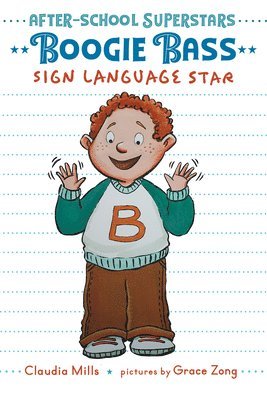
Boogie Bass, Sign Language Star
Häftad, 2021
99 kr
Lägg i varukorg
Boogie Bass feels like he can't do anything right, but when he joins an after-school American Sign Language club, he turns out to be a natural! The After-School Superstars--Nixie Ness, Vera Vance, Nolan Nada, and Boogie Bass--are back in a new after-school adventure starring Boogie. He is clumsy …
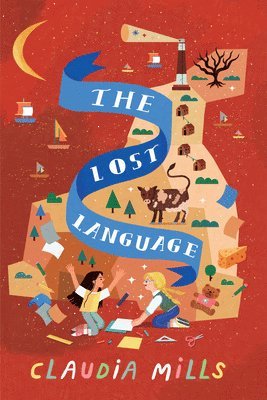
The Lost Language
Inbunden, 1900
201 kr
Lägg i varukorg
The quest to save the words of a dying language - and to find the words to save what may be a dying friendship - lies at the heart of this exquisite verse novel. Sixth grader Betsy is the one who informs her best friend, Lizard, that thousands of the world's languages are currently threatened by …
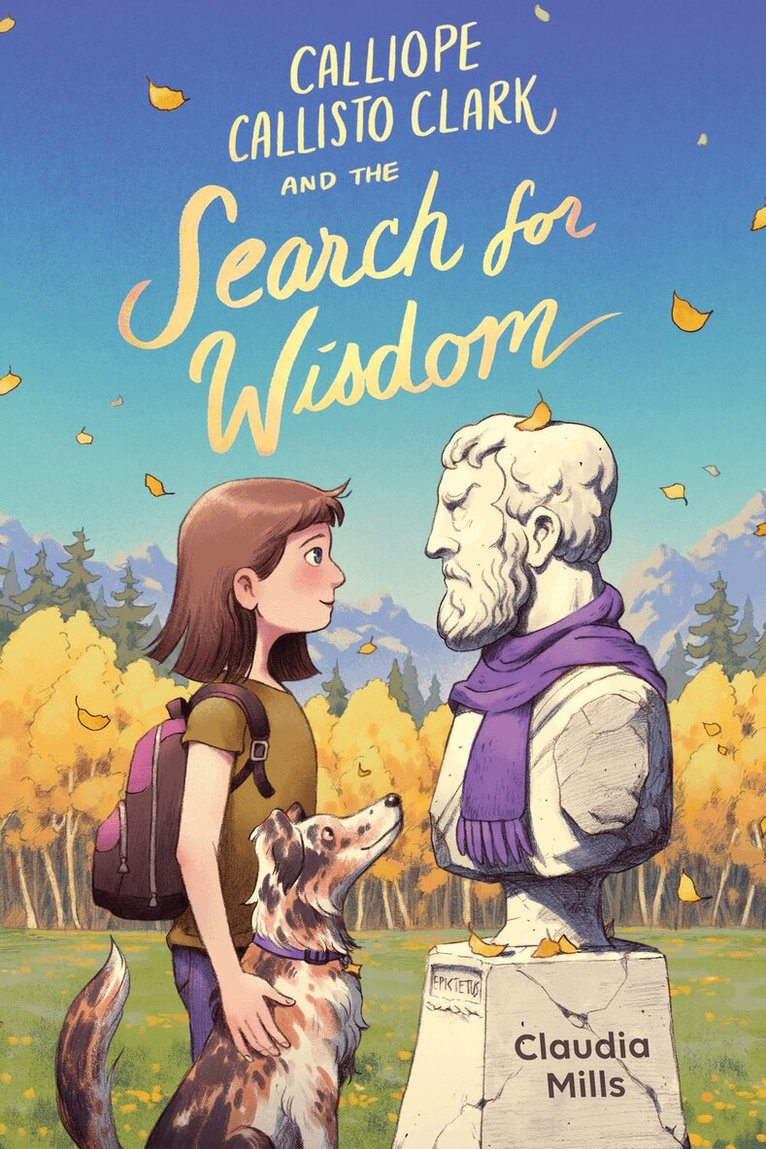
Calliope Callisto Clark and the Search for Wisdom
Inbunden, 2026
270 kr
Lägg i varukorg
"Difficult" student Callie joins a philosophy club seeking the wisdom she needs to keep her beloved but equally difficult dog in this hilarious, heartfelt middle grade novel for underdogs and dog-lovers alike! Once Callie (Calliope Callisto Clark) starts saying something, it's hard for her to stop. …
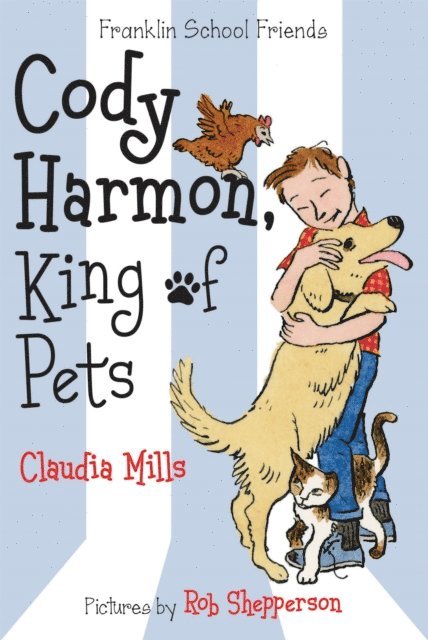
Cody Harmon, King of Pets
Häftad, 2017
120 kr
Lägg i varukorg
In book number five in the popular Franklin School Friends series, Cody Harmon stars in this story about a class pet show!
Write This Down
Häftad, 2018, 9-12 år
262 kr
Lägg i varukorg
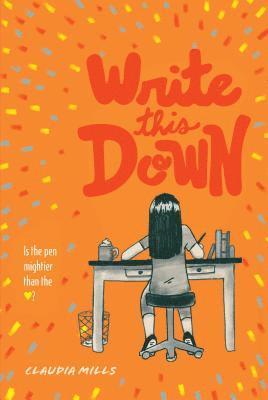
Twelve-year-old Autumn loves to write. She finds inspiration all around her, especially in Cameron, the dreamy boy in her journalism class who she has a major crush on. Then her older brother, Hunter, who used to watch out for her but has grown distant since he started high school, reads one of her …
Ethics and Children's Literature
E-bok, 2016
851 kr
Lägg i varukorg
Exploring the ethical questions posed by, in, and about children’s literature, this collection examines the way texts intended for children raise questions of value, depict the moral development of their characters, and call into attention shared moral presuppositions. The essays in Part I look at …
Ethics and Children's Literature
E-bok, 2016
857 kr
Lägg i varukorg
Exploring the ethical questions posed by, in, and about children’s literature, this collection examines the way texts intended for children raise questions of value, depict the moral development of their characters, and call into attention shared moral presuppositions. The essays in Part I look at …
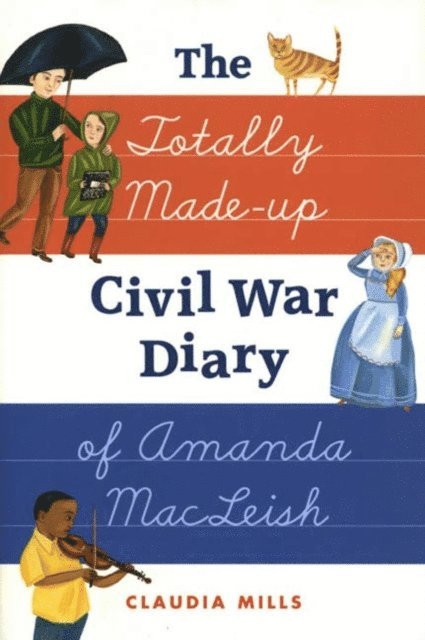
Totally Made-up Civil War Diary of Amanda MacLeish
E-bok, 2008
182 kr
Lägg i varukorg
Amanda MacLeish might be the only student in Mr. Abrams''s fifth-grade class who doesn''t mind doing her homework. Now that her father has left home and moved into a motel, the only thing that brings Amanda any joy is writing her fictional diary entries about a young girl named Polly who lives amid …