Clinton Rossiter – författare
Visar alla böcker från författaren Clinton Rossiter. Handla med fri frakt och snabb leverans.
8 produkter
8 produkter
93 kr
Tillfälligt slut
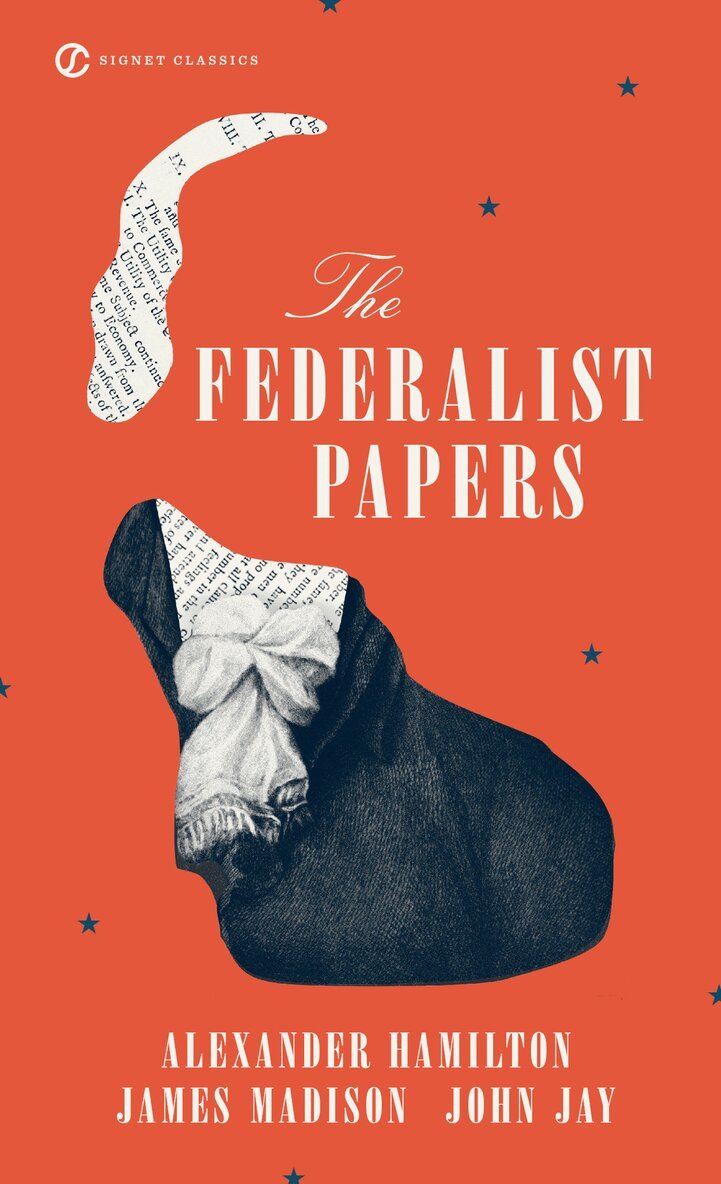
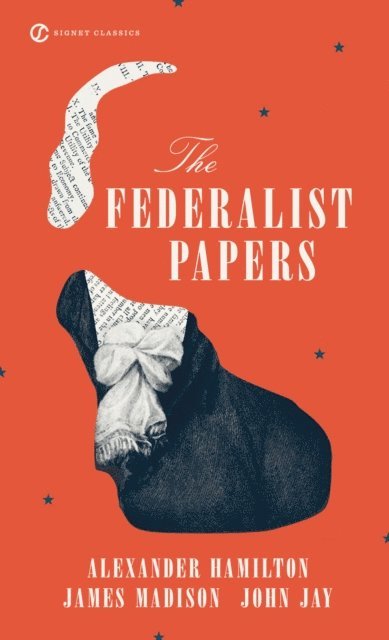
A DOCUMENT THAT SHAPED A NATIONAn authoritative analysis of the Constitution of the United States and an enduring classic of political philosophy. Written by Alexander Hamilton, James Madison, and John Jay, The Federalist Papers explain the complexities of a constitutional government—its political structure and principles based on the inherent rights of man. Scholars have long regarded this work as a milestone in political science and a classic of American political theory. Based on the original McLean edition of 1788 and edited by noted historian Clinton Rossiter, this special edition includes: ● Textual notes and a select bibliography by Charles R. Kesler ● Table of contents with a brief précis of each essay ● Appendix with a copy of the Constitution cross-referenced to The Federalist Papers ● Index of Ideas that lists the major political concepts discussed ● Copies of The Declaration of Independence and Articles of Confederation
673 kr
Skickas inom 10-15 vardagar
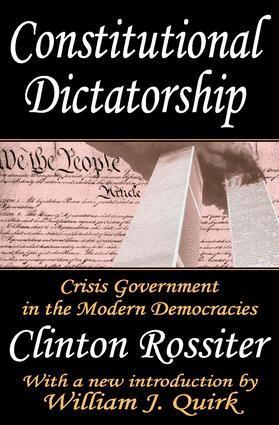
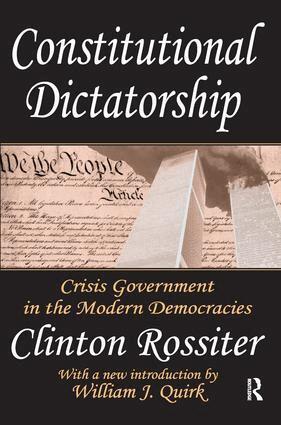
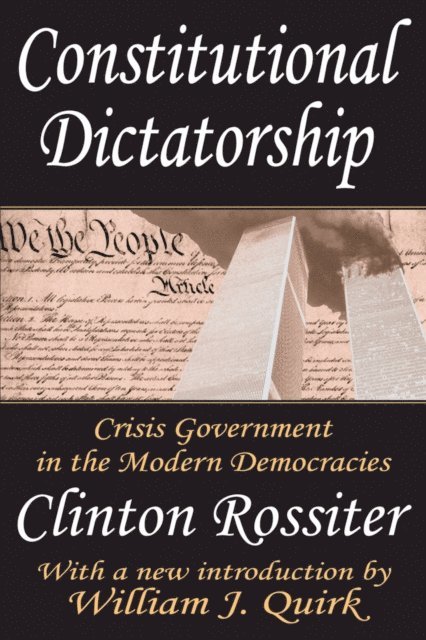
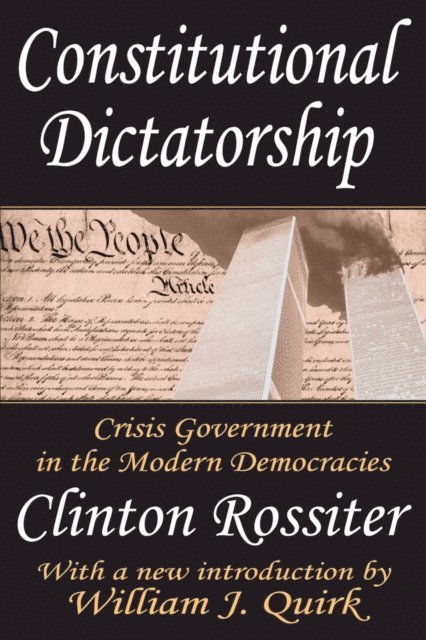
How should the United States be governed during times of crisis? Definitely not as we are in times of tranquility, asserts this classic study. The war on terrorism is a case in point. The horrors of terror attacks on the United States have forced Americans to accept legislative changes that might be unthinkable at other times. The "inescapable truth," Clinton Rossiter wrote in his classic study of modern democracies in crisis, is that "No form of government can survive that excludes dictatorship when the life of the nation is at stake."In an insightful introduction, William Quirk places Rossiter's work in the context of the new century and the current war on terrorism. Constitutional Dictatorship examines the experiences with emergency government of four large modern democracies-the United States, Great Britain, France, and the German Republic of 1919-1933-to see what unusual powers and procedures these constitutional states employed in their various periods of national trial.Rossiter's concept of a "constitutional dictatorship" may be more shocking today than when he wrote the book. Based on a thoroughgoing study of the use of emergency powers in modern democracies, he determined that the facts of history demonstrate that there are occasions when constitutional dictatorship has served as an indispensable factor in maintaining constitutional democracy. Supreme Court doctrine does not recognize any implied presidential power to suspend the Constitution. However, Rossiter believes this view to be inaccurate. He defends his view through analysis of presidential action during the Civil War, World I, the Depression, and World War II, arguing that when the normal rules are not sufficient other rules take hold.Rossiter proposed specific criteria by which to judge the worth and propriety of any resort to constitutional dictatorship. He provides a clear roadmap for both citizen and Congress to judge an executive's actions. In his introduction, Quirk notes that Rossiter's concept-the rapid return to normal government when the crisis is concluded-rests on a premise that appears to be missing today. This volume will be essential reading for those interested in politics, constitutional law, and American history.
676 kr
Skickas inom 10-15 vardagar
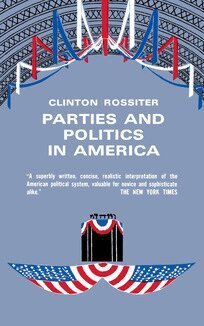
A distinguished historian and political scientist provides a forthright and objective account of American party politics in this concise and invaluable guide. In vigorous and lively language he examines the two major parties—"the peacemakers of the American community"—describing their historic functions and the way they have helped to achieve national unity.He discusses their make-up, their achievements and failures, the images each has established of itself and of the opposition party. The demographic forces influencing the American voter and the complex question of how the parties actually differ receive thought-provoking treatment.This invigorating analysis of the hard facts of American political life will live far beyond the election year of 1960.
1 433 kr
Skickas inom 10-15 vardagar
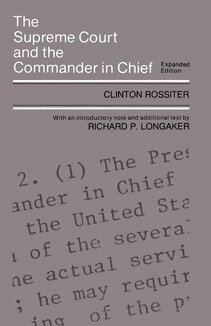
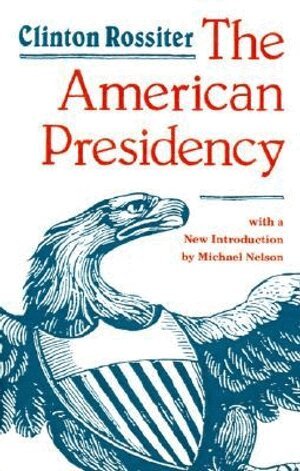
A concise treatment of presidential power by a brilliant writer is once again made available with the reissue of this book, first published in 1951. The book is brought superbly up to date by one of Rossiter's former students, Richard P. Longaker. New material covers vital events of the past twenty-five years, including the steel seizure and the dispatch of troops to Korea under Truman, civil disturbances and the Gulf of Tonkin episode under Johnson, the Pentagon Papers case, and the confrontation between Nixon and the Supreme Court.
363 kr
Skickas inom 10-15 vardagar
A distinguished historian and political scientist provides a forthright and objective account of American party politics in this concise and invaluable guide. In vigorous and lively language he examines the two major parties—"the peacemakers of the American community"—describing their historic functions and the way they have helped to achieve national unity.He discusses their make-up, their achievements and failures, the images each has established of itself and of the opposition party. The demographic forces influencing the American voter and the complex question of how the parties actually differ receive thought-provoking treatment.This invigorating analysis of the hard facts of American political life will live far beyond the election year of 1960.
626 kr
Skickas inom 3-6 vardagar
A concise treatment of presidential power by a brilliant writer is once again made available with the reissue of this book, first published in 1951. The book is brought superbly up to date by one of Rossiter's former students, Richard P. Longaker. New material covers vital events of the past twenty-five years, including the steel seizure and the dispatch of troops to Korea under Truman, civil disturbances and the Gulf of Tonkin episode under Johnson, the Pentagon Papers case, and the confrontation between Nixon and the Supreme Court.
365 kr
Skickas inom 7-10 vardagar
2 113 kr
Skickas inom 10-15 vardagar
How should the United States be governed during times of crisis? Definitely not as we are in times of tranquility, asserts this classic study. The war on terrorism is a case in point. The horrors of terror attacks on the United States have forced Americans to accept legislative changes that might be unthinkable at other times. The "inescapable truth," Clinton Rossiter wrote in his classic study of modern democracies in crisis, is that "No form of government can survive that excludes dictatorship when the life of the nation is at stake."In an insightful introduction, William Quirk places Rossiter's work in the context of the new century and the current war on terrorism. Constitutional Dictatorship examines the experiences with emergency government of four large modern democracies-the United States, Great Britain, France, and the German Republic of 1919-1933-to see what unusual powers and procedures these constitutional states employed in their various periods of national trial.Rossiter's concept of a "constitutional dictatorship" may be more shocking today than when he wrote the book. Based on a thoroughgoing study of the use of emergency powers in modern democracies, he determined that the facts of history demonstrate that there are occasions when constitutional dictatorship has served as an indispensable factor in maintaining constitutional democracy. Supreme Court doctrine does not recognize any implied presidential power to suspend the Constitution. However, Rossiter believes this view to be inaccurate. He defends his view through analysis of presidential action during the Civil War, World I, the Depression, and World War II, arguing that when the normal rules are not sufficient other rules take hold.Rossiter proposed specific criteria by which to judge the worth and propriety of any resort to constitutional dictatorship. He provides a clear roadmap for both citizen and Congress to judge an executive's actions. In his introduction, Quirk notes that Rossiter's concept-the rapid return to normal government when the crisis is concluded-rests on a premise that appears to be missing today. This volume will be essential reading for those interested in politics, constitutional law, and American history.