C.M. Davis – författare
Visar alla böcker från författaren C.M. Davis. Handla med fri frakt och snabb leverans.
4 produkter
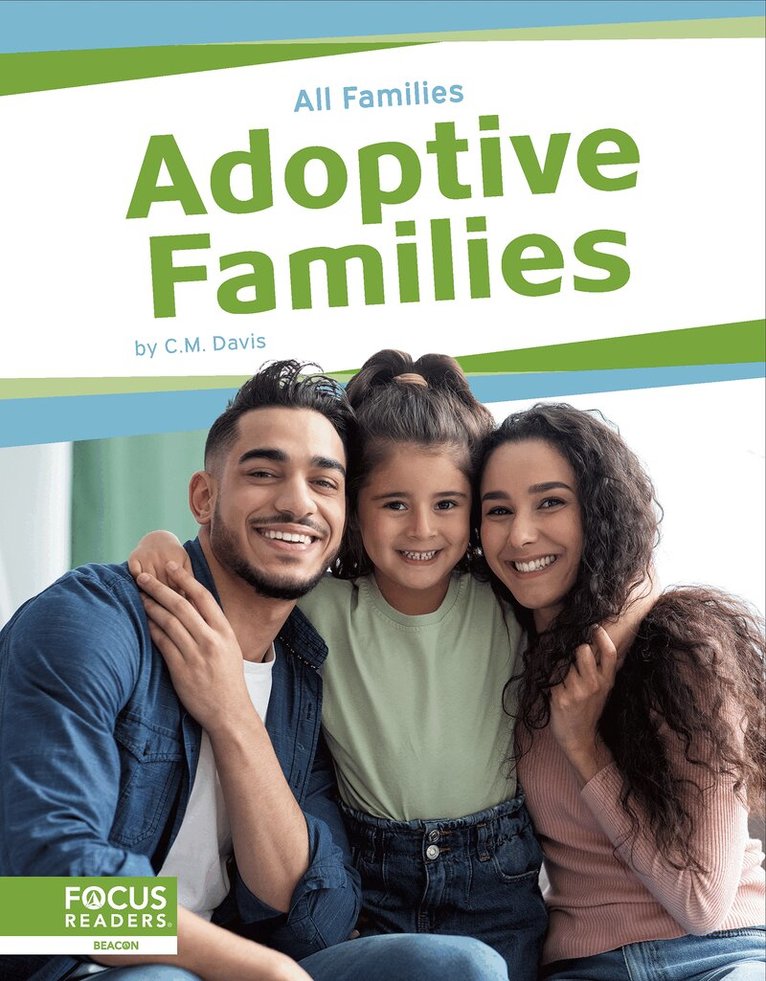
Adoptive Families
Av C.M. Davis
Inbunden, 2023
384 kr
Lägg i varukorg
This compassionate book explores the dynamics of adoptive families. Young readers learn about the different kinds of adoptive families, the ways they form, the challenges they can face, and strategies for working through those challenges. This book also features a “Many “Identities special feature, …
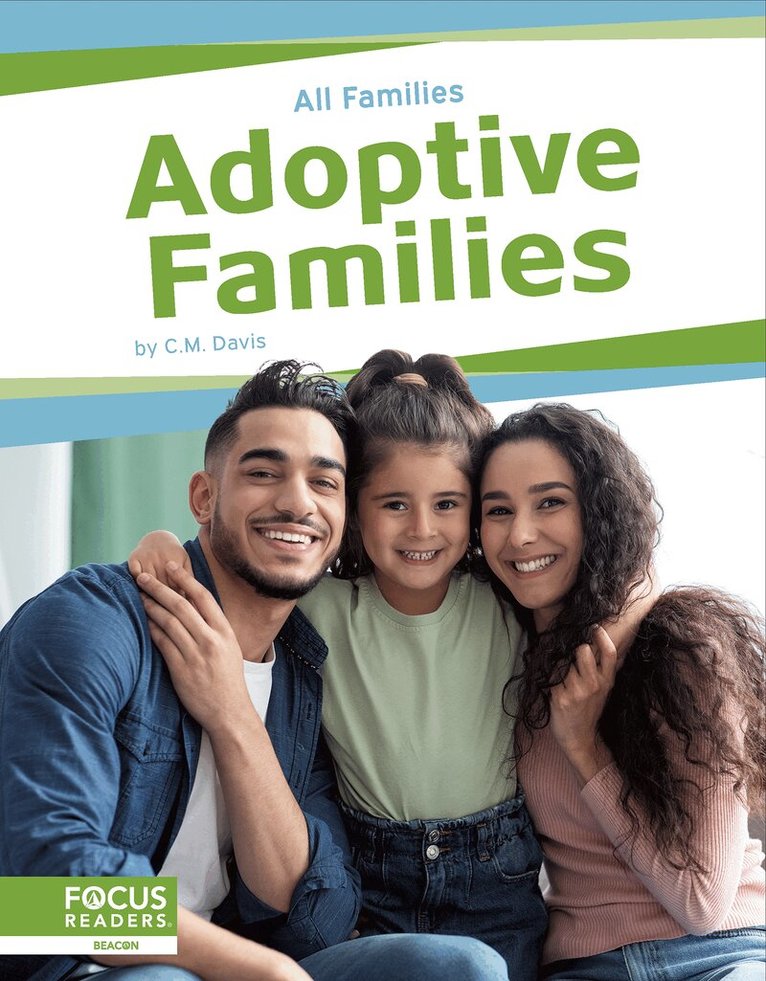
Adoptive Families
Av C.M. Davis
Häftad, 2023
134 kr
Lägg i varukorg
This compassionate book explores the dynamics of adoptive families. Young readers learn about the different kinds of adoptive families, the ways they form, the challenges they can face, and strategies for working through those challenges. This book also features a “Many “Identities special feature, …
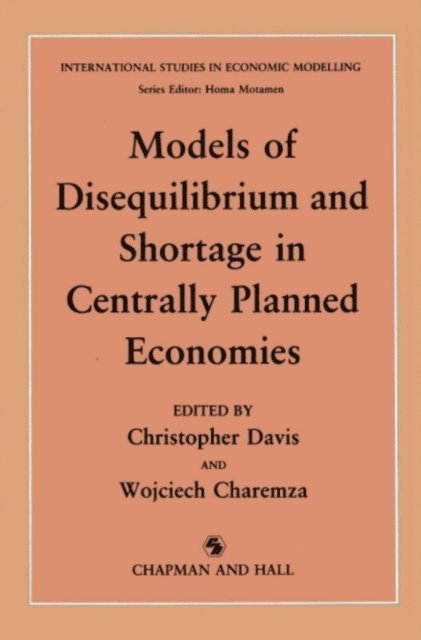
Models of Disequilibrium and Shortage in Centrally Planned Economies
E-bok, 2012
710 kr
Lägg i varukorg
The centrally planned economies (CPEs) of the Soviet Union and Eastern Europe have experienced severe imbalances in domestic and external markets over the past several decades. As a result, they have been chronically afflicted by problems such as excess demand, repressed inflation, deficits of …
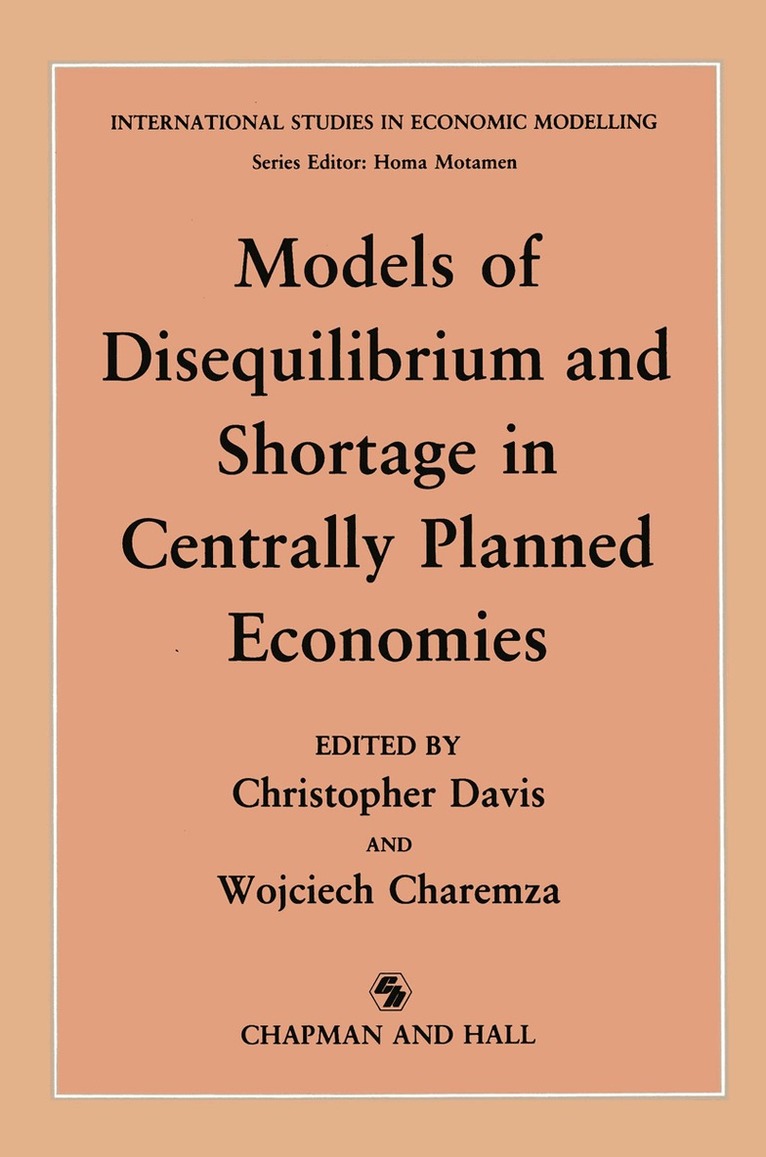
Models of Disequilibrium and Shortage in Centrally Planned Economies
Häftad, 2012
552 kr
Lägg i varukorg
The centrally planned economies (CPEs) of the Soviet Union and Eastern Europe have experienced severe imbalances in domestic and external markets over the past several decades. As a result, they have been chronically afflicted by problems such as excess demand, repressed inflation, deficits of …