Colin J. Howat - Böcker
Visar alla böcker från författaren Colin J. Howat. Handla med fri frakt och snabb leverans.
13 produkter
13 produkter
172 kr
Skickas
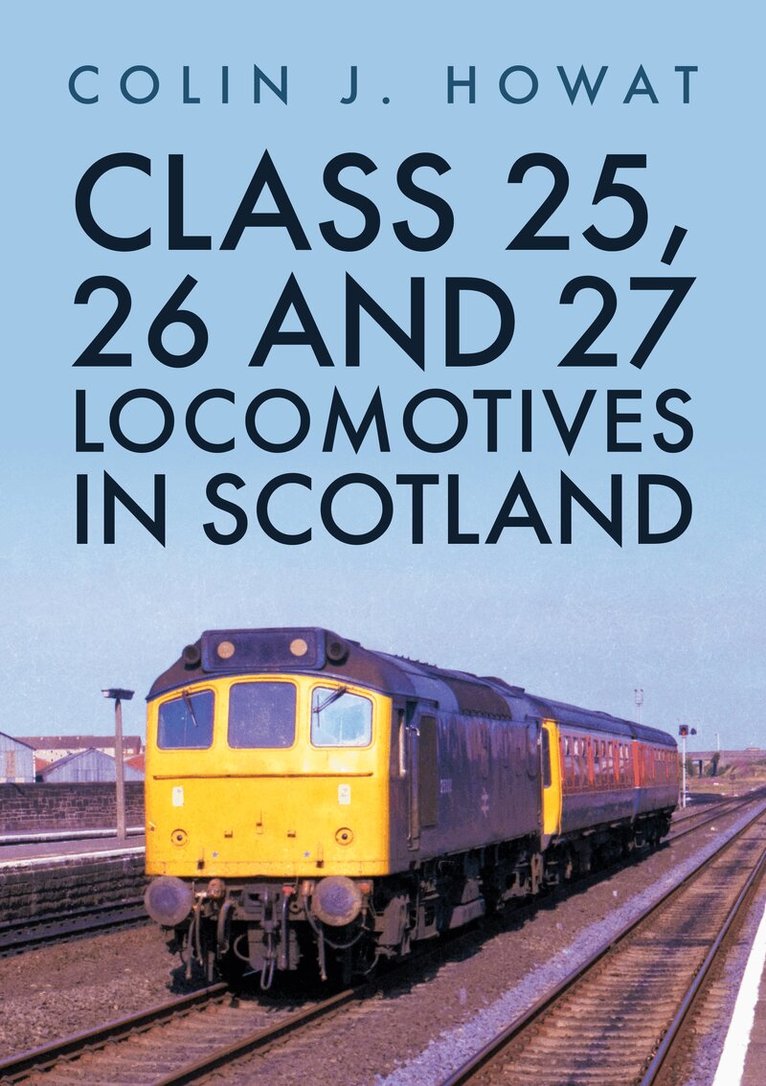
These locomotives were introduced to British Rail in 1956 and were initially allocated to Eastfield Depot in Glasgow and Haymarket Depot in Edinburgh. They became known as Type 2s and were used for both passenger and freight services. In later years the Class 26 fleet became dedicated to various coal workings in the Ayrshire area. A number of Class 27 locos were later converted for push-pull operation on the busy Glasgow Queen Street–Edinburgh service from 1971 and lasted until 1980.This book covers all three classes from the BR era through to privatisation and beyond. All classes carried out sterling work all over Scotland and some are now preserved at various heritage lines throughout Scotland.
178 kr
Skickas
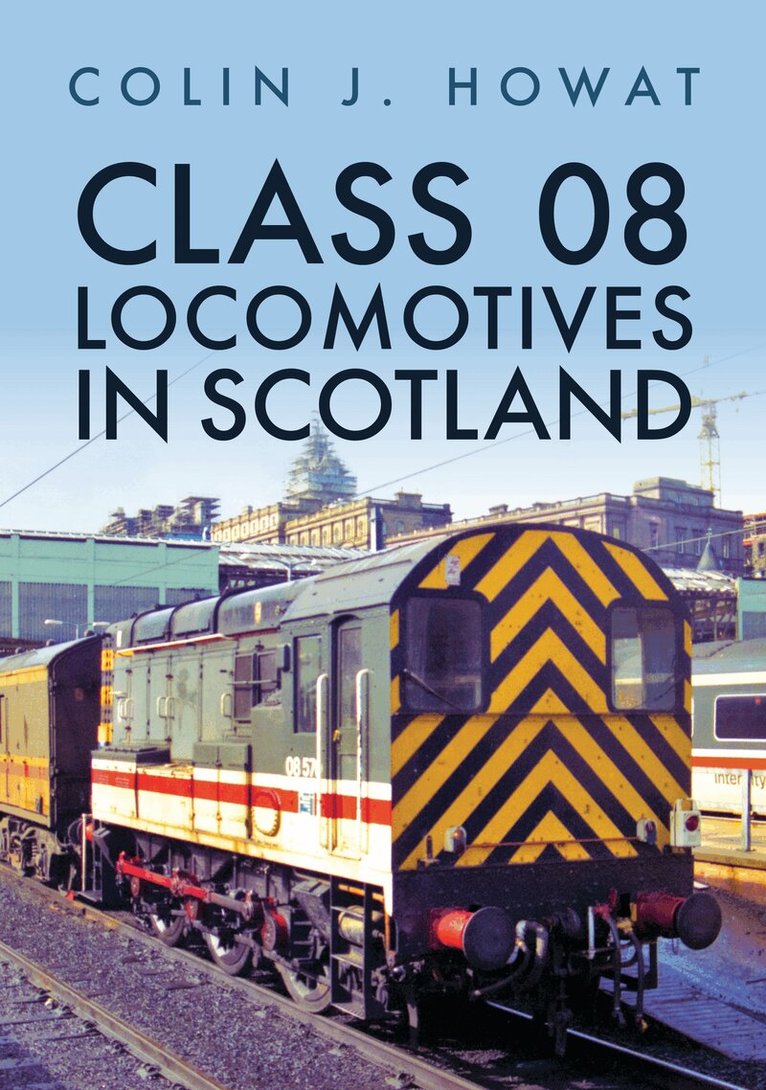
Since their introduction in the 1950s, the Class 08, the most common type of British Rail shunter, has been found in almost every area of the UK. These machines carried out the shuntings and movements around stations and yards, with most depots carrying an allocation. A number have survived into preservation, but at one time more than 200 could be found in Scotland. This book covers 08s from the BR era through privatisation and beyond, and features a range of different locations around Scotland.With a wealth of previously unpublished images, this book will delight Scottish rail enthusiasts both young and old.
178 kr
Skickas
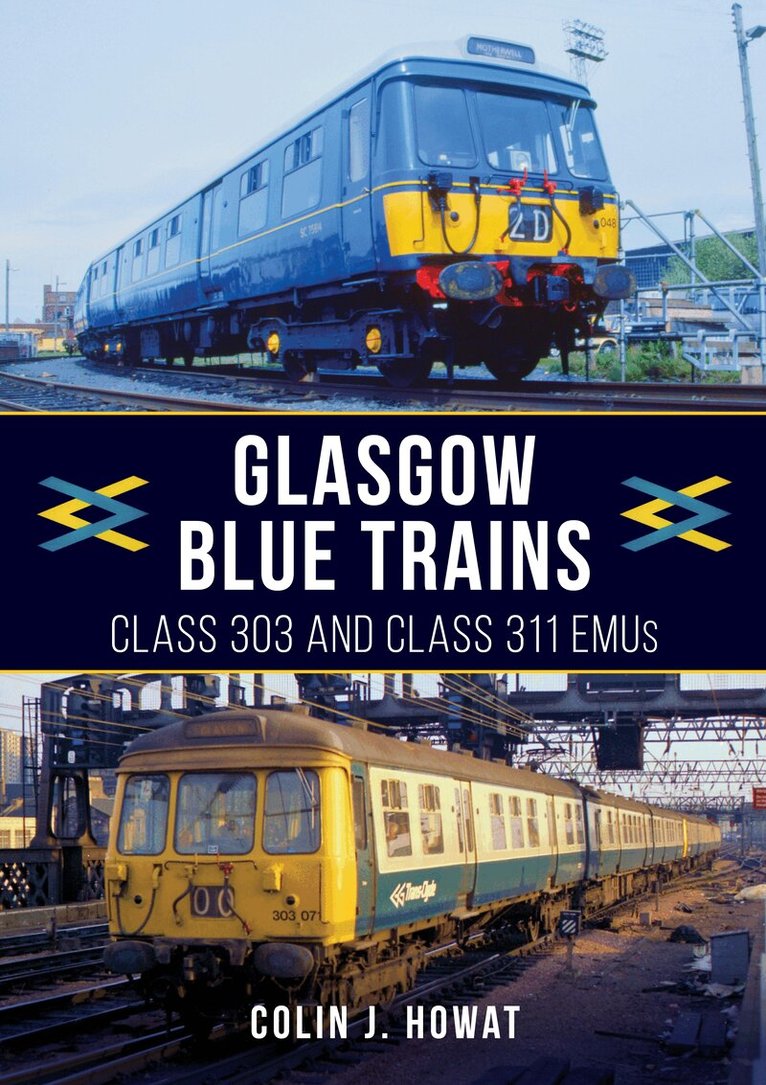
These units were used by British Rail from the start of electrification in Glasgow in 1960. Initially the units worked between Helensburgh Central and Airdrie and various branch lines on the North Clyde area. They were later introduced to the South Clyde area in 1962, working from Glasgow Central to various destinations. This book covers both classes from the BR era through to privatisation and beyond. With the advent of more modern multiple units such as the Class 314 from 1979, a reduction in the use of the Class 303 and Class 311 took place.One Class 303 has survived into preservation at Bo’ness, and part of a Class 311 unit is based at the Summerlee Heritage Centre at Coatbridge near Glasgow.
172 kr
Skickas
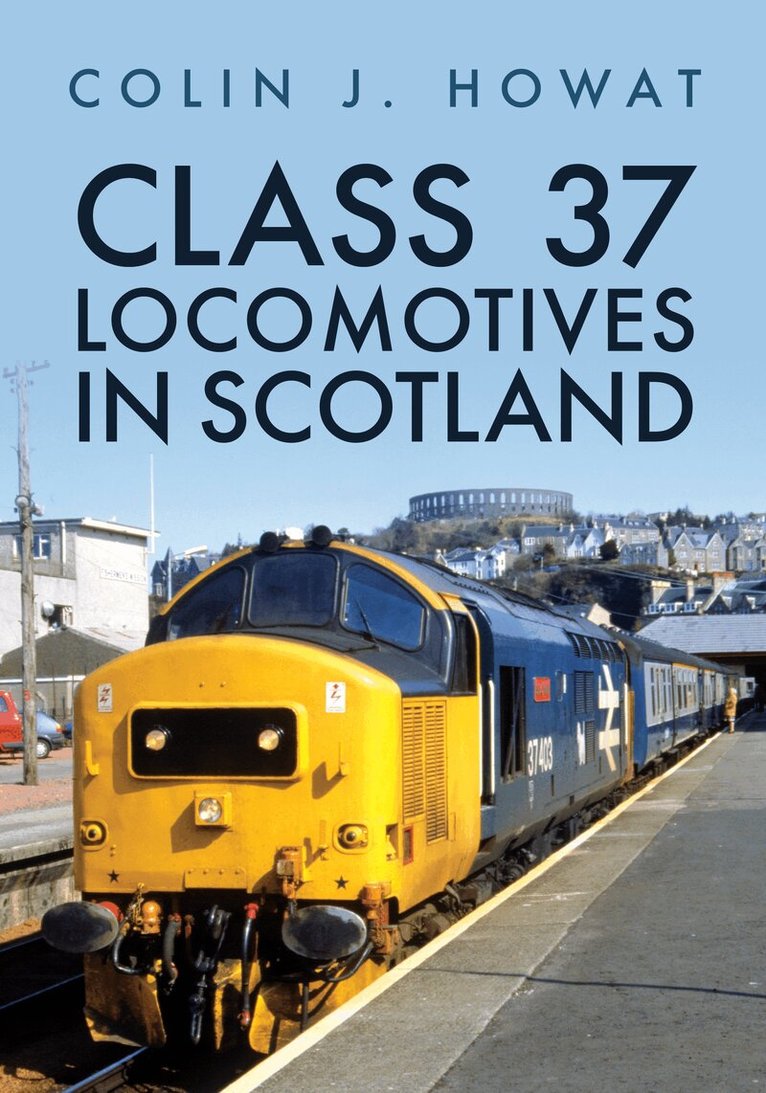
Class 37 Locomotives were introduced to British Rail from 1960 onwards and eventually numbered 309. In Scotland, they were initially allocated to Eastfield and Polmadie depots in Glasgow and Haymarket Depot in Edinburgh. They became known as Type 3s and were used for both passenger and freight services. In later years, during the privatisation era, the Class 37 fleet became dedicated to various coal workings in the Ayrshire and Lothian areas. A number of the class were also upgraded at Crewe Works in the mid-1980s with electric train heating (ETH) for the West Highland and North Highland routes.This book covers the class from the mid-1970s in the BR era, through sectorisation and on to privatisation and beyond. The locos performed reliably and worked all over Scotland. Some are now preserved at various heritage lines throughout the United Kingdom.
178 kr
Skickas
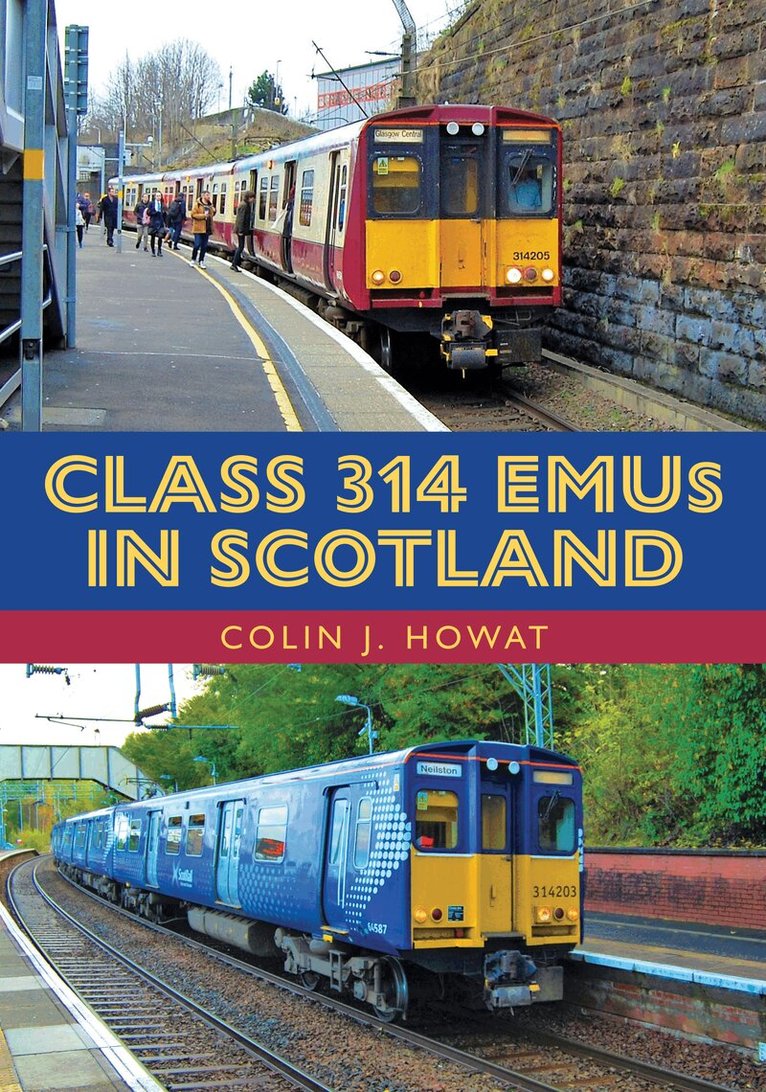
Class 314 EMUs were used by British Rail with the reopening of the Argyle Line, which ran under Glasgow Central high-level station. These services commenced from November 1979. The 314s initially worked the Argyle Line between Motherwell and Dalmuir. They were also gradually deployed from 1980 on the rest of the North Glasgow electric system and were initially allocated to Hyndland Depot. They offered faster acceleration over the old ‘Blue Trains’ and were popular with both the public and traincrews. From 2001, they were redeployed to the Glasgow South electric system and worked services between Glasgow Central and Gourock, Wemyss Bay, Neilston, Newton and the Cathcart Circles. In later years, they also made occasional appearances to Ayr, Ardrossan and Largs. They finally finished in service in December 2019. One set has survived into preservation and is based at the Scottish Railway Preservation Society at Bo’ness.This selection of rare and previously unpublished images celebrates the history of these long-serving Electric Multiple Units.
178 kr
Skickas
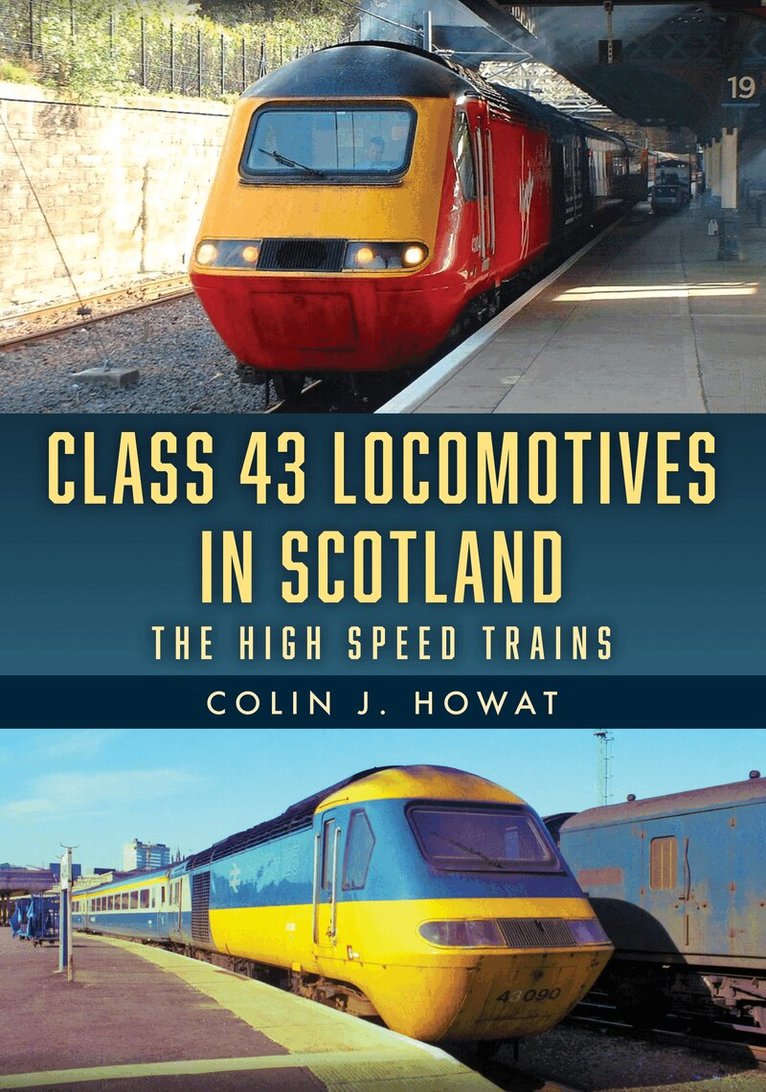
Class 43 locomotives were introduced to British Rail from 1976 onwards and eventually numbered 197 in total. In Scotland, they were initially allocated to Craigentinny Depot in Edinburgh and later to Inverness and in recent years to Cadder Depot, near Glasgow. They became known as High Speed Trains, or HSTs, and initially ran on the east coast route between Edinburgh and London King’s Cross. In later years, the fleet spread their wings to many other parts of Scotland and even worked charters to Fort William and Stranraer. A number of the locos were also upgraded at Crewe Works in the mid-1990s and re-fitted with Mirrlees Blackstone engines which were more environmentally friendly. This book documents the class from the late 1970s in the BR era through to privatisation and beyond. These locos have performed reliably and worked all over Scotland, and some are now preserved at various heritage lines throughout the United Kingdom.With a wealth of previously unpublished images, this book will delight Scottish rail enthusiasts both young and old.
178 kr
Skickas
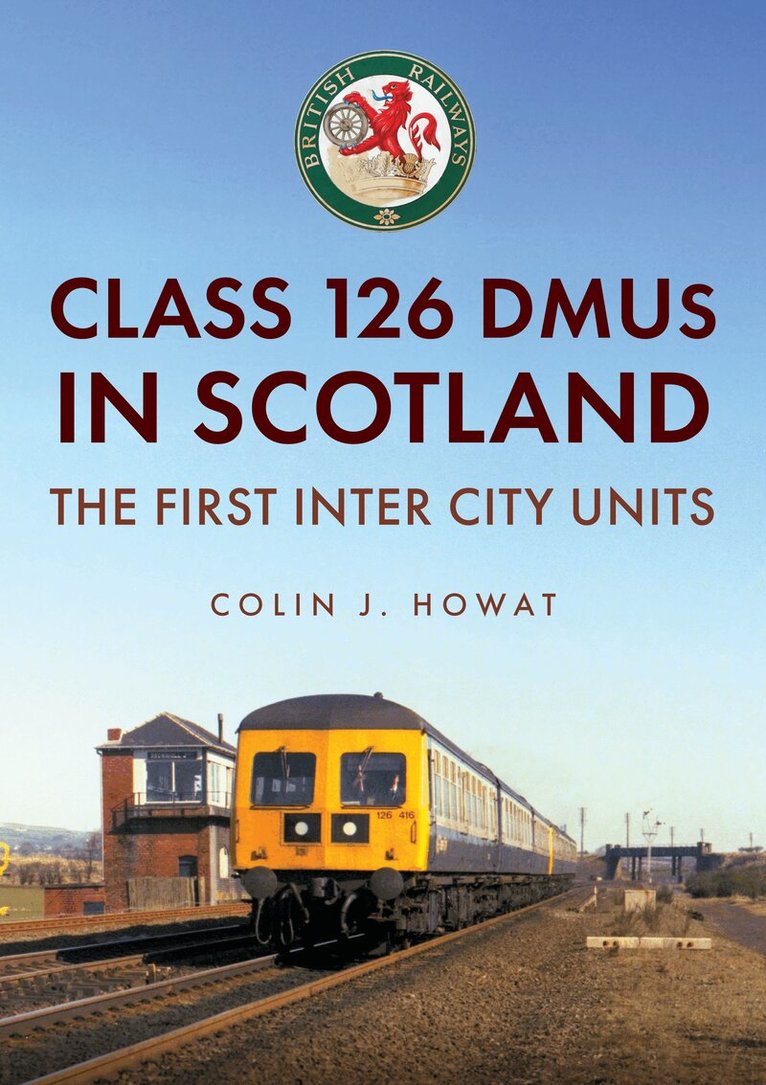
Class 126 diesel multiple units were introduced to Scotland from 1956. Initially, they were diagrammed to work between Edinburgh Waverley and Glasgow Queen Street. In 1959, a second batch was introduced with slight design changes, and these were used on the Glasgow St Enoch to Ayr and Stranraer Harbour workings. The Edinburgh units were always based at Leith Central and the later builds were based at Ayr Depot. They became known as Inter City units as they initially connected up Edinburgh and Glasgow with faster end-to-end journey times compared with their steam forerunners. The Ayr-based units were later moved to work from Glasgow Central. Both fleets have worked charters on to the West Highland Lines and other routes. This book illustrates the class from introduction in the mid-1950s until withdrawal from British Rail in 1983. Four coaches have subsequently been preserved at the Bo’ness and Kinneil Railway.With a wealth of previously unpublished images, this book will delight Scottish rail enthusiasts both young and old.
178 kr
Kommande
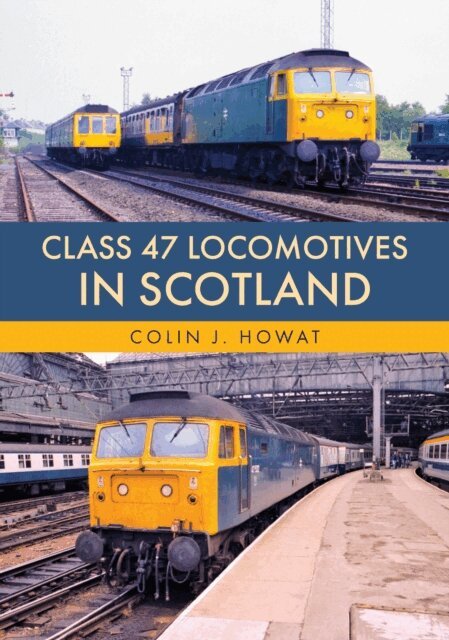
Class 47 locomotives were introduced to British Rail from 1962 onwards and eventually reached over 500 in total. In Scotland, they were allocated to Haymarket depot, Edinburgh, and later to Inverness and Eastfield depot, north of Glasgow. They became known as a jack-of-all-trade-type locomotive and could be seen hauling anything from small freight trains to the more prestigious passenger workings. In later years they also worked between Glasgow Queen Street and Edinburgh. These particular trains were known as the ‘Push Pulls’ as the Class 47 could be driven from a DBSO coach which saved valuable time at terminal stations. They were also utilised on royal trains and have worked charters to Fort William, Mallaig and Kyle of Lochalsh. Class 47 locomotives received many upgrades over the years including the fitting of ETS (Electric Train Supply) for heating and lighting to work with more advanced coaching stock. These locomotives worked all over Scotland and some are now preserved at various heritage lines. With fascinating images and informative captions, Colin Howat documents the Class 47 locomotive from the late 1960s into the BR era and through to privatisation and beyond.
178 kr
Kommande
These diesel multiple units were introduced to Scotland from 1960. They were originally allocated to Hamilton depot. They initially worked services on the south side of Glasgow. This included the Glasgow St Enoch to East Kilbride, Kilmacolm, Hamilton Circle, Largs and Ardrossan services. Later, after the closure of St Enoch in 1966, they were deployed between Glasgow Central and Edinburgh via Shotts. They were known as the Derby Heavyweights as they had heavy bodywork and later classified as the Class 107. After Hamilton Depot closed in 1982 they transferred to Ayr depot. Later on they went to Eastfield and Haymarket depots. Most were withdrawn from traffic by 1991. Some were converted to Sandite units but were all gone by 1994. In the early years, some worked charters onto the West Highland Lines. This book covers the class from their introduction in 1960 until their withdrawal from British Rail in 1991. Various sets made into preservation including the Speyside Railway at Aviemore and the Fife Heritage Railway.
168 kr
Skickas inom 11-20 vardagar
In the 1960s, there were still steam locomotives based at Ayr depot and a wealth of branch lines crossed the Ayrshire countryside. Although there was a wave of closures following the Beeching Report, by the 1980s it was decided that what railways were left were worth keeping and some stations such as Kilmaurs and New Cumnock were re-opened. This book takes a look at railway traction in Ayrshire, including at Kilmarnock, Largs, Greenburn, Irvine, Hunterston and Ardrossan Harbour.Colin J. Howat, who has lived in Ayrshire all his life and spent many years working in the rail industry, uses his wonderful collection of colour and black and white photographs to document the last forty years of diesel and electric traction in Ayrshire, including both passenger and freight trains.
167 kr
Skickas inom 11-20 vardagar
Strathclyde Traction covers the former Strathclyde Region Council area of the west of Scotland, stretching from the southern end of the Western Highlands to the Southern Uplands, which was formed by merging the city of Glasgow with the counties of Ayr, Bute, Dumbarton, Lanark, Renfrew, Stirling and parts of Argyll. Their logo was carried on the side of some of the trains shown in this book.Using his fantastic collection of photographs, Colin J. Howat explores the fascinating variety of traction that has been seen in this area over the past forty years. Locations featured include closed lines such as High Street to Bridgeton Cross, Balloch Pier and Paisley Canal to Kilmacolm.
168 kr
Skickas inom 11-20 vardagar
Electric Locomotives on Scottish Railways covers virtually the whole of the electrified network across Scotland. The first electrification took place on the north side of Glasgow from 1960 when the Airdrie to Helensburgh line and branches in between were done. This was followed closely by the south side of Glasgow when electrification spread to the Cathcart Circle, Neilston and Newton areas. In 1967, the lines between Glasgow Central and Gourock along with the Wemyss Bay branch were added to the system. Progress throughout Central Scotland has been steady since, with approximately 40 per cent of the whole network now electrified. One of the most popular electric locos on the network was the Class 86. These locos could be found working anything from small shunt moves in yards to express services until the mid-2000s when Virgin introduced Class 390 EMUs.This book covers electric locos from humble Class 81s up to and including Class 92s, with images from 1974 until the present day.
168 kr
Skickas
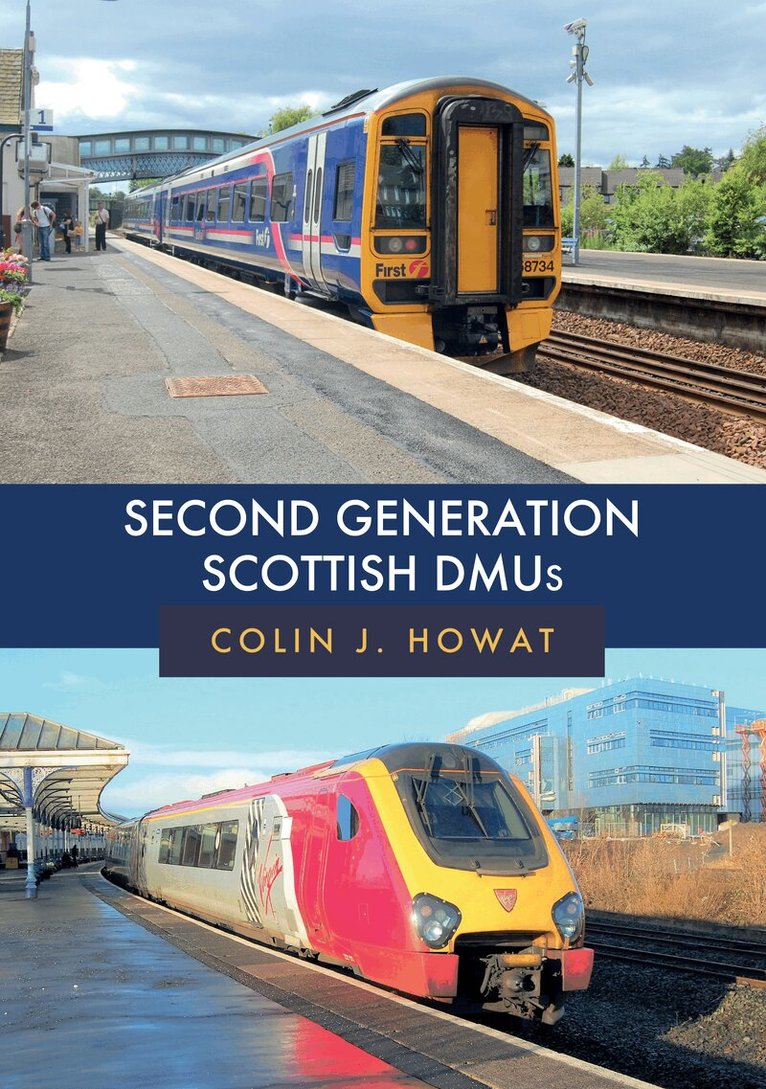
Second Generation DMUs in Scotland covers the modern diesel multiple units introduced by BR from 1981. It features locations from across Scotland, and also looks at Carlisle. This book covers units from the experimental Class 140s, introduced in 1981, to contemporary examples including Class 185s still in use with TransPennine Express. Possibly the best unit introduced to Scotland are the Class 156 units based at Corkerhill depot in Glasgow. These units can be found working from Newcastle to Mallaig. The new generation of DMU fleets can go faster and travel further and have generated a huge following.Here, Colin J. Howat combines previously unseen historical black-and-white photography with modern digital examples to tell their story.