Colin Poulton - Böcker
Visar alla böcker från författaren Colin Poulton. Handla med fri frakt och snabb leverans.
2 produkter
2 produkter
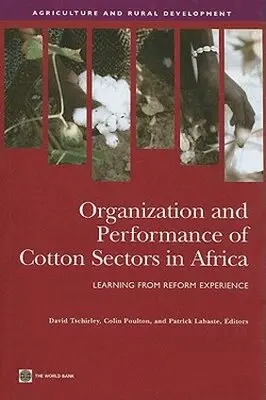
Organization and Performance of Cotton Sectors in Africa
Learning from Reform Experience
Häftad, Engelska, 2009
273 kr
Skickas inom 10-15 vardagar
Cotton is a rare economic success story in Sub-Saharan Africa. While the continent's share of the world's agricultural trade fell by about half from 1980 to 2005, its share of world cotton exports more than doubled. Cotton is a major source of foreign exchange earnings in more than 15 countries of the continent and is a crucial source of income for millions of rural people. ""Organization and Performance of Cotton Sectors in Africa"" provides an in-depth comparative analysis of the outcomes of the reforms that have been implemented in Sub-Saharan cotton sectors and of the linkages between sector organization and performance. The book highlights challenges facing cotton sectors in Sub-Saharan Africa and demonstrates how reform in the sectors is the key to sustaining growth, improving competitiveness and reducing rural poverty. It provides national and regional policy makers with a number of recommendations based upon the observable lessons of past reform programs.
Smallholder Cash Crop Production Under Market Liberation
A New Institutional Economics Perspective
Inbunden, Engelska, 1998
1 372 kr
Skickas inom 7-10 vardagar
‘Pro poor’ economic growth is widely recognised as an important means for reducing poverty in developing countries. With the majority of the world’s poor living in rural areas, agricultural intensification, with higher land and labour productivity from increased integration in input and output markets, is one way to expand income and livelihood opportunities for rural people. This book uses a new institutional economics perspective to review the effects of market liberalisation on service provision to smallholder farmers. In many parts of the world, particularly in Sub-saharan Africa, the private sector has failed to fill the gaps left by the collapse of state supported input and credit supply systems. Using case studies from Ghana, Tanzania and Pakistan, the book investigates the difficulties facing the private sector in supplying inputs and credit and the conditions required for sustainable private sector investment to the benefit of rural people. The analysis has important lessons for donor and government policy makers and for companies wishing to make commercial investments. It is invaluable for researchers, academics and development agencies concerned with rural and agricultural economics and development.