Cora Chan – författare
Visar alla böcker från författaren Cora Chan. Handla med fri frakt och snabb leverans.
7 produkter
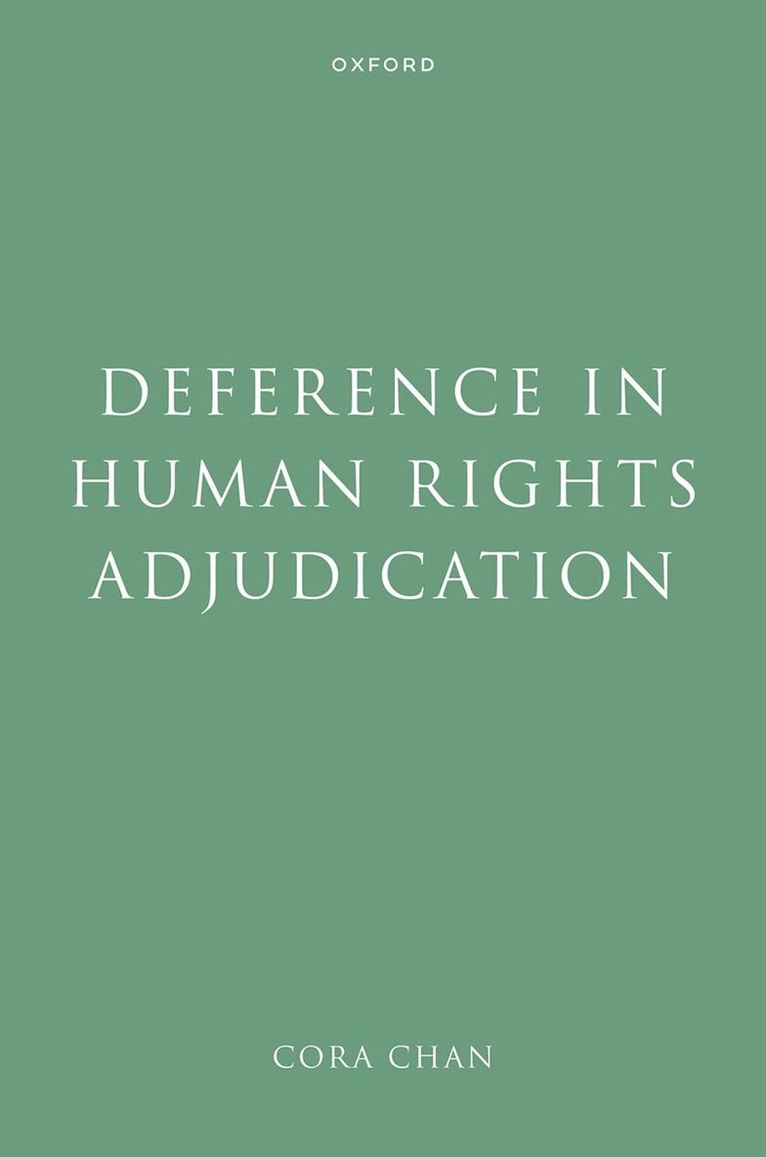
Deference in Human Rights Adjudication
Av Cora Chan
Inbunden, 2024
1226 kr
Lägg i varukorg
In human rights adjudication, courts sometimes face issues that they lack the expertise or constitutional legitimacy to resolve. One way of dealing with such issues is to 'defer', or accord a margin of appreciation, to the judgments of public authorities. This raises two important questions: what …
Deference in Human Rights Adjudication
Av Cora Chan
E-bok, 2024
1265 kr
Lägg i varukorg
In human rights adjudication, courts sometimes face issues that they lack the expertise or constitutional legitimacy to resolve. One way of dealing with such issues is to ''defer'', or accord a margin of appreciation, to the judgments of public authorities. This raises two important questions: what …
Deference in Human Rights Adjudication
Av Cora Chan
E-bok, 2024
1265 kr
Lägg i varukorg
In human rights adjudication, courts sometimes face issues that they lack the expertise or constitutional legitimacy to resolve. One way of dealing with such issues is to ''defer'', or accord a margin of appreciation, to the judgments of public authorities. This raises two important questions: what …
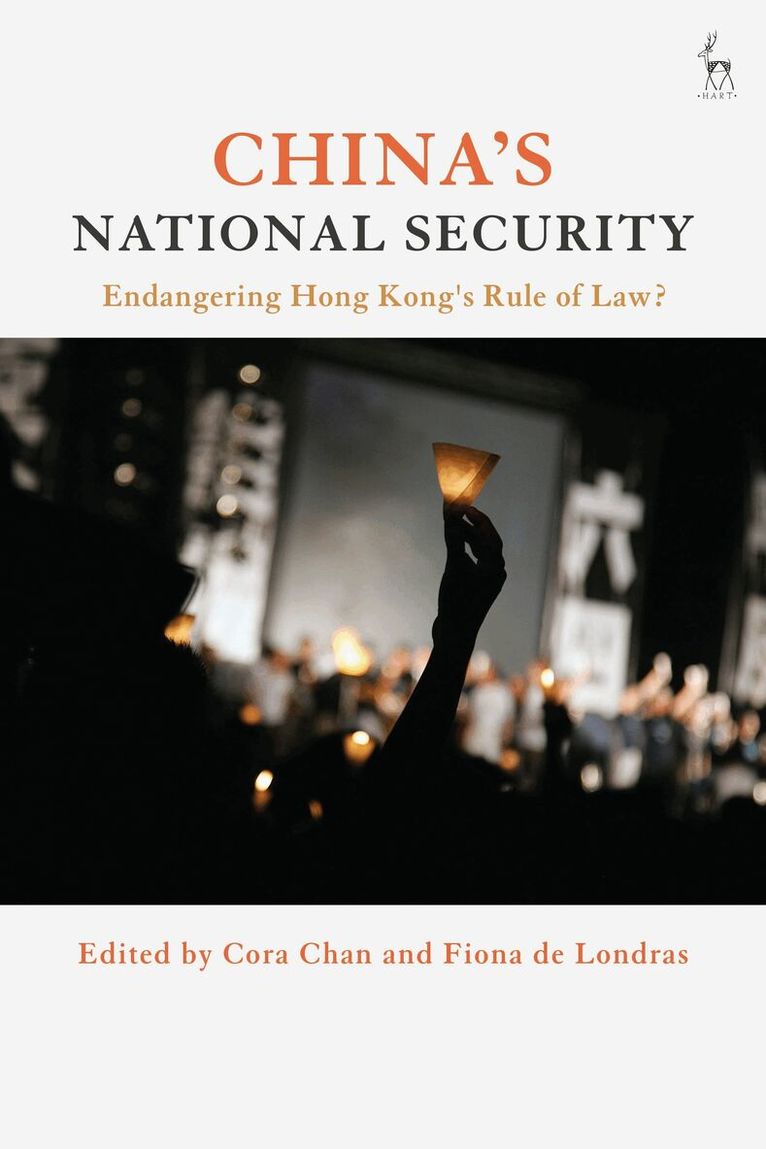
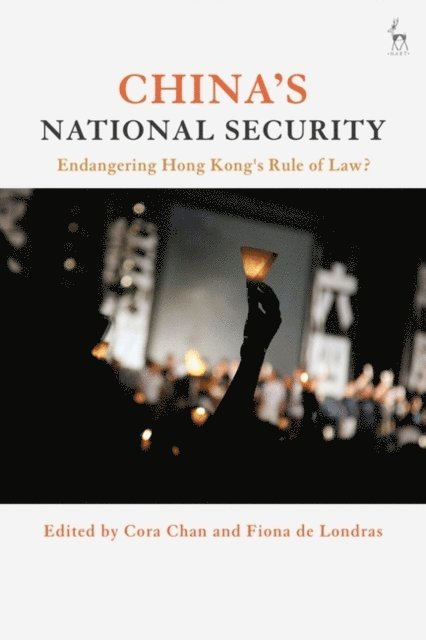
China's National Security
Endangering Hong Kong's Rule of Law?
Av Cora Chan, Fiona de Londras
Inbunden, 2020
1432 kr
Lägg i varukorg
All states are challenged by the need to protect national security while maintaining the rule of law, but the issue is particularly complex in the China–Hong Kong context.This timely and important book explores how China conceives of its national security and the position of Hong Kong. It considers …
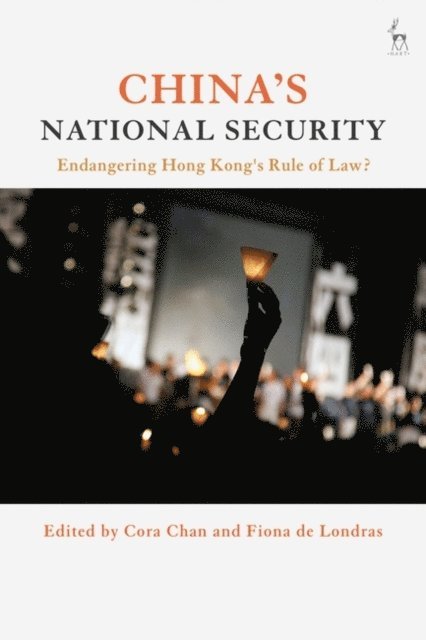
China's National Security
Endangering Hong Kong's Rule of Law?
Av Cora Chan, Fiona de Londras
E-bok, 2020
645 kr
Lägg i varukorg
All states are challenged by the need to protect national security while maintaining the rule of law, but the issue is particularly complex in the China–Hong Kong context. This timely and important book explores how China conceives of its national security and the position of Hong Kong. It …
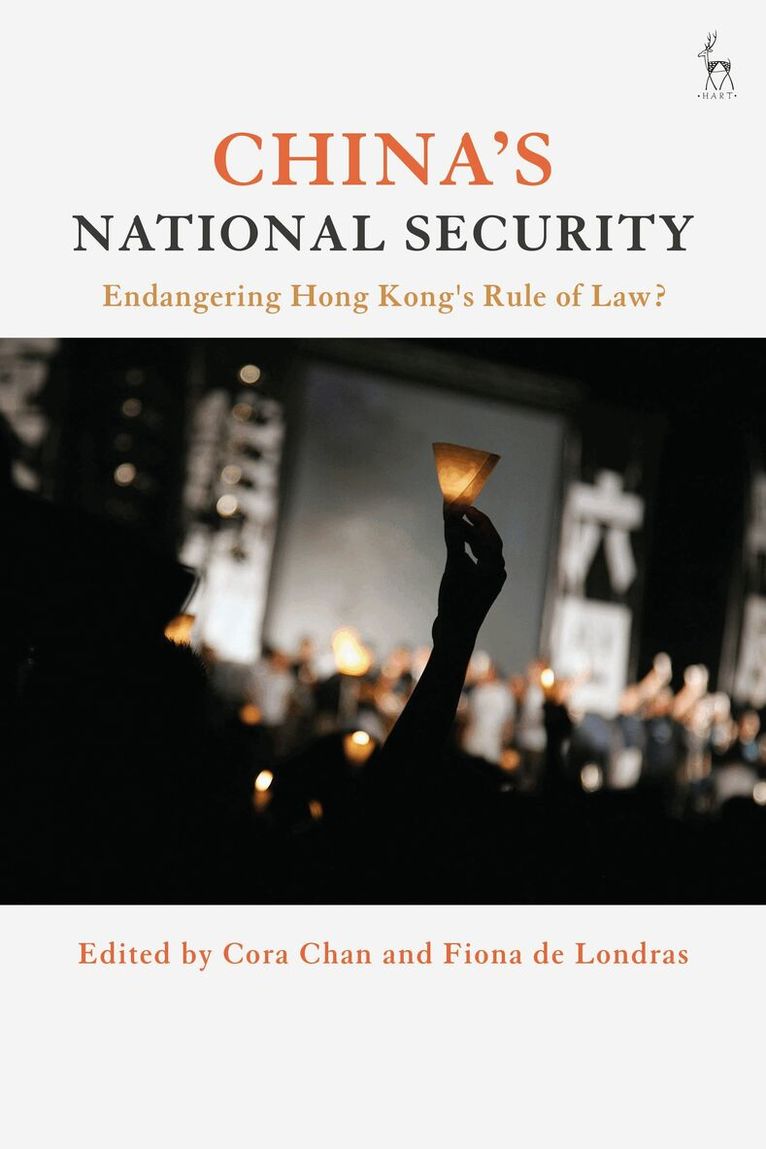
China's National Security
Endangering Hong Kong's Rule of Law?
Av Cora Chan, Fiona de Londras
E-bok, 2020
645 kr
Lägg i varukorg
All states are challenged by the need to protect national security while maintaining the rule of law, but the issue is particularly complex in the China–Hong Kong context. This timely and important book explores how China conceives of its national security and the position of Hong Kong. It …
China's National Security
Endangering Hong Kong's Rule of Law?
Av Cora Chan, Fiona De Londras
Häftad, 2021
589 kr
Lägg i varukorg
All states are challenged by the need to protect national security while maintaining the rule of law, but the issue is particularly complex in the China–Hong Kong context.This timely and important book explores how China conceives of its national security and the position of Hong Kong. It considers …