Cornelia Klocker – författare
Visar alla böcker från författaren Cornelia Klocker. Handla med fri frakt och snabb leverans.
8 produkter
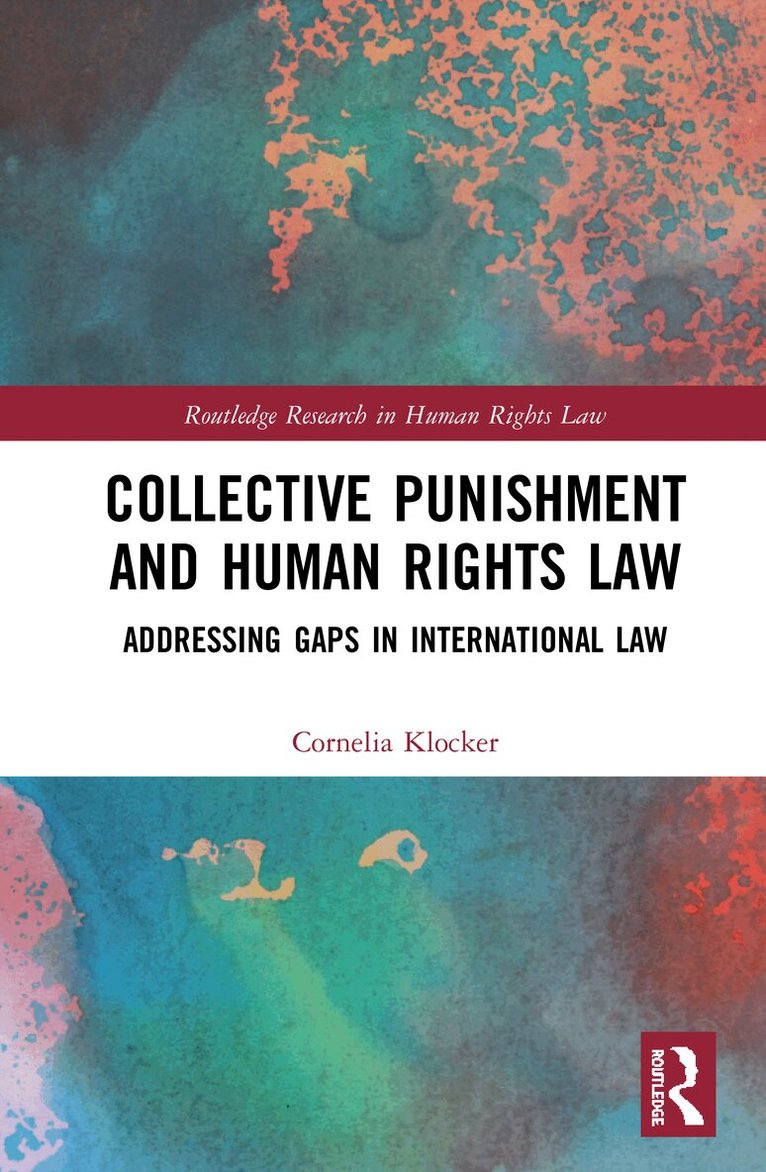
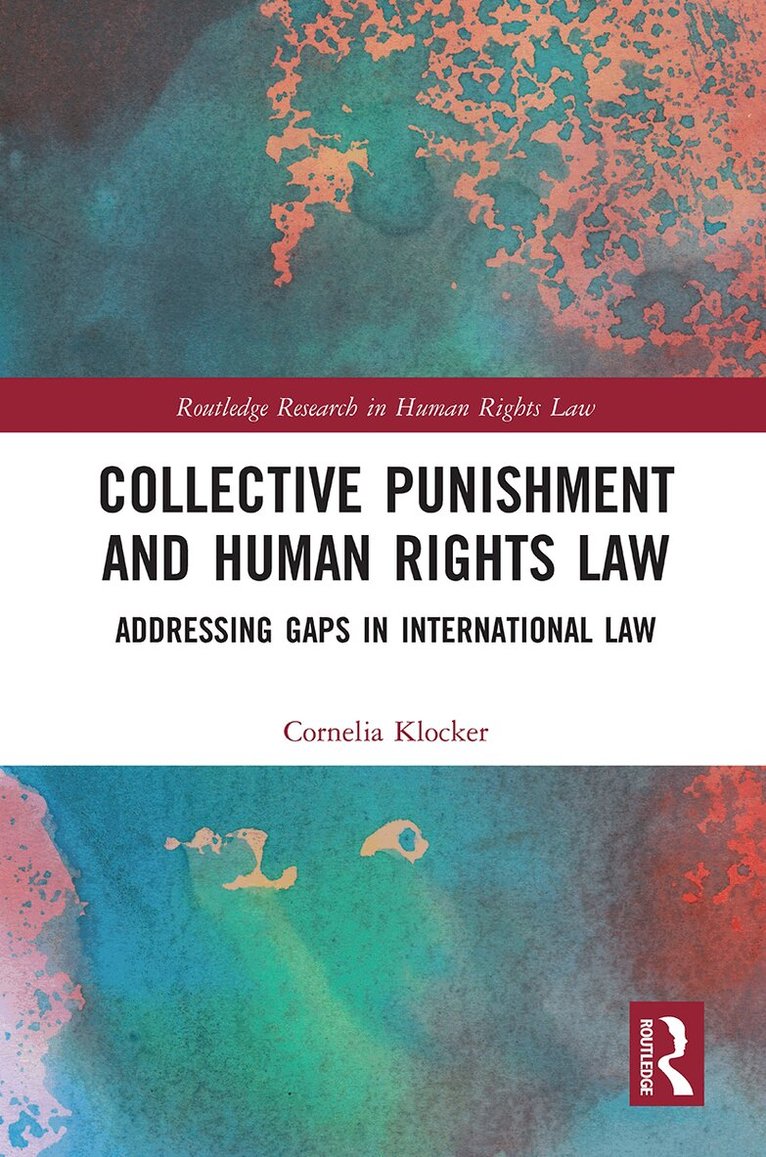
Collective Punishment and Human Rights Law
Addressing Gaps in International Law
Inbunden, 2020
2317 kr
Lägg i varukorg
This book analyses collective punishment in the context of human rights law. Collective punishment is a concept deriving from the law of armed conflict. It describes the punishment of a group for an act allegedly committed by one of its members and is prohibited in times of armed conflict. Although …
Collective Punishment and Human Rights Law
Addressing Gaps in International Law
E-bok, 2020
749 kr
Lägg i varukorg
This book analyses collective punishment in the context of human rights law. Collective punishment is a concept deriving from the law of armed conflict. It describes the punishment of a group for an act allegedly committed by one of its members and is prohibited in times of armed conflict. Although …
Collective Punishment and Human Rights Law
Addressing Gaps in International Law
E-bok, 2020
749 kr
Lägg i varukorg
This book analyses collective punishment in the context of human rights law. Collective punishment is a concept deriving from the law of armed conflict. It describes the punishment of a group for an act allegedly committed by one of its members and is prohibited in times of armed conflict. Although …
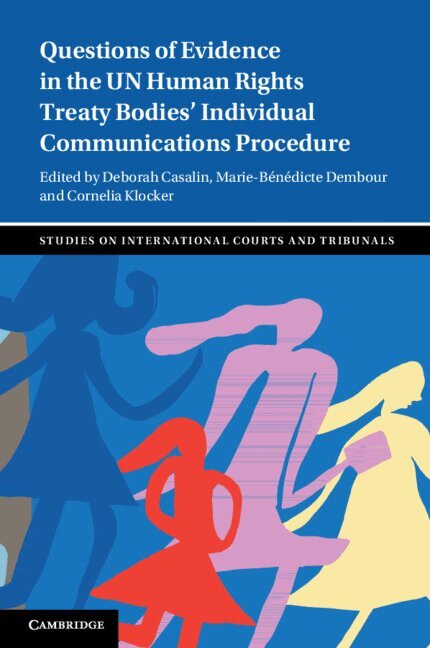
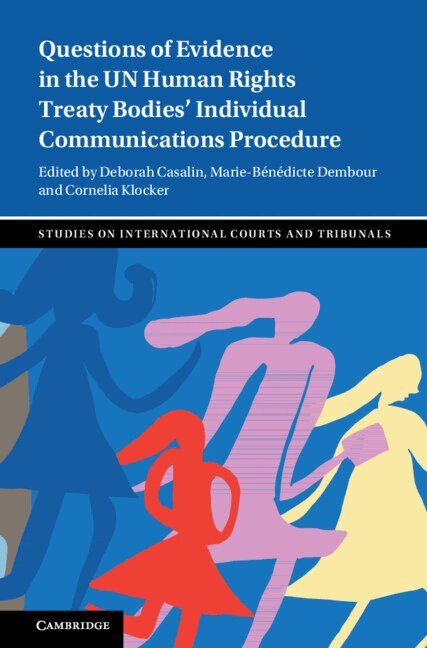
Questions of Evidence in the UN Human Rights Treaty Bodies' Individual Communications Procedure
Av Cornelia Klocker, Marie-Benedicte Dembour m. fl.
E-bok, 2026
503 kr
Lägg i varukorg
Questions of Evidence in the UN Human Rights Treaty Bodies' Individual Communications Procedure
Av Deborah Casalin, Marie-Bénédicte Dembour m. fl.
Häftad, 2026
529 kr
Lägg i varukorg
Eight United Nations human rights treaty bodies (UNTBs) can currently examine 'communications' (complaints) from individuals against states. This edited collection is the first in-depth analysis of the evidentiary regimes developed within this procedure. Nine case studies underscore the weak …
Questions of Evidence in the UN Human Rights Treaty Bodies' Individual Communications Procedure
Av Deborah Casalin, Marie-Bénédicte Dembour m. fl.
Inbunden, 2026
1738 kr
Lägg i varukorg
Eight United Nations human rights treaty bodies (UNTBs) can currently examine 'communications' (complaints) from individuals against states. This edited collection is the first in-depth analysis of the evidentiary regimes developed within this procedure. Nine case studies underscore the weak …
Questions of Evidence in the UN Human Rights Treaty Bodies' Individual Communications Procedure
Av Cornelia Klocker, Marie-Benedicte Dembour m. fl.
E-bok, 2026
503 kr
Lägg i varukorg
Collective Punishment and Human Rights Law
Addressing Gaps in International Law
Häftad, 2021
638 kr
Lägg i varukorg
This book analyses collective punishment in the context of human rights law. Collective punishment is a concept deriving from the law of armed conflict. It describes the punishment of a group for an act allegedly committed by one of its members and is prohibited in times of armed conflict. Although …