Coryne Hall - Böcker
Visar alla böcker från författaren Coryne Hall. Handla med fri frakt och snabb leverans.
9 produkter
9 produkter
134 kr
Skickas inom 11-20 vardagar
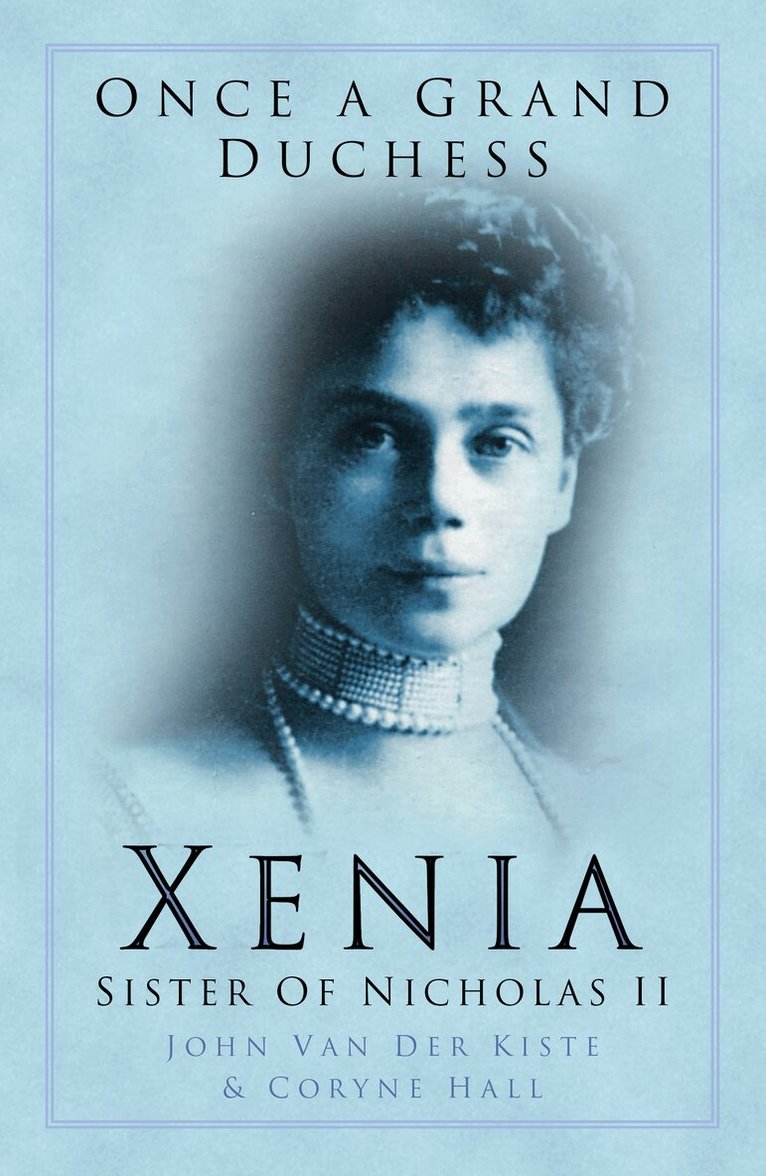
Born into the wealth and splendour of the Russian imperial family as the shy fourth child of the Tsarevich, Xenia might well have expected to play only a minor role in the Romanov story. Yet when she was just six years old, the assassination of her grandfather, Alexander II, moved her father and his family into the centre. She became a key witness to the events of the tumultuous years that followed, seeing her brother Nicholas crowned as Emperor; the Revolution; and the 'terrible. horror' as the first rumours of the imperial family's capture and death began to circulate. She endured her own, and her family's, exile to Europe.Previously unpublished photographs and correspondence are used to reveal the intimate private life of the sister of the last Tsar, making this essential reading for anyone interested in the ill-fated Romanov dynasty.
121 kr
Skickas
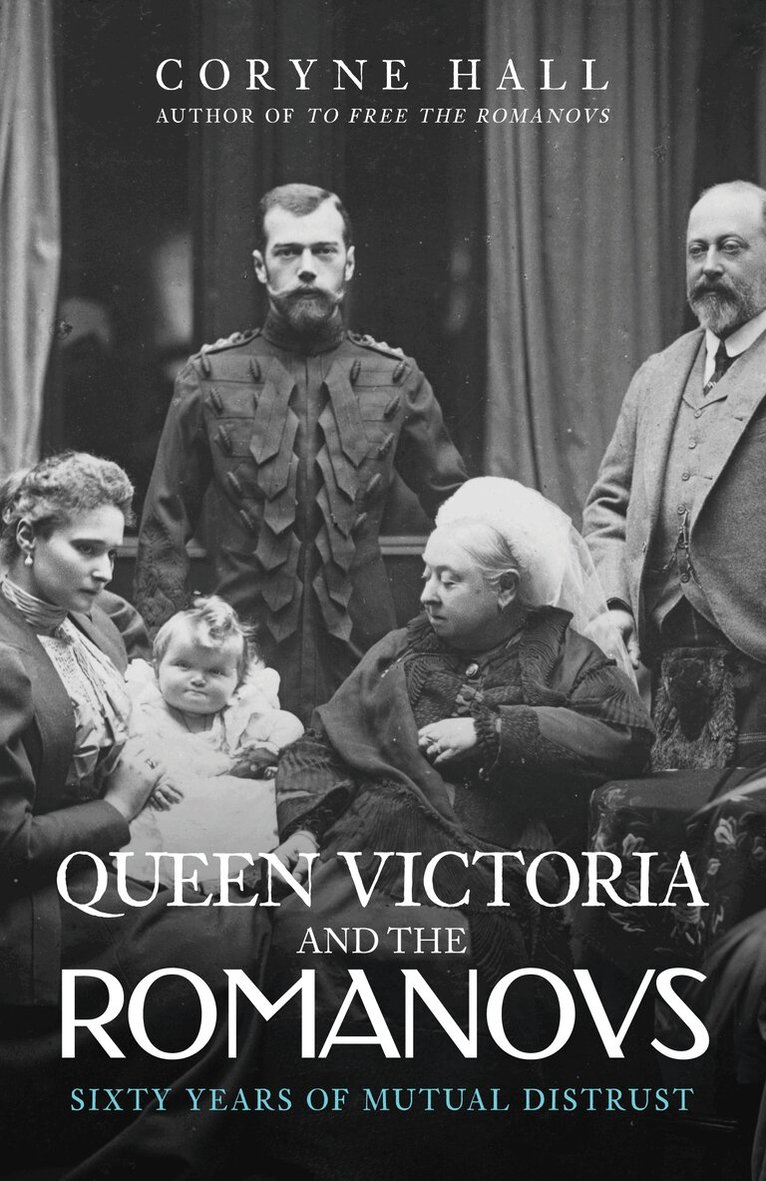
Despite their frequent visits to England, Queen Victoria never quite trusted the Romanovs. In her letters she referred to ‘horrid Russia’ and was adamant that she did not wish her granddaughters to marry into that barbaric country. ‘Russia I could not wish for any of you,’ she said. She distrusted Tsar Nicholas I but as a young woman she was bowled over by his son, the future Alexander II, although there could be no question of a marriage. Political questions loomed large and the Crimean War did nothing to improve relations.This distrust started with the story of the Queen’s ‘Aunt Julie’, Princess Juliane of Saxe-Coburg-Saalfeld, and her disastrous Russian marriage. Starting with this marital catastrophe, Romanov expert Coryne Hall traces sixty years of family feuding that include outright war, inter-marriages, assassination, and the Great Game in Afghanistan, when Alexander III called Victoria ‘a pampered, sentimental, selfish old woman’. In the fateful year of 1894, Victoria must come to terms with the fact that her granddaughter has become Nicholas II’s wife, the Empress Alexandra Feodorovna. Eventually, distrust of the German Kaiser brings Victoria and the Tsar closer together.Permission has kindly been granted by the Royal Archives at Windsor to use extracts from Queen Victoria's journals to tell this fascinating story of family relations played out on the world stage.
253 kr
Skickas
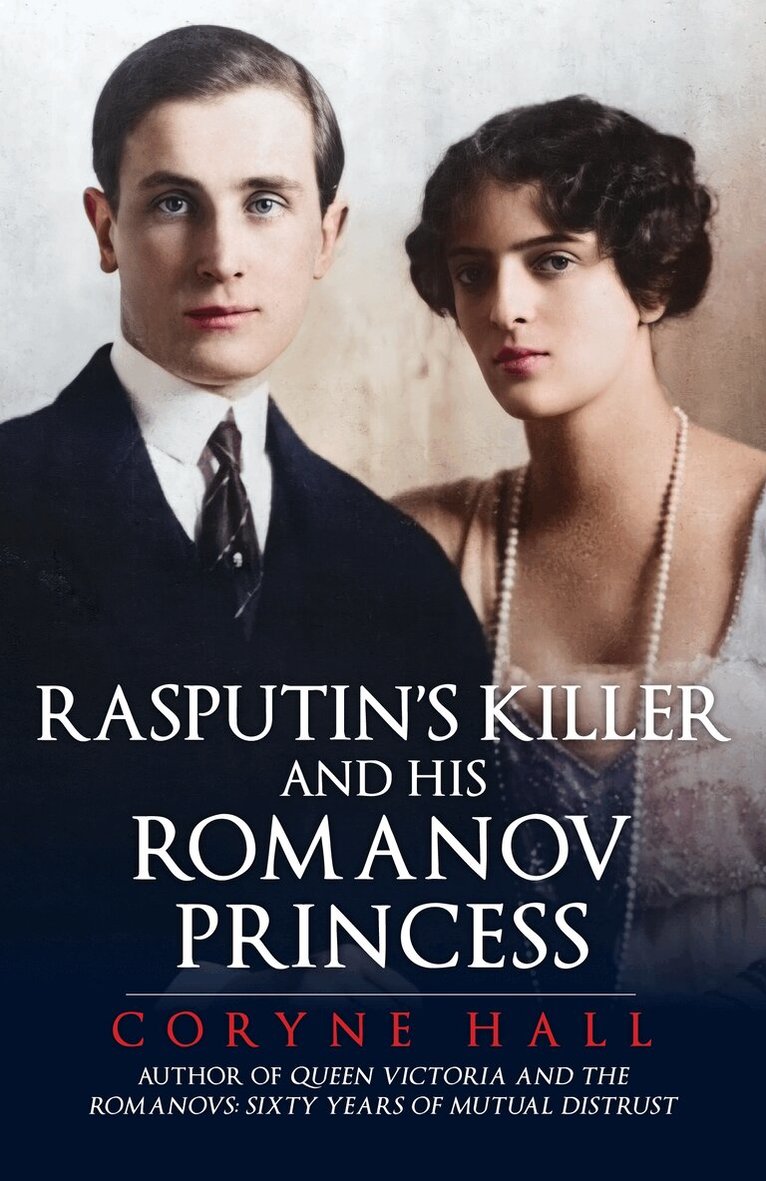
When the Tsar’s eighteen-year-old niece Princess Irina Romanov announced her marriage to Prince Felix Youssoupov, heir to the richest fortune in Russia, the Imperial family were shocked. Prince Felix and his wife Princess Irina had it all. When they married in St Petersburg in 1914 immense wealth and social standing were theirs. But fate had other ideas.In 1916 Felix was involved in one of the most famous crimes of the twentieth century – the murder of Gregory Rasputin, evil genius of Empress Alexandra. It was Irina’s royal blood that ensured Felix was never prosecuted for what many saw as a patriotic act. The following year revolution swept the country and in 1919 Felix and Irina were forced into exile for the rest of their lives. How did they survive in the real world when the money began to run out? Why did they live their lives in the shadow of Rasputin? How did Rasputin save them? And how did Felix redeem himself for Rasputin’s murder?No joint biography of Irina and Felix has ever been written. This book utilises little-known Russian sources, as well as documents recently purchased at auction to reveal new facts, throwing fresh light on the couple’s lives, their relationship and how they never quite escaped from the shadow of Rasputin.
125 kr
Skickas
When the Tsar’s eighteen-year-old niece Princess Irina Romanov announced her marriage to Prince Felix Youssoupov, heir to the richest fortune in Russia, the Imperial family were shocked. Prince Felix and his wife Princess Irina had it all. When they married in St Petersburg in 1914 immense wealth and social standing were theirs. But fate had other ideas.In 1916 Felix was involved in one of the most famous crimes of the twentieth century – the murder of Gregory Rasputin, evil genius of Empress Alexandra. It was Irina’s royal blood that ensured Felix was never prosecuted for what many saw as a patriotic act. The following year revolution swept the country and in 1919 Felix and Irina were forced into exile for the rest of their lives. How did they survive in the real world when the money began to run out? Why did they live their lives in the shadow of Rasputin? How did Rasputin save them? And how did Felix redeem himself for Rasputin’s murder?No joint biography of Irina and Felix has ever been written. This book utilises little-known Russian sources, as well as documents recently purchased at auction to reveal new facts, throwing fresh light on the couple’s lives, their relationship and how they never quite escaped from the shadow of Rasputin.
253 kr
Skickas
Few people realise that King Charles III is a direct descendant of the Romanovs, the dynasty who by 1917 ruled one sixth of the surface of the earth. Their story encompasses great wealth and unlimited power, palace coups and murders, as well as at least one heir allegedly killed by his own father.The direct line then passes through the royal family who ruled Greece from 1863 and whose later members spent their lives in and out of exile. The first Greek monarch, Charles’s great-grandfather, was assassinated. Charles’s grandfather was tried by a kangaroo court and, members of his family believed, only saved from execution by the swift action of Britain’s King George V.This is a remarkable story of Royal intrigue, European scandal and international co-operation. By looking at the Romanov past of King Charles III, Coryne Hall offers a fascinating insight into the history of Britain’s monarchy.
214 kr
Skickas inom 11-20 vardagar
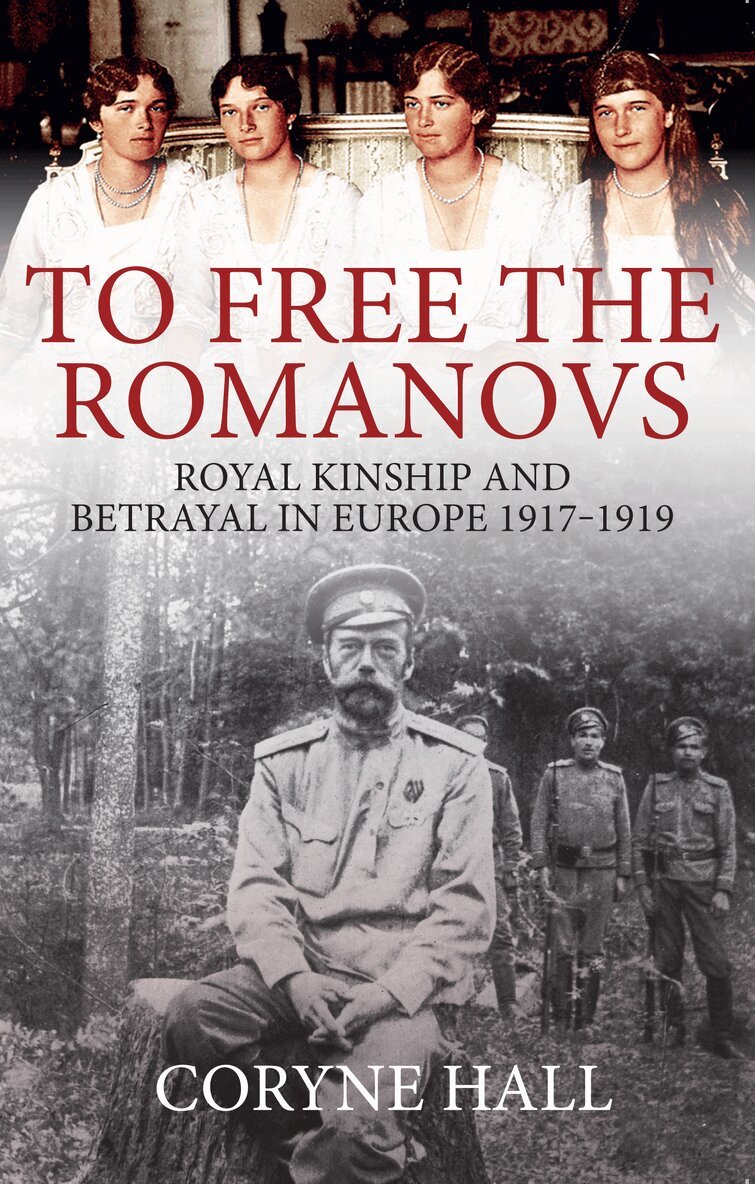
King George V’s role in the withdrawal of an asylum offer was covered up. Britain refused to allow any Grand Dukes to come to England, a fact that is rarely explored.When Russia erupted into revolution, almost overnight the pampered lifestyle of the Imperial family vanished. Within months many of them were under arrest and they became ‘enemies of the Revolution and the Russian people’. All showed great fortitude and courage during adversity. None of them wanted to leave Russia; they expected to be back on their estates soon and to live as before. When it became obvious that this was not going to happen a few managed to flee but others became dependent on their foreign relatives for help.For those who failed to escape, the questions remain. Why did they fail? What did their relatives do to help them? Were lives sacrificed to save other European thrones? After thirty-five years researching and writing about the Romanovs, Coryne Hall considers the end of the 300-year-old dynasty ‒ and the guilt of the royal families in Europe over the Romanovs’ bloody end. Did the Kaiser do enough? Did George V? When the Tsar’s cousins King Haakon of Norway and King Christian of Denmark heard of Nicholas’s abdication, what did they do? Unpublished diaries of the Tsar’s cousin Grand Duke Dmitri give a new insight to the Romanovs’ feelings about George V’s involvement.
214 kr
Skickas inom 11-20 vardagar
Despite their frequent visits to England, Queen Victoria never quite trusted the Romanovs. In her letters she referred to ‘horrid Russia’ and was adamant that she did not wish her granddaughters to marry into that barbaric country. ‘Russia I could not wish for any of you,’ she said. She distrusted Tsar Nicholas I but as a young woman she was bowled over by his son, the future Alexander II, although there could be no question of a marriage. Political questions loomed large and the Crimean War did nothing to improve relations. This distrust started with the story of the Queen’s ‘Aunt Julie’, Princess Juliane of Saxe-Coburg-Saalfeld, and her disastrous Russian marriage. Starting with this marital catastrophe, Romanov expert Coryne Hall traces sixty years of family feuding that include outright war, inter-marriages, assassination, and the Great Game in Afghanistan, when Alexander III called Victoria ‘a pampered, sentimental, selfish old woman’. In the fateful year of 1894, Victoria must come to terms with the fact that her granddaughter has become Nicholas II’s wife, the Empress Alexandra Feodorovna. Eventually, distrust of the German Kaiser brings Victoria and the Tsar closer together.Permission has kindly been granted by the Royal Archives at Windsor to use extracts from Queen Victoria's journals to tell this fascinating story of family relations played out on the world stage.
111 kr
Skickas
King George V’s role in the withdrawal of an asylum offer was covered up. Britain refused to allow any Grand Dukes to come to England, a fact that is rarely explored.When Russia erupted into revolution, almost overnight the pampered lifestyle of the Imperial family vanished. Within months many of them were under arrest and they became ‘enemies of the Revolution and the Russian people’. All showed great fortitude and courage during adversity. None of them wanted to leave Russia; they expected to be back on their estates soon and to live as before. When it became obvious that this was not going to happen a few managed to flee but others became dependent on their foreign relatives for help.For those who failed to escape, the questions remain. Why did they fail? What did their relatives do to help them? Were lives sacrificed to save other European thrones? After thirty-five years researching and writing about the Romanovs, Coryne Hall considers the end of the 300-year-old dynasty ‒ and the guilt of the royal families in Europe over the Romanovs’ bloody end. Did the Kaiser do enough? Did George V? When the Tsar’s cousins King Haakon of Norway and King Christian of Denmark heard of Nicholas’s abdication, what did they do? Unpublished diaries of the Tsar’s cousin Grand Duke Dmitri give a new insight to the Romanovs’ feelings about George V’s involvement.
159 kr
Skickas inom 7-10 vardagar
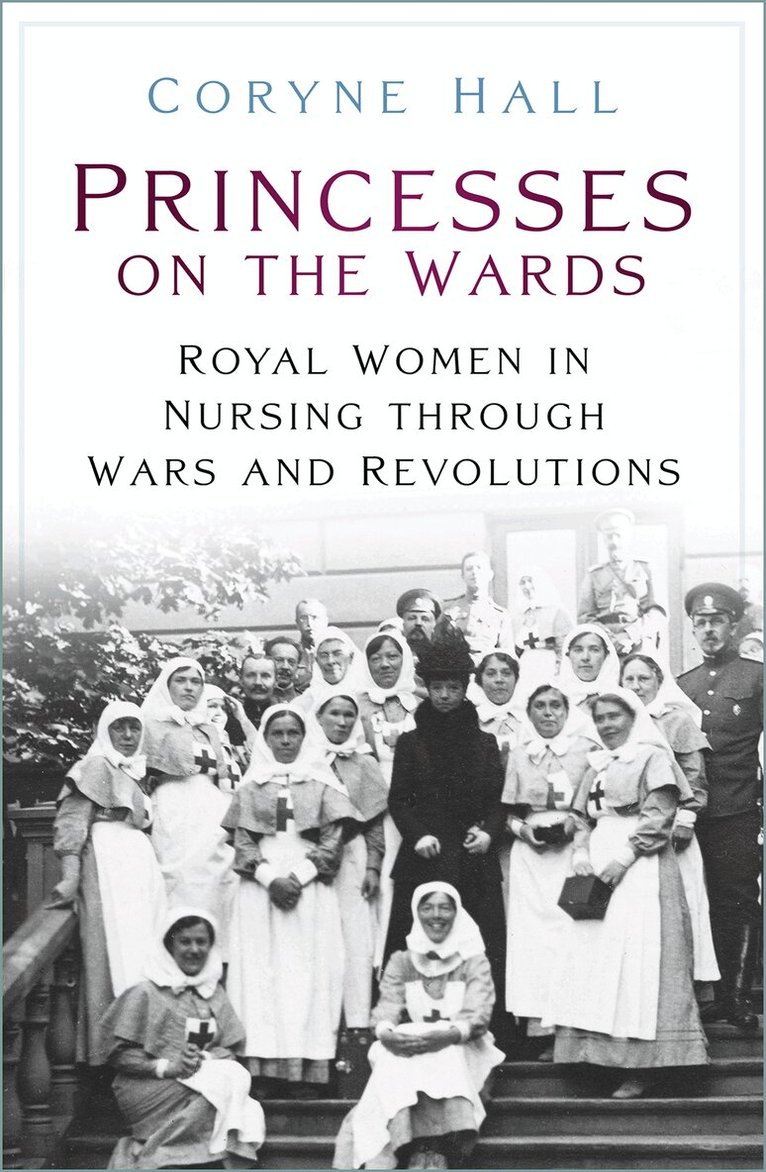
Queens and princesses have always shown care and compassion, but many went much further. They were not afraid to roll up their sleeves, work in wards or help in field hospitals and operating theatres, despite their sheltered upbringings. Through wars and revolutions across Europe, their experiences were similar to those of thousands of other nurses, but this is the first time that their involvement in nursing and the extent of their influence on the profession has been detailed in full.Beginning with two daughters of Queen Victoria – Princess Alice and Princess Helena – Princesses on the Wards looks at the difficulties these royals faced while carving a worthwhile role in an age when the place of a well-born woman was considered to be in the home. Empress Alexandra of Russia, Queen Marie of Romania, Princess Marina, Duchess of Kent, and Princess Alice of Greece (mother of the Duke of Edinburgh) were just a few of Queen Victoria’s relatives who set an example of service well beyond that considered necessary for their rank. Not all of them were fully trained nurses, but each made a positive contribution towards alleviating suffering which cannot be overestimated.