Craig Dionne – författare
Visar alla böcker från författaren Craig Dionne. Handla med fri frakt och snabb leverans.
11 produkter
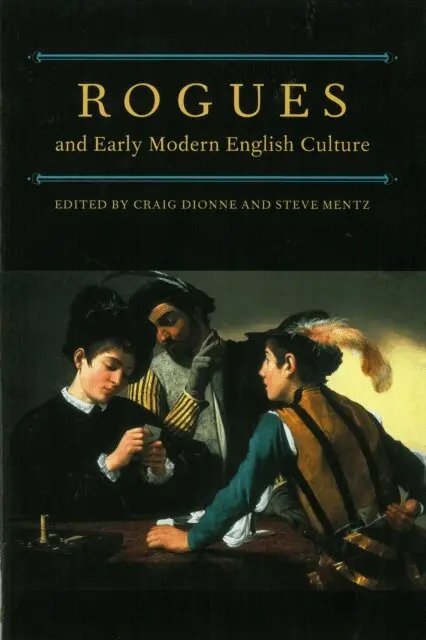
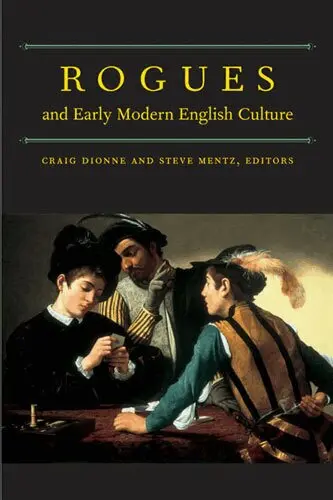
Rogues and Early Modern English Culture
E-bok, 2010
696 kr
Lägg i varukorg
"Those at the periphery of society often figure obsessively for those at its center, and never more so than with the rogues of early modern England. Whether as social fact or literary fiction-or both, simultaneously-the marginal rogue became ideologically central and has remained so for historians, …
Posthuman Lear
Reading Shakespeare in the Anthropocene
Av Craig Dionne
Häftad, 2016
312 kr
Lägg i varukorg
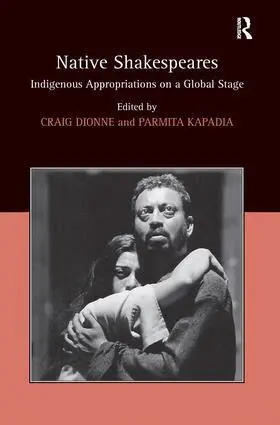
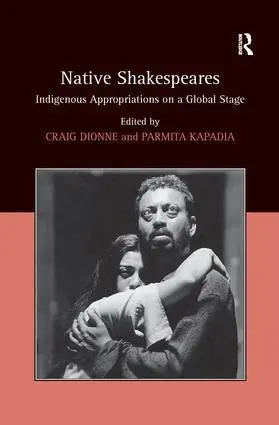
Native Shakespeares
Indigenous Appropriations on a Global Stage
Av Parmita Kapadia, Craig Dionne
Inbunden, 2008
2893 kr
Lägg i varukorg
Explored in this essay collection is how Shakespeare is rewritten, reinscribed and translated to fit within the local tradition, values, and languages of the world's various communities and cultures. Contributors show that Shakespeare, regardless of the medium - theater, pedagogy, or literary …
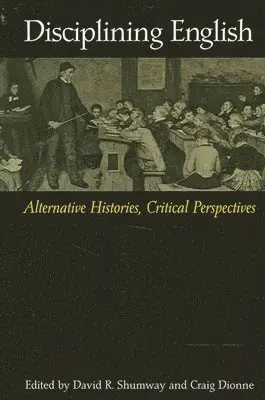
Disciplining English
Alternative Histories, Critical Perspectives
Av David R. Shumway, Craig Dionne
Häftad, 2002
477 kr
Lägg i varukorg
Offers historical and present-day perspectives on what English departments do, and how and why they do it.These provocative essays explore the unwritten, often unacknowledged codes, conventions, and ideologies overseeing the evolution and current practice of English as a "discipline." The first …
Native Shakespeares
Indigenous Appropriations on a Global Stage
Av Parmita Kapadia, Craig Dionne
Häftad, 2016
997 kr
Lägg i varukorg
Explored in this essay collection is how Shakespeare is rewritten, reinscribed and translated to fit within the local tradition, values, and languages of the world's various communities and cultures. Contributors show that Shakespeare, regardless of the medium - theater, pedagogy, or literary …
Native Shakespeares
Indigenous Appropriations on a Global Stage
Av Parmita Kapadia, Craig Dionne
E-bok, 2016
1175 kr
Lägg i varukorg
Explored in this essay collection is how Shakespeare is rewritten, reinscribed and translated to fit within the local tradition, values, and languages of the world''s various communities and cultures. Contributors show that Shakespeare, regardless of the medium - theater, pedagogy, or literary …
Native Shakespeares
Indigenous Appropriations on a Global Stage
Av Parmita Kapadia, Craig Dionne
E-bok, 2016
1175 kr
Lägg i varukorg
Explored in this essay collection is how Shakespeare is rewritten, reinscribed and translated to fit within the local tradition, values, and languages of the world''s various communities and cultures. Contributors show that Shakespeare, regardless of the medium - theater, pedagogy, or literary …
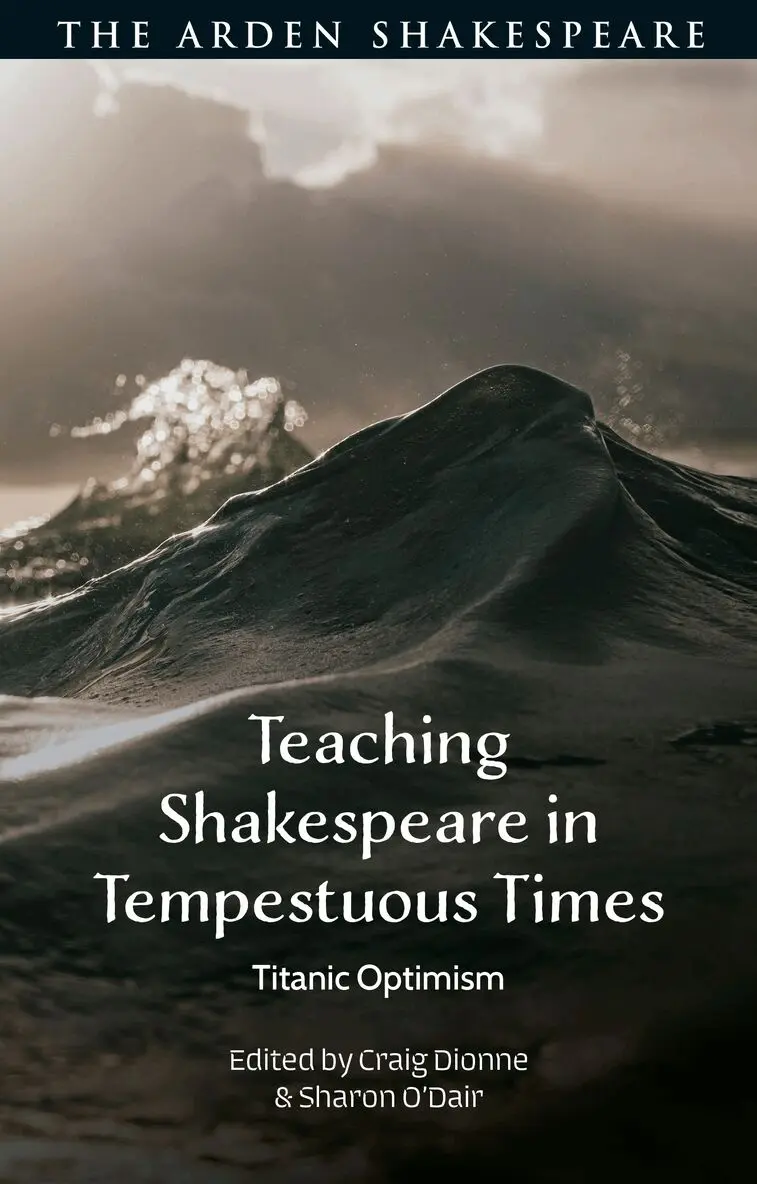
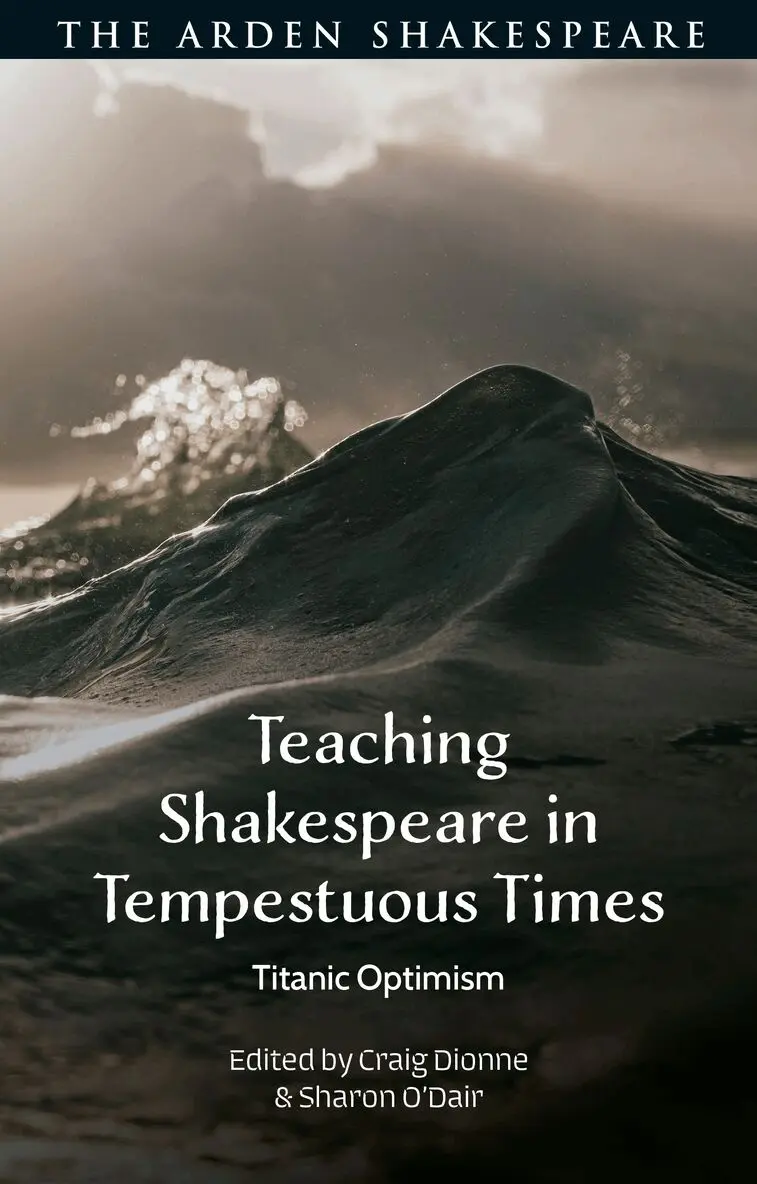
Teaching Shakespeare in Tempestuous Times
Titanic Optimism
Av Craig Dionne, Sharon O’Dair
Häftad, 2026
331 kr
Kommande
This book addresses the profound crisis facing professors of Shakespeare in non-elite and regional public universities in the US, providing a set of bold solutions to these problems.The study of Shakespeare, once considered untouchable, now struggles in an era where higher education is too …
Teaching Shakespeare in Tempestuous Times
Titanic Optimism
Av Craig Dionne, Sharon O’Dair
Inbunden, 2026
1136 kr
Kommande
This book addresses the profound crisis facing professors of Shakespeare in non-elite and regional public universities in the US, providing a set of bold solutions to these problems.The study of Shakespeare, once considered untouchable, now struggles in an era where higher education is too …
Rogues and Early Modern English Culture
Häftad, 2006
441 kr
Tillfälligt slut
"Those at the periphery of society often figure obsessively for those at its center, and never more so than with the rogues of early modern England. Whether as social fact or literary fiction-or both, simultaneously-the marginal rogue became ideologically central and has remained so for historians, …
Rogues and Early Modern English Culture
Inbunden, 2004
1693 kr
Tillfälligt slut
"Those at the periphery of society often figure obsessively for those at its center, and never more so than with the rogues of early modern England. Whether as social fact or literary fiction-or both, simultaneously-the marginal rogue became ideologically central and has remained so for historians, …