Craig Jendza – författare
Visar alla böcker från författaren Craig Jendza. Handla med fri frakt och snabb leverans.
7 produkter
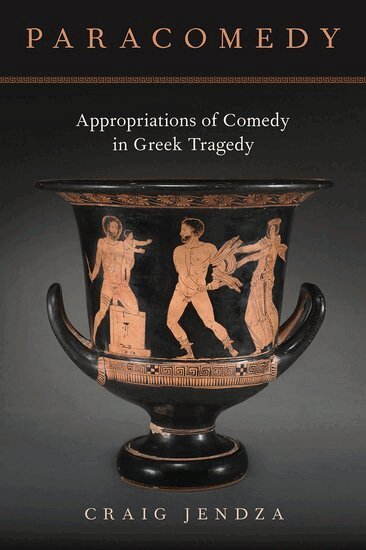
Paracomedy
Appropriations of Comedy in Greek Tragedy
Av Craig Jendza
Inbunden, 2020
2020 kr
Lägg i varukorg
Paracomedy: Appropriations of Comedy in Greek Drama is the first book that examines how ancient Greek tragedy engages with the genre of comedy. While scholars frequently study paratragedy (how Greek comedians satirize tragedy), this book investigates the previously overlooked practice of …
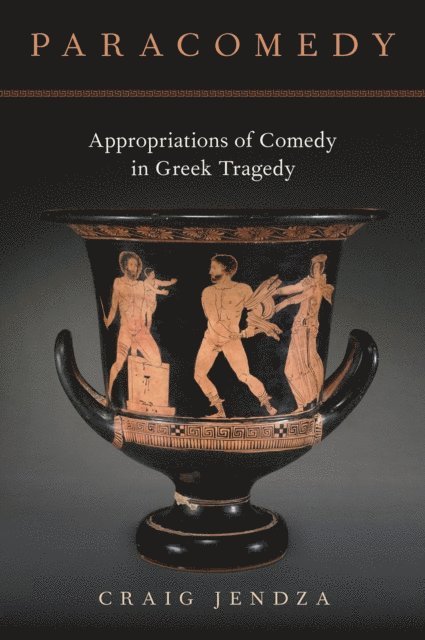
Paracomedy
Appropriations of Comedy in Greek Tragedy
Av Craig Jendza
E-bok, 2020
1392 kr
Lägg i varukorg
Paracomedy: Appropriations of Comedy in Greek Drama is the first book that examines how ancient Greek tragedy engages with the genre of comedy. While scholars frequently study paratragedy (how Greek comedians satirize tragedy), this book investigates the previously overlooked practice of …
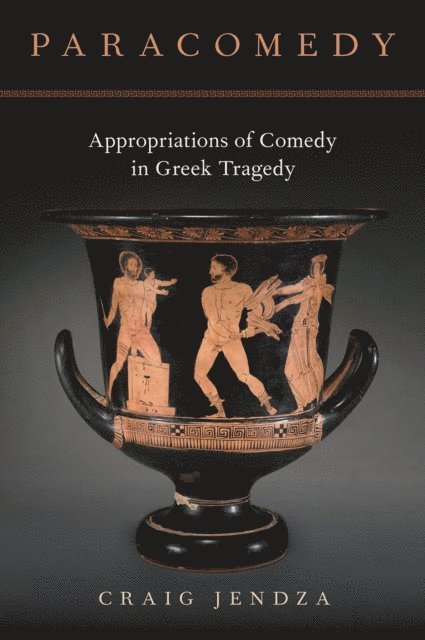
Paracomedy
Appropriations of Comedy in Greek Tragedy
Av Craig Jendza
E-bok, 2020
1392 kr
Lägg i varukorg
Paracomedy: Appropriations of Comedy in Greek Drama is the first book that examines how ancient Greek tragedy engages with the genre of comedy. While scholars frequently study paratragedy (how Greek comedians satirize tragedy), this book investigates the previously overlooked practice of …
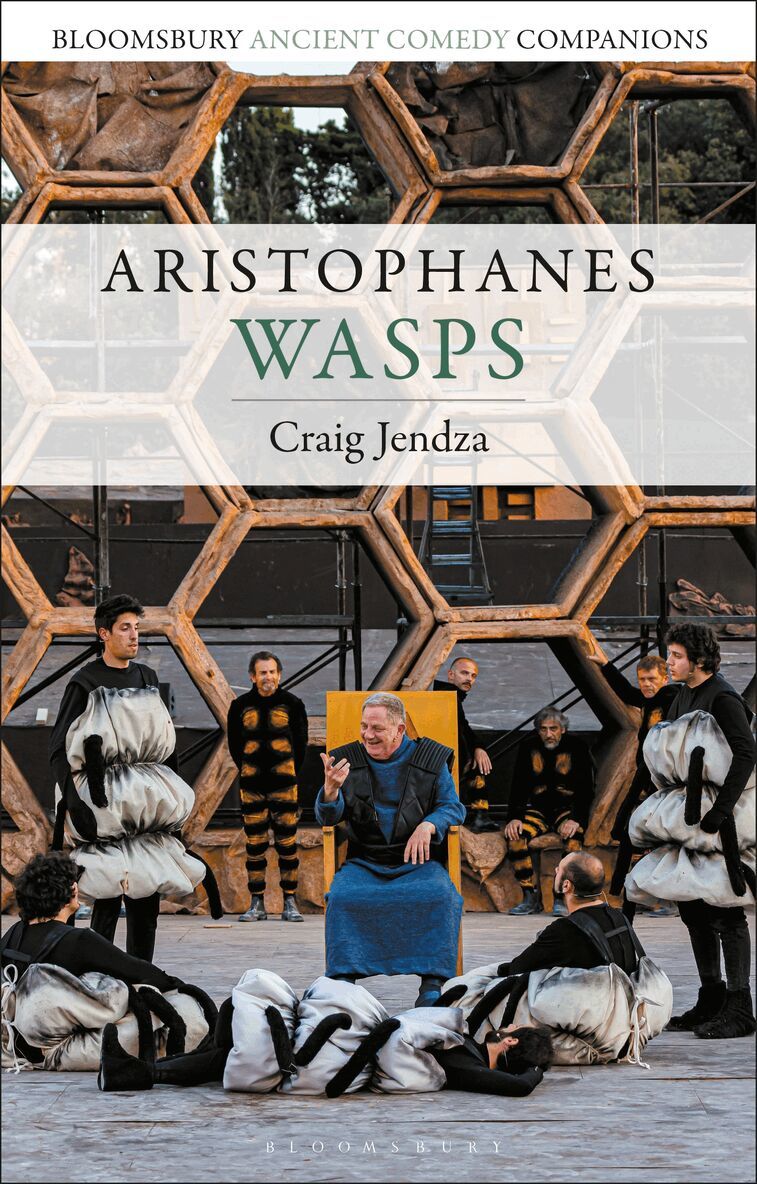
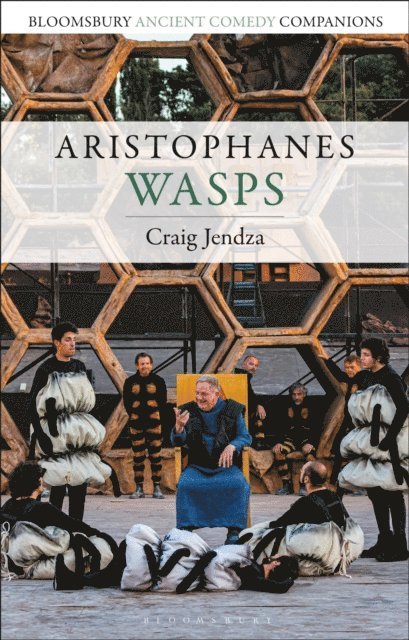
Aristophanes: Wasps
Av Craig Jendza, C. W. Marshall
Inbunden, 2025
1145 kr
Lägg i varukorg
This is the first book-length study dedicated to Aristophanes’ Wasps (422 BCE), which is arguably one of his most hilarious and inventive comedies. At the heart of Wasps is a comic conflict between an Athenian father named Philocleon and his son Bdelycleon; at stake are issues of political …
Aristophanes: Wasps
Av Craig Jendza
E-bok, 2025
1255 kr
Lägg i varukorg
This is the first book-length study dedicated to Aristophanes'' Wasps (422 BCE), which is arguably one of his most hilarious and inventive comedies. At the heart of Wasps is a comic conflict between an Athenian father named Philocleon and his son Bdelycleon; at stake are issues of political …
Aristophanes: Wasps
Av Craig Jendza
E-bok, 2025
1255 kr
Lägg i varukorg
This is the first book-length study dedicated to Aristophanes'' Wasps (422 BCE), which is arguably one of his most hilarious and inventive comedies. At the heart of Wasps is a comic conflict between an Athenian father named Philocleon and his son Bdelycleon; at stake are issues of political …
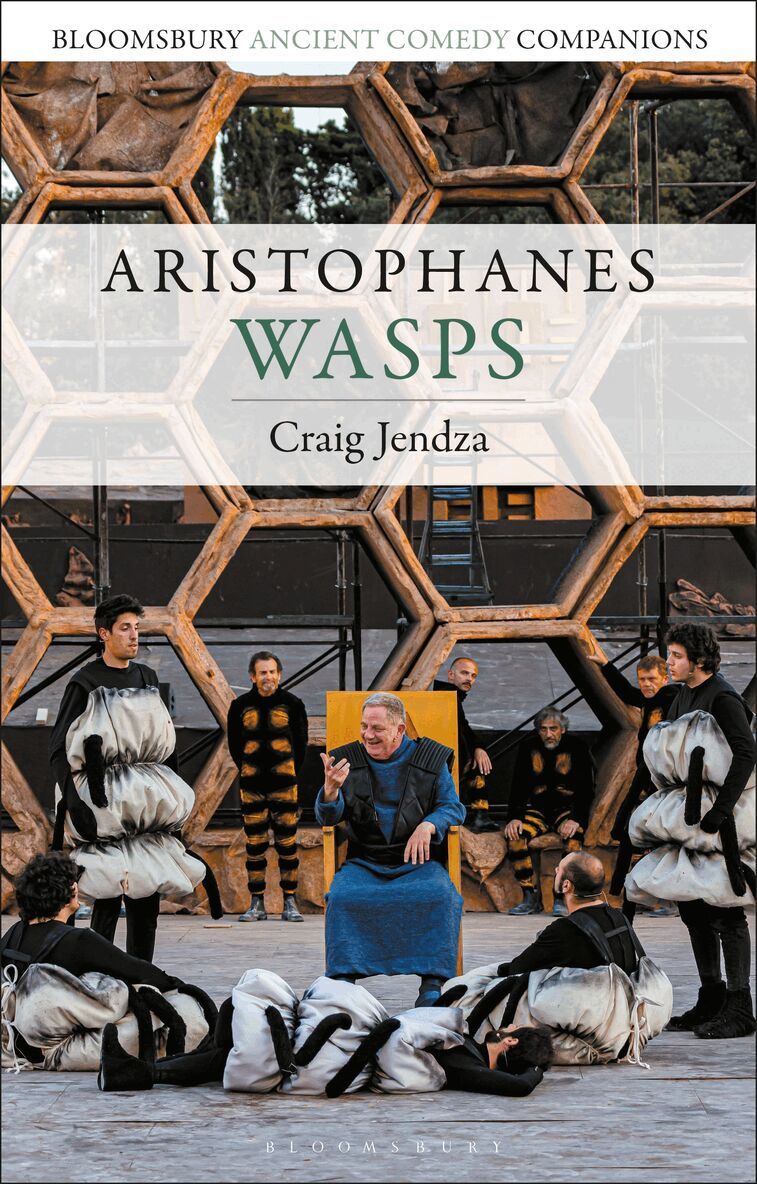
Aristophanes: Wasps
Av Craig Jendza, C. W. Marshall m. fl.
Häftad, 2026
333 kr
Lägg i varukorg
This is the first book-length study dedicated to Aristophanes’ Wasps (422 BCE), which is arguably one of his most hilarious and inventive comedies. At the heart of Wasps is a comic conflict between an Athenian father named Philocleon and his son Bdelycleon; at stake are issues of political …