Craig M. Klugman - Böcker
Visar alla böcker från författaren Craig M. Klugman. Handla med fri frakt och snabb leverans.
3 produkter
3 produkter
536 kr
Skickas inom 5-8 vardagar
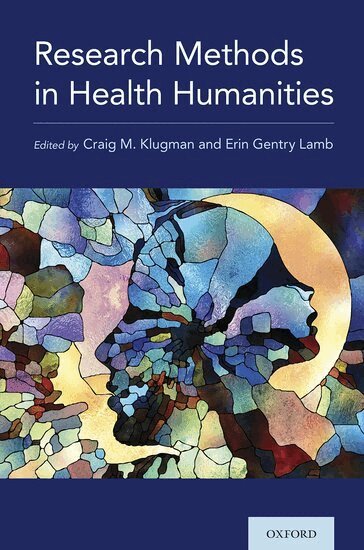
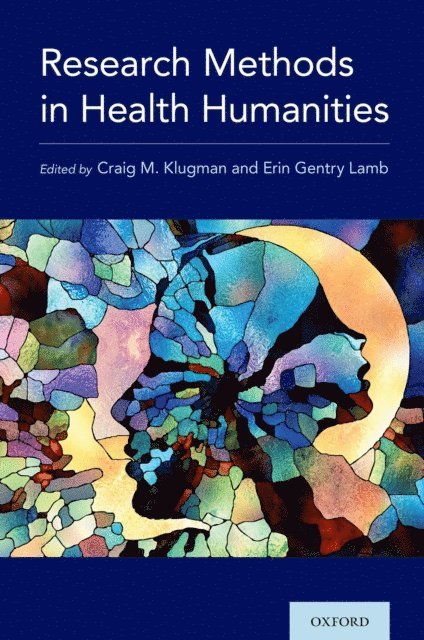
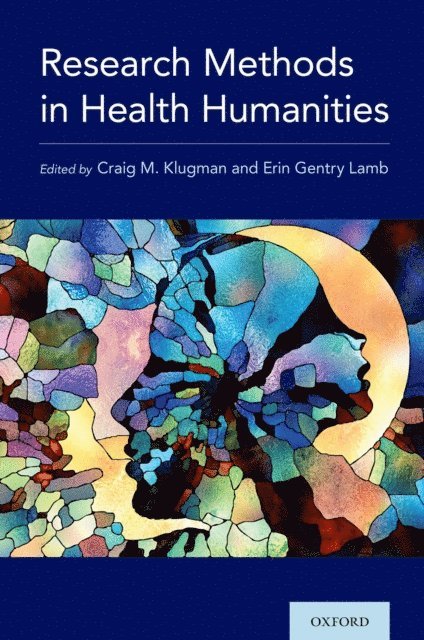
Research Methods in Health Humanities surveys the diverse and unique research methods used by scholars in the growing, transdisciplinary field of health humanities. Appropriate for advanced undergraduates, but rich enough to engage more seasoned students and scholars, this volume is an essential teaching and reference tool for health humanities teachers and scholars. Health humanities is a field committed to social justice and to applying expertise to real world concerns, creating research that translates to participants and communities in meaningful and useful ways. The chapters in this field-defining volume reflect these values by examining the human aspects of health and health care that are critical, reflective, textual, contextual, qualitative, and quantitative. Divided into four sections, the volume demonstrates how to conduct research on texts, contexts, people, and programs. Readers will find research methods from traditional disciplines adapted to health humanities work, such as close reading of diverse texts, archival research, ethnography, interviews, and surveys. The book also features transdisciplinary methods unique to the health humanities, such as health and social justice studies, digital health humanities, and community dialogues. Each chapter provides learning objectives, step-by-step instructions, resources, and exercises, with illustrations of the method provided by the authors' own research. An invaluable tool in learning, curricular development, and research design, this volume provides a grounding in the traditions of the humanities, fine arts, and social sciences for students considering health care careers, but also provides useful tools of inquiry for everyone, as we are all future patients and future caregivers of a loved one.
551 kr
Tillfälligt slut
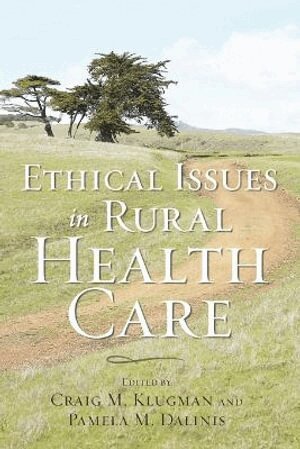
This volume initiates a much-needed conversation about the ethical and policy concerns facing health care providers in the rural United States. Although 21 percent of the population lives in rural areas, only 11 percent of physicians practice there. What challenges do health care workers face in remote locations? What are the differences between rural and urban health care practices? What particular ethical issues arise in treating residents of small communities? Craig M. Klugman and Pamela M. Dalinis gather philosophers, lawyers, physicians, nurses, and researchers to discuss these and other questions, offering a multidisciplinary overview of rural health care in the United States. Rural practitioners often practice within small, tight-knit communities, socializing with their patients outside the examination room. The residents are more likely to have limited finances and to lack health insurance. Physicians may have insufficient resources to treat their patients, who often have to travel great distances to see a doctor. The first part of the book analyzes the differences between rural and urban cultures and discusses the difficulties in treating patients in rural settings.The second part features the personal narratives of rural health care providers, who share their experiences and insights. The last part introduces unique ethical challenges facing rural health care providers and proposes innovative solutions to those problems. This volume is a useful resource for bioethicists, members of rural bioethics committees and networks, policy makers, teachers of health care providers, and rural practitioners themselves.
454 kr
Skickas inom 5-8 vardagar
This volume initiates a much-needed conversation about the ethical and policy concerns facing health care providers in the rural United States. Although 21 percent of the population lives in rural areas, only 11 percent of physicians practice there. What challenges do health care workers face in remote locations? What are the differences between rural and urban health care practices? What particular ethical issues arise in treating residents of small communities? Craig M. Klugman and Pamela M. Dalinis gather philosophers, lawyers, physicians, nurses, and researchers to discuss these and other questions, offering a multidisciplinary overview of rural health care in the United States. Rural practitioners often practice within small, tight-knit communities, socializing with their patients outside the examination room. The residents are more likely to have limited finances and to lack health insurance. Physicians may have insufficient resources to treat their patients, who often have to travel great distances to see a doctor. The first part of the book analyzes the differences between rural and urban cultures and discusses the difficulties in treating patients in rural settings.The second part features the personal narratives of rural health care providers, who share their experiences and insights. The last part introduces unique ethical challenges facing rural health care providers and proposes innovative solutions to those problems.