Inbunden, Engelska, 2018
1 579 kr
Skickas inom 10-15 vardagar
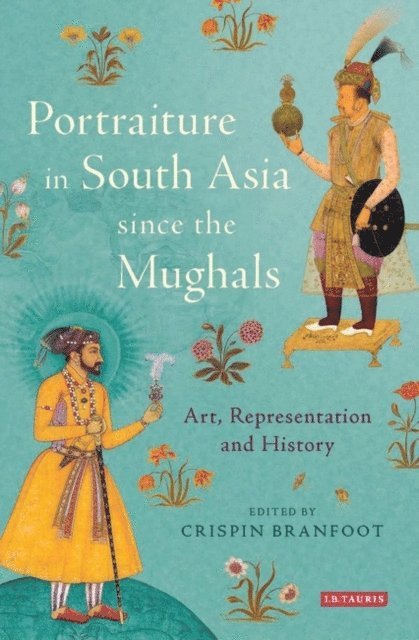
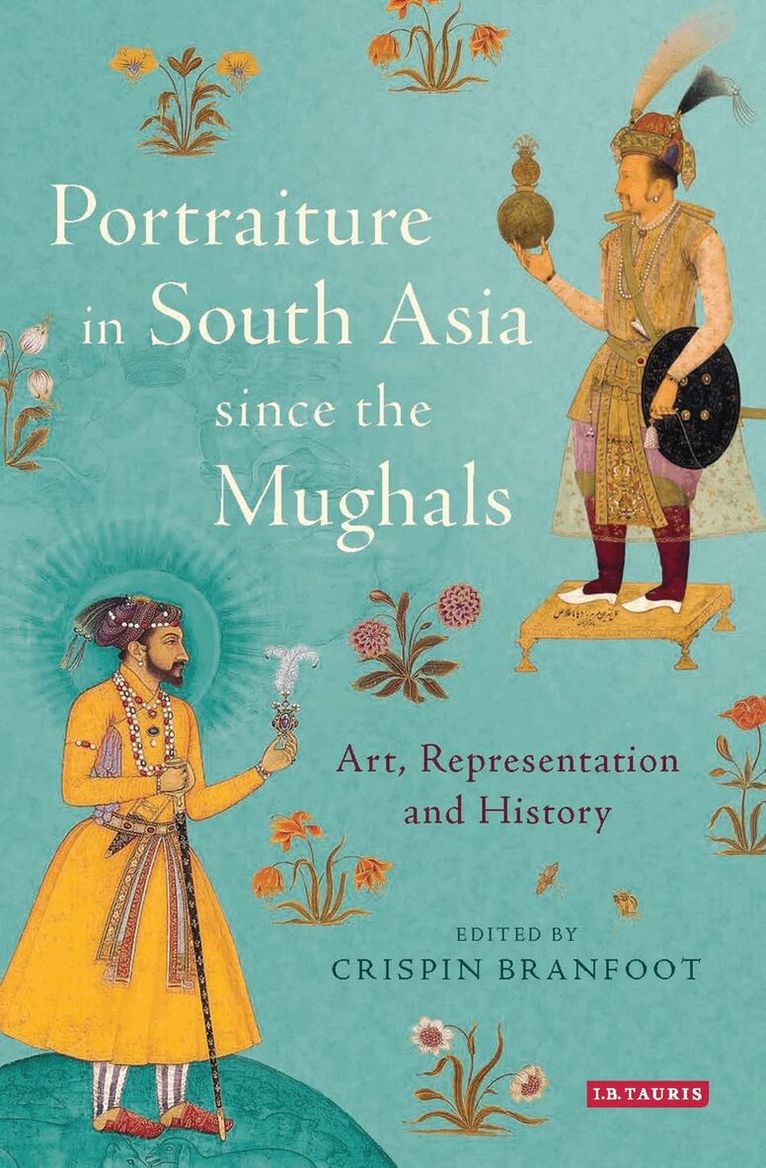
One of the most remarkable artistic achievements of the Mughal Empire was the emergence in the early seventeenth century of portraits of identifiable individuals, unprecedented in both South Asia and the Islamic world. Appearing at a time of increasing contact between Europe and Asia, portraits from the reigns of the great Mughal emperor-patrons Akbar, Jahangirand Shah Jahan are among the best-known paintings produced in South Asia. In the following centuries portraiture became more widespread in the visual culture of South Asia, especially in the rich and varied traditions of painting, but also in sculpture and later prints and photography. This collection seeks to understand the intended purpose of a range of portrait traditions in South Asia and how their style, setting and representation may have advanced a range of aesthetic, social and political functions. The chapters range across a wide historical period, exploring ideals of portraiture in Sanskrit and Persian literature, the emergence and political symbolism of Mughal portraiture, through to the paintings of the Rajput courts, sculpture in Tamil temples and the transformation of portraiture in colonial north India and post-independence Pakistan.This specially commissioned collection of studies from a strong list of established scholars and rising stars makes a significant contribution to South Asian history, art and visual culture.