CRUFT ET AL - Böcker
Visar alla böcker från författaren CRUFT ET AL. Handla med fri frakt och snabb leverans.
2 produkter
2 produkter
2 280 kr
Skickas inom 5-8 vardagar
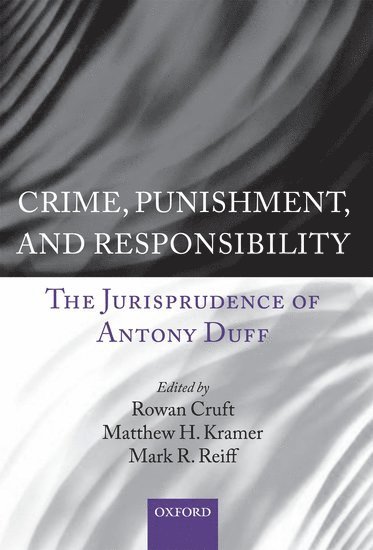
For many years, Antony Duff has been one of the world's foremost philosophers of criminal law. This volume collects essays by leading criminal law theorists to explore the principal themes in his work. In a response to the essays, Duff clarifies and develops his position on central problems in criminal law theory. Some of the essays concentrate on the topic of criminalization. That is, they examine what forms of conduct (including attempts, offensiveness, and negligence) can aptly qualify as criminal offences, and what principled limits, if any, should be placed on the reach of the criminal law. Several of the other essays assess the thesis that punishment is justifiable as a form of communication between offenders and their community. Those essays examine the presuppositions (about the nature and function of community, and about the moral structure of atonement) that must be embraced if communication is to be a primary role for punishment. The remaining essays examine the nature and limits of responsibility in the law, as they engage with philosophical debates over 'moral luck' by investigating the ways in which the law can legitimately hold people responsible for events that were not within their control. These chapters tie the first and third parts of the book together, as they explore the relationship between the principles that determine a person's responsibility and the principles that determine which types of actions can appropriately be criminalized. Finally, Duff responds with comments that seek to defend and clarify his views while also acknowledging the correctness of some of the critics' objections.
1 932 kr
Skickas inom 5-8 vardagar
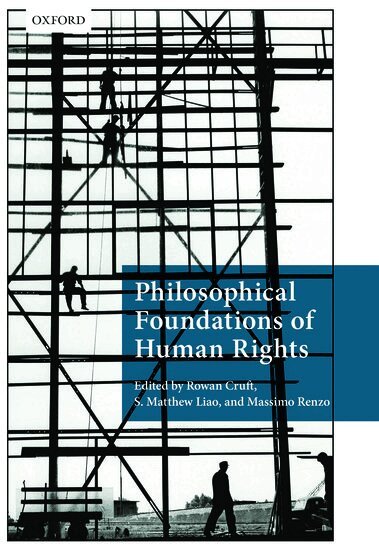
What makes something a human right? What is the relationship between the moral foundations of human rights and human rights law? What are the difficulties of appealing to human rights?This book offers the first comprehensive survey of current thinking on the philosophical foundations of human rights. Divided into four parts, this book focusses firstly on the moral grounds of human rights, for example in our dignity, agency, interests or needs. 'Secondly, it looks at the implications that different moral perspectives on human rights bear for human rights law and politics. Thirdly, it discusses specific and topical human rights including freedom of expression and religion, security, health and more controversial rights such as a human right to subsistence. The final part discusses nuanced critical and reformative views on human rights from feminist, Kantian and relativist perspectives among others.The essays represent new and canonical research by leading scholars in the field. Each part is comprised of a set of essays and replies, offering a comprehensive analysis of different positions within the debate in question.The introduction from the editors will guide researchers and students navigating the diversity of views on the philosophical foundations of human rights.