Curtis Perry – författare
Visar alla böcker från författaren Curtis Perry. Handla med fri frakt och snabb leverans.
12 produkter
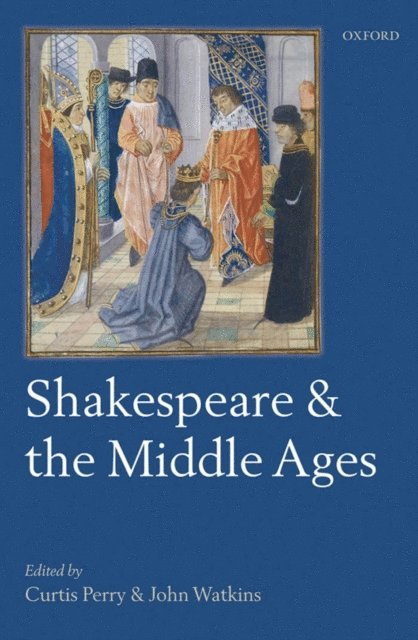
Shakespeare and the Middle Ages
E-bok, 2009
2235 kr
Lägg i varukorg
Shakespeare and the Middle Ages brings together a distinguished, multidisciplinary group of scholars to rethink the medieval origins of modernity. Shakespeare provides them with the perfect focus, since his works turn back to the Middle Ages as decisively as they anticipate the modern world: almost …
Shakespeare and the Middle Ages
E-bok, 2009
2235 kr
Lägg i varukorg
Shakespeare and the Middle Ages brings together a distinguished, multidisciplinary group of scholars to rethink the medieval origins of modernity. Shakespeare provides them with the perfect focus, since his works turn back to the Middle Ages as decisively as they anticipate the modern world: almost …
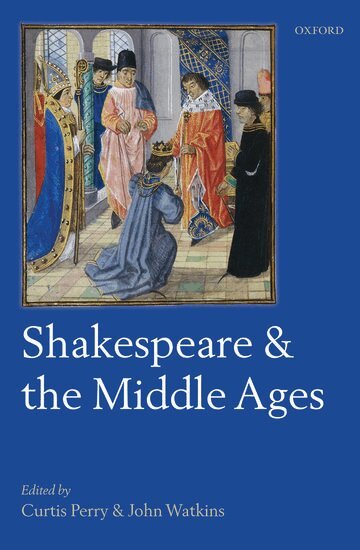
Shakespeare and the Middle Ages
Inbunden, 2009
3390 kr
Lägg i varukorg
Shakespeare and the Middle Ages brings together a distinguished, multidisciplinary group of scholars to rethink the medieval origins of modernity. Shakespeare provides them with the perfect focus, since his works turn back to the Middle Ages as decisively as they anticipate the modern world: almost …
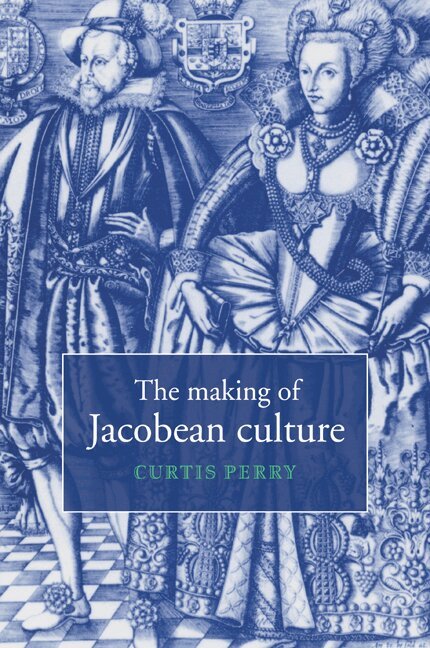
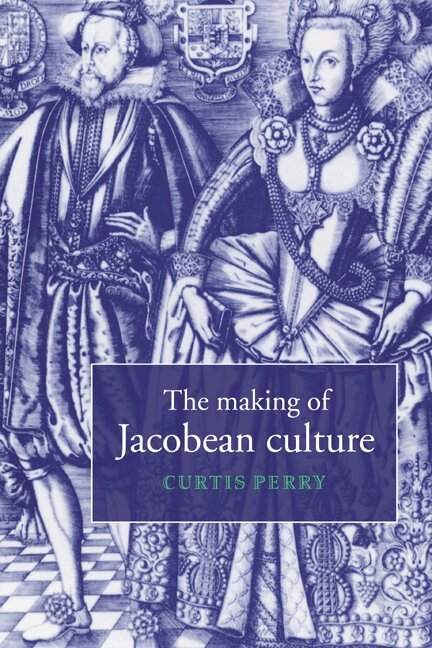
The Making of Jacobean Culture
James I and the Renegotiation of Elizabethan Literary Practice
Av Curtis Perry
Häftad, 2006
654 kr
Lägg i varukorg
It is a critical commonplace to note sharp cultural differences between Elizabethan and Jacobean England. But how and why did this transition take place? What kinds of decisions and assumptions were involved as writers responded to the new king? How did residual Elizabethan expectations and habits …
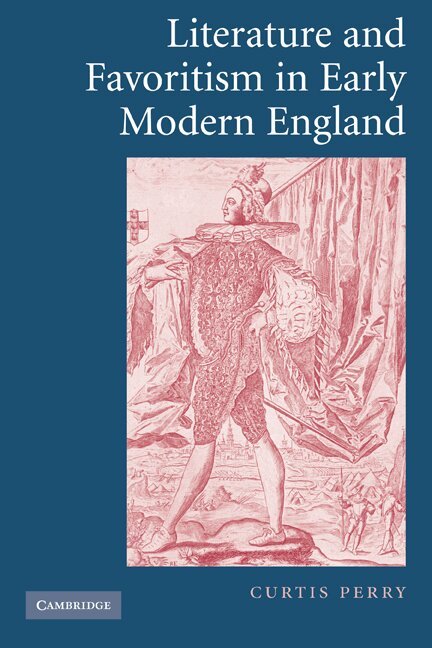
Literature and Favoritism in Early Modern England
Av Curtis Perry
Häftad, 2009
654 kr
Lägg i varukorg
For writers in the early modern period, thinking about royal favorites inevitably meant thinking about the uneasy intersection of the personal and the public in a political system traditionally organized around patronage and intimacy. Depictions of favoritism - in a variety of texts including …
The Making of Jacobean Culture
James I and the Renegotiation of Elizabethan Literary Practice
Av Curtis Perry
Inbunden, 1997
1797 kr
Lägg i varukorg
It is a critical commonplace to note sharp cultural differences between Elizabethan and Jacobean England. But how and why did this transition take place? What kinds of decisions and assumptions were involved as writers responded to the new king? How did residual Elizabethan expectations and habits …
Literature and Favoritism in Early Modern England
Av Curtis Perry
Inbunden, 2006
1667 kr
Lägg i varukorg
For writers in the early modern period, thinking about royal favorites inevitably meant thinking about the uneasy intersection of the personal and the public in a political system traditionally organized around patronage and intimacy. Depictions of favoritism - in a variety of texts including …
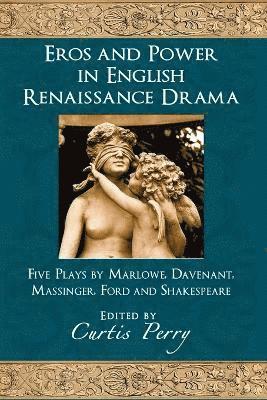
Eros and Power in English Renaissance Drama
Five Plays by Marlowe, Davenant, Massinger, Ford and Shakespeare
Av Curtis Perry
Häftad, 2008
898 kr
Lägg i varukorg
This book features five plays from the English Renaissance that explore political questions and developments by telling stories about the erotic impulses of a ruler. The volume contains fully annotated and modernized versions of Marlowe's Edward II, Shakespeare's Measure for Measure, Massinger's …
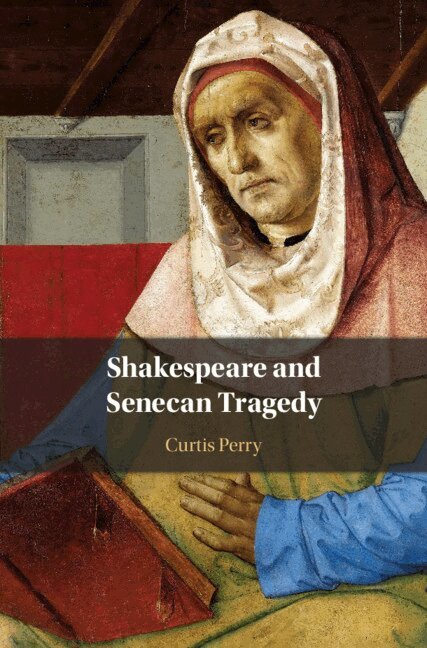
Shakespeare and Senecan Tragedy
Av Curtis Perry
Inbunden, 2020
1647 kr
Lägg i varukorg
Shakespeare's tragic characters have often been seen as forerunners of modern personhood. It has been assumed that Shakespeare was able to invent such lifelike figures in part because of his freedom from the restrictions of classical form. Curtis Perry instead argues that characters such as Hamlet …
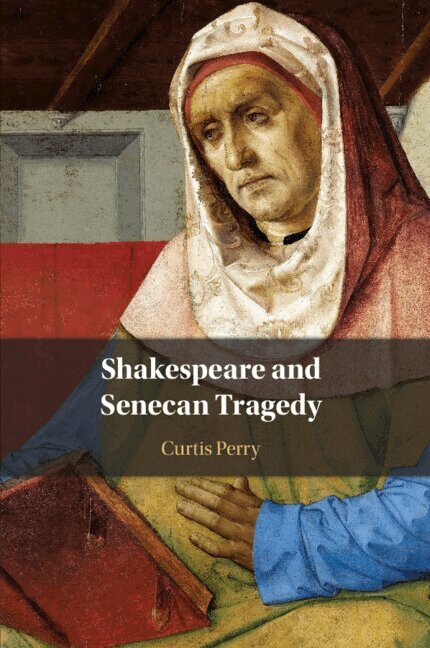
Shakespeare and Senecan Tragedy
Av Curtis Perry
Häftad, 2022
635 kr
Lägg i varukorg
Shakespeare's tragic characters have often been seen as forerunners of modern personhood. It has been assumed that Shakespeare was able to invent such lifelike figures in part because of his freedom from the restrictions of classical form. Curtis Perry instead argues that characters such as Hamlet …
Shakespeare and Senecan Tragedy
Av Curtis Perry
E-bok, 2020
619 kr
Lägg i varukorg
Shakespeare''s tragic characters have often been seen as forerunners of modern personhood. It has been assumed that Shakespeare was able to invent such lifelike figures in part because of his freedom from the restrictions of classical form. Curtis Perry instead argues that characters such as Hamlet …
Shakespeare and Senecan Tragedy
Av Curtis Perry
E-bok, 2020
605 kr
Lägg i varukorg
Shakespeare''s tragic characters have often been seen as forerunners of modern personhood. It has been assumed that Shakespeare was able to invent such lifelike figures in part because of his freedom from the restrictions of classical form. Curtis Perry instead argues that characters such as Hamlet …