• Fri frakt över 249 kr
  • •
  • Snabba leveranser
  • •
  • Billiga böcker
Kundservice

Du är på sajten för privatpersoner.

Företag, bibliotek eller offentlig verksamhet?

Du handlar på classic.bokus.com, där alla dina funktioner finns intakta.
Till classic.bokus.com
Bokus logotyp. Gå till startsidan.
  • Erbjudanden
  • Nyheter
  • Student
  • Topplistor
  • Barn & ungdom
  • Bokus Play
  • E-böcker
  • Pocketböcker
  • Spel & pussel

10% studentrabatt med kod TERM26

Sidfot

Mina sidor

    Hjälp

    • Kundservice
    • Vanliga frågor och svar
    • Frakt och leverans
    • Retur vid ångerrätt
    • Reklamera vara
    • Betalning
    • Köpvillkor
    • Allmänna villkor
    • Information om webbplatsens tillgänglighet

    Om Bokus

    • Om oss
    • Pressrum
    • För studenter
    • För företag
    • För bibliotek och offentlig verksamhet
    • För leverantörer
    • Hållbarhet

    Populärt

    • Aktuella erbjudanden
    • Presentkort
    • Studentlitteratur
    • Nya böcker
    • Topplistor
    • Signerade böcker
    • Engelska böcker

    Inspiration

    • Boktips
    • BookTok
    • Populära bokserier
    • Barnbokskaraktärer
    • Populära författare
    Logotyp för Bokus
    Följ oss på Facebook (extern länk)Följ oss på Instagram (extern länk)Följ oss på YouTube (extern länk)Följ oss på TikTok (extern länk)
    bokus @ CookiesAnpassa cookiesIntegritetspolicyKöpvillkor
    Till Citymail hemsida (extern länk)Till Budbee hemsida (extern länk)Till Postnord hemsida (extern länk)Till Schenker hemsida (extern länk)Till Early Bird hemsida (extern länk)Till Walleys hemsida (extern länk)
    1. Skönlitteratur
    2. Litteraturvetenskap
    3. Litteraturvetenskap

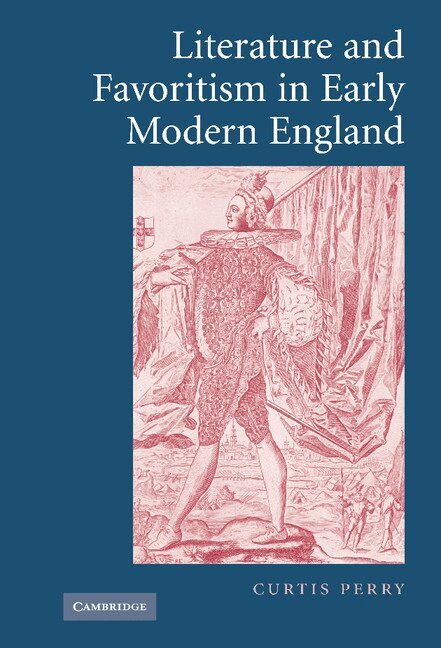
    Literature and Favoritism in Early Modern England

    AvCurtis Perry

    Häftad, Engelska, 2009

    533 kr

    Beställningsvara. Skickas inom 10-15 vardagar. Fri frakt över 249 kr.

    Fler format och utgåvor

    Inbunden

    1 396 kr

    Beskrivning

    For writers in the early modern period, thinking about royal favorites inevitably meant thinking about the uneasy intersection of the personal and the public in a political system traditionally organized around patronage and intimacy. Depictions of favoritism - in a variety of texts including plays, poems, libels, and pamphlets - explore the most fundamental ideological questions concerning personal monarchy and the early modern public sphere, questions about the nature and limits of prerogative and about the enfranchisement or otherwise of subjects. In this study, Curtis Perry examines the ideological underpinnings of the heated controversies surrounding powerful royal favorites and the idea of favoritism in the late Elizabethan and early Stuart period. Perry argues that the discourse of corrupt favoritism is this period's most important unofficial vehicle for exploring constitutional unease concerning the nature and limits of personal monarchy within the balanced English constitution.
    Produktinformation

    • Utgivningsdatum:2009-07-30
    • Mått:152 x 229 x 19 mm
    • Vikt:500 g
    • Format:Häftad
    • Språk:Engelska
    • Antal sidor:340
    • Förlag:Cambridge University Press
    • ISBN:9780521117326

    Utforska kategorier

    • Litteraturvetenskap inom Skönlitteratur

    Mer om författaren

    Curtis Perry is Associate Professor of English at Arizona State University. He is the author of The Making of Jacobean Culture: James I and the Renegotiation of Elizabethan Literary Practice (Cambridge University Press, 1997), the editor of Material Culture and Cultural Materialisms in the Middle Ages and the Renaissance (2001), and has had numerous articles and chapters published on the subject of early modern English literature and culture.

    Recensioner i media

    "This welcome book will be particularly valuable for those pursuing study of the literature, politics and cultural history of early modern England." - Choice

    Innehållsförteckning

    • Acknowledgements; A note on texts; 1. 'Prerogative Pleasures': favoritism and monarchy in early modern England; 2. Leicester and his ghosts; 3. Amici Principis: imagining the good favorite; 4. Poisoning favor; 5. Erotic favoritism as a language of corruption in early modern drama; 6. 'What pleased the prince': Edward II and the imbalanced constitution; 7. Instrumental favoritism and the uses of Roman history; Afterword: 'In a true sense there is no Monarchy'; Notes; Index.