
Cynthia A. Ruder - Böcker
Visar alla böcker från författaren Cynthia A. Ruder. Handla med fri frakt och snabb leverans.
3 produkter
3 produkter
659 kr
Skickas inom 7-10 vardagar
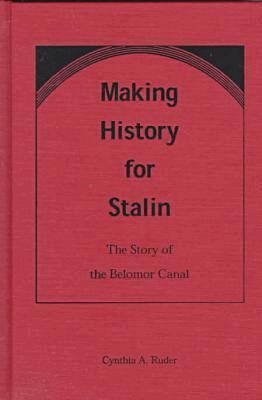
The Belomor Canal, exalted in the 1930s by the Stalinist press, came to symbolize what was morally deplorable in Stalinism. The author reconstructs the Canal project as a pivotal social, political, historical and, most important, literary event. Built with forced labour, the Belomor project has been a forbidden topic for half a century. With access to opened archives and to interviews with Canal construction survivors themselves, Ruder examines the project and its attendant literary works - drama, poetry, novels and the collectively written ""History of the Construction of the Stalin White Sea-Baltic Canal"" - to create an understanding of Stalinist culture. She argues that the project was the first to institutionalize the philosophy of ""perekovka"", the idea that a new people who personify the Soviet Union in action and deed could be created through forced labour and ideological re-education. As both a construction project and a literary event, Belomor was characterized by contradictions: enthusiasm versus revulsion, good will versus cynicism, self-destruction versus self-preservation, and scorn for the West versus a desperate hunger to impress it. Ruder shows that these juxtapositions capture the tension that infused many other events at the time, turning Belomor into a microcosm of life and literature in Soviet Russia.
1 619 kr
Skickas inom 10-15 vardagar
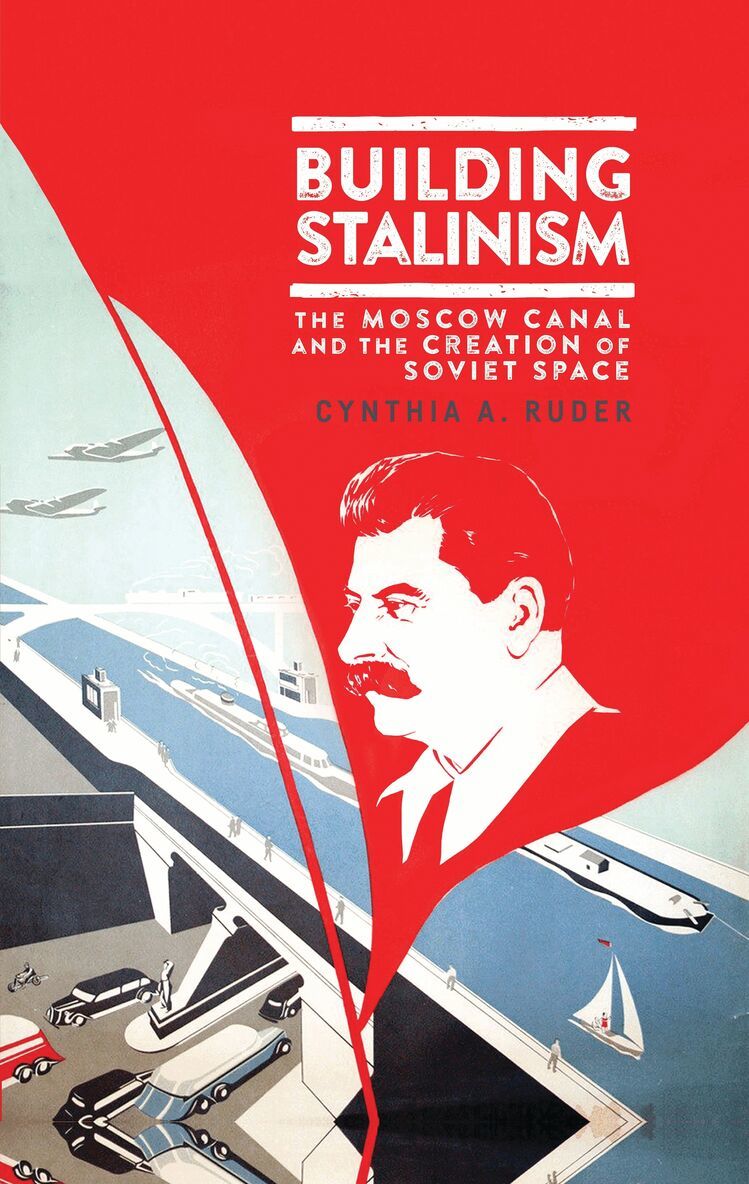
Today the 80-mile-long Moscow Canal is a source of leisure for Muscovites, a conduit for tourists and provides the city with more than 60% of its potable water. Yet the past looms heavy over these quotidian activities: the canal was built by Gulag inmates at the height of Stalinism and thousands died in the process.In this wide-ranging book, Cynthia Ruder argues that the construction of the canal physically manifests Stalinist ideology and that the vertical, horizontal, underwater, ideological, artistic and metaphorical spaces created by it resonate with the desire of the state to dominate all space within and outside the Soviet Union. Ruder draws on theoretical constructs from cultural geography and spatial studies to interpret and contextualise a variety of structural and cultural products dedicated to, and in praise of, this signature Stalinist construction project. Approached through an extensive range of archival sources, personal interviews and contemporary documentary materials these include a diverse body of artefacts - from waterways, structures, paintings, sculptures, literary and documentary works, and the Gulag itself. Building Stalinism concludes by analysing current efforts to reclaim the legacy of the canal as a memorial space that ensures that those who suffered and died building it are remembered. This is essential reading for all scholars working on the all-pervasive nature of Stalinism and its complex afterlife in Russia today.
546 kr
Skickas inom 10-15 vardagar
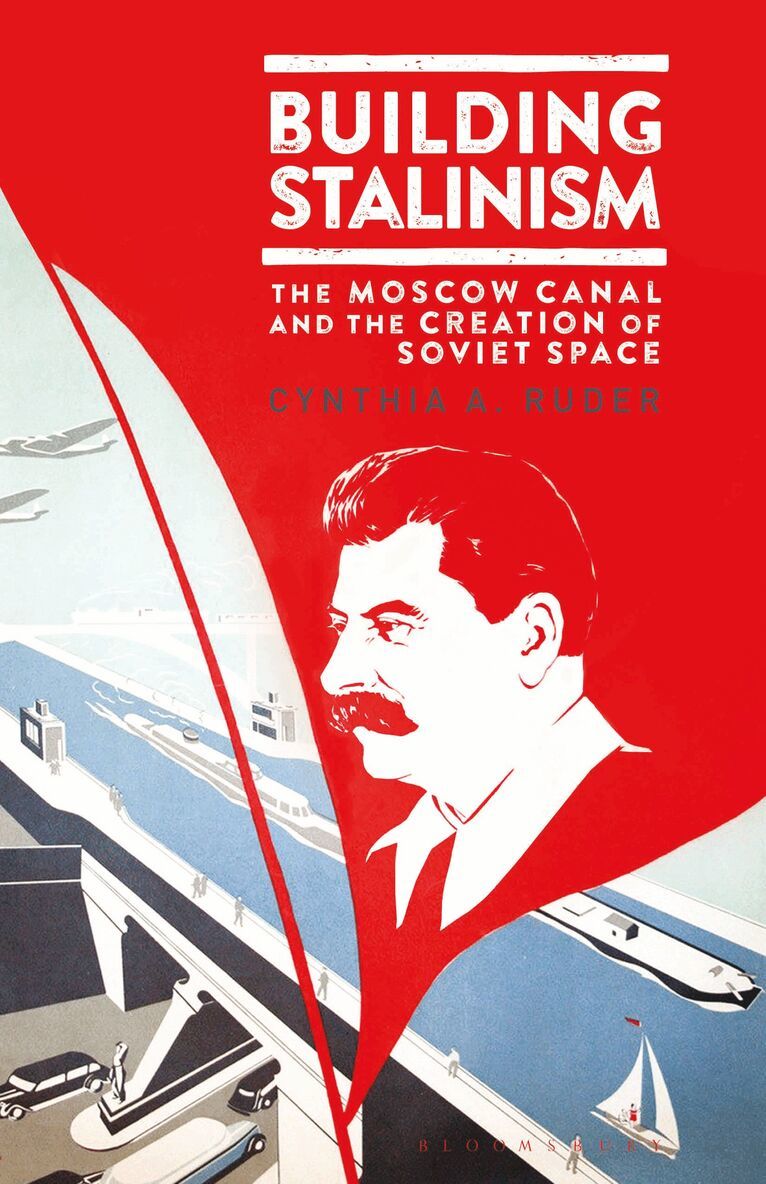
Today the 80-mile-long Moscow Canal is a source of leisure for Muscovites, a conduit for tourists and provides the city with more than 60% of its potable water. Yet the past looms heavy over these quotidian activities: the canal was built by Gulag inmates at the height of Stalinism and thousands died in the process.In this wide-ranging book, Cynthia Ruder argues that the construction of the canal physically manifests Stalinist ideology and that the vertical, horizontal, underwater, ideological, artistic and metaphorical spaces created by it resonate with the desire of the state to dominate all space within and outside the Soviet Union. Ruder draws on theoretical constructs from cultural geography and spatial studies to interpret and contextualise a variety of structural and cultural products dedicated to, and in praise of, this signature Stalinist construction project. Approached through an extensive range of archival sources, personal interviews and contemporary documentary materials these include a diverse body of artefacts - from waterways, structures, paintings, sculptures, literary and documentary works, and the Gulag itself. Building Stalinism concludes by analysing current efforts to reclaim the legacy of the canal as a memorial space that ensures that those who suffered and died building it are remembered. This is essential reading for all scholars working on the all-pervasive nature of Stalinism and its complex afterlife in Russia today.