Cynthia Bejarano - Böcker
Visar alla böcker från författaren Cynthia Bejarano. Handla med fri frakt och snabb leverans.
3 produkter
3 produkter
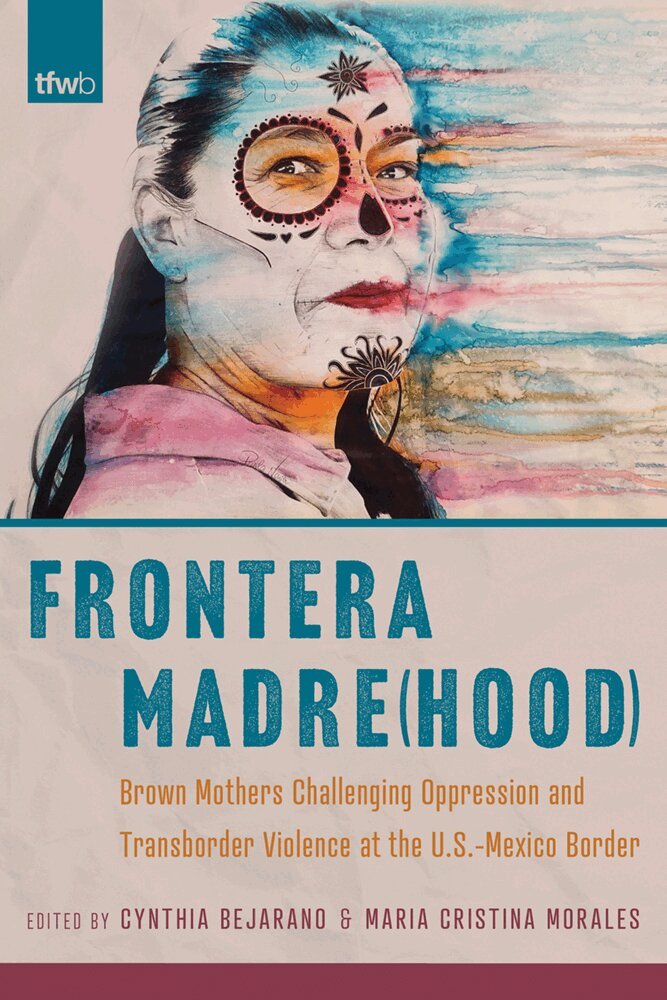
Frontera Madre(hood)
Brown Mothers Challenging Oppression and Transborder Violence at the U.S.-Mexico Border
Häftad, Engelska, 2024
311 kr
Skickas inom 7-10 vardagar
The topic of mothers and mothering transcends all spaces, from popular culture to intellectual thought and critique. This collection of essays bridges both methodological and theoretical frameworks to explore forms of mothering that challenge hegemonic understandings of parenting and traditional notions of Latinx womxnhood. It articulates the collective experiences of Latinx, Black, and Indigenous mothering from both sides of the U.S.-Mexico border.Thirty contributors discuss their lived experiences, research, or community work challenging multiple layers of oppression, including militarization of the border, border security propaganda, feminicides, drug war and colonial violence, grieving and loss of a child, challenges and forms of resistance by Indigenous mothers, working mothers in maquiladoras, queer mothering, academia and motherhood, and institutional barriers by government systems to access affordable health care and environmental justice. Also central to this collection are questions on how migration and detention restructure forms of mothering. Overall, this collection encapsulates how mothering is shaped by the geopolitics of border zones, which also transcends biological, sociological, or cultural and gendered tropes regarding ideas of motherhood, who can mother, and what mothering personifies.ContributorsElva M. ArredondoCynthia BejaranoBertha A. BermÚdez TapiaMargaret Brown VegaMacrina CÁrdenas MontaÑoClaudia Yolanda CasillasLuz Estela (Lucha) CastroMarisa Elena DuarteTaide ElenaSylvia FernÁndez QuintanillaPaula Flores BonillaJudith Flores CarmonaSandra GutiÉrrezMa. Eugenia HernÁndez SÁnchezIrene LaraLeticia LÓpez ManzanoEduardo MartinezMaria Cristina MoralesPaola Isabel Nava GonzalesOlga Odgers-OrtizPriscilla PÉrezSilvia Quintanilla MorenoCirila Quintero RamÍrezFelicia Rangel-SamponaroCoda Rayo-GarzaShamma Rayo-GutierrezMarisol RodrÍguez SosaBrenda RubioAriana SaludaresVictoria M. TellesMichelle TÉllezMarisa S. TorresEdith TreviÑo EspinosaMariela VÁsquez TobonHilda Villegas
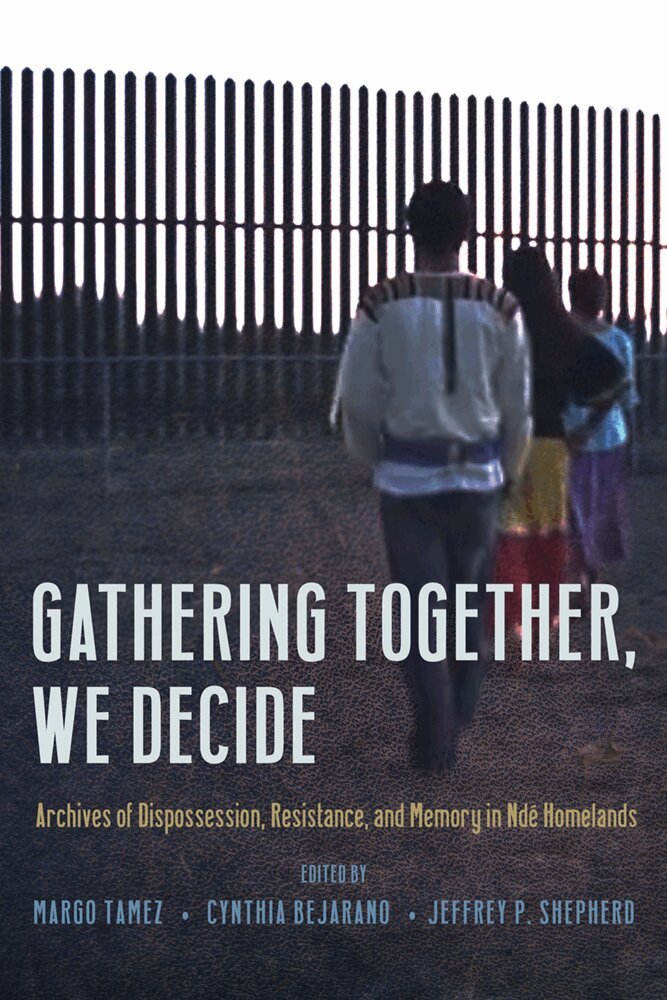
Gathering Together, We Decide
Archives of Dispossession, Resistance, and Memory in Ndé Homelands
Häftad, Engelska, 2025
364 kr
Skickas inom 7-10 vardagar
In 2007, the Department of Homeland Security began condemnation proceedings on the property of Dr. Eloisa Tamez, a Lipan Apache (Ndé ) professor, veteran, and title holder to land in South Texas deeded to her ancestors under the colonial occupation and rule of King Charles III of Spain in 1761, during a time when Indigenous lands were largely taken and exploited by Spanish colonizers. Crown grants of lands to Indigenous peoples afforded them the opportunity to reclaim Indigenous title and control. The federal government wanted Tamez's land to build a portion of the 'border wall' on the U.S.-Mexico border. She refused. In 2008, the Department of Homeland Security sued her, but she countersued based on Aboriginal land rights, Indigenous inherent rights, the land grant from Spain, and human rights. This standoff continued for years, until the U.S. government forced Tamez to forfeit land for the wall. In response, Dr. Eloisa Tamez and her daughter, Dr. Margo Tamez, organized a gathering of Lipan tribal members, activists, lawyers, and allies to meet in El Calaboz, South Texas. This gathering was a response to the appropriation of the Tamez family land, but it also provided an international platform to dispute the militarization of Indigenous territory throughout the U.S.-Mexico bordered-lands. The gathering and years of ensuing resistance and activism produced an archive of scholarly analyses, testimonios, artwork, legal briefs, poetry, and other cultural productions. This unique collection spotlights powerful voices and perspectives from Ndé leaders, Indigenous elders, settler-allies, Native youth, and others associated with the Tamez family, the Ndé defiance, and the larger Indigenous rights movement to document their resistance expose, confront, and end racism and militarization and to foreground Indigenous women-led struggles for justice.
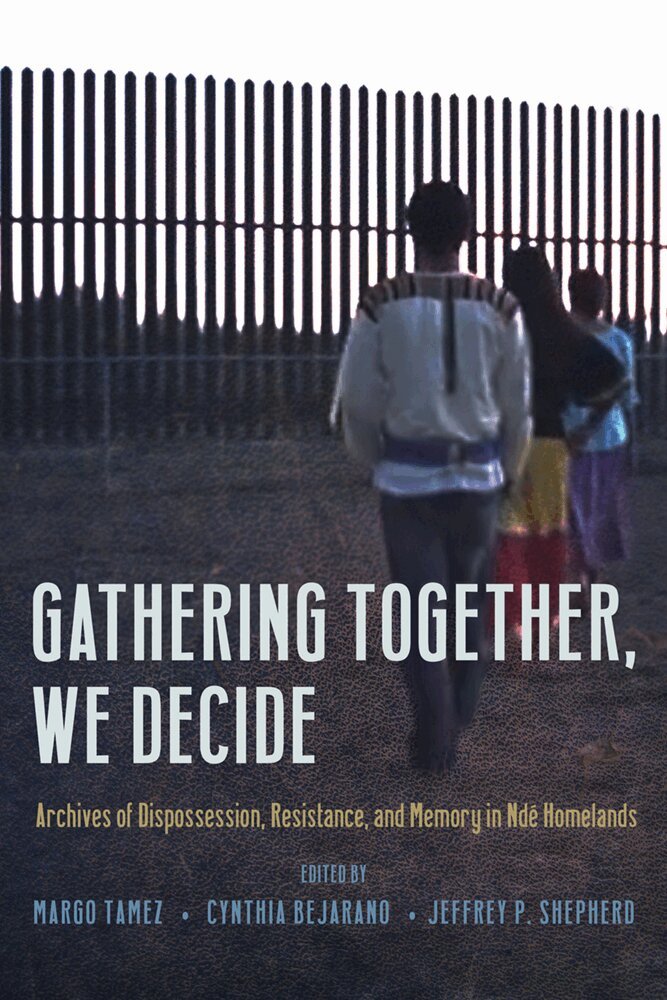
Gathering Together, We Decide
Archives of Dispossession, Resistance, and Memory in Ndé Homelands
Inbunden, Engelska, 2025
1 064 kr
Skickas inom 7-10 vardagar
In 2007, the Department of Homeland Security began condemnation proceedings on the property of Dr. Eloisa Tamez, a Lipan Apache (NdÉ) professor, veteran, and title holder to land in South Texas deeded to her ancestors under the colonial occupation and rule of King Charles III of Spain in 1761, during a time when Indigenous lands were largely taken and exploited by Spanish colonizers. Crown grants of lands to Indigenous peoples afforded them the opportunity to reclaim Indigenous title and control. The federal government wanted Tamez’s land to build a portion of the “border wall” on the U.S.-Mexico border. She refused. In 2008, the Department of Homeland Security sued her, but she countersued based on Aboriginal land rights, Indigenous inherent rights, the land grant from Spain, and human rights. This standoff continued for years, until the U.S. government forced Tamez to forfeit land for the wall. In response, Dr. Eloisa Tamez and her daughter, Dr. Margo Tamez, organized a gathering of Lipan tribal members, activists, lawyers, and allies to meet in El Calaboz, South Texas. This gathering was a response to the appropriation of the Tamez family land, but it also provided an international platform to dispute the militarization of Indigenous territory throughout the U.S.-Mexico bordered-lands. The gathering and years of ensuing resistance and activism produced an archive of scholarly analyses, testimonios, artwork, legal briefs, poetry, and other cultural productions. This unique collection spotlights powerful voices and perspectives from NdÉ leaders, Indigenous elders, settler-allies, Native youth, and others associated with the Tamez family, the NdÉ defiance, and the larger Indigenous rights movement to document their resistance; expose, confront, and end racism and militarization; and to foreground Indigenous women–led struggles for justice.