Cynthia L. Bejarano - Böcker
Visar alla böcker från författaren Cynthia L. Bejarano. Handla med fri frakt och snabb leverans.
2 produkter
2 produkter
475 kr
Skickas inom 3-6 vardagar
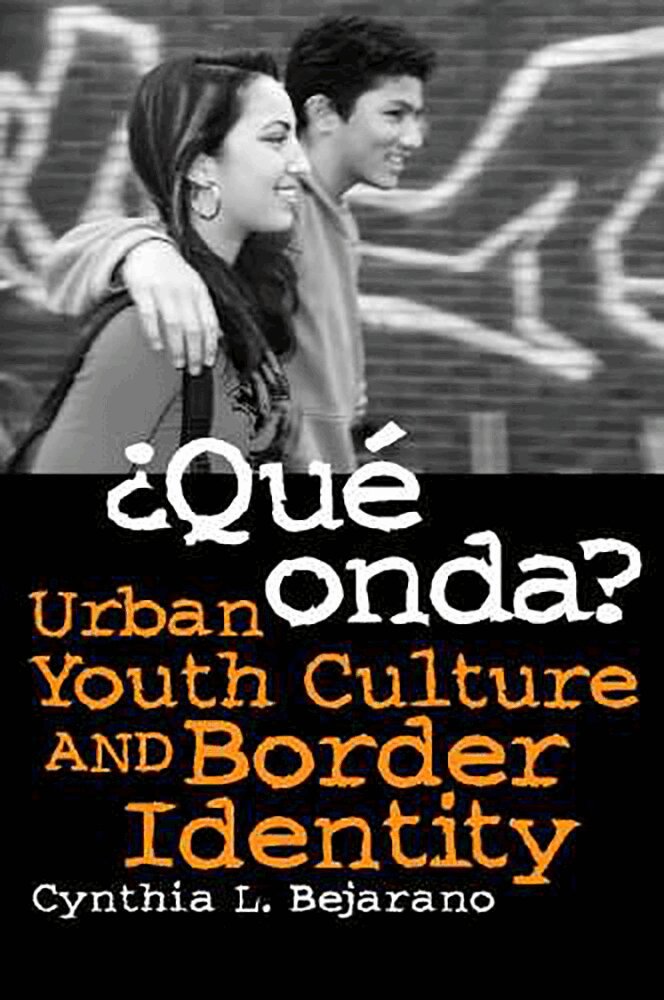
Angel was born in Arizona and is part of the in-crowd. She likes clubbing, dancing, and going to car shows. Betzayra is from Mexico City and, despite polio-related disabilities, is the confident group leader of the Mexican girls. Arturo is also from Mexico City; he dresses more fashionably than most other boys and is taunted by the Chicanos. Evelyn was born in Arizona, but her mother was from Mexico and she hangs out with Mexican kids because she thinks they?re nicer than Chicanos. How these and some two dozen other young Latinas and Latinos interact forms the basis of a penetrating new study of identity formation among Mexican-origin border youths, taking readers directly into their world to reveal the labyrinth they navigate to shape their identities. For Latina/o adolescents who already find life challenging, the borderland is a place that presents continual affirmations of and contradictions about identity?questions of who is more Mexican than American or vice versa. This book analyzes the construction of Mexicana/o and Chicana/o identities through a four-year ethnographic study in a representative American high school.It reveals how identity politics impacts young people's forms of communication and the cultural spaces they occupy in the school setting. By showing how identities are created and directly influenced by the complexities of geopolitics and sociocultural influences, it stresses the largely unexplored divisions among youths whose identities are located along a wide continuum of ?Mexicanness.? Through in-depth interviews and focus groups with both Mexicana/o and Chicana/o students, Cynthia Bejarano explores such topics as the creation of distinct styles that reinforce differences between the two groups; the use of language to further distinguish themselves from one another; and social stratification perpetuated by internal colonialism and the ?Othering? process. These and other issues are shown to complicate how Latinas/os ethnically identify as Mexicanas/os or Chicanas/os and help explain how they get to this point. In contrast to research that views identity as a reflection of immigration or educational experiences, this study embraces border theory to frame the complex and conflicted relations of adolescents as a result of their identity-making processes.This intimate glimpse into their lives provides valuable information about the diversity among youths and their constant efforts to create, define, and shape their identities according to cultural and social structures.
379 kr
Skickas inom 7-10 vardagar
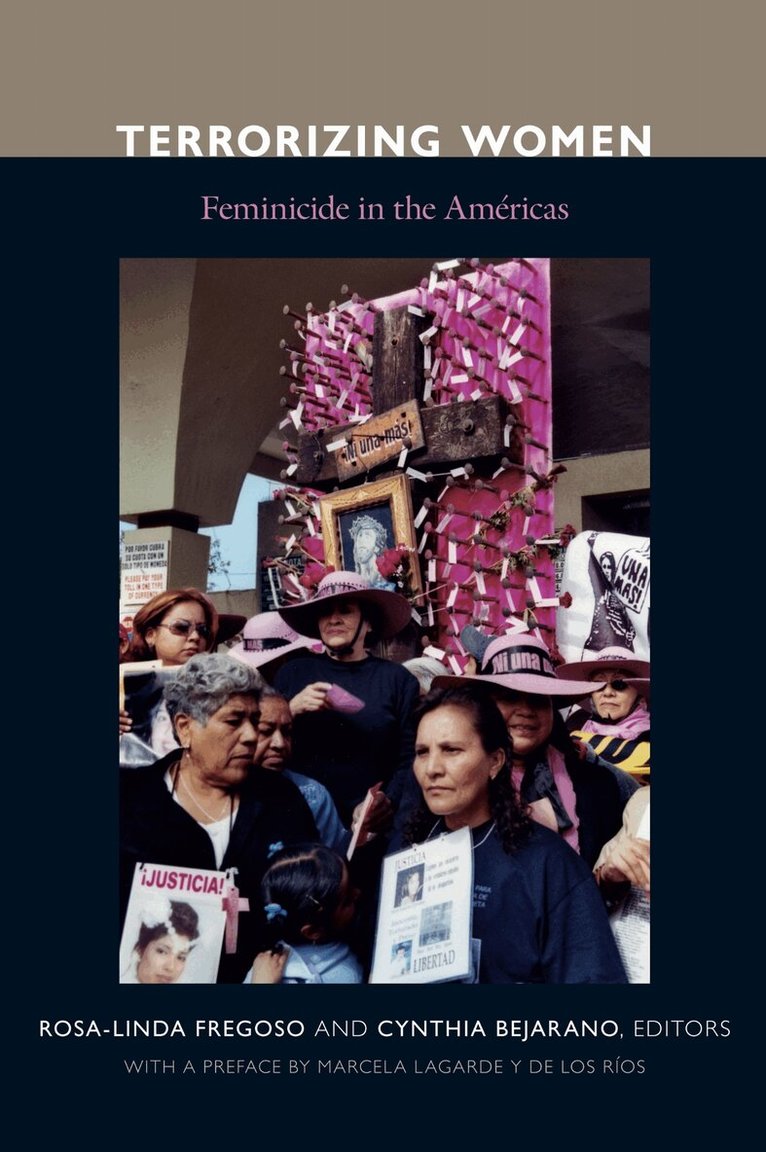
More than 600 women and girls have been murdered and more than 1,000 have disappeared in the Mexican state of Chihuahua since 1993. Violence against women has increased throughout Mexico and in other countries, including Argentina, Costa Rica, Guatemala, and Peru. Law enforcement officials have often failed or refused to undertake investigations and prosecutions, creating a climate of impunity for perpetrators and denying truth and justice to survivors of violence and victims’ relatives. Terrorizing Women is an impassioned yet rigorously analytical response to the escalation in violence against women in Latin America during the past two decades. It is part of a feminist effort to categorize violence rooted in gendered power structures as a violation of human rights. The analytical framework of feminicide is crucial to that effort, as the editors explain in their introduction. They define feminicide as gender-based violence that implicates both the state (directly or indirectly) and individual perpetrators. It is structural violence rooted in social, political, economic, and cultural inequalities. Terrorizing Women brings together essays by feminist and human rights activists, attorneys, and scholars from Latin America and the United States, as well as testimonios by relatives of women who were disappeared or murdered. In addition to investigating egregious violations of women’s human rights, the contributors consider feminicide in relation to neoliberal economic policies, the violent legacies of military regimes, and the sexual fetishization of women’s bodies. They suggest strategies for confronting feminicide; propose legal, political, and social routes for redressing injustices; and track alternative remedies generated by the communities affected by gender-based violence. In a photo essay portraying the justice movement in Chihuahua, relatives of disappeared and murdered women bear witness to feminicide and demand accountability. Contributors: Pascha Bueno-Hansen, Adriana Carmona LÓpez, Ana Carcedo CabaÑas, Jennifer Casey, Lucha Castro RodrÍguez , AngÉlica ChÁzaro, Rebecca Coplan, HÉctor DomÍnguez-Ruvalcaba, Marta Fontenla, Alma Gomez Caballero, Christina Iturralde, Marcela Lagarde y de los RÍos, Julia Estela MonÁrrez Fragoso, Hilda Morales Trujillo, Mercedes Olivera, Patricia Ravelo Blancas, Katherine Ruhl, Montserrat Sagot, Rita Laura Segato, Alicia Schmidt Camacho, William Paul Simmons, Deborah M. Weissman, Melissa W. Wright