D. Christopher Gabbard – författare
Visar alla böcker från författaren D. Christopher Gabbard. Handla med fri frakt och snabb leverans.
7 produkter
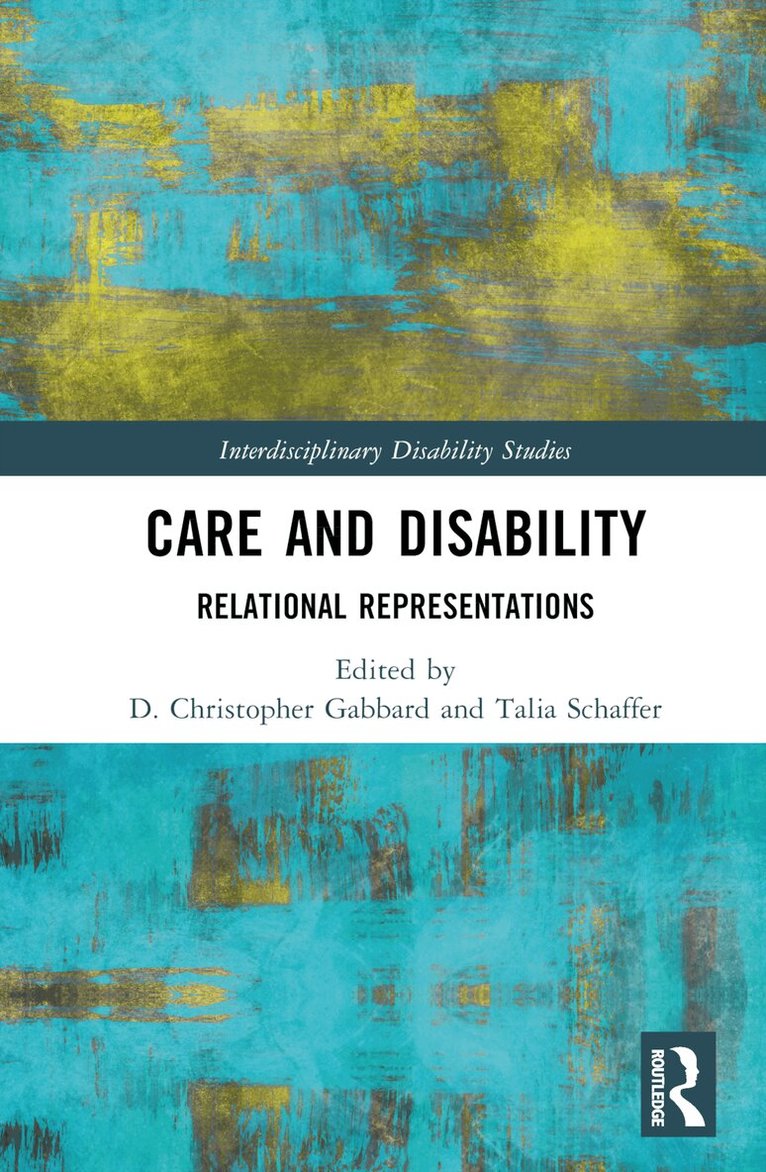
Care and Disability
Relational Representations
Av D. Christopher Gabbard, Talia Schaffer
Inbunden, 2025
2888 kr
Lägg i varukorg
Care and Disability is an edited collection offering critical perspectives on representations of care and disability, by emerging and established scholars across multiple periods, regions, and genres of literary studies.The authors demonstrate the range of fields in which care ethics can elucidate …
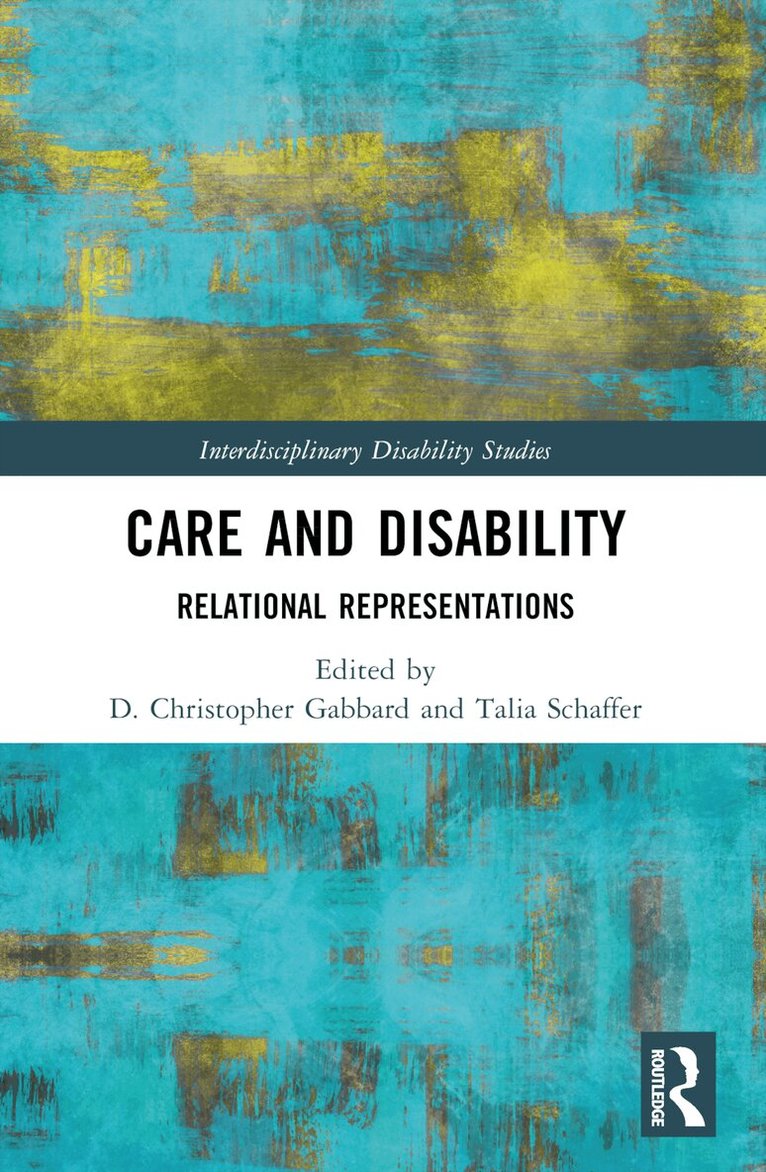
Care and Disability
Relational Representations
Av D. Christopher Gabbard, Talia Schaffer
Häftad, 2026
812 kr
Lägg i varukorg
Care and Disability is an edited collection offering critical perspectives on representations of care and disability, by emerging and established scholars across multiple periods, regions, and genres of literary studies.The authors demonstrate the range of fields in which care ethics can elucidate …
Care and Disability
Relational Representations
Av Talia Schaffer, D. Christopher Gabbard
E-bok, 2025
935 kr
Lägg i varukorg
Care and Disability is an edited collection offering critical perspectives on representations of care and disability, by emerging and established scholars across multiple periods, regions, and genres of literary studies. The authors demonstrate the range of fields in which care ethics can elucidate …
Care and Disability
Relational Representations
Av Talia Schaffer, D. Christopher Gabbard
E-bok, 2025
956 kr
Lägg i varukorg
Care and Disability is an edited collection offering critical perspectives on representations of care and disability, by emerging and established scholars across multiple periods, regions, and genres of literary studies. The authors demonstrate the range of fields in which care ethics can elucidate …
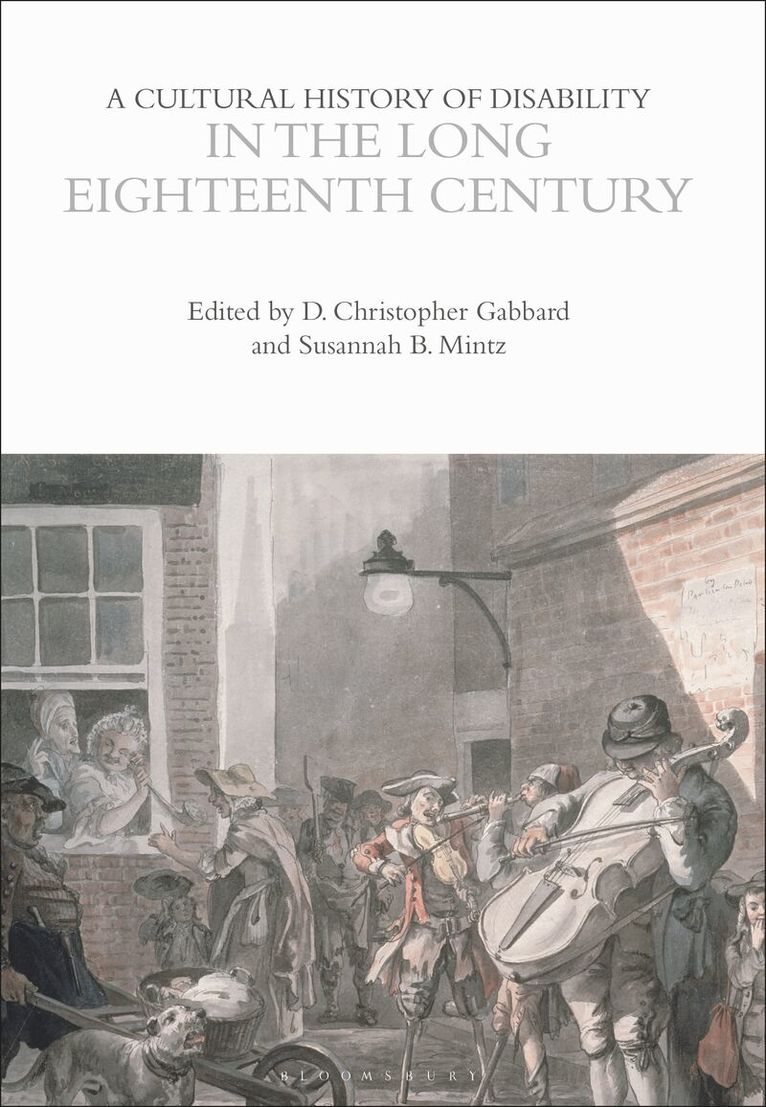
Cultural History of Disability in the Long Eighteenth Century
Av D. Christopher Gabbard, Susannah B. Mintz
Inbunden, 2023
1295 kr
Lägg i varukorg
18th century philosopher Edmund Burke wrote, ‘deformity is opposed, not to beauty, but to the complete, common form. If one of the legs of a man be found shorter than the other, the man is deformed; because there is something wanting to complete the whole idea we form of a man’. During the long …
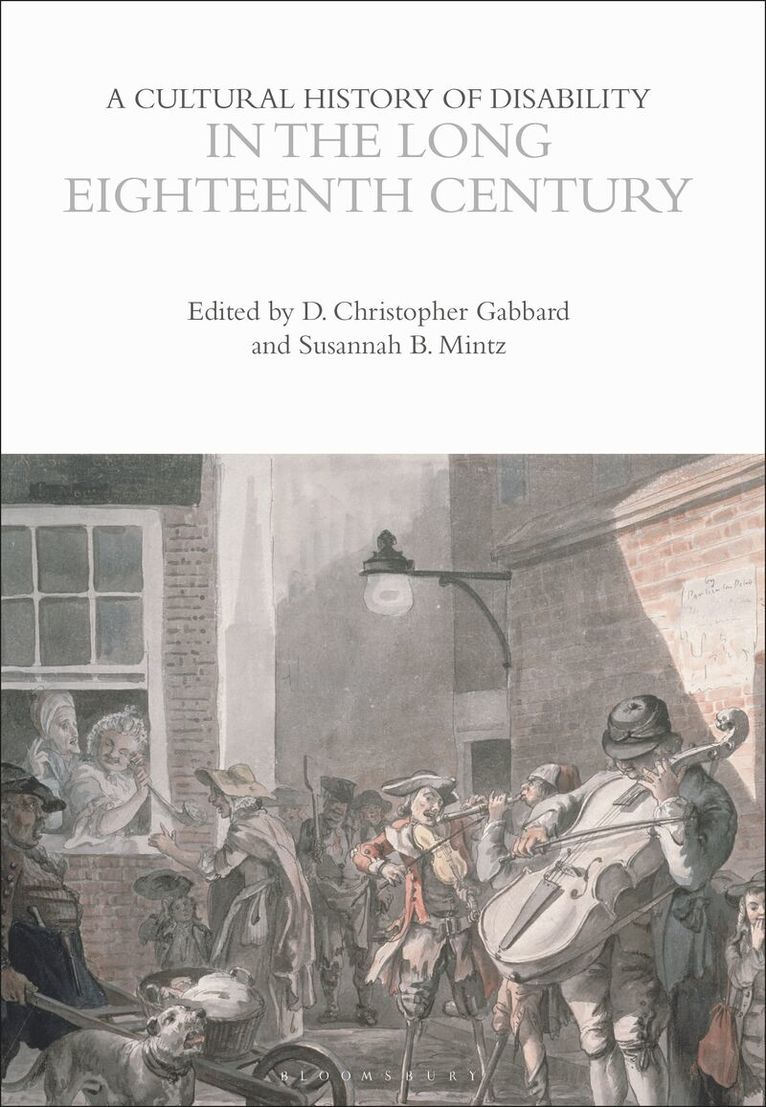
Cultural History of Disability in the Long Eighteenth Century
Av D. Christopher Gabbard, Susannah B. Mintz
E-bok, 2023
470 kr
Lägg i varukorg
18th century philosopher Edmund Burke wrote, ''deformity is opposed, not to beauty, but to the complete, common form. If one of the legs of a man be found shorter than the other, the man is deformed; because there is something wanting to complete the whole idea we form of a man''. During the long …
Cultural History of Disability in the Long Eighteenth Century
Av D. Christopher Gabbard, Susannah B. Mintz
Häftad, 2024
442 kr
Lägg i varukorg
18th century philosopher Edmund Burke wrote, ‘deformity is opposed, not to beauty, but to the complete, common form. If one of the legs of a man be found shorter than the other, the man is deformed; because there is something wanting to complete the whole idea we form of a man’. During the long …