D. Hawkes – författare
Visar alla böcker från författaren D. Hawkes. Handla med fri frakt och snabb leverans.
9 produkter
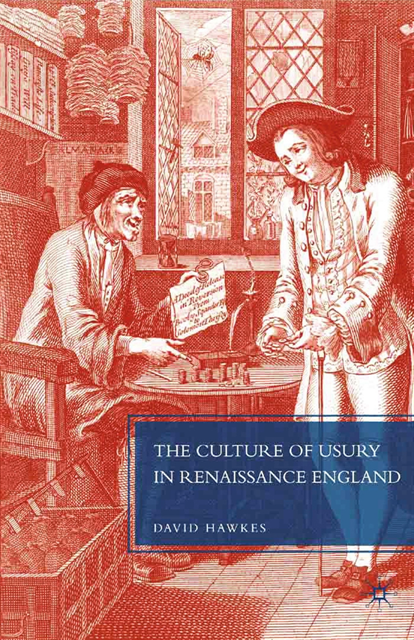
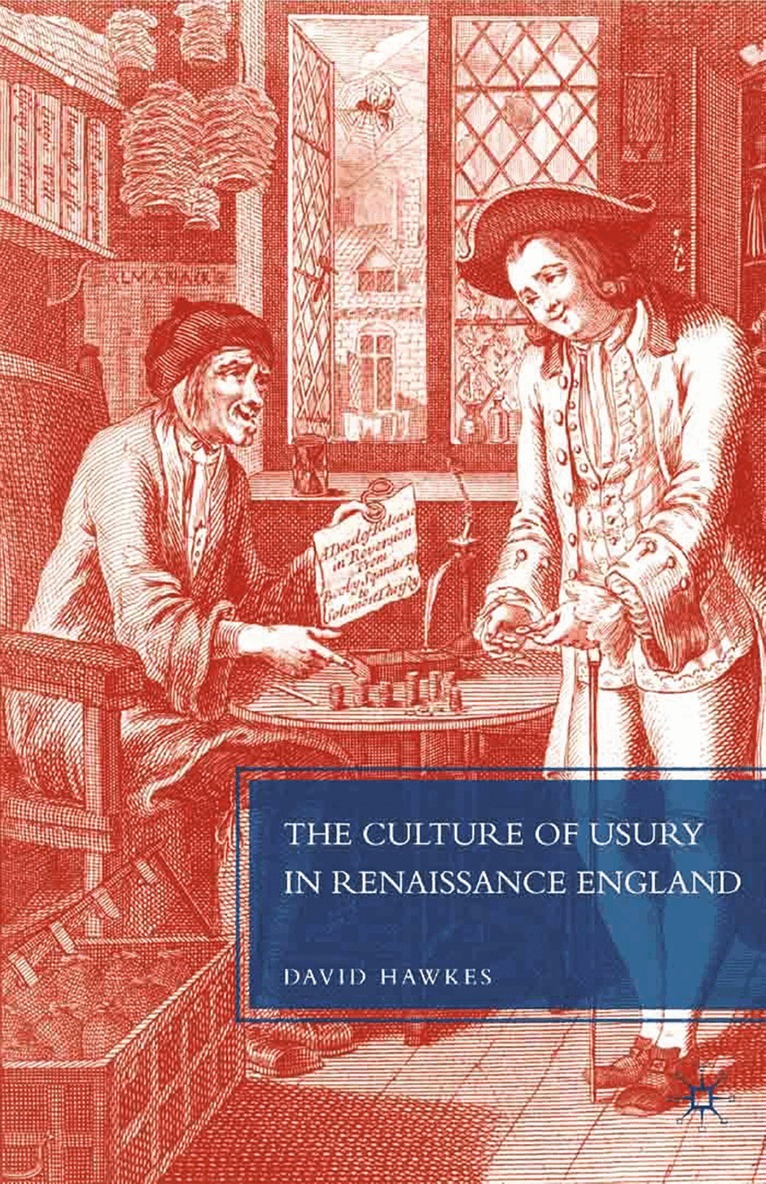
Culture of Usury in Renaissance England
Av D. Hawkes
E-bok, 2010
896 kr
Lägg i varukorg
This book examines the ways in which usury was perceived and portrayed as it rose to popularity in Renaissance England, taking into account the works of key literary figures of this period, including Milton and Shakespeare.
Faust Myth
Religion and the Rise of Representation
Av D. Hawkes
E-bok, 2007
877 kr
Lägg i varukorg
This book traces the evolution of the Faust myth from the Sixteenth century to modern times. The authors studied include Marlowe, Calderon, Milton, Goethe, Byron, Dostoevsky, Wilde, Thomas Mann, and Salman Rushdie.
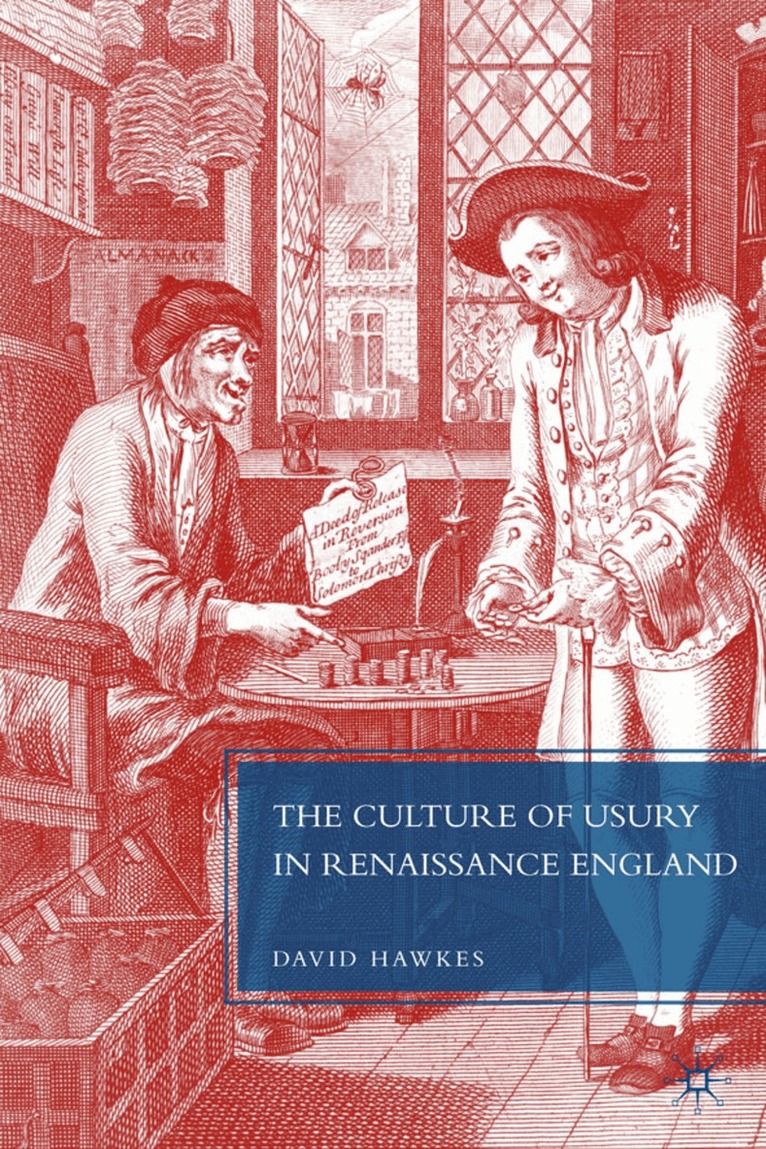
Culture of Usury in Renaissance England
Av D. Hawkes
Inbunden, 2010
634 kr
Lägg i varukorg
This book examines the ways in which usury was perceived and portrayed as it rose to popularity in Renaissance England, taking into account the works of key literary figures of this period, including Milton and Shakespeare.
Idols of the Marketplace
Idolatry and Commodity Fetishism in English Literature, 1580–1680
Av D. Hawkes
Inbunden, 2001
634 kr
Lägg i varukorg
Postmodern society seems incapable of elaborating an ethical critique of the market economy. Early modern society showed no such reticence. Between 1580 and 1680, Aristotelian teleology was replaced as the dominant mode of philosophy in England by Baconian empiricism. This was a process with …
Idols of the Marketplace
Idolatry and Commodity Fetishism in English Literature, 1580–1680
Av D. Hawkes
E-bok, 2001
896 kr
Lägg i varukorg
Postmodern society seems incapable of elaborating an ethical critique of the market economy. Early modern society showed no such reticence. Between 1580 and 1680, Aristotelian teleology was replaced as the dominant mode of philosophy in England by Baconian empiricism. This was a process with …
Culture of Usury in Renaissance England
Av D. Hawkes
Häftad, 2010
635 kr
Lägg i varukorg
This book examines the ways in which usury was perceived and portrayed as it rose to popularity in Renaissance England, taking into account the works of key literary figures of this period, including Milton and Shakespeare.
Idols of the Marketplace
Idolatry and Commodity Fetishism in English Literature, 1580–1680
Av D. Hawkes
Häftad, 2001
635 kr
Lägg i varukorg
Postmodern society seems incapable of elaborating an ethical critique of the market economy. Early modern society showed no such reticence. Between 1580 and 1680, Aristotelian teleology was replaced as the dominant mode of philosophy in England by Baconian empiricism. This was a process with …
Faust Myth
Religion and the Rise of Representation
Av D. Hawkes
Häftad, 2007
635 kr
Lägg i varukorg
This book traces the evolution of the Faust myth from the Sixteenth century to modern times. The authors studied include Marlowe, Calderon, Milton, Goethe, Byron, Dostoevsky, Wilde, Thomas Mann, and Salman Rushdie.
Faust Myth
Religion and the Rise of Representation
Av D. Hawkes
Inbunden, 2007
634 kr
Lägg i varukorg
This book traces the evolution of the Faust myth from the Sixteenth century to modern times. The authors studied include Marlowe, Calderon, Milton, Goethe, Byron, Dostoevsky, Wilde, Thomas Mann, and Salman Rushdie.