D. R. M. Irving – författare
Visar alla böcker från författaren D. R. M. Irving. Handla med fri frakt och snabb leverans.
10 produkter
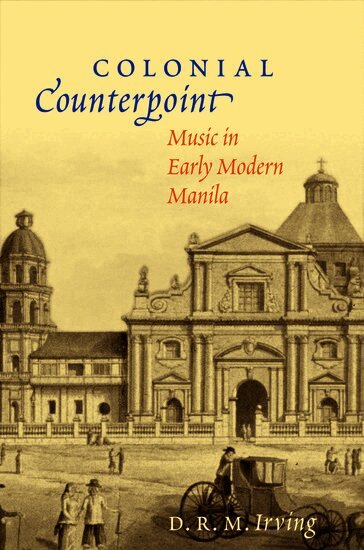
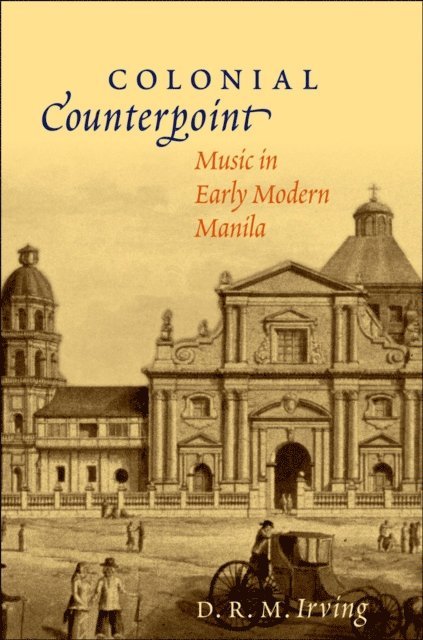
Colonial Counterpoint
Music in Early Modern Manila
Inbunden, 2010
846 kr
Lägg i varukorg
In this groundbreaking study, D. R. M. Irving reconnects the Philippines to current musicological discourse on the early modern Hispanic world. For some two and a half centuries, the Philippine Islands were firmly interlinked to Latin America and Spain through transoceanic relationships of …
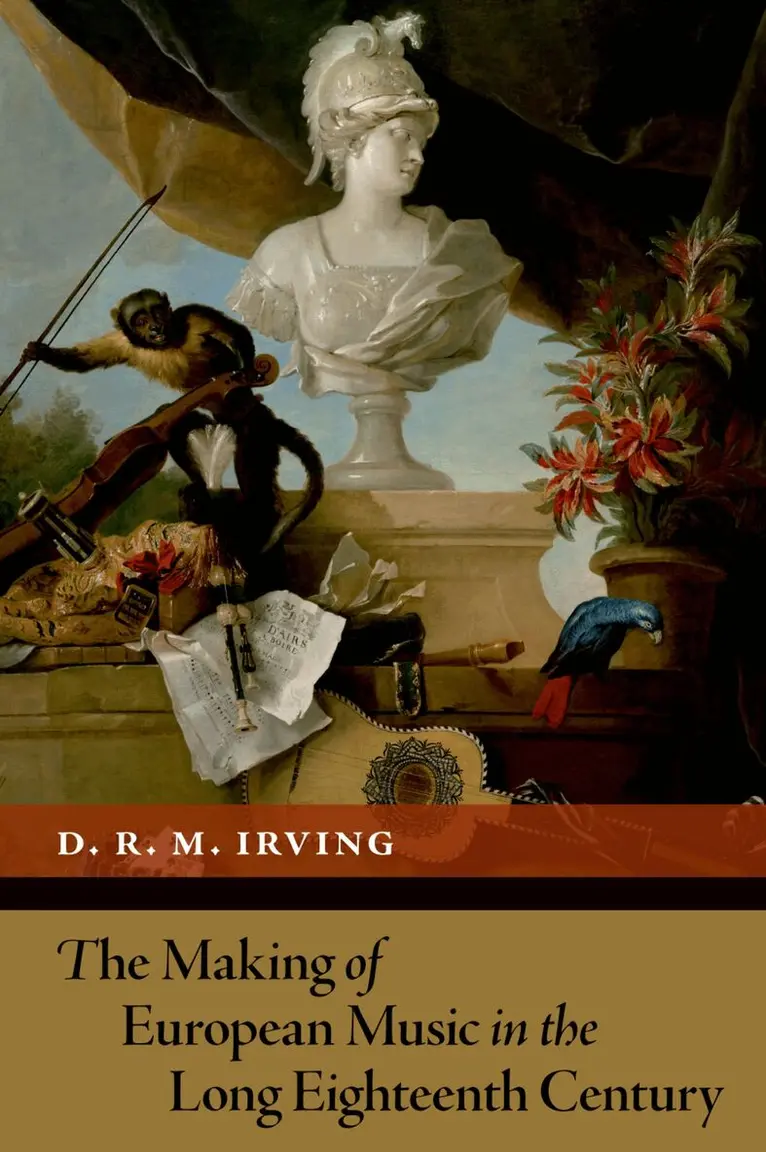
The Making of European Music in the Long Eighteenth Century
Inbunden, 2024
1403 kr
Lägg i varukorg
Musical representations of Europe in myth and allegory are well known, but when and under what circumstances did the words "European" and "music" become linked together? What did the resulting term mean in music before 1800 and how did it evolve into the label "Western music," which features so …
Making of European Music in the Long Eighteenth Century
E-bok, 2024
832 kr
Lägg i varukorg
Musical representations of Europe in myth and allegory are well known, but when and under what circumstances did the words "European" and "music" become linked together? What did the resulting term mean in music before 1800 and how did it evolve into the label "Western music," which features so …
Making of European Music in the Long Eighteenth Century
E-bok, 2024
850 kr
Lägg i varukorg
Musical representations of Europe in myth and allegory are well known, but when and under what circumstances did the words "European" and "music" become linked together? What did the resulting term mean in music before 1800 and how did it evolve into the label "Western music," which features so …
Colonial Counterpoint
Music in Early Modern Manila
E-bok, 2010
586 kr
Lägg i varukorg
Named one of BBC History Magazine''s "Books of the Year" in 2010 In this groundbreaking study, D. R. M. Irving reconnects the Philippines to current musicological discourse on the early modern Hispanic world. For some two and a half centuries, the Philippine Islands were firmly interlinked to Latin …
Colonial Counterpoint
Music in Early Modern Manila
E-bok, 2010
586 kr
Lägg i varukorg
Named one of BBC History Magazine''s "Books of the Year" in 2010 In this groundbreaking study, D. R. M. Irving reconnects the Philippines to current musicological discourse on the early modern Hispanic world. For some two and a half centuries, the Philippine Islands were firmly interlinked to Latin …
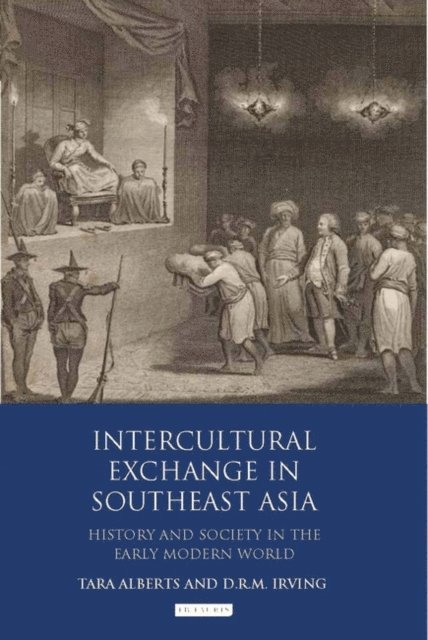
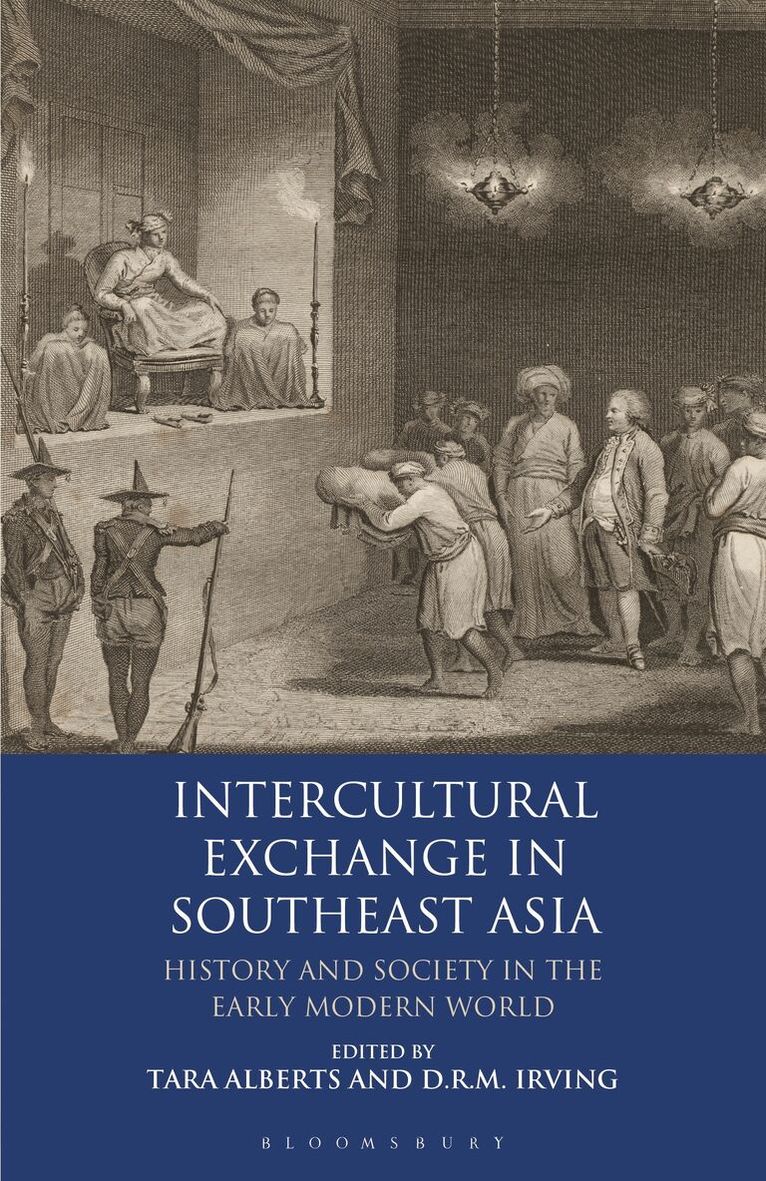
Intercultural Exchange in Southeast Asia
History and Society in the Early Modern World
Av Tara Alberts, D. R. M. Irving
E-bok, 2013
534 kr
Lägg i varukorg
At the dawn of European colonialism, the Southeast Asian region encompassed some of the most diverse and influential cultures in early modern history. The circulation of people, commodities, ideas and beliefs along the key trading routes, from the eastern edge of the Mughal empire to the southern …
Intercultural Exchange in Southeast Asia
History and Society in the Early Modern World
Av Tara Alberts, D. R. M. Irving
E-bok, 2013
534 kr
Lägg i varukorg
At the dawn of European colonialism, the Southeast Asian region encompassed some of the most diverse and influential cultures in early modern history. The circulation of people, commodities, ideas and beliefs along the key trading routes, from the eastern edge of the Mughal empire to the southern …
Intercultural Exchange in Southeast Asia
History and Society in the Early Modern World
Av Tara Alberts, D. R. M. Irving
Häftad, 2020
502 kr
Lägg i varukorg
At the dawn of European colonialism, the Southeast Asian region encompassed some of the most diverse and influential cultures in early modern history. The circulation of people, commodities, ideas and beliefs along the key trading routes, from the eastern edge of the Mughal empire to the southern …
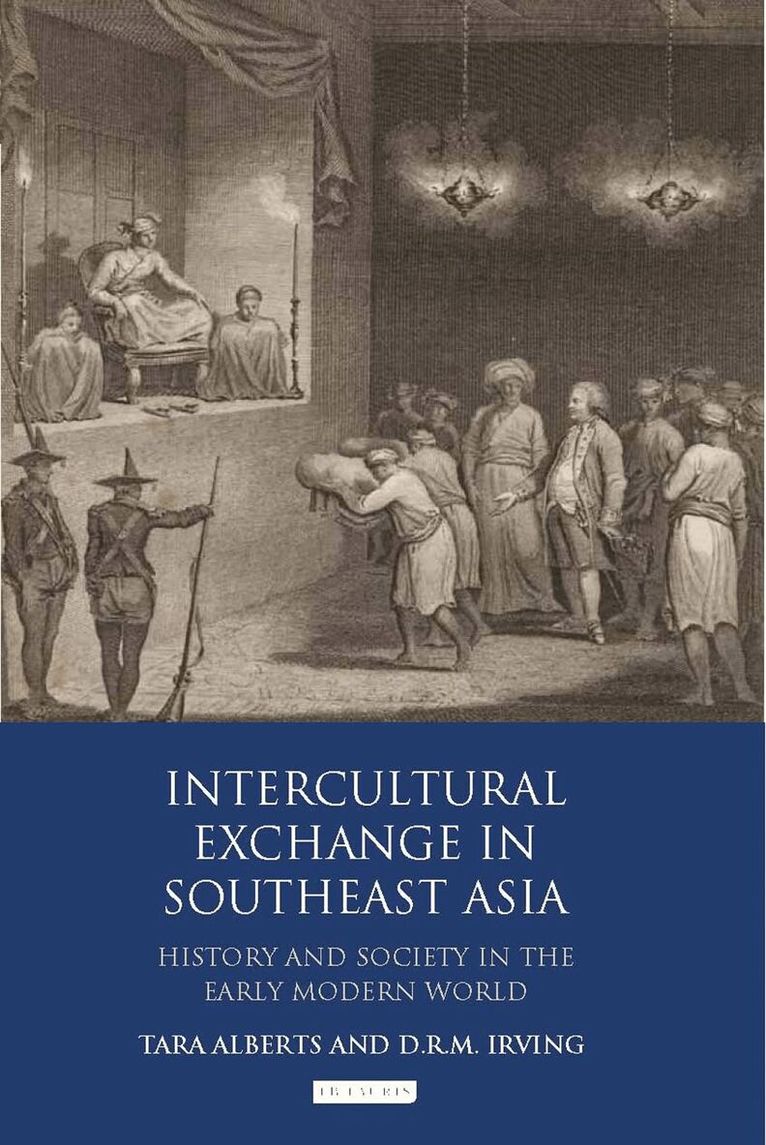
Intercultural Exchange in Southeast Asia
History and Society in the Early Modern World
Av Tara Alberts, D. R. M. Irving
Inbunden, 2013
2044 kr
Lägg i varukorg
At the dawn of European colonialism, the Southeast Asian region encompassed some of the most diverse and influential cultures in early modern history. The circulation of people, commodities, ideas and beliefs along the key trading routes, from the eastern edge of the Mughal empire to the southern …