D. V. Ablashi - Böcker
Visar alla böcker från författaren D. V. Ablashi. Handla med fri frakt och snabb leverans.
6 produkter
6 produkter
2 117 kr
Skickas inom 10-15 vardagar
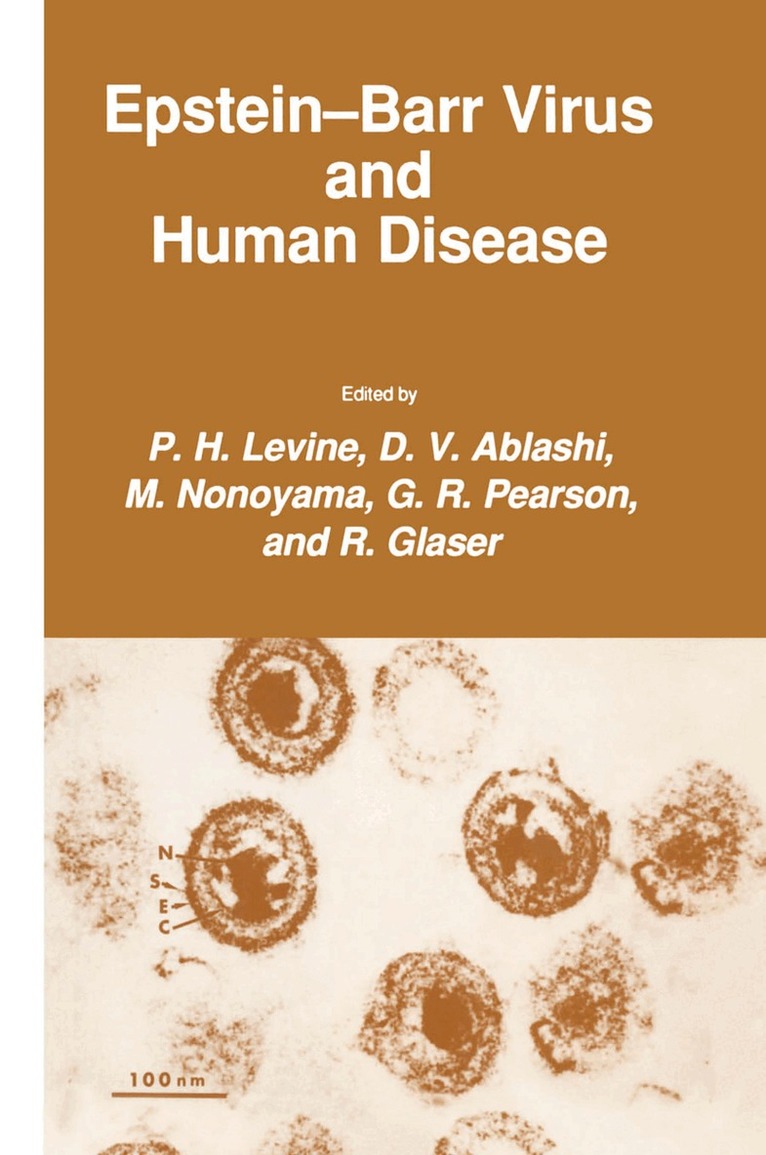
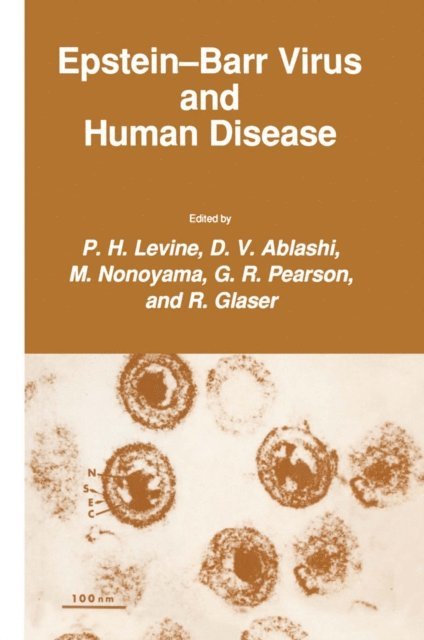
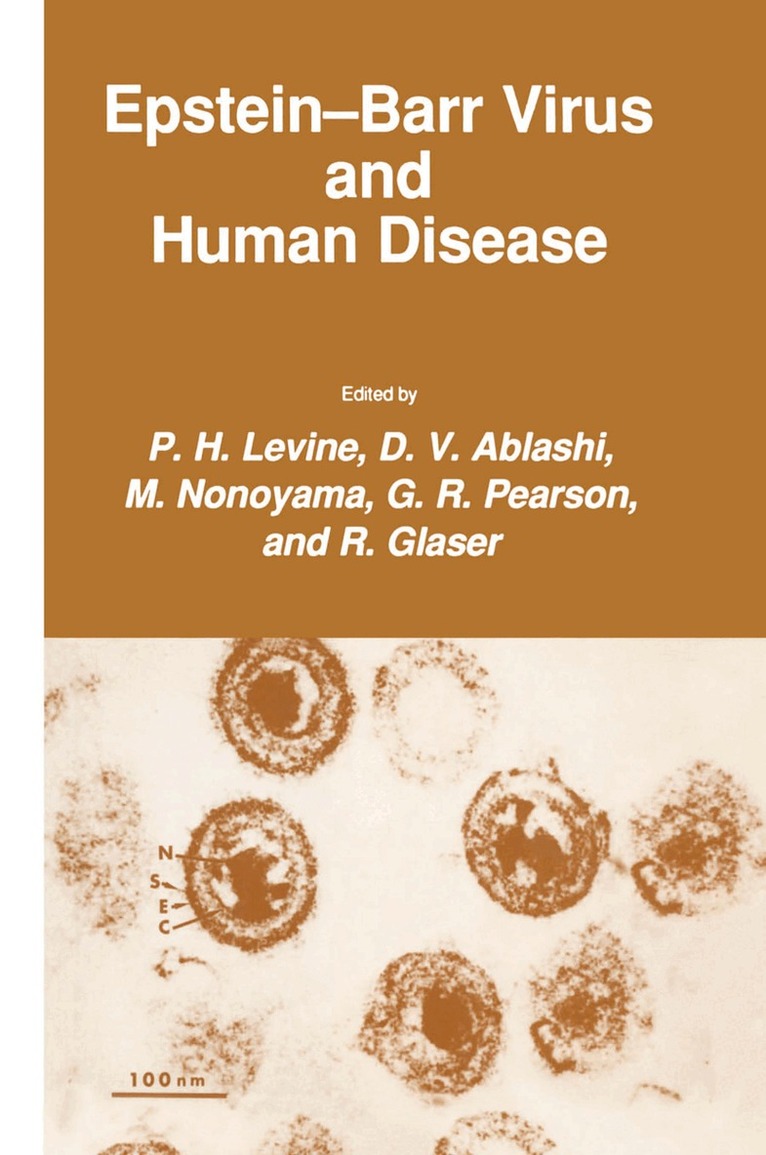
Since its discovery as the cause of infectious mononucleosis in 1964, the Epstein-Barr virus (EBV) has been etiologically implicated in an increasing number of human diseases. Generally considered the first human oncogenic virus because of a number of studies linking it with Burkitt's lymphoma and nasopharyngeal carcinoma (NPC), as well as its documented oncogenicity in nonhuman primates, EBVhas served as a model for identifying subsequent candidate oncogenic viruses and the stimulus for Evans' revision of the Henle-Koch postulates to accommodate the problems in proving viral oncogenicity in humans. Research on the role of EBV in human cancer was particularly en hanced (a) by the pioneering work of Werner and Gertrude Henle, and (b) by the coordinated efforts of the Special Virus Leukemia Program and its successors, the Special Virus Cancer Program and the Virus Cancer Program of the National Cancer Institute (NCI). Initiated by Dr. Frank J. Rauscher, who subsequently became director of the Ncr and is now Vice-President of the American Cancer Society, and expanded by Dr. John B. Moloney, whose contributions to cancer research were honored at this Second International Symposium on EBV and Associated Malignant Diseases, these NCI contract-sup ported programs brought together investigators from all over the world to participate in a joint effort to unravel the mystery of EBV behavior and pathogenicity. It was these programs that gave us the opportunity to work with such outstanding people as Professor Yohei Ito, to whom this book is dedicated.
2 180 kr
Skickas inom 10-15 vardagar
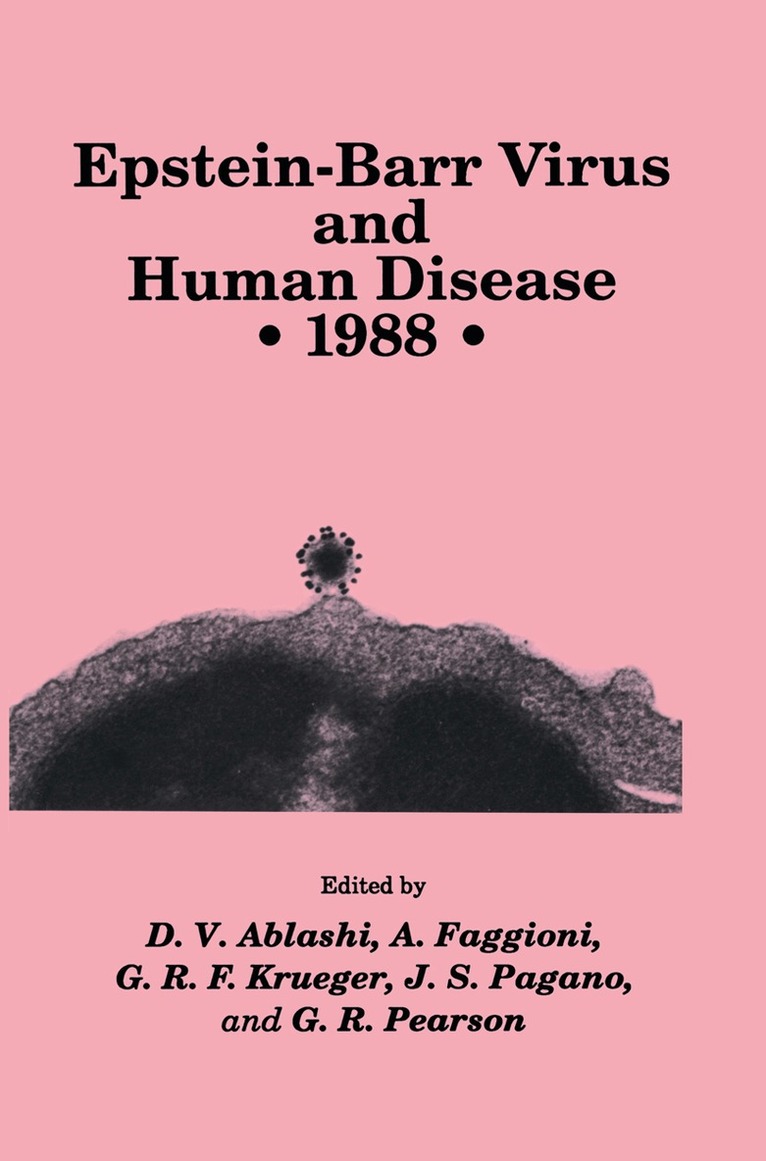
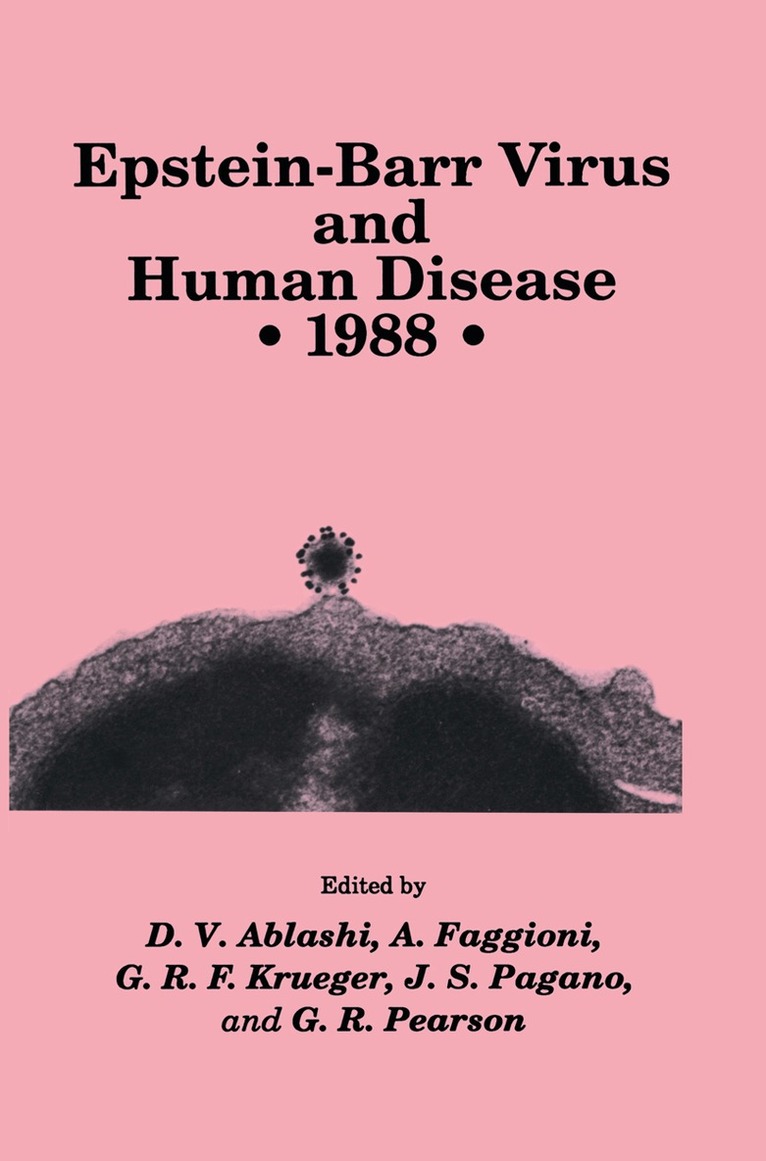
Epstein-Barr virus (EBV) is one of the most widespread human viruses, with over 80% of the general population exposed by young adulthood, as determined by antibody studies. Initial infection usu ally occurs during childhood or the teenage years. It is clear that, de pending on the age of the recipient, clinical manifestations of the primary infection can vary. It has been known for 20 years that EBV is the etiologic agent of acute infectious mononucleosis (IM) and is also closely associated with African Burkitt's lymphoma (BL) and naso it is a pharyngeal carcinoma (NPC). There is increasing evidence that factor in the etiology of B-celllymphomas, which arise at a high fre quency in immunodeficient populations. EBV may also contribute to the development of autoimmune disease. Thus, this virus continues to attract world-wide attention. The major target cell for EBV infection has now been conclusively identified as the complement receptor-type 2 (CR2), the Cd/Cdg 3 3 receptor on B lymphocyte. It is apparent, however, that other cells also can become infected by EBV, such as epithelial cells in the parotid gland and other epithelial cells in the upper respiratory tract. This might help account for the EBV-assodated carcinomas of the upper respiratory tract. The first in a series of international symposia on EBV -associated diseases focused primarily on Burkitt's-type lymphomas or on NPC (Kyoto 1977; Dusseldorf 1980; Kuala Lumpur 1982) and emphasized mainly the clinical elements of these diseases. Subsequent symposia (Loutraki, 1984; St.
Del 24 - Experimental Biology and Medicine
Epstein-Barr Virus and Human Disease · 1990
Inbunden, Engelska, 1991
1 637 kr
Skickas inom 10-15 vardagar
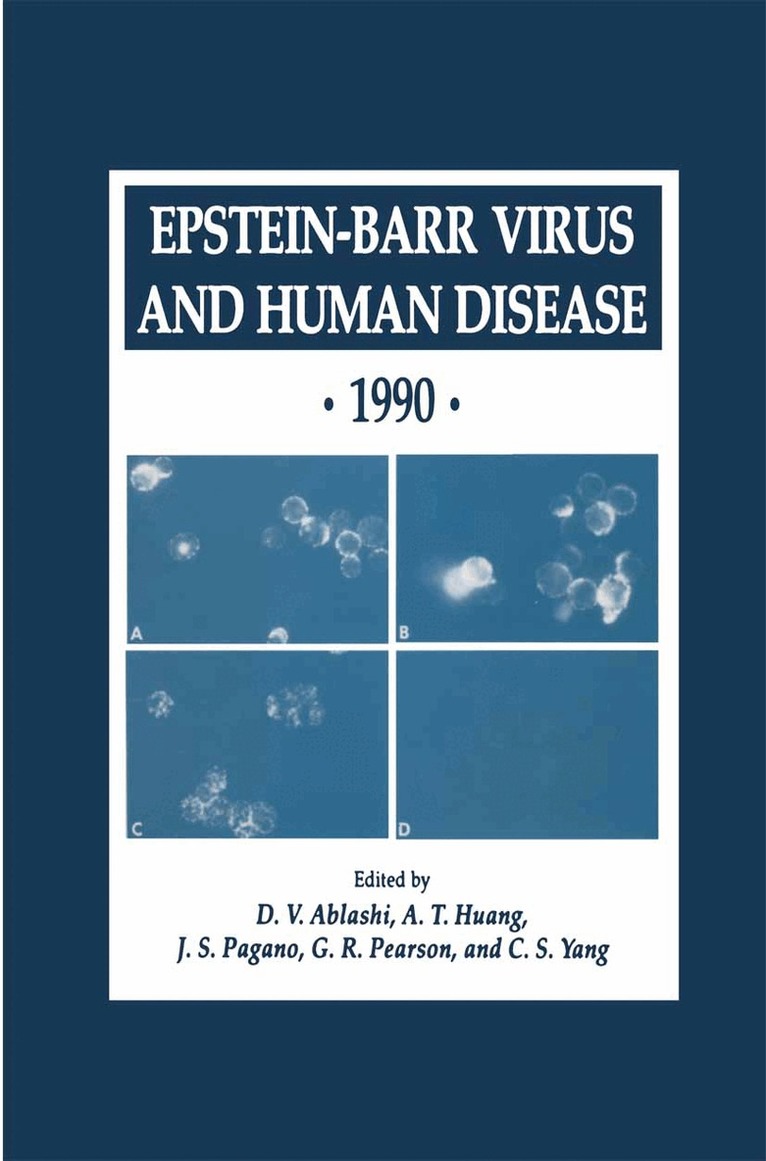
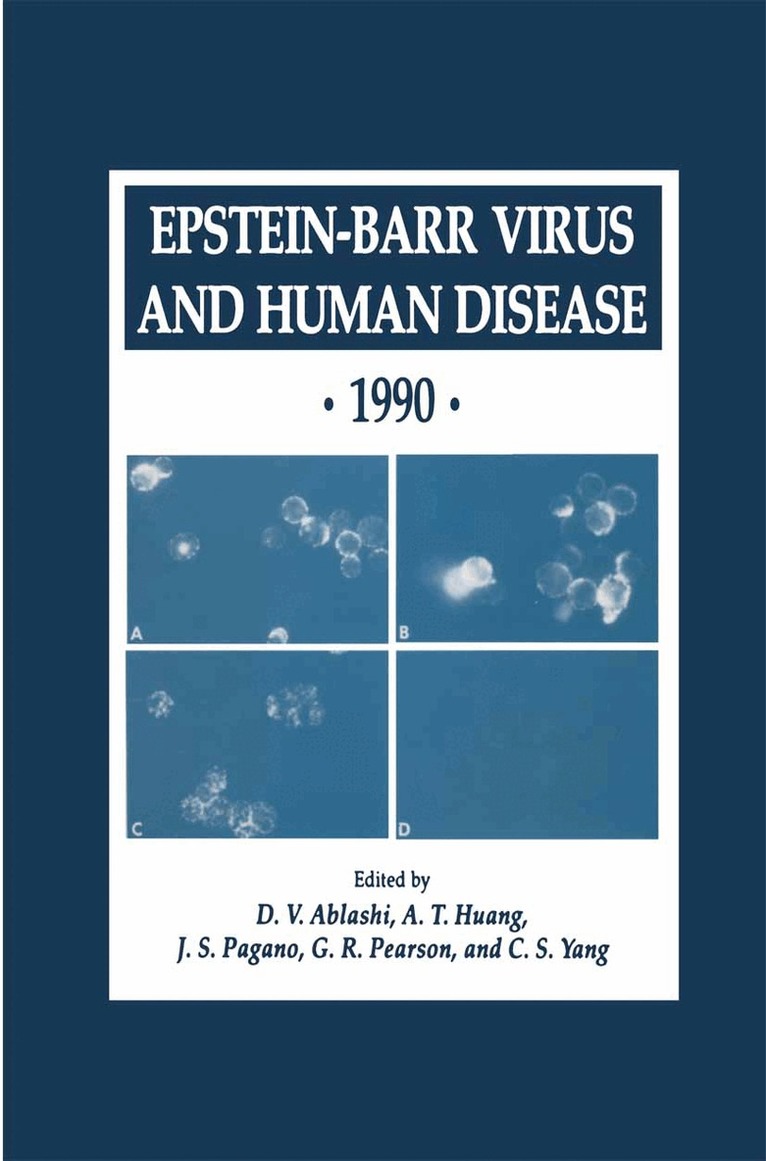
The Epstein-Barr virus continues to be the focus of much worldwide attention as a significant pathogen for a variety of human diseases, including certain types of cancer. In the new Epstein-Barr Virus and Human Disease 1990, special attention is given to investigations of the various genes responsible for the different manifestations caused by viral infection, as well as to promising new research that may yield clues to how cancer develops from a normal cell. In the present volume, renowned experts from many countries offer up-to-date information and insights into the fast-paced field of EBV research, including: nasopharyngeal carcinoma lymphoproliferative diseases molecular aspects of EBV molecular genetics of EBV pathobiology of EBV-related diseases immunology of EBV-related disorders future trends in EBV research. Epstein-Barr Virus and Human Disease 1990 is an essential resource for everyone concerned with either the experimental or clinical aspects of EBV virology, immunology, pathology, molecular biology, oncology, and related fields.
1 637 kr
Skickas inom 10-15 vardagar
The Epstein-Barr virus (EBV), isolated in 1966, continues to draw worldwide attention as an important human pathogen. Its impor tance is largely related to the continuing accumulation of evidence that implicates EBV as an etiological factor for certain types of human cancer. More recent investigations on this virus have focused on the identity of the viral genes responsible for the different disease mani festations observed following viral infection. It is hoped that by thorough investigation of this virus, clues to how cancer develops from a normal cell will surface. In addition, many of the gene products are now being exploited for the development of new and more sensitive tests for the diagnosis and clinical management of individu als with EBV -associated diseases. Thus, studies on this virus continue to provide new information of importance to our understanding of the malignant process. In an effort to attract both basic and clinical scientists to the same meeting for purposes of scientific exchange and fostering a closer interaction between these individuals, a series of international symposia was initiated in 1984. The first meeting was held in Loutraki, Greece, and was attended by approximately 100 participants. The second international symposium was held in St. Petersburg, Florida, in 1986, and was attended by approximately twice as many partici pants as attended the Loutraki meeting.
2 180 kr
Skickas inom 10-15 vardagar
Epstein-Barr virus (EBV) is one of the most widespread human viruses, with over 80% of the general population exposed by young adulthood, as determined by antibody studies. Initial infection usu ally occurs during childhood or the teenage years. It is clear that, de pending on the age of the recipient, clinical manifestations of the primary infection can vary. It has been known for 20 years that EBV is the etiologic agent of acute infectious mononucleosis (IM) and is also closely associated with African Burkitt's lymphoma (BL) and naso it is a pharyngeal carcinoma (NPC). There is increasing evidence that factor in the etiology of B-celllymphomas, which arise at a high fre quency in immunodeficient populations. EBV may also contribute to the development of autoimmune disease. Thus, this virus continues to attract world-wide attention. The major target cell for EBV infection has now been conclusively identified as the complement receptor-type 2 (CR2), the Cd/Cdg 3 3 receptor on B lymphocyte. It is apparent, however, that other cells also can become infected by EBV, such as epithelial cells in the parotid gland and other epithelial cells in the upper respiratory tract. This might help account for the EBV-assodated carcinomas of the upper respiratory tract. The first in a series of international symposia on EBV -associated diseases focused primarily on Burkitt's-type lymphomas or on NPC (Kyoto 1977; Dusseldorf 1980; Kuala Lumpur 1982) and emphasized mainly the clinical elements of these diseases. Subsequent symposia (Loutraki, 1984; St.
2 180 kr
Skickas inom 10-15 vardagar
Since its discovery as the cause of infectious mononucleosis in 1964, the Epstein-Barr virus (EBV) has been etiologically implicated in an increasing number of human diseases. Generally considered the first human oncogenic virus because of a number of studies linking it with Burkitt's lymphoma and nasopharyngeal carcinoma (NPC), as well as its documented oncogenicity in nonhuman primates, EBVhas served as a model for identifying subsequent candidate oncogenic viruses and the stimulus for Evans' revision of the Henle-Koch postulates to accommodate the problems in proving viral oncogenicity in humans. Research on the role of EBV in human cancer was particularly en hanced (a) by the pioneering work of Werner and Gertrude Henle, and (b) by the coordinated efforts of the Special Virus Leukemia Program and its successors, the Special Virus Cancer Program and the Virus Cancer Program of the National Cancer Institute (NCI). Initiated by Dr. Frank J. Rauscher, who subsequently became director of the Ncr and is now Vice-President of the American Cancer Society, and expanded by Dr. John B. Moloney, whose contributions to cancer research were honored at this Second International Symposium on EBV and Associated Malignant Diseases, these NCI contract-sup ported programs brought together investigators from all over the world to participate in a joint effort to unravel the mystery of EBV behavior and pathogenicity. It was these programs that gave us the opportunity to work with such outstanding people as Professor Yohei Ito, to whom this book is dedicated.