D. V. Subba Rao - Böcker
Visar alla böcker från författaren D. V. Subba Rao. Handla med fri frakt och snabb leverans.
4 produkter
4 produkter
754 kr
Skickas inom 10-15 vardagar
Highly recommended by CHOICE, Oct 2018Extremophiles are nature’s ultimate survivors, thriving in environments ranging from the frozen Antarctic to abyssal hot hydrothermal vents. Their lifeforms span bacteria to fishes, and are categorized as halophiles from hypersaline environments, acidophiles from acidic waters, psychrophiles from cold habitats, and thermophiles from warm waters. Extremophiles: From Biology to Biotechnology comprehensively covers the basic biology, physiology, habitats, secondary metabolites for bioprospecting, and biotechnology of these extreme survivors. The chapters focus on the novel genetic and biochemical traits that lend these organisms to biotechnological applications. Couples studies of marine extremophile biology/genomics and extremophile culture for biotechnological applications with the latest advances in bio-prospecting and bio-product development Includes practical experiments that a laboratory can use to replicate extreme habitats for research purposes Presents latest advances in extremophile genomics to give the reader a better understanding of the regulatory mechanisms of extremophiles Offers insights into the production of commercially important extremozymes, carotenoids, bioactive compounds and secondary metabolites of medicinal value. This unique guide serves as a resource for biotechnologists who wish to explore extremophiles for their commercial potential, as well as a valuable reference for teaching undergraduate, graduate and postgraduate students.
1 274 kr
Tillfälligt slut
Highly recommended by CHOICE, Oct 2018Extremophiles are nature’s ultimate survivors, thriving in environments ranging from the frozen Antarctic to abyssal hot hydrothermal vents. Their lifeforms span bacteria to fishes, and are categorized as halophiles from hypersaline environments, acidophiles from acidic waters, psychrophiles from cold habitats, and thermophiles from warm waters. Extremophiles: From Biology to Biotechnology comprehensively covers the basic biology, physiology, habitats, secondary metabolites for bioprospecting, and biotechnology of these extreme survivors. The chapters focus on the novel genetic and biochemical traits that lend these organisms to biotechnological applications. Couples studies of marine extremophile biology/genomics and extremophile culture for biotechnological applications with the latest advances in bio-prospecting and bio-product development Includes practical experiments that a laboratory can use to replicate extreme habitats for research purposes Presents latest advances in extremophile genomics to give the reader a better understanding of the regulatory mechanisms of extremophiles Offers insights into the production of commercially important extremozymes, carotenoids, bioactive compounds and secondary metabolites of medicinal value. This unique guide serves as a resource for biotechnologists who wish to explore extremophiles for their commercial potential, as well as a valuable reference for teaching undergraduate, graduate and postgraduate students.
1 417 kr
Skickas inom 7-10 vardagar
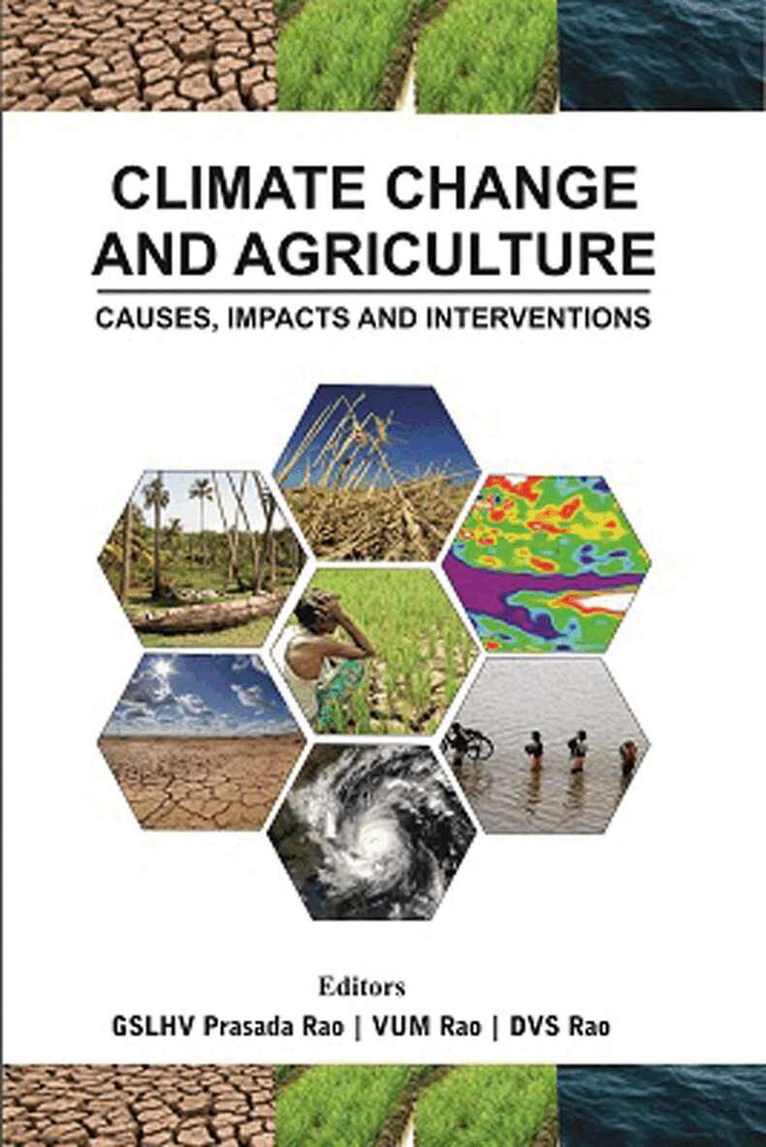
Climate change is a slow and gradual process that has taken millions of years to shape our planet into a habitable environment. It is not limited to any particular region or continent, as evidenced by the recent droughts in Texas and flooding along the Missouri River in the United States and the Red River in Canada. Climate change poses multiple challenges and interacts with various non-climatic stressors, making it difficult to predict its consequences in a general sense. However, it is evident that agriculture is under threat.Agroforestry can help mitigate the impact of climate change by increasing biodiversity in agricultural lands, which supports a range of ecological and production services that enhance resilience. However, managing climate change risks in annual cropping systems is challenging due to the increasing uncertainty of rainfall and temperature. By incorporating woody trees into crops, forage, and livestock operations, agroforestry can provide greater resilience to inter-annual variability through crop diversification and improved resource use efficiency.Deep-rooted trees allow better access to water and nutrients during droughts and can extract resources from different pools that would otherwise be lost. Agroforestry can also improve water infiltration, reduce runoff, and increase soil cover, which are essential for managing moisture stress in low rainfall areas. In periods of excessive moisture, tree-based systems can keep soils aerated by pumping out excess water, which helps prevent soil erosion and offers economic benefits.The book contains 36 chapters that focus primarily on agroforestry practices in India and their role in climate change mitigation and adaptation.
2 815 kr
Skickas inom 7-10 vardagar
Climate change is a gradual phenomenon that takes millions of years to occur and has made the Earth habitable for living beings. It is a global issue that affects various regions, including the United States, Canada, and Texas, where droughts and floods are common. Climate change poses a threat to agriculture, making it difficult to predict its impact on various systems.Agroforestry is a sustainable land use practice that increases diversity in agricultural lands, providing ecological and production services that enhance resilience to the impact of climate change mitigation and adaptation. Agroforestry offers a way to manage the risk of climate change in annual cropping systems by providing crop diversification and increased resource use efficiency.Deep-rooted trees in agroforestry systems help access nutrients and water during droughts, allowing for better use of resources. Agroforestry practices increase soil porosity, reduce runoff, and increase soil cover, which enhance water infiltration and reduce moisture stress during low rainfall periods. During periods of excessive soil moisture, tree-based systems help aerate the soil by pumping out excess water, offering economic benefits.