Dafna Zur - Böcker
Visar alla böcker från författaren Dafna Zur. Handla med fri frakt och snabb leverans.
2 produkter
2 produkter
639 kr
Skickas
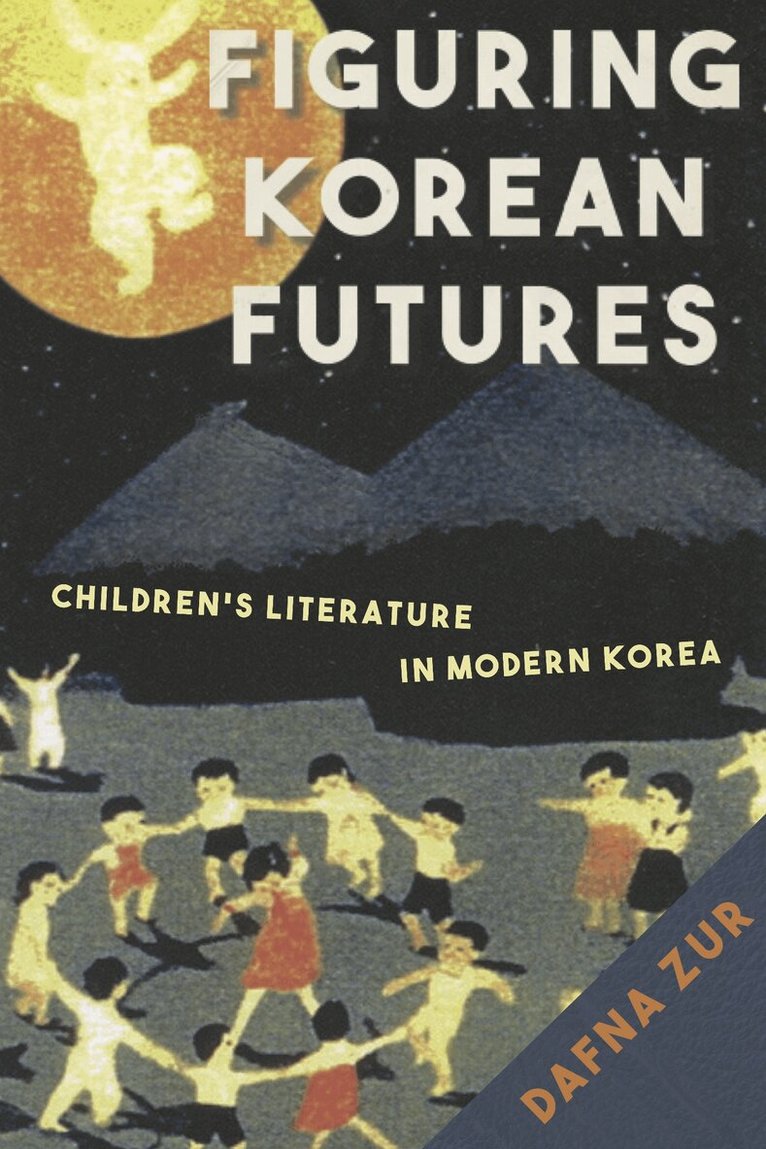
This book is the story of the emergence and development of writing for children in modern Korea. Starting in the 1920s, a narrator-adult voice began to speak directly to a child-reader. This child audience was perceived as unique because of a new concept: the child-heart, the perception that the child's body and mind were transparent and knowable, and that they rested on the threshold of culture. This privileged location enabled writers and illustrators, educators and psychologists, intellectual elite and laypersons to envision the child as a powerful antidote to the present and as an uplifting metaphor of colonial Korea's future. Reading children's periodicals against the political, educational, and psychological discourses of their time, Dafna Zur argues that the figure of the child was particularly favorable to the project of modernity and nation-building, as well as to the colonial and postcolonial projects of socialization and nationalization. She demonstrates the ways in which Korean children's literature builds on a trajectory that begins with the child as an organic part of nature, and ends, in the post-colonial era, with the child as the primary agent of control of nature. Figuring Korean Futures reveals the complex ways in which the figure of the child became a driving force of nostalgia that stood in for future aspirations for the individual, family, class, and nation.
292 kr
Kommande
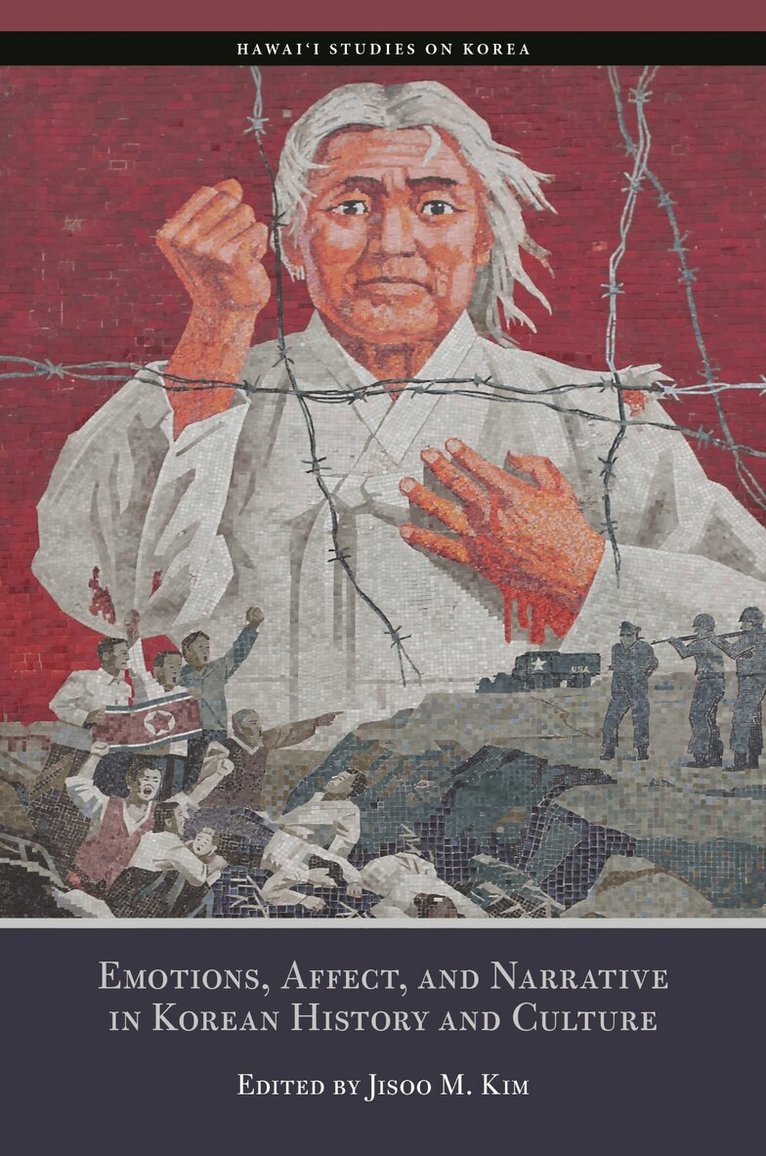
This collection of eleven essays explores emotions and affect in Korean culture across a broad temporal span, from the Koryŏ dynasty (918–1392) to the present. Drawing on a diverse array of sources—including memoirs, diplomatic letters, newspapers, films, video diaries, photographs, and ethnographic interviews—the volume examines how emotions intervene in public discourse and how affect is shaped, intensified, and managed through expressive practices. Each contributor’s critical intervention lies in offering a non-essentializing approach to studying emotions and affect in Korea. Rather than positing uniquely "Korean" feelings such as han or hwabyŏng as inherent or fixed emotional traits, the contributors argue that what is culturally distinctive is not the emotions themselves but how they have been expressed, mediated, and interpreted within specific social relationships and historical experiences. In this framework, emotions and affect are not static or universal but are historically and discursively produced.Emotions, Affect, and Narrative in Korean History and Culture also contends that to understand the present, we must critically engage with the emotional content of the past. By analyzing how different historical actors and social groups expressed particular feelings at specific moments, the essays illuminate how emotions and affect were used to narrate lived experiences and construct discourses in textual, literary, and visual forms. Together, these studies reveal how emotions and affect have functioned as a powerful medium for shaping collective memory, identity, and political subjectivity in Korea. Structured in three parts, the volume explores how emotions and affect have taken shape across different historical epochs and social milieus in Korea. Each contributor examines the shifting ways these emotional narratives have been formed, expressed, and transformed over time. Emotions, Affect, and Narrative in Korean History and Culture contributes to the dynamic field of emotion studies by adding important Korean examples.