Jisoo M. Kim - Böcker
Visar alla böcker från författaren Jisoo M. Kim. Handla med fri frakt och snabb leverans.
4 produkter
4 produkter
517 kr
Skickas inom 7-10 vardagar
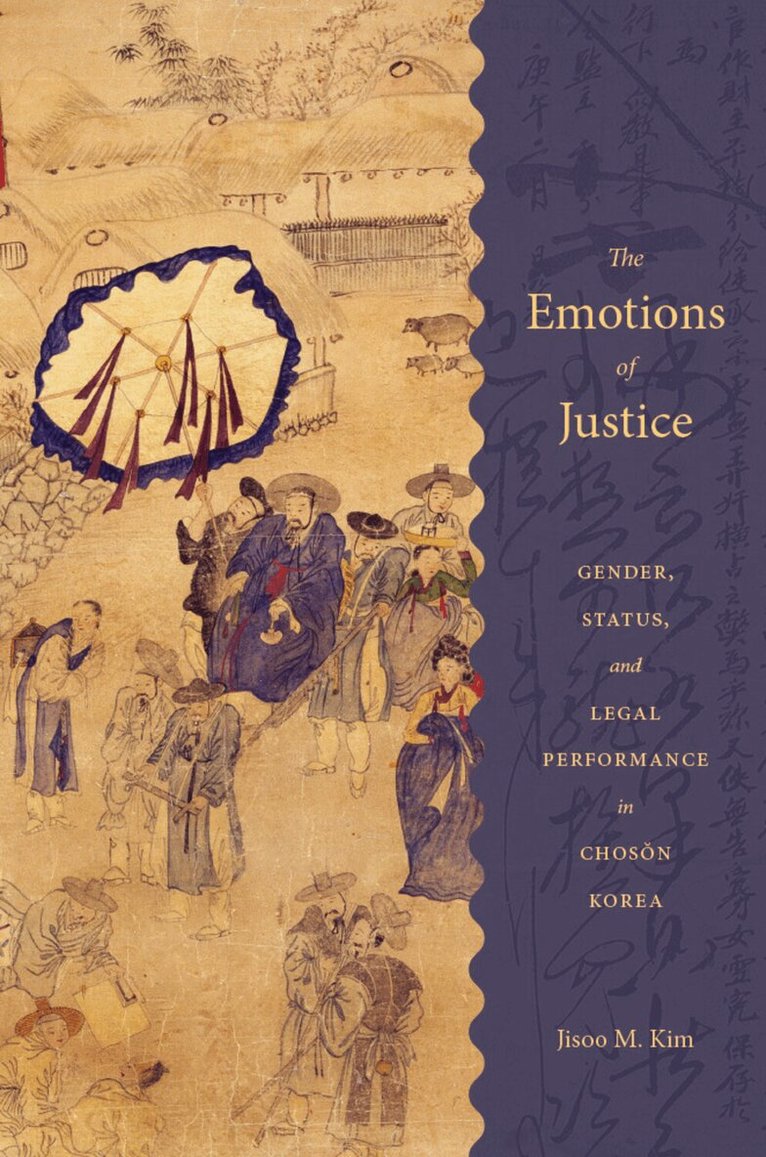
The Choson state (1392–1910) is typically portrayed as a rigid society because of its hereditary status system, slavery, and Confucian gender norms. However, The Emotions of Justice reveals a surprisingly complex picture of a judicial system that operated in a contradictory fashion by discriminating against subjects while simultaneously minimizing such discrimination. Jisoo Kim contends that the state’s recognition of won, or the sense of being wronged, permitted subjects of different genders or statuses to interact in the legal realm and in doing so illuminates the intersection of law, emotions, and gender in premodern Korea.
1 789 kr
Skickas inom 7-10 vardagar
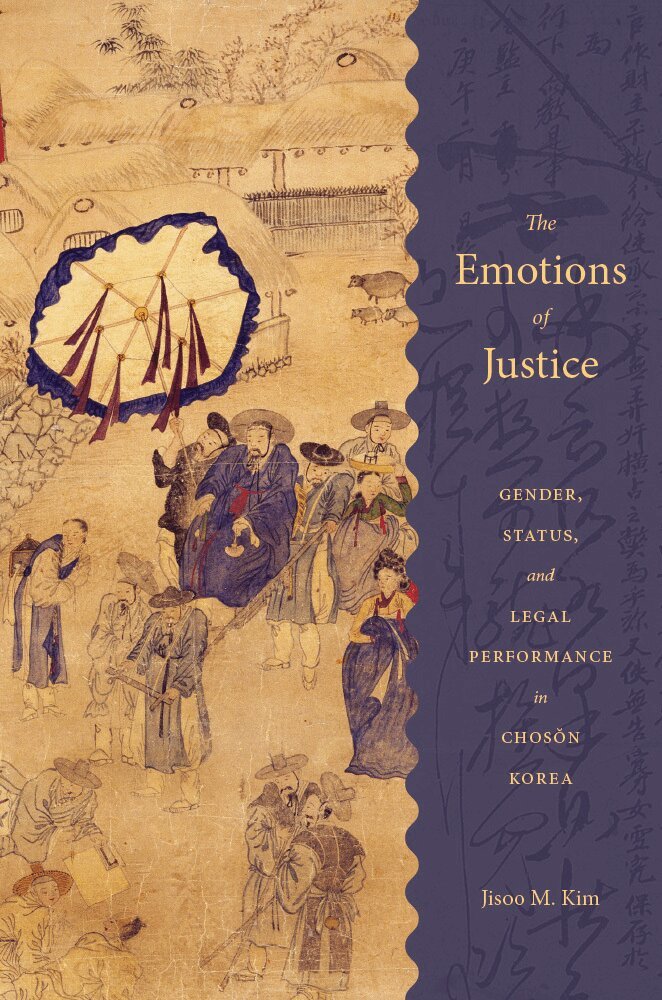
The Choson state (1392–1910) is typically portrayed as a rigid society because of its hereditary status system, slavery, and Confucian gender norms. However, The Emotions of Justice reveals a surprisingly complex picture of a judicial system that operated in a contradictory fashion by discriminating against subjects while simultaneously minimizing such discrimination. Jisoo Kim contends that the state’s recognition of won, or the sense of being wronged, permitted subjects of different genders or statuses to interact in the legal realm and in doing so illuminates the intersection of law, emotions, and gender in premodern Korea.
887 kr
Kommande
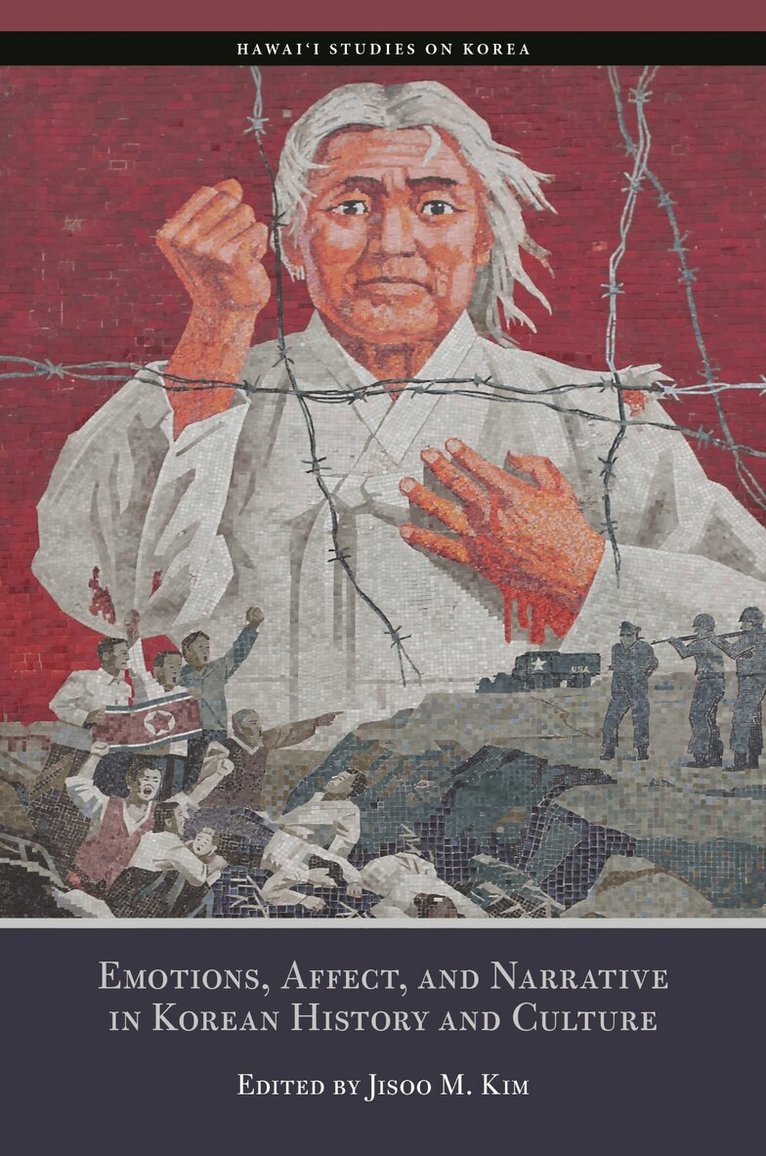
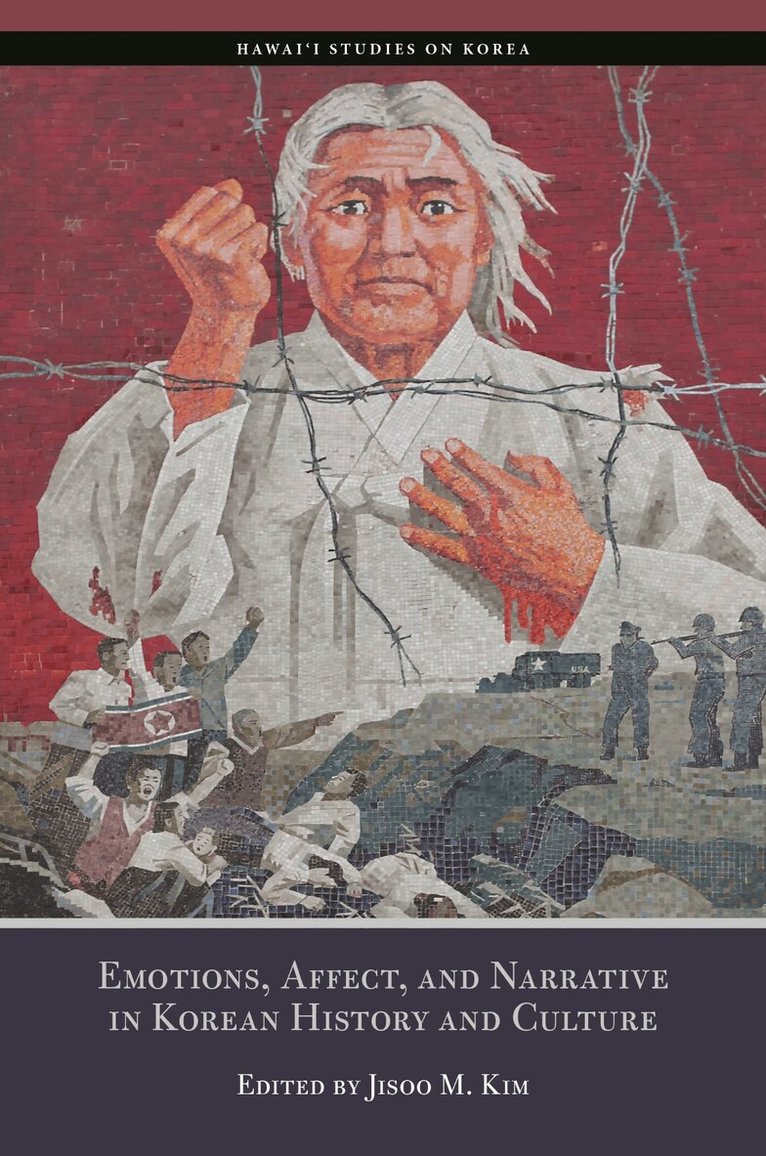
This collection of eleven essays explores emotions and affect in Korean culture across a broad temporal span, from the Koryŏ dynasty (918–1392) to the present. Drawing on a diverse array of sources—including memoirs, diplomatic letters, newspapers, films, video diaries, photographs, and ethnographic interviews—the volume examines how emotions intervene in public discourse and how affect is shaped, intensified, and managed through expressive practices. Each contributor’s critical intervention lies in offering a non-essentializing approach to studying emotions and affect in Korea. Rather than positing uniquely "Korean" feelings such as han or hwabyŏng as inherent or fixed emotional traits, the contributors argue that what is culturally distinctive is not the emotions themselves but how they have been expressed, mediated, and interpreted within specific social relationships and historical experiences. In this framework, emotions and affect are not static or universal but are historically and discursively produced.Emotions, Affect, and Narrative in Korean History and Culture also contends that to understand the present, we must critically engage with the emotional content of the past. By analyzing how different historical actors and social groups expressed particular feelings at specific moments, the essays illuminate how emotions and affect were used to narrate lived experiences and construct discourses in textual, literary, and visual forms. Together, these studies reveal how emotions and affect have functioned as a powerful medium for shaping collective memory, identity, and political subjectivity in Korea. Structured in three parts, the volume explores how emotions and affect have taken shape across different historical epochs and social milieus in Korea. Each contributor examines the shifting ways these emotional narratives have been formed, expressed, and transformed over time. Emotions, Affect, and Narrative in Korean History and Culture contributes to the dynamic field of emotion studies by adding important Korean examples.
292 kr
Kommande
This collection of eleven essays explores emotions and affect in Korean culture across a broad temporal span, from the Koryŏ dynasty (918–1392) to the present. Drawing on a diverse array of sources—including memoirs, diplomatic letters, newspapers, films, video diaries, photographs, and ethnographic interviews—the volume examines how emotions intervene in public discourse and how affect is shaped, intensified, and managed through expressive practices. Each contributor’s critical intervention lies in offering a non-essentializing approach to studying emotions and affect in Korea. Rather than positing uniquely "Korean" feelings such as han or hwabyŏng as inherent or fixed emotional traits, the contributors argue that what is culturally distinctive is not the emotions themselves but how they have been expressed, mediated, and interpreted within specific social relationships and historical experiences. In this framework, emotions and affect are not static or universal but are historically and discursively produced.Emotions, Affect, and Narrative in Korean History and Culture also contends that to understand the present, we must critically engage with the emotional content of the past. By analyzing how different historical actors and social groups expressed particular feelings at specific moments, the essays illuminate how emotions and affect were used to narrate lived experiences and construct discourses in textual, literary, and visual forms. Together, these studies reveal how emotions and affect have functioned as a powerful medium for shaping collective memory, identity, and political subjectivity in Korea. Structured in three parts, the volume explores how emotions and affect have taken shape across different historical epochs and social milieus in Korea. Each contributor examines the shifting ways these emotional narratives have been formed, expressed, and transformed over time. Emotions, Affect, and Narrative in Korean History and Culture contributes to the dynamic field of emotion studies by adding important Korean examples.