Dan C. Shahar – författare
Visar alla böcker från författaren Dan C. Shahar. Handla med fri frakt och snabb leverans.
9 produkter
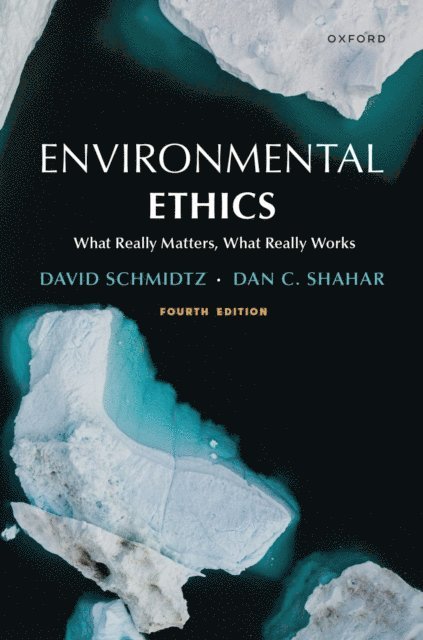
Environmental Ethics
What Really Matters, What Really Works
Av Dan C. Shahar, David Schmidtz
E-bok, 2024
577 kr
Lägg i varukorg
Environmental Ethics: What Really Matters, What Really Works examines morality from an environmental perspective. Featuring accessible selections--from classic articles to examples of cutting-edge original research--it addresses both theory and practice. Asking what really matters, the first …
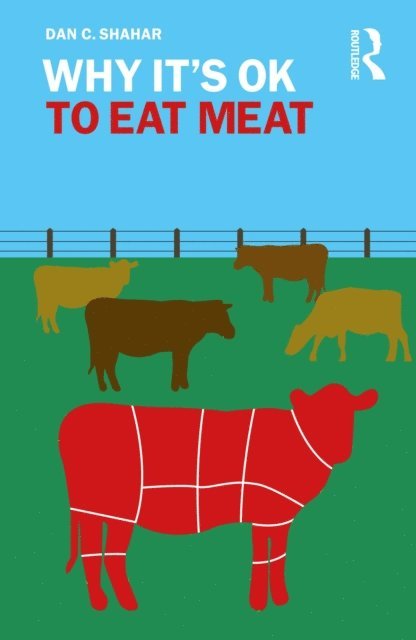
Why It's OK to Eat Meat
Inbunden, 2021
2504 kr
Lägg i varukorg
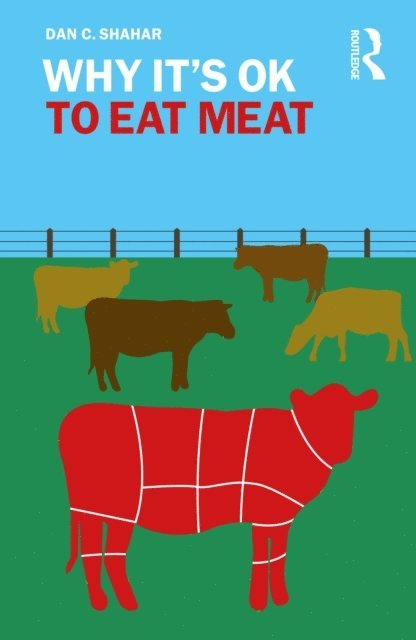
Vegetarians have argued at great length that meat-eating is wrong. Even so, the vast majority of people continue to eat meat, and even most vegetarians eventually give up on their diets. Does this prove these people must be morally corrupt? In Why It’s OK to Eat Meat, Dan C. Shahar argues the …
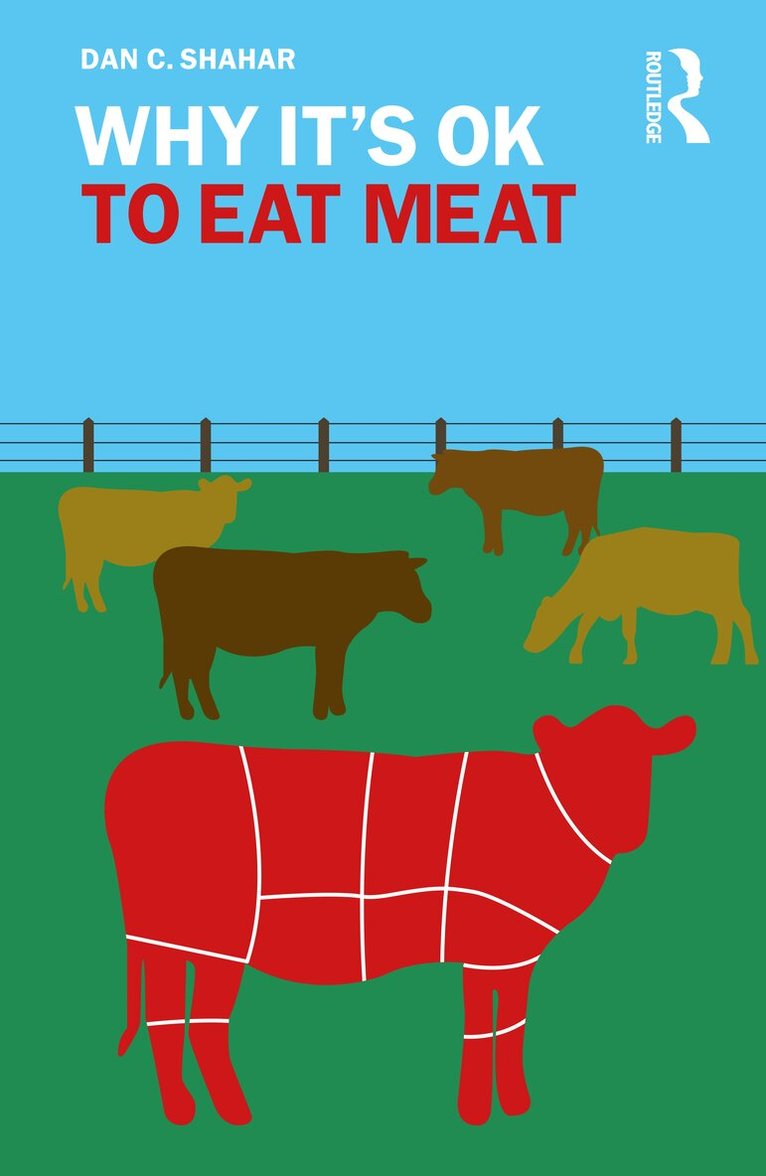
Why It's OK to Eat Meat
Häftad, 2021
370 kr
Lägg i varukorg
Vegetarians have argued at great length that meat-eating is wrong. Even so, the vast majority of people continue to eat meat, and even most vegetarians eventually give up on their diets. Does this prove these people must be morally corrupt? In Why It’s OK to Eat Meat, Dan C. Shahar argues the …
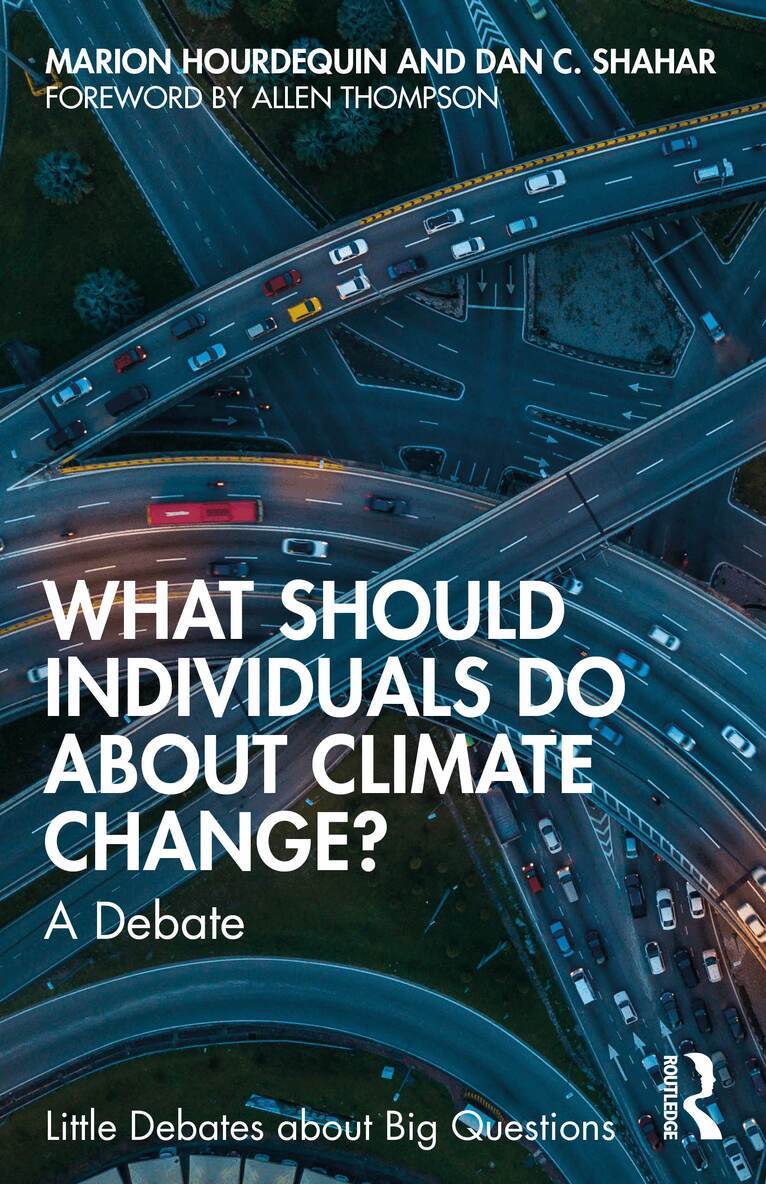
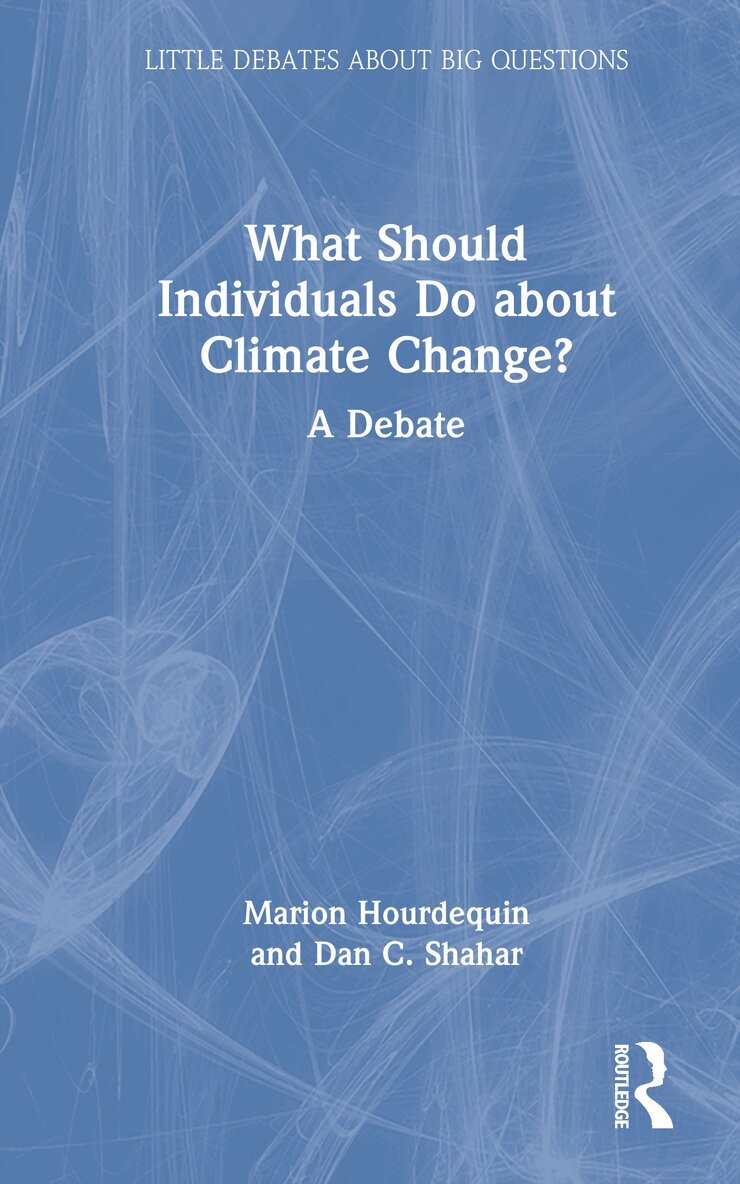
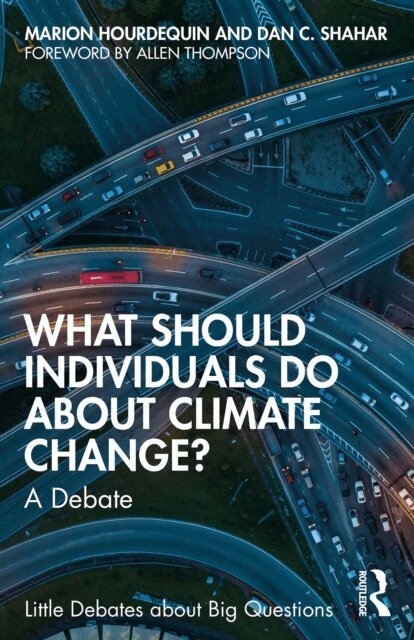
What Should Individuals Do about Climate Change?
A Debate
Av Marion Hourdequin, Dan C. Shahar
Häftad, 2025
646 kr
Lägg i varukorg
Climate change is a pressing problem. Does each of us have a moral responsibility to help tackle it? In this volume, Marion Hourdequin and Dan Shahar debate the timely issue of individual behavior and climate change, examining what it takes to live morally in a warming world.Hourdequin argues there …
What Should Individuals Do about Climate Change?
A Debate
Av Marion Hourdequin, Dan C. Shahar
Inbunden, 2025
2504 kr
Lägg i varukorg
Climate change is a pressing problem. Does each of us have a moral responsibility to help tackle it? In this volume, Marion Hourdequin and Dan Shahar debate the timely issue of individual behavior and climate change, examining what it takes to live morally in a warming world.Hourdequin argues there …
Why It's OK to Eat Meat
E-bok, 2021
433 kr
Lägg i varukorg
Vegetarians have argued at great length that meat-eating is wrong. Even so, the vast majority of people continue to eat meat, and even most vegetarians eventually give up on their diets. Does this prove these people must be morally corrupt? In Why It’s OK to Eat Meat , Dan C. Shahar argues the …
Why It's OK to Eat Meat
E-bok, 2021
433 kr
Lägg i varukorg
Vegetarians have argued at great length that meat-eating is wrong. Even so, the vast majority of people continue to eat meat, and even most vegetarians eventually give up on their diets. Does this prove these people must be morally corrupt? In Why It’s OK to Eat Meat , Dan C. Shahar argues the …
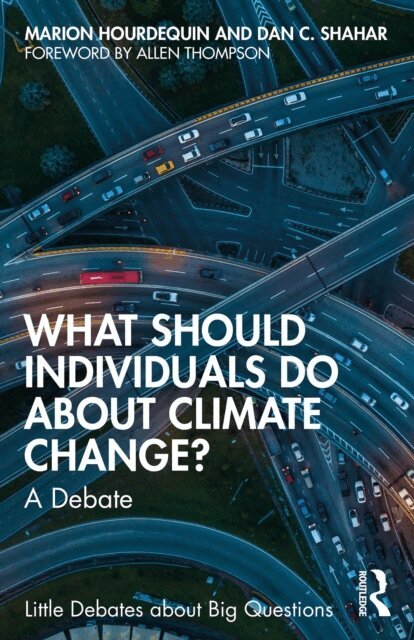
What Should Individuals Do about Climate Change?
A Debate
Av Dan C. Shahar, Marion Hourdequin
E-bok, 2025
746 kr
Lägg i varukorg
Climate change is a pressing problem. Does each of us have a moral responsibility to help tackle it? In this volume, Marion Hourdequin and Dan Shahar debate the timely issue of individual behavior and climate change, examining what it takes to live morally in a warming world. Hourdequin argues …
What Should Individuals Do about Climate Change?
A Debate
Av Dan C. Shahar, Marion Hourdequin
E-bok, 2025
746 kr
Lägg i varukorg
Climate change is a pressing problem. Does each of us have a moral responsibility to help tackle it? In this volume, Marion Hourdequin and Dan Shahar debate the timely issue of individual behavior and climate change, examining what it takes to live morally in a warming world. Hourdequin argues …