Dan Fagre - Böcker
Visar alla böcker från författaren Dan Fagre. Handla med fri frakt och snabb leverans.
3 produkter
3 produkter
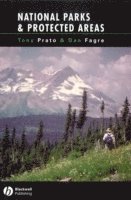
National Parks and Protected Areas
Appoaches for Balancing Social, Economic, and Ecological Values
Inbunden, Engelska, 2005
2 235 kr
Skickas inom 7-10 vardagar
The balance of nature in any strict sense has been upset long ago…The only option we have is to create a new balance objectively determined for each area in accordance with the intended use of that area.” --Aldo Leopold, 1927, in a letter to the Superintendent of Glacier National Park The planning and management staff of state/national parks and protected areas face a complex set of management problems and an uncertain future. Today, internal and external forces are combining with changes in management philosophy (from a species to an ecosystem focus) to create a new direction in natural resources management. National Parks and Protected Areas: Approaches for Balancing Social, Economic and Ecological Values is peerless in its unified treatment of the issues surrounding this subject. From decision-making for planning and management to the principles of ecology and economics, this text examines the analytical methods, information technologies, and planning and management problems associated with protected area planning and management. Protected area managers and students in undergraduate and graduate courses in natural resource management will appreciate this highly readable book. Features Include: A multidisciplinary, systems perspective Focus on science- and knowledge-based natural resource management Concentration on North American national parks and protected areas with information and examples from other parts of the world Clarification of methods for dealing with social, economic, and ecological uncertainty Explanations of biophysical and economic simulation models and information management technologies: GIS, remote sensing, decision support systems, computer animation, etc. Discussion of the role of local communities and joint decision making for designing and implementing management strategies Case studies which show multi-dimensional decision-making for specific management problems and issuesNatural resource policy makers, members of environmental organizations, and other stakeholders will also benefit from an enhanced understanding of the complex social, economic and ecological functions and values of national parks and protected areas facilitated by explanations of ecological and economic concepts that allow comprehension by individuals with limited background in these areas.
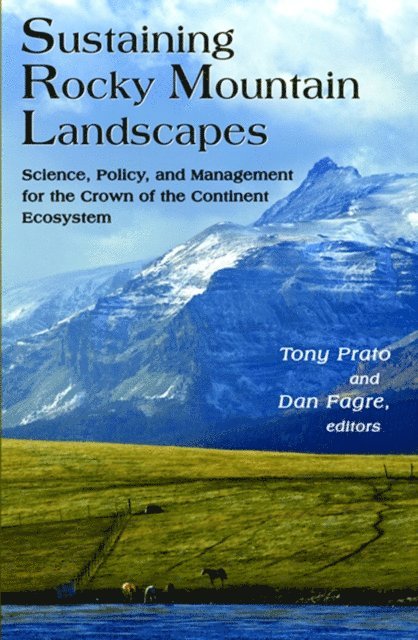
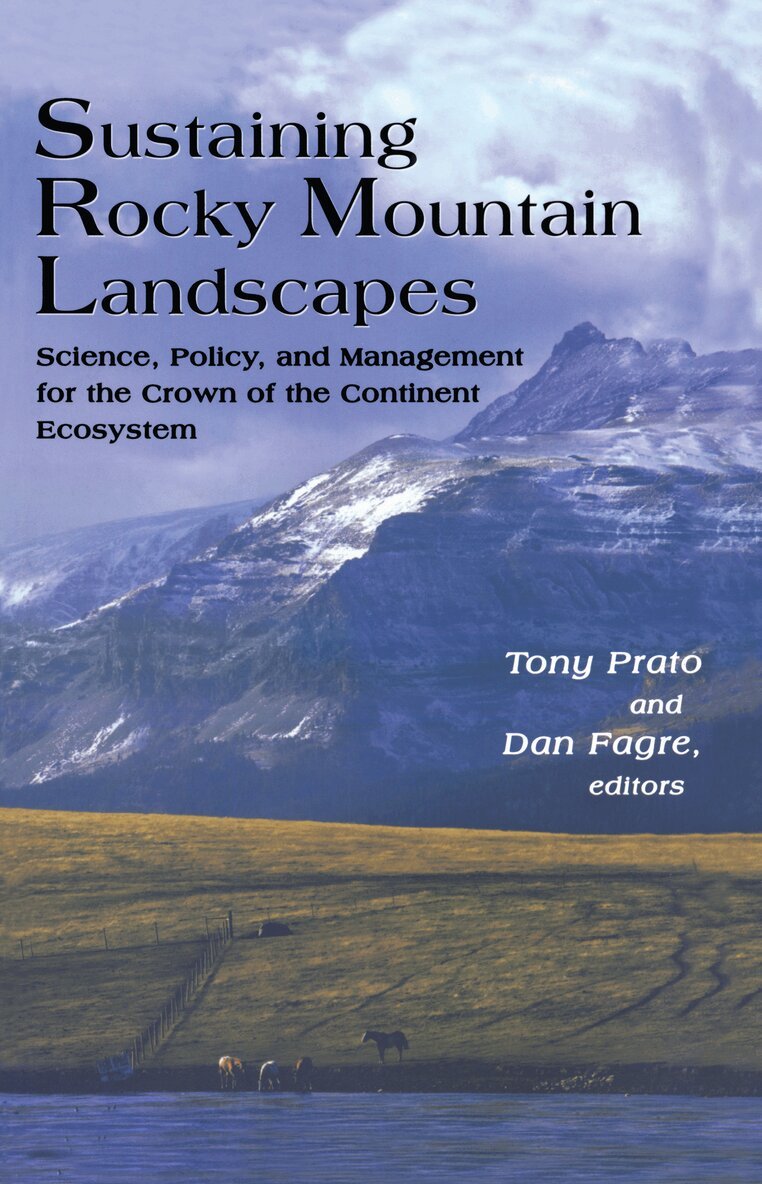
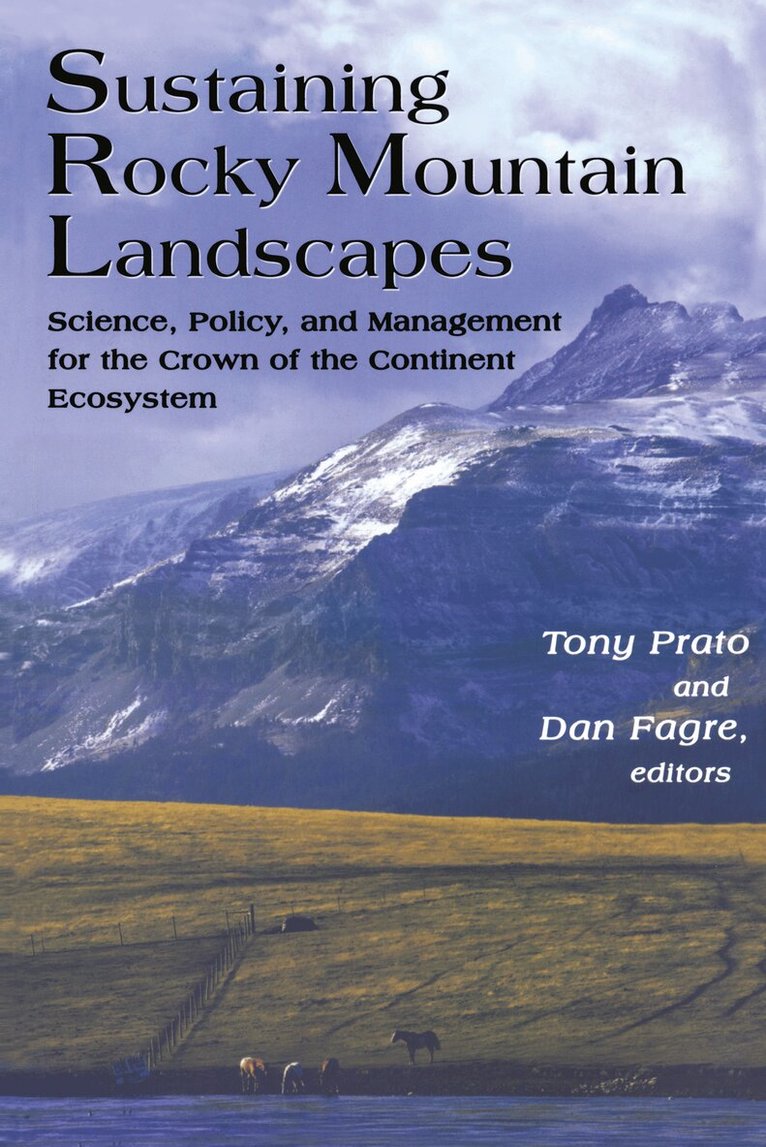
Sustaining Rocky Mountain Landscapes
Science, Policy, and Management for the Crown of the Continent Ecosystem
Inbunden, Engelska, 2007
1 430 kr
Skickas inom 10-15 vardagar
Prato and Fagre offer the first systematic, multi-disciplinary assessment of the challenges involved in managing the Crown of the Continent Ecosystem (CCE), an area of the Rocky Mountains that includes northwestern Montana, southwestern Alberta, and southeastern British Columbia. The spectacular landscapes, extensive recreational options, and broad employment opportunities of the CCE have made it one of the fastest growing regions in the United States and Canada, and have lead to a shift in its economic base from extractive resources to service-oriented recreation and tourism industries. In the process, however, the amenities and attributes that draw people to this 'New West' are under threat. Pastoral scenes are disappearing as agricultural lands and other open spaces are converted to residential uses, biodiversity is endangered by the fragmentation of fish and wildlife habitats, and many areas are experiencing a decline in air and water quality. Sustaining Rocky Mountain Landscapes provides a scientific basis for communities to develop policies for managing the growth and economic transformation of the CCE without sacrificing the quality of life and environment for which the land is renowned. The book begins with a natural and economic history of the CCE. It follows with an assessment of current physical and biological conditions in the CCE. The contributors then explore how social, economic, demographic, and environmental forces are transforming ecosystem structure and function. They consider ecosystem change in response to changing patterns of land use, pollution, and drought; the increasing risk of wildfire to wildlife and to human life and property; and the implications of global climate change on the CCE. A final, policy-focused section of the book looks at transboundary issues in ecosystem management and evaluates the potential of community-based and adaptive approaches in ecosystem management.
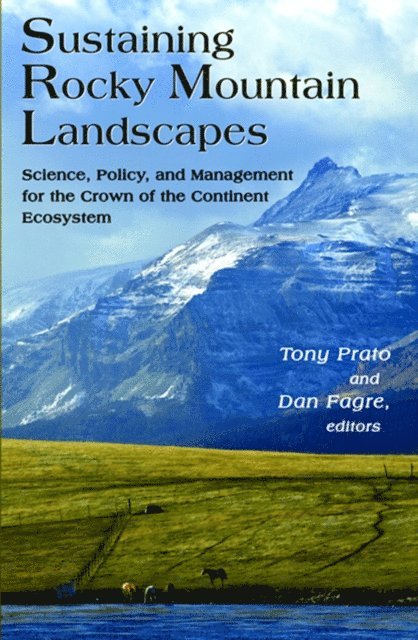
Sustaining Rocky Mountain Landscapes
Science, Policy, and Management for the Crown of the Continent Ecosystem
Häftad, Engelska, 2007
481 kr
Skickas inom 10-15 vardagar
Prato and Fagre offer the first systematic, multi-disciplinary assessment of the challenges involved in managing the Crown of the Continent Ecosystem (CCE), an area of the Rocky Mountains that includes northwestern Montana, southwestern Alberta, and southeastern British Columbia. The spectacular landscapes, extensive recreational options, and broad employment opportunities of the CCE have made it one of the fastest growing regions in the United States and Canada, and have lead to a shift in its economic base from extractive resources to service-oriented recreation and tourism industries. In the process, however, the amenities and attributes that draw people to this 'New West' are under threat. Pastoral scenes are disappearing as agricultural lands and other open spaces are converted to residential uses, biodiversity is endangered by the fragmentation of fish and wildlife habitats, and many areas are experiencing a decline in air and water quality. Sustaining Rocky Mountain Landscapes provides a scientific basis for communities to develop policies for managing the growth and economic transformation of the CCE without sacrificing the quality of life and environment for which the land is renowned. The book begins with a natural and economic history of the CCE. It follows with an assessment of current physical and biological conditions in the CCE. The contributors then explore how social, economic, demographic, and environmental forces are transforming ecosystem structure and function. They consider ecosystem change in response to changing patterns of land use, pollution, and drought; the increasing risk of wildfire to wildlife and to human life and property; and the implications of global climate change on the CCE. A final, policy-focused section of the book looks at transboundary issues in ecosystem management and evaluates the potential of community-based and adaptive approaches in ecosystem management.