
Dan Kaszeta – författare
Visar alla böcker från författaren Dan Kaszeta. Handla med fri frakt och snabb leverans.
5 produkter
5 produkter
202 kr
Skickas inom 7-10 vardagar
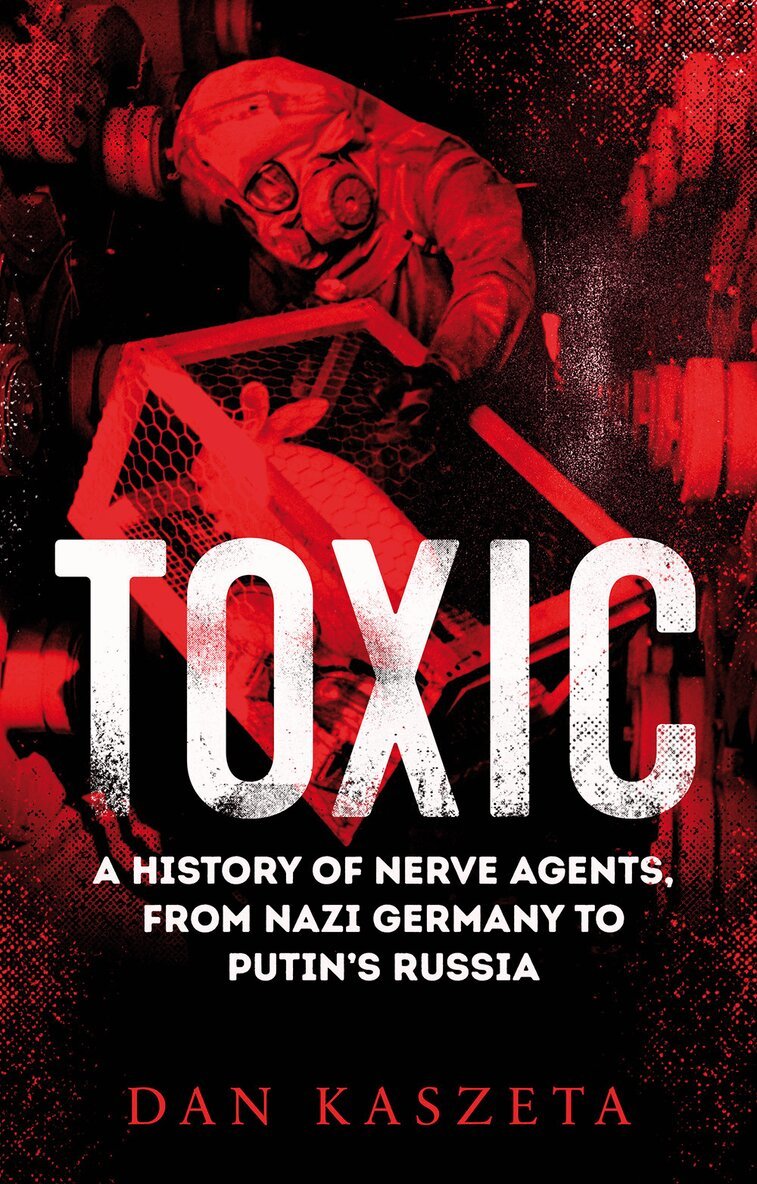
Nerve agents are the world’s deadliest means of chemical warfare. Nazi Germany developed the first military-grade nerve agents and massive industry for their manufacture—yet, strangely, the Third Reich never used them. At the end of the Second World War, the Allies were stunned to discover this advanced and extensive programme. The Soviets and Western powers embarked on a new arms race, amassing huge chemical arsenals.From their Nazi invention to the 2018 Novichok attack in Britain, Dan Kaszeta uncovers nerve agents’ gradual spread across the world, despite international arms control efforts. They’ve been deployed in the Iran–Iraq War, by terrorists in Japan, in the Syrian Civil War, and by assassins in Malaysia and Salisbury—always with bitter consequences.'Toxic' recounts the grisly history of these weapons of mass destruction: a deadly suite of invisible, odourless killers.

741 kr
Skickas inom 3-6 vardagar
396 kr
Skickas inom 7-10 vardagar
Nerve agents are the world’s deadliest means of chemical warfare. Nazi Germany developed the first military-grade nerve agents and massive industry for their manufacture—yet, strangely, the Third Reich never used them. At the end of the Second World War, the Allies were stunned to discover this advanced and extensive programme. The Soviets and Western powers embarked on a new arms race, amassing huge chemical arsenals.From their Nazi invention to the 2018 Novichok attack in Britain, Dan Kaszeta uncovers nerve agents’ gradual spread across the world, despite international arms control efforts. They’ve been deployed in the Iran–Iraq War, by terrorists in Japan, in the Syrian Civil War, and by assassins in Malaysia and Salisbury—always with bitter consequences.'Toxic' recounts the grisly history of these weapons of mass destruction: a deadly suite of invisible, odourless killers.
331 kr
Skickas inom 7-10 vardagar
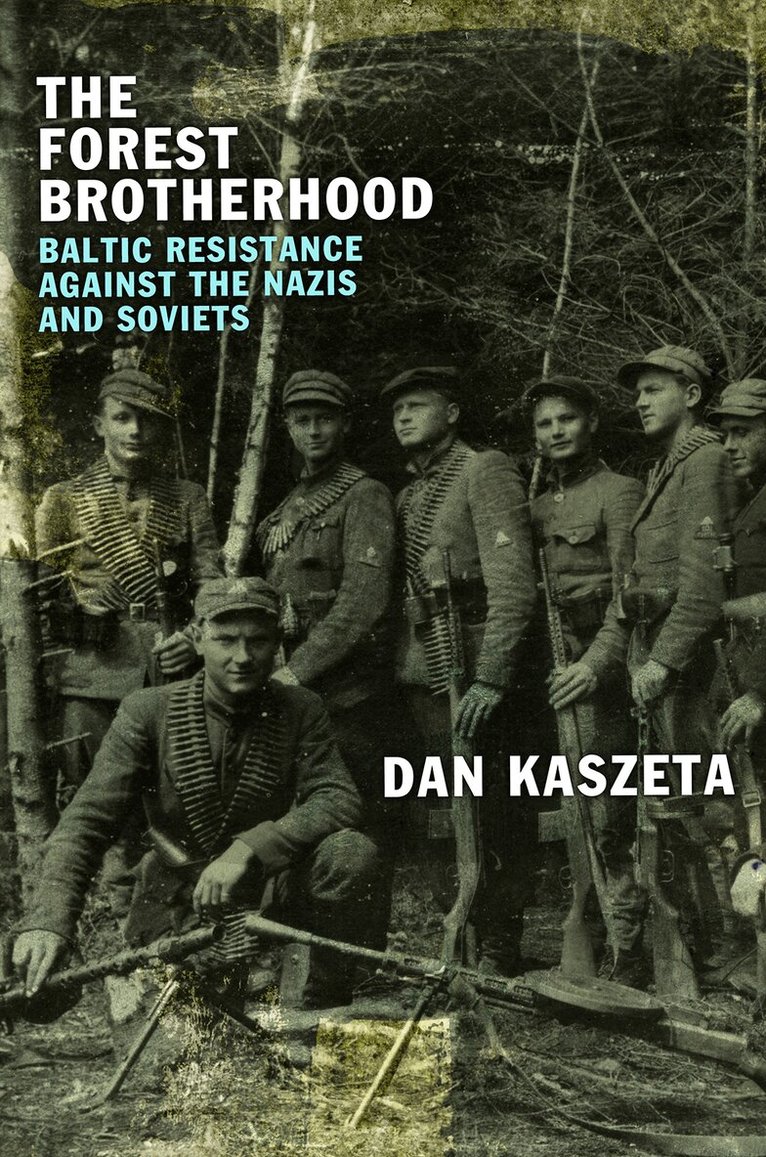
Stalin's USSR and Hitler's Reich-- the populations of Estonia, Latvia and Lithuania had been subjected to a brutal Soviet occupation in 1940, Nazi invasion in 1941, and Soviet re-occupation in 1944, falsely branded as 'liberation'. Variously labelled 'freedom fighters' or 'Nazi bandits' by historians, the Baltic partisans who would become known as the Forest Brothers fought a long campaign against occupation that eventually failed under the might of the USSR. Much of this history of armed resistance, which was also a front in the intelligence war between East and West, is little known outside the region. Treachery, betrayal, heroism and lost futures all play a role in this fascinating tale, as Dan Kaszeta explores themes of independence, nationalism, Baltic identity, the fluidity of boundaries in Eastern Europe, and the comparative weight of Nazi and Soviet oppression. Drawing on extensive archival material rarely seen outside the Baltic states, 'The Forest Brotherhood' unpacks the forgotten story of this resistance movement, and reveals its continuing impact on today's world.
331 kr
Kommande
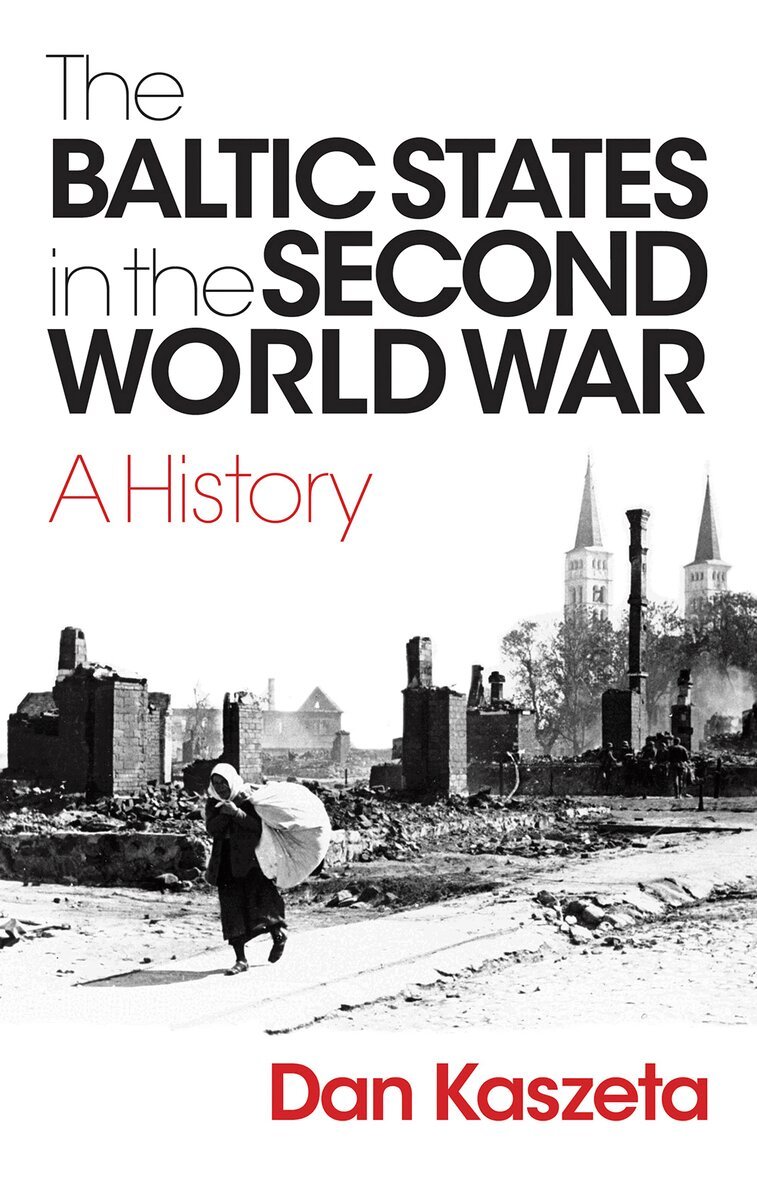
This new history reveals that the Baltic States were as fiercely contested between the Germans and Russians as any flashpoint of the Second World War.Comparing a map of Europe from 1936 with one from 1946, all the countries are there, albeit with some shifts in borders, except for three: Estonia, Latvia and Lithuania. These states disappeared during the Second World War, despite never declaring war or having war declared on them. This book describes the theft of the Baltic states. Despite hoping to ride out the war in neutrality, like Sweden, the three countries suffered a triple occupation. A nasty and brutish, but short, Soviet occupation was displaced by a three-year Nazi occupation that was nasty and brutish in different ways. A barbarous genocide of Jews and Roma ensued. The Soviets returned in 1944 and did not leave for decades, calling into question exactly when the war really ended for the Baltic states. All three occupations used local collaborators and achieved some degree of cooperation, but there was also a wide variety of resistance. Thousands of Baltic people fought for the Soviet Union; thousands more fought for the Nazi occupiers. The majority were conscripts or had joined under duress, but there were some willing Quislings. Kaszeta offers the reader a sober and nuanced exploration of the under-reported 1939–45 period in the Baltic states.