Dana M. Harris – författare
Visar alla böcker från författaren Dana M. Harris. Handla med fri frakt och snabb leverans.
6 produkter
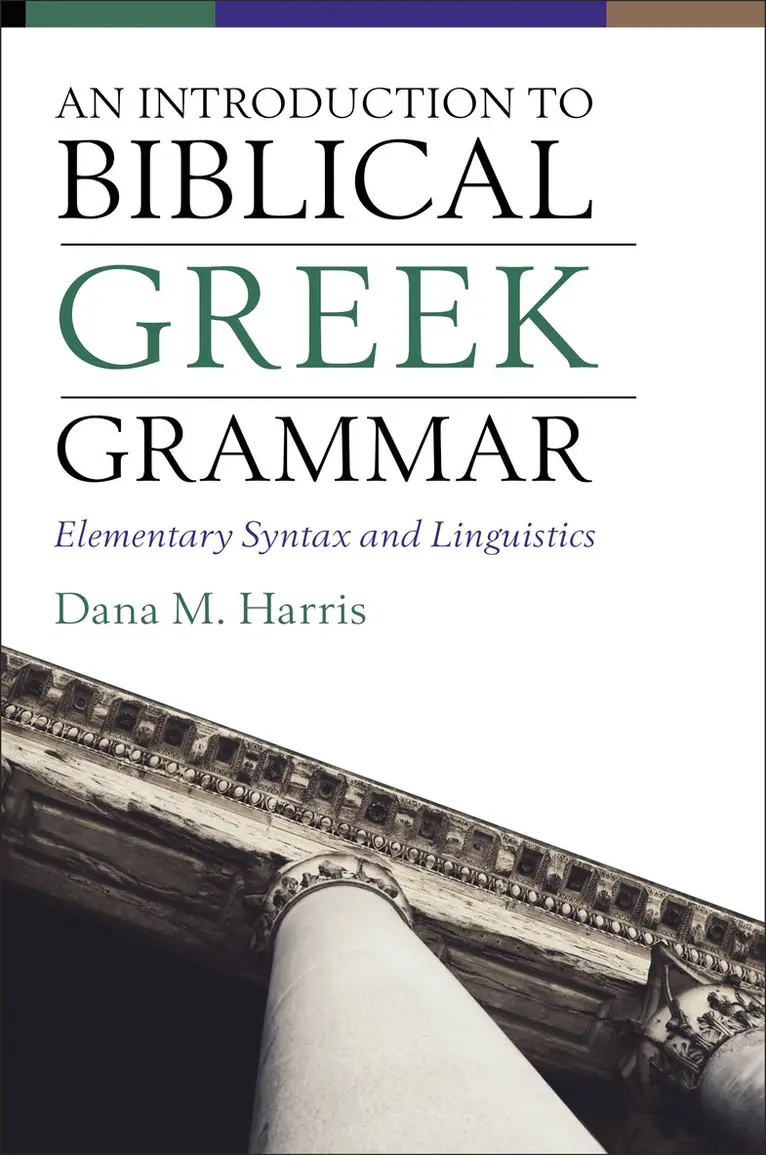
Introduction to Biblical Greek Grammar
Elementary Syntax and Linguistics
Inbunden, 2020
483 kr
Lägg i varukorg
An Introduction to Biblical Greek Grammar focuses on the linguistic and syntactic elements of Koine Greek to equip learners for accurate interpretation. Drawing upon twenty years of Greek teaching experience and the latest developments in linguistics and syntax, Harris introduces students to basic …
Introduction to Biblical Greek Grammar
Elementary Syntax and Linguistics
E-bok, 2020
322 kr
Lägg i varukorg
An Introduction to Biblical Greek Grammar focuses on the linguistic and syntactic elements of Koine Greek to equip learners for accurate interpretation. Drawing upon twenty years of Greek teaching experience and the latest developments in linguistics and syntax, Harris introduces students to basic …
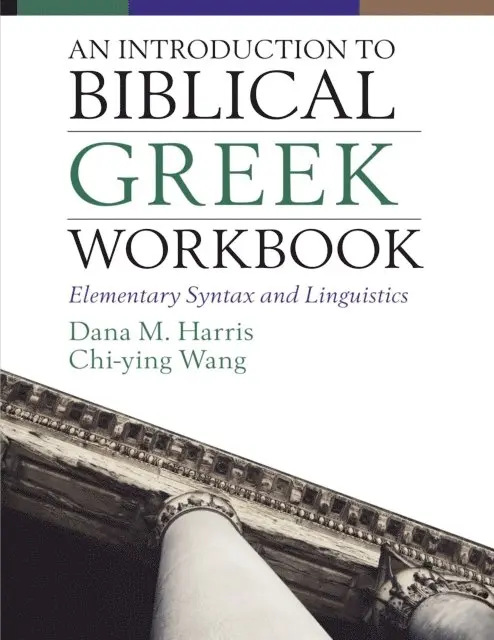
Introduction to Biblical Greek Workbook
Elementary Syntax and Linguistics
Av Chi-ying Wong, Dana M. Harris
E-bok, 2020
136 kr
Lägg i varukorg
This workbook is designed to accompany An Introduction to Biblical Greek Grammar , which focuses on the linguistic and syntactic elements of Koine Greek to equip learners for accurate interpretation. It reinforces key concepts student learn through parsing and translation exercises for each …
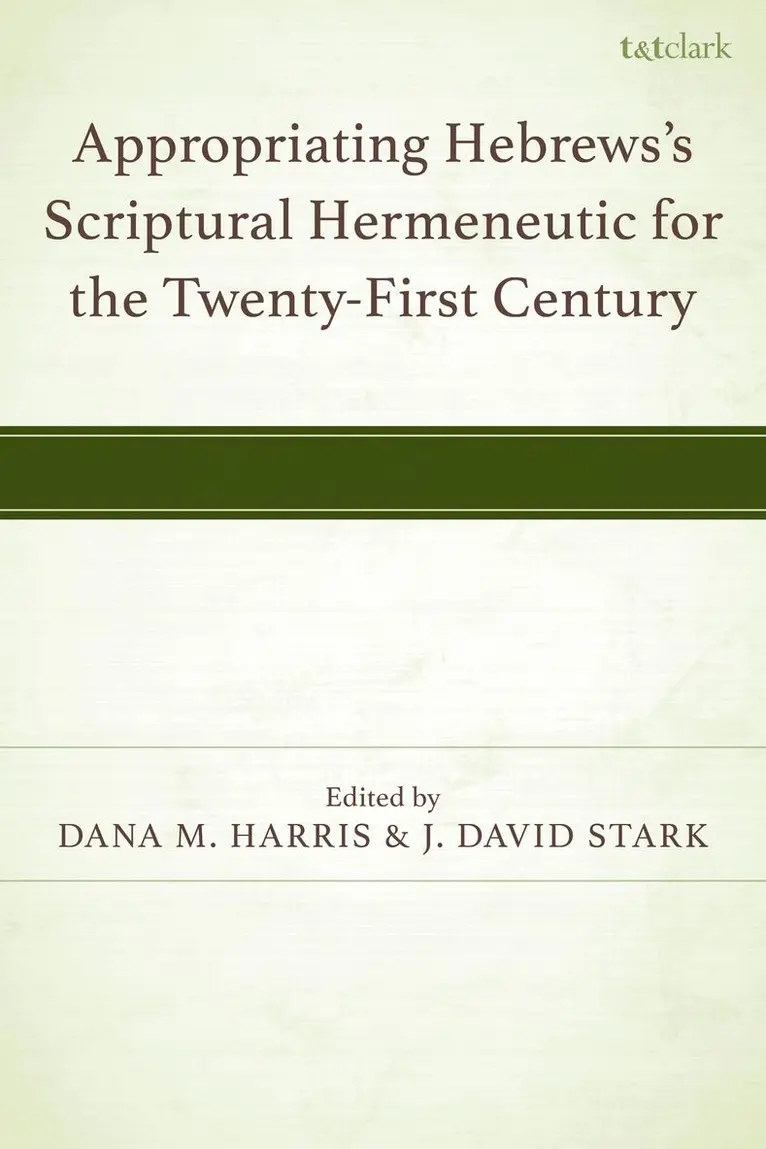
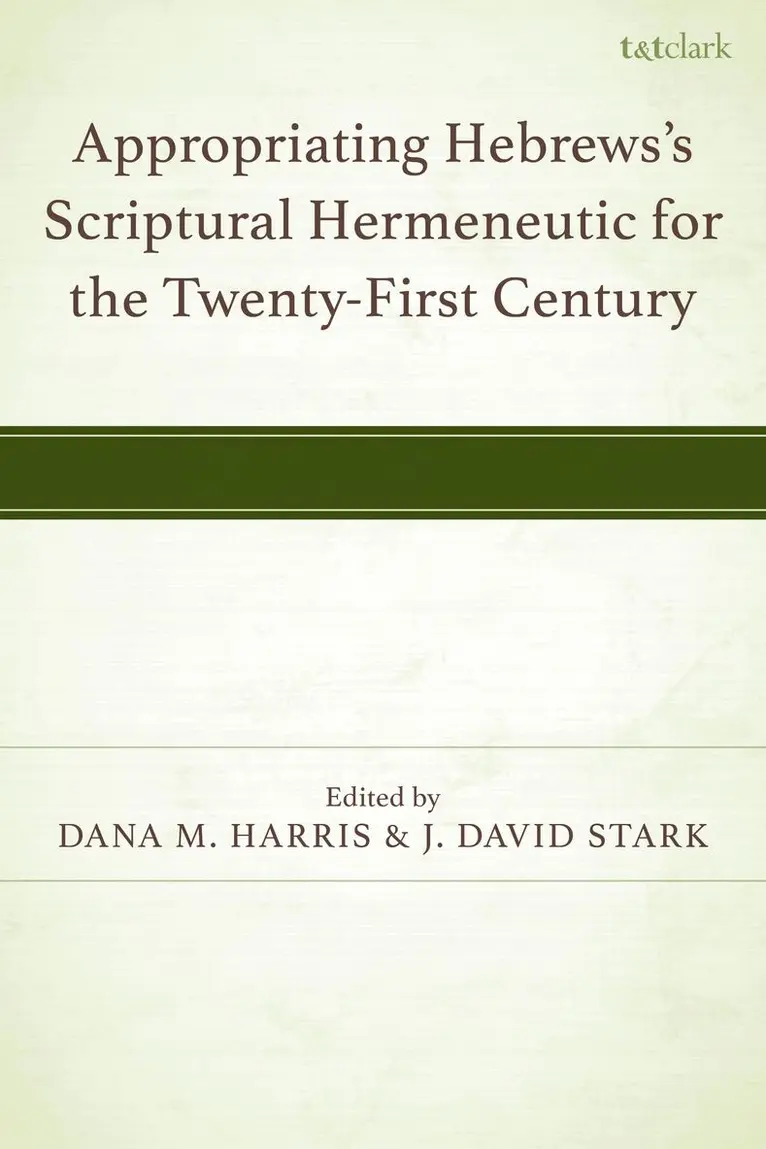
Appropriating Hebrews's Scriptural Hermeneutic for the Twenty-First Century
Av Dana M. Harris, J. David Stark
Inbunden, 2026
1280 kr
Lägg i varukorg
Twenty-first-century readers cannot interpret Israel’s Scriptures identically to how the author of Hebrews did. The contours of twenty-first century worldviews are too different. That said, Hebrews invites those who “read after” it (in time) also to “reading after” it (in approach). For those who …
Appropriating Hebrews's Scriptural Hermeneutic for the Twenty-First Century
Av Dana M. Harris, J. David Stark
Häftad, 2027
413 kr
Kommande
Twenty-first-century readers cannot interpret Israel’s Scriptures identically to how the author of Hebrews did. The contours of twenty-first century worldviews are too different. That said, Hebrews invites those who “read after” it (in time) also to “reading after” it (in approach). For those who …
Appropriating Hebrews's Scriptural Hermeneutic for the Twenty-First Century
Av Dana M. Harris, J. David Stark
E-bok, 2025
1373 kr
Lägg i varukorg
Twenty-first-century readers cannot interpret Israel's Scriptures identically to how the author of Hebrews did. The contours of twenty-first century worldviews are too different. That said, Hebrews invites those who "e;read after"e; it (in time) also to "e;reading after"e; it (in …