J. David Stark – författare
Visar alla böcker från författaren J. David Stark. Handla med fri frakt och snabb leverans.
8 produkter
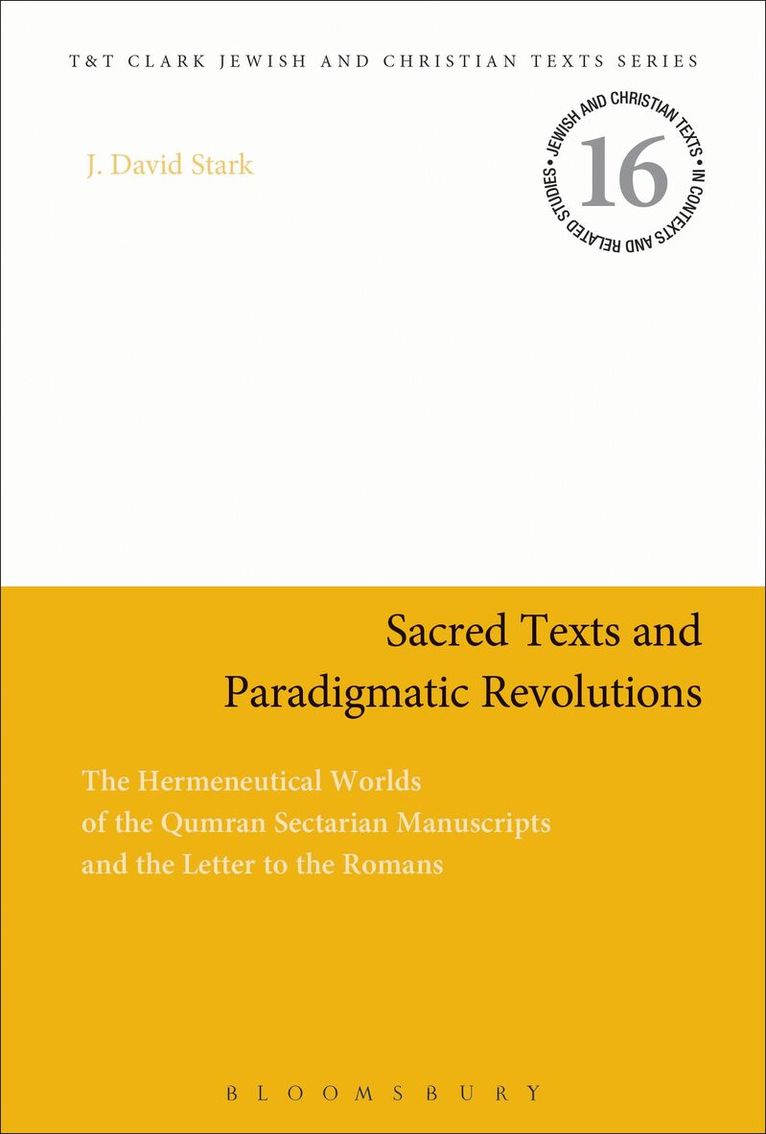
Sacred Texts and Paradigmatic Revolutions
The Hermeneutical Worlds of the Qumran Sectarian Manuscripts and the Letter to the Romans
Av J. David Stark, James H. Charlesworth
Inbunden, 2013
1980 kr
Lägg i varukorg
This volume applies a rhetorical-discourse method to the Yahadic manuscripts and Romans to show how community leaders uniquely determined specific hermeneutical rules, axioms, and paradigms for their communities.Stark examines the Yahadic texts using Thomas Kuhn's arguments about scientific …
Sacred Texts and Paradigmatic Revolutions
The Hermeneutical Worlds of the Qumran Sectarian Manuscripts and the Letter to the Romans
E-bok, 2014
608 kr
Lägg i varukorg
This volume applies a rhetorical-discourse method to the Yahadic manuscripts and Romans to show how community leaders uniquely determined specific hermeneutical rules, axioms, and paradigms for their communities. Stark examines the Yahadic texts using Thomas Kuhn''s arguments about scientific …
Sacred Texts and Paradigmatic Revolutions
The Hermeneutical Worlds of the Qumran Sectarian Manuscripts and the Letter to the Romans
Av J. David Stark, James H. Charlesworth
Häftad, 2015
557 kr
Lägg i varukorg
This volume applies a rhetorical-discourse method to the Yahadic manuscripts and Romans to show how community leaders uniquely determined specific hermeneutical rules, axioms, and paradigms for their communities.Stark examines the Yahadic texts using Thomas Kuhn's arguments about scientific …
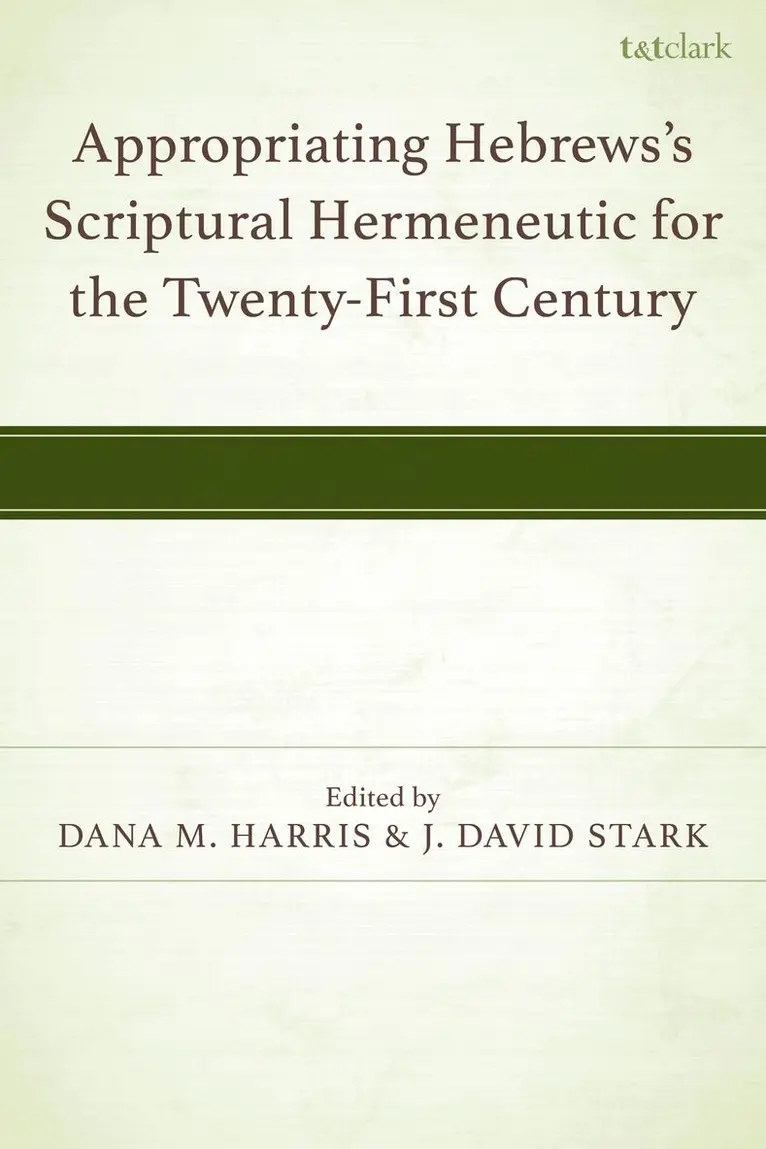
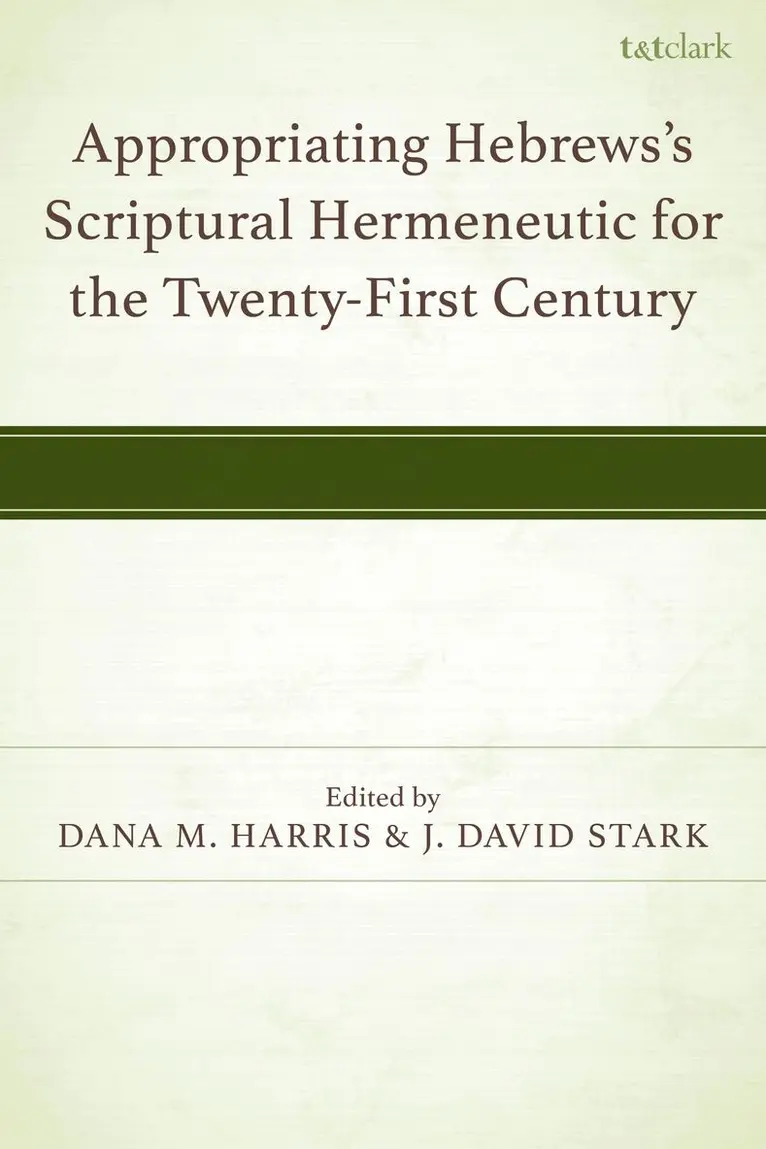
Appropriating Hebrews's Scriptural Hermeneutic for the Twenty-First Century
Av Dana M. Harris, J. David Stark
Inbunden, 2026
1278 kr
Lägg i varukorg
Twenty-first-century readers cannot interpret Israel’s Scriptures identically to how the author of Hebrews did. The contours of twenty-first century worldviews are too different. That said, Hebrews invites those who “read after” it (in time) also to “reading after” it (in approach). For those who …
Appropriating Hebrews's Scriptural Hermeneutic for the Twenty-First Century
Av Dana M. Harris, J. David Stark
Häftad, 2027
412 kr
Kommande
Twenty-first-century readers cannot interpret Israel’s Scriptures identically to how the author of Hebrews did. The contours of twenty-first century worldviews are too different. That said, Hebrews invites those who “read after” it (in time) also to “reading after” it (in approach). For those who …
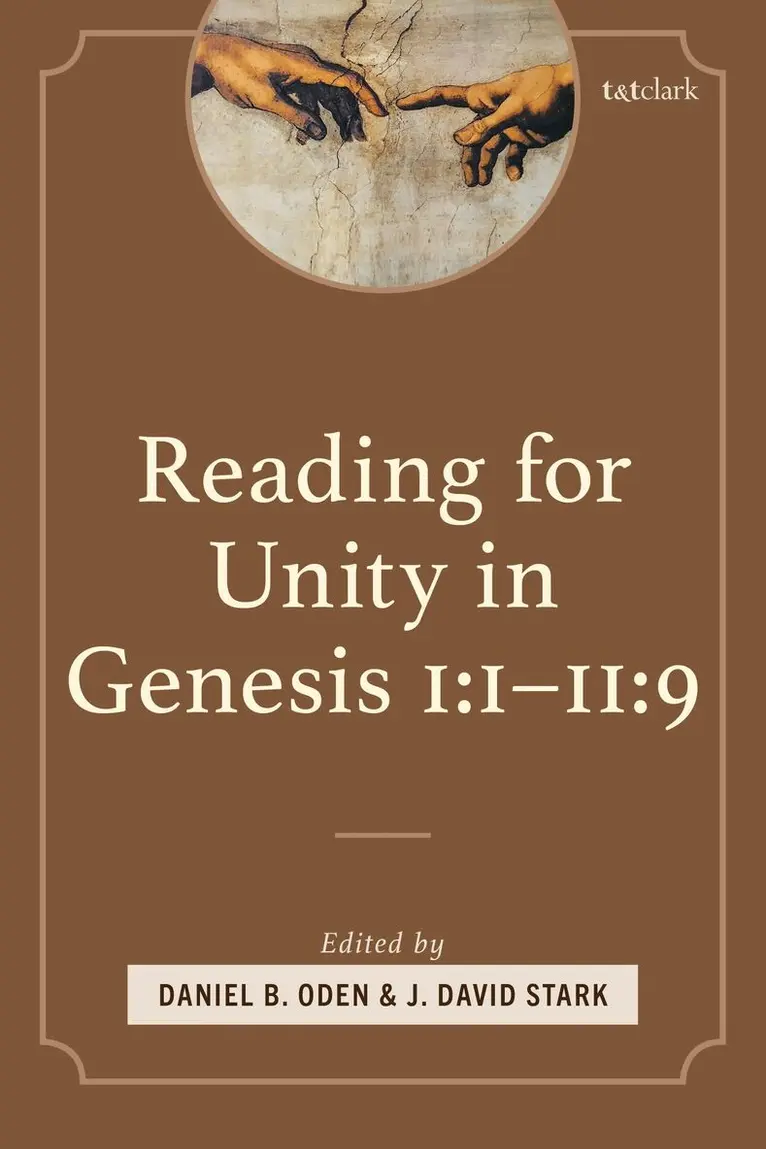
Reading for Unity in Genesis 1:1–11:9
Av Daniel B. Oden, J. David Stark
Inbunden, 2026
1278 kr
Lägg i varukorg
In this edited collection, Daniel B. Oden, J. David Stark, and the contributors wrestle with the complexities of unity.Discussing Genesis 1:1–11:9, the essays herein describe the hermeneutics of unity appeals from the Ancient Near East to the twenty-first century and in Judaism, Christianity, and …
Reading for Unity in Genesis 1:1–11:9
Av Daniel B. Oden, J. David Stark
E-bok, 2026
1373 kr
Lägg i varukorg
In this edited collection, Daniel B. Oden, J. David Stark, and the contributors wrestle with the complexities of unity. Discussing Genesis 1:1-11:9, the essays herein describe the hermeneutics of unity appeals from the Ancient Near East to the twenty-first century and in Judaism, Christianity, and …
Appropriating Hebrews's Scriptural Hermeneutic for the Twenty-First Century
Av Dana M. Harris, J. David Stark
E-bok, 2025
1373 kr
Lägg i varukorg
Twenty-first-century readers cannot interpret Israel's Scriptures identically to how the author of Hebrews did. The contours of twenty-first century worldviews are too different. That said, Hebrews invites those who "e;read after"e; it (in time) also to "e;reading after"e; it (in …