Dana Segev - Böcker
Visar alla böcker från författaren Dana Segev. Handla med fri frakt och snabb leverans.
4 produkter
4 produkter
677 kr
Skickas inom 10-15 vardagar
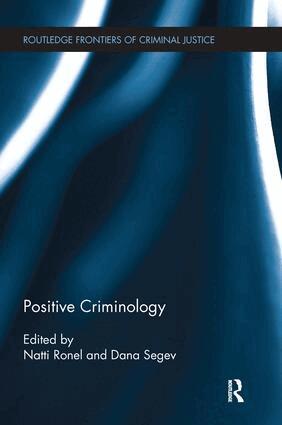
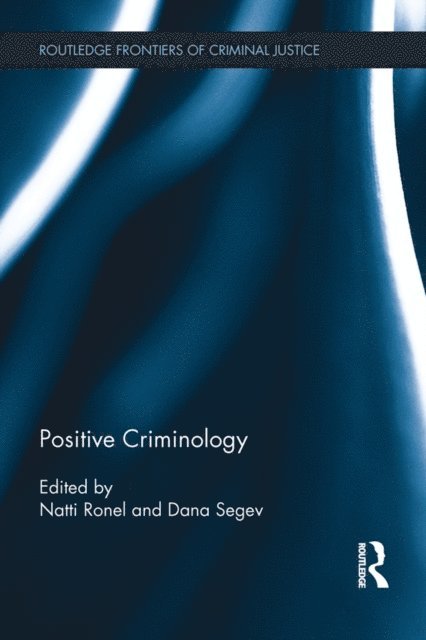
How can we best help offenders desist from crime, as well as help victims heal? This book engages with this question by offering its readers a comprehensive review of positive criminology in theory, research and practice. Positive criminology is a concept – a perspective – that places emphasis on forces of integration and social inclusion that are experienced positively by target individual and groups, and may contribute to a reduction in negative emotions, desistance from crime and overcoming the traumatic experience of victimization. In essence, positive criminology holds a more holistic view, which acknowledges that thriving and disengagement from distress, addiction, mental illness, crime, deviance or victimization might be fostered more effectively by enhancing positive emotions and experiences, rather than focusing on reducing negative attributes. Each chapter in this book is written by key scholars in the related fields of criminology, victimology and addiction and, thus, assembles varied and extensive approaches to rehabilitation and treatment. These approaches share in common a positive criminology view, thereby enriching our understanding of the concept and other strength-based approaches to dealing with offenders and victims. This edited book elaborates on positive criminology core ideas and assumptions; discusses related theories and innovations; and presents various benefits that this perspective can promote in the field of rehabilitation. For this reason, this book will be essential reading for those engaged in the study of criminology, criminal justice and victimology and may also assist scholars and professionals to help offenders desist from crime and improve victims’ well-being.
1 936 kr
Skickas inom 10-15 vardagar
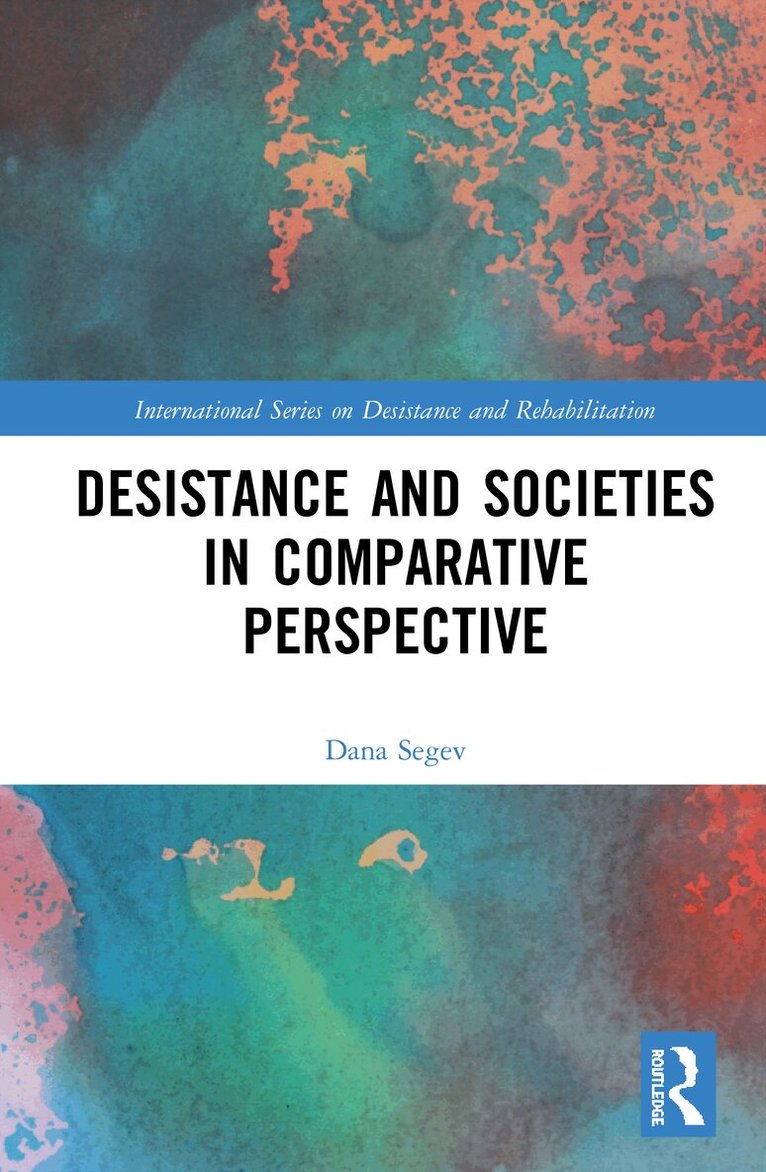
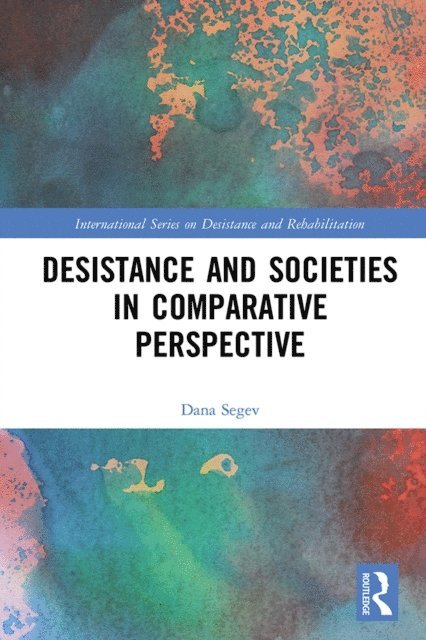
Scholarly exploration into how and why people stop offending (desistance from crime) has focused on the impact of internal and external factors in processes of desistance. Prior research has, in general, been undertaken within one nation and neglected the fact that desistance processes are situated within a broad social context which shapes an individual’s perceptions and actions. This book begins to fill this gap by exploring how societies and cultures shape desistance processes and experiences.Desistance and Societies in Comparative Perspective offers findings from a cross-national comparative mixed-method study of desistance processes in England and Israel: two countries with different social-political systems and distinct cultural attributes. The study is the first of its kind in criminology, both in terms of its key objectives and the methods utilised. The findings uncover how social structures and cultures shape individual-level experience. In particular, the findings illustrate how external and internal mechanisms in desistance processes were ‘oriented’ in particular ways, in accordance with contextual factors. The book outlines five contextual factors which were key in shaping the dynamics of desistance across societies and cultures. These are:cultural scripts;social climates;shared values and norms;social interactions and encounters; anddistinct cultural characteristics.These five factors provide a contextual framework within which to understand the role of cultures and social structures in shaping agency and experiences in processes of desistance, and with which to account for variances and similarities across societies and cultures. Written in a clear and direct style, this book will appeal to students and scholars in criminology, sociology, cultural studies, social theory and those interested in learning about why and how people desist from crime.
2 185 kr
Skickas inom 10-15 vardagar
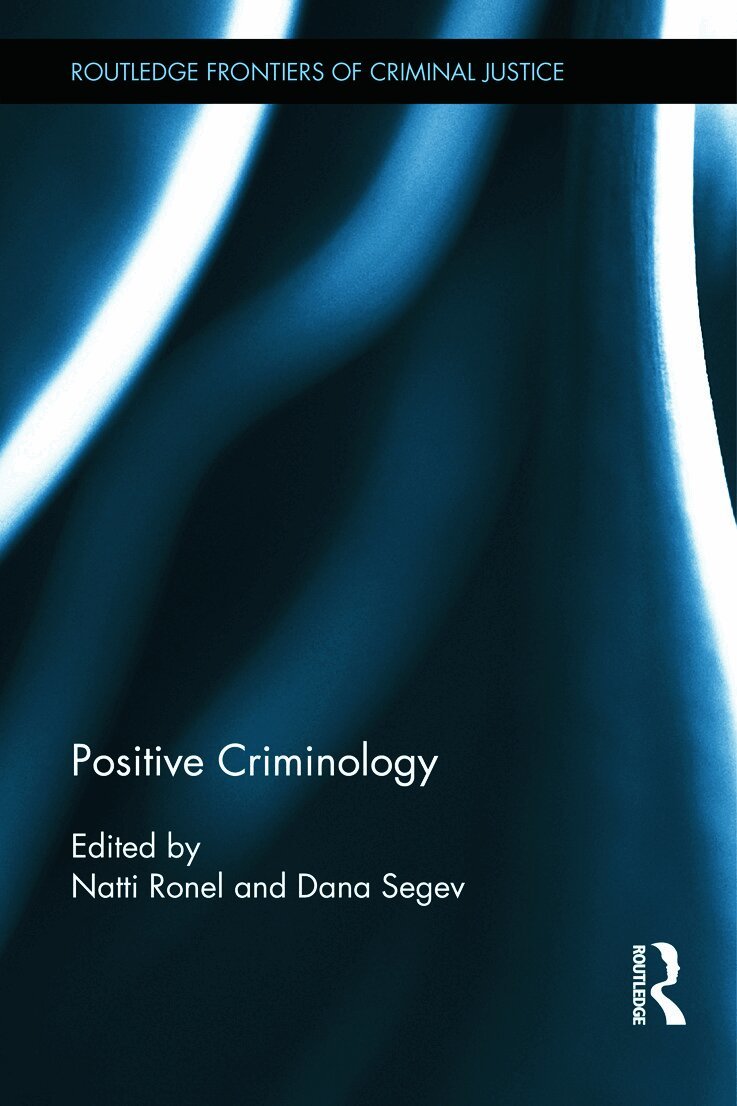
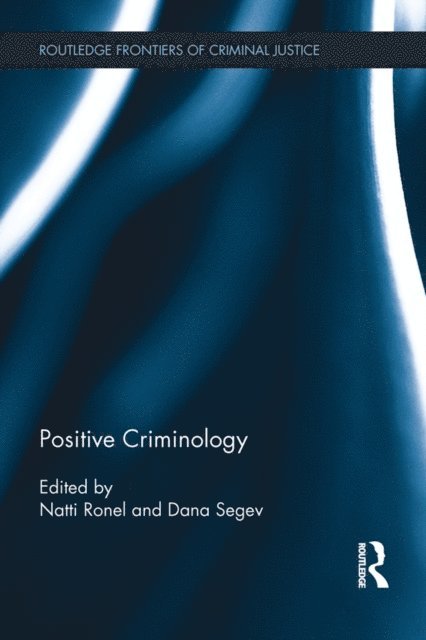
How can we best help offenders desist from crime, as well as help victims heal? This book engages with this question by offering its readers a comprehensive review of positive criminology in theory, research and practice. Positive criminology is a concept – a perspective – that places emphasis on forces of integration and social inclusion that are experienced positively by target individual and groups, and may contribute to a reduction in negative emotions, desistance from crime and overcoming the traumatic experience of victimization. In essence, positive criminology holds a more holistic view, which acknowledges that thriving and disengagement from distress, addiction, mental illness, crime, deviance or victimization might be fostered more effectively by enhancing positive emotions and experiences, rather than focusing on reducing negative attributes. Each chapter in this book is written by key scholars in the related fields of criminology, victimology and addiction and, thus, assembles varied and extensive approaches to rehabilitation and treatment. These approaches share in common a positive criminology view, thereby enriching our understanding of the concept and other strength-based approaches to dealing with offenders and victims. This edited book elaborates on positive criminology core ideas and assumptions; discusses related theories and innovations; and presents various benefits that this perspective can promote in the field of rehabilitation. For this reason, this book will be essential reading for those engaged in the study of criminology, criminal justice and victimology and may also assist scholars and professionals to help offenders desist from crime and improve victims’ well-being.
567 kr
Skickas inom 10-15 vardagar
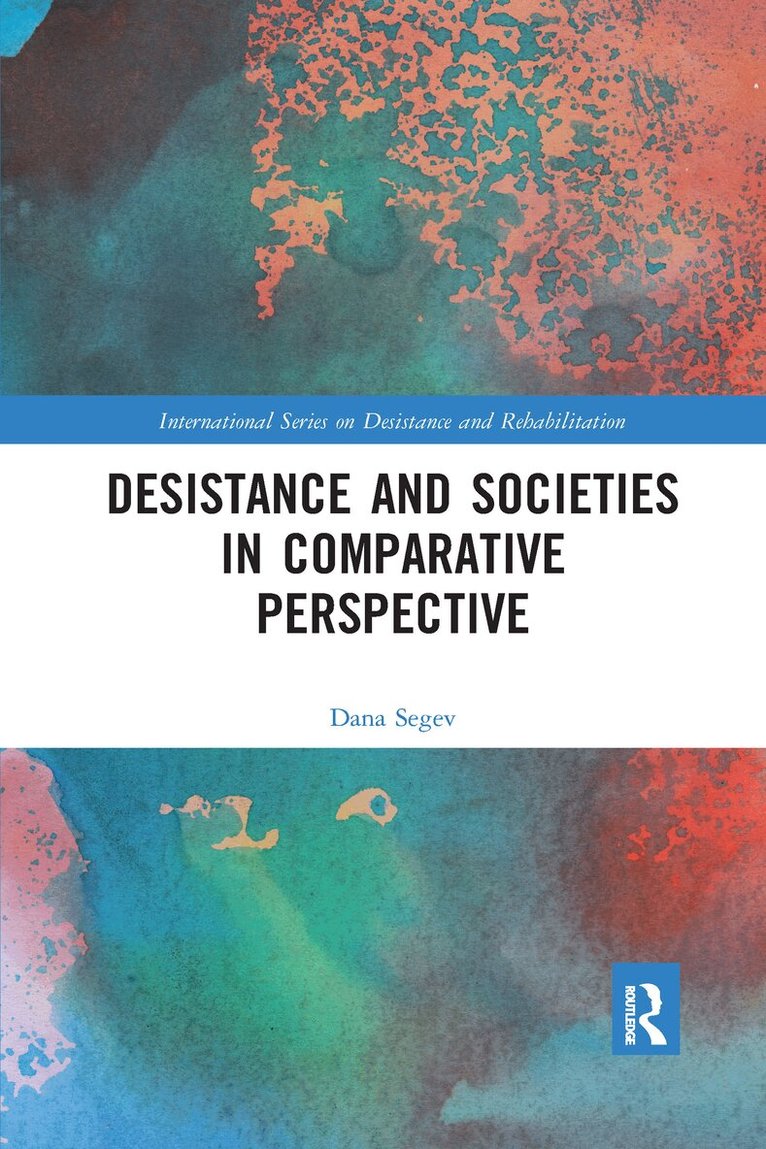
Scholarly exploration into how and why people stop offending (desistance from crime) has focused on the impact of internal and external factors in processes of desistance. Prior research has, in general, been undertaken within one nation and neglected the fact that desistance processes are situated within a broad social context which shapes an individual’s perceptions and actions. This book begins to fill this gap by exploring how societies and cultures shape desistance processes and experiences.Desistance and Societies in Comparative Perspective offers findings from a cross-national comparative mixed-method study of desistance processes in England and Israel: two countries with different social-political systems and distinct cultural attributes. The study is the first of its kind in criminology, both in terms of its key objectives and the methods utilised. The findings uncover how social structures and cultures shape individual-level experience. In particular, the findings illustrate how external and internal mechanisms in desistance processes were ‘oriented’ in particular ways, in accordance with contextual factors. The book outlines five contextual factors which were key in shaping the dynamics of desistance across societies and cultures. These are:cultural scripts;social climates;shared values and norms;social interactions and encounters; anddistinct cultural characteristics.These five factors provide a contextual framework within which to understand the role of cultures and social structures in shaping agency and experiences in processes of desistance, and with which to account for variances and similarities across societies and cultures. Written in a clear and direct style, this book will appeal to students and scholars in criminology, sociology, cultural studies, social theory and those interested in learning about why and how people desist from crime.