Dana Velasco Murillo - Böcker
Visar alla böcker från författaren Dana Velasco Murillo. Handla med fri frakt och snabb leverans.
6 produkter
6 produkter
1 307 kr
Skickas inom 7-10 vardagar
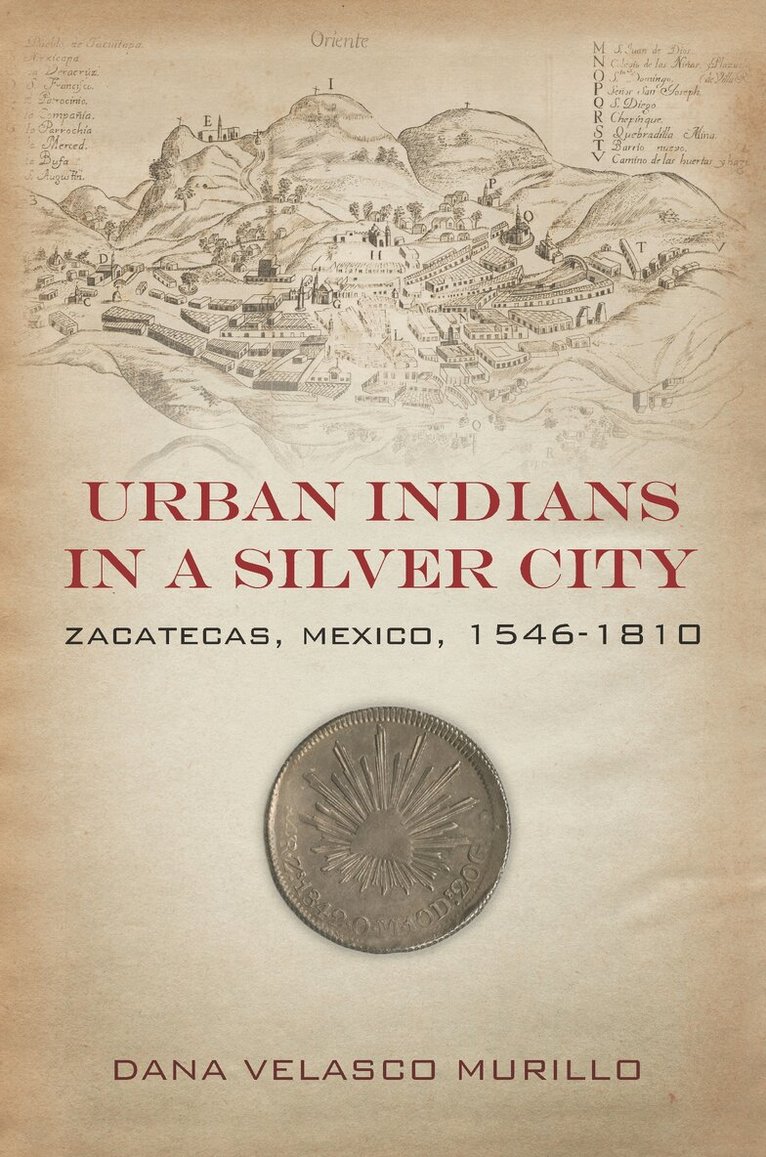
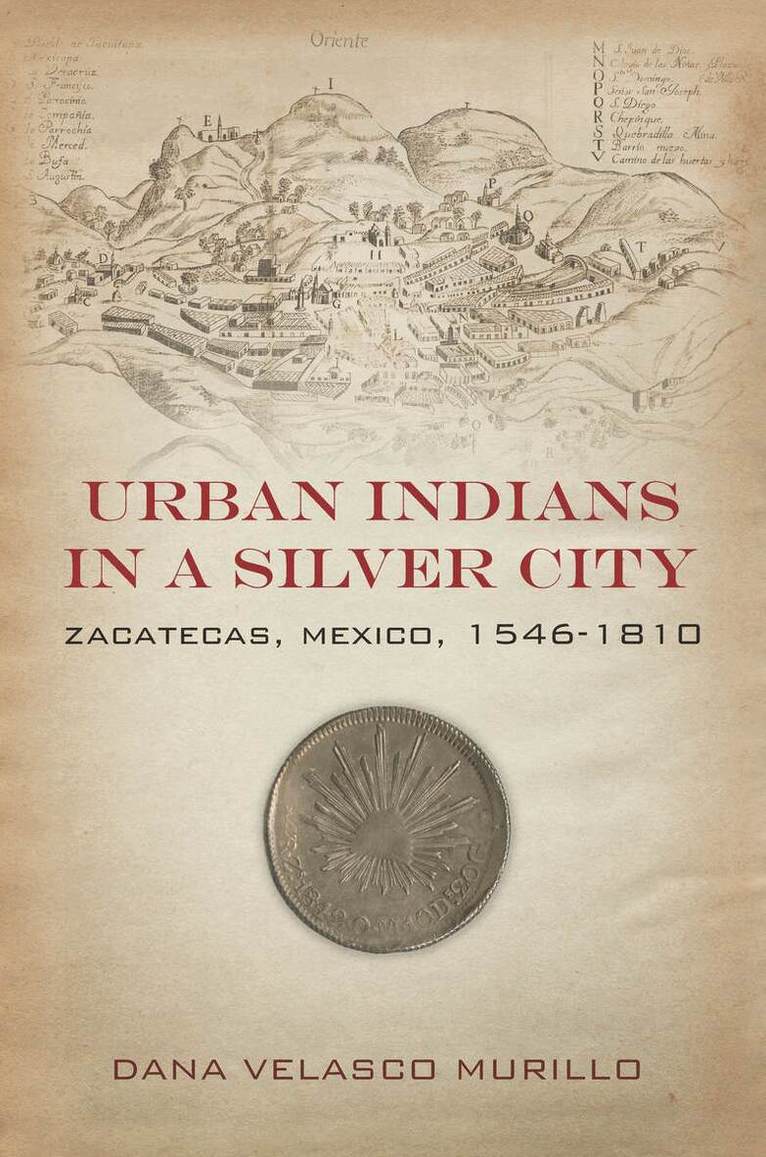
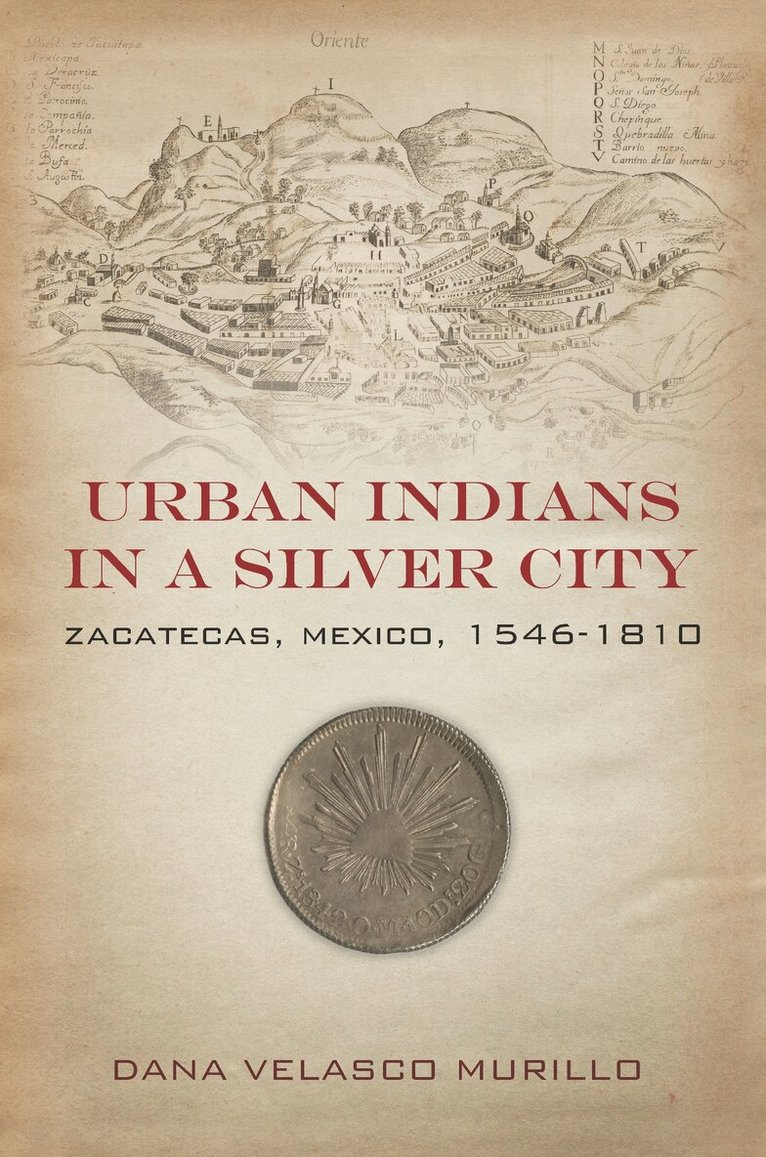
In the sixteenth century, silver mined by native peoples became New Spain's most important export. Silver production served as a catalyst for northern expansion, creating mining towns that led to the development of new industries, markets, population clusters, and frontier institutions. Within these towns, the need for labor, raw materials, resources, and foodstuffs brought together an array of different ethnic and social groups—Spaniards, Indians, Africans, and ethnically mixed individuals or castas. On the northern edge of the empire, 350 miles from Mexico City, sprung up Zacatecas, a silver-mining town that would grow in prominence to become the "Second City of New Spain."Urban Indians in a Silver City illuminates the social footprint of colonial Mexico's silver mining district. It reveals the men, women, children, and families that shaped indigenous society and shifts the view of indigenous peoples from mere laborers to settlers and vecinos (municipal residents). Dana Velasco Murillo shows how native peoples exploited the urban milieu to create multiple statuses and identities that allowed them to live in Zacatecas as both Indians and vecinos. In reconsidering traditional paradigms about ethnicity and identity among the urban Indian population, she raises larger questions about the nature and rate of cultural change in the Mexican north.
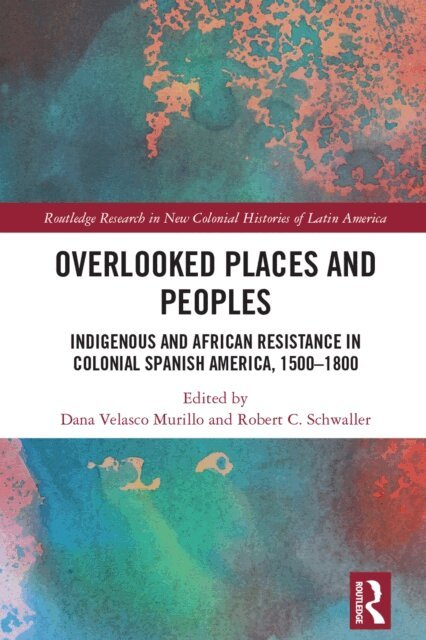
Overlooked Places and Peoples
Indigenous and African Resistance in Colonial Spanish America, 1500-1800
Inbunden, Engelska, 2024
2 150 kr
Skickas inom 10-15 vardagar
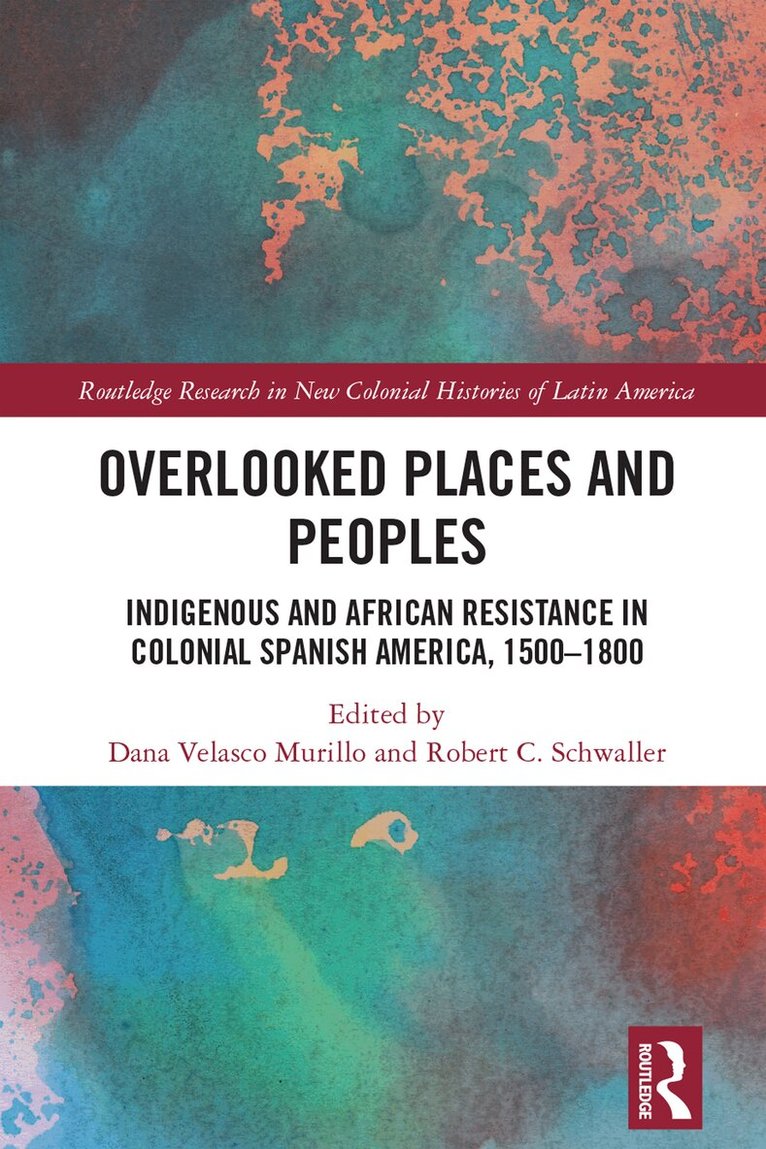
This book examines the hemispheric histories of overlooked peoples and places that shaped colonial Spanish America. This volume focuses on the experiences of Native peoples, Africans and Afro-descended peoples, and castas (individuals of mixed ancestry) living in regions perceived as fringe, marginal, or peripheral. It covers a comprehensive geographic range including northern Mexico, Central America, the Circum-Caribbean, and South America, as well as a sweeping chronological period, from the earliest colonization episodes of the sixteenth century to the twilight of Spanish rule in the late eighteenth century. The chapters highlight the diverse peoples, from semisedentary and nonsedentary Native groups and Mosquito captains to free African governors—who lived, labored, fought, ruled, and formed communities across Spanish America. The volume examines how these overlooked peoples navigated colonial processes of conquest, displacement, and relocation, while drawing attention to local factors that influenced these experiences including ecological change, rivalries, diplomacy, contraband, time and distance, and geography. Through their analysis of the local and temporal contexts, the studies in this volume offer new insight into why the protagonists of these places responded contentiously—through resistance or flight—or cooperatively—by accepting treaties or alliances.Non-specialists-undergraduate students, booksellers, and librarians will be drawn to the individuals case studies, while scholars will find this collection to be an indispensable research tool.
Overlooked Places and Peoples
Indigenous and African Resistance in Colonial Spanish America, 1500-1800
Häftad, Engelska, 2026
607 kr
Skickas inom 10-15 vardagar
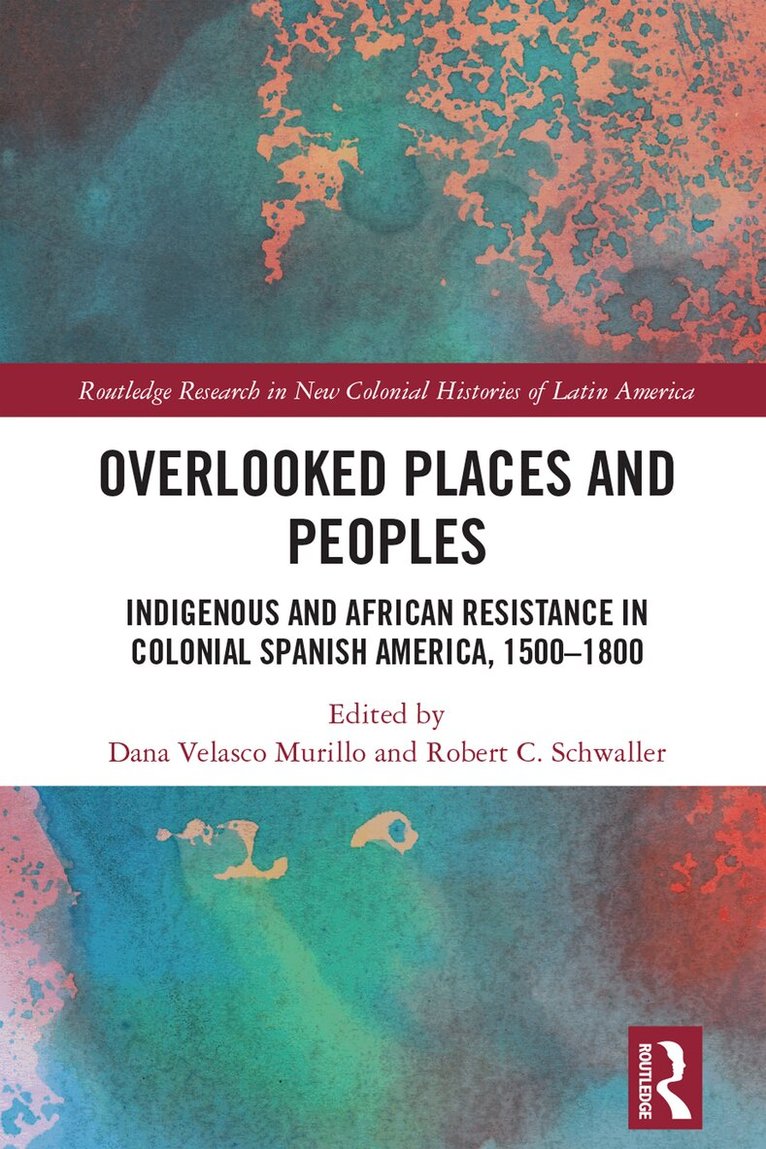
This book examines the hemispheric histories of overlooked peoples and places that shaped colonial Spanish America. This volume focuses on the experiences of Native peoples, Africans and Afro-descended peoples, and castas (individuals of mixed ancestry) living in regions perceived as fringe, marginal, or peripheral. It covers a comprehensive geographic range including northern Mexico, Central America, the Circum-Caribbean, and South America, as well as a sweeping chronological period, from the earliest colonization episodes of the sixteenth century to the twilight of Spanish rule in the late eighteenth century. The chapters highlight the diverse peoples, from semisedentary and nonsedentary Native groups and Mosquito captains to free African governors—who lived, labored, fought, ruled, and formed communities across Spanish America. The volume examines how these overlooked peoples navigated colonial processes of conquest, displacement, and relocation, while drawing attention to local factors that influenced these experiences including ecological change, rivalries, diplomacy, contraband, time and distance, and geography. Through their analysis of the local and temporal contexts, the studies in this volume offer new insight into why the protagonists of these places responded contentiously—through resistance or flight—or cooperatively—by accepting treaties or alliances.Non-specialists-undergraduate students, booksellers, and librarians will be drawn to the individuals case studies, while scholars will find this collection to be an indispensable research tool.
319 kr
Skickas inom 7-10 vardagar
In the sixteenth century, silver mined by native peoples became New Spain's most important export. Silver production served as a catalyst for northern expansion, creating mining towns that led to the development of new industries, markets, population clusters, and frontier institutions. Within these towns, the need for labor, raw materials, resources, and foodstuffs brought together an array of different ethnic and social groups—Spaniards, Indians, Africans, and ethnically mixed individuals or castas. On the northern edge of the empire, 350 miles from Mexico City, sprung up Zacatecas, a silver-mining town that would grow in prominence to become the "Second City of New Spain."Urban Indians in a Silver City illuminates the social footprint of colonial Mexico's silver mining district. It reveals the men, women, children, and families that shaped indigenous society and shifts the view of indigenous peoples from mere laborers to settlers and vecinos (municipal residents). Dana Velasco Murillo shows how native peoples exploited the urban milieu to create multiple statuses and identities that allowed them to live in Zacatecas as both Indians and vecinos. In reconsidering traditional paradigms about ethnicity and identity among the urban Indian population, she raises larger questions about the nature and rate of cultural change in the Mexican north.
City Indians in Spain's American Empire
Urban Indigenous Society in Colonial Mesoamerica and Andean South America, 1530-1810
Inbunden, Engelska, 2011
1 740 kr
Skickas inom 7-10 vardagar
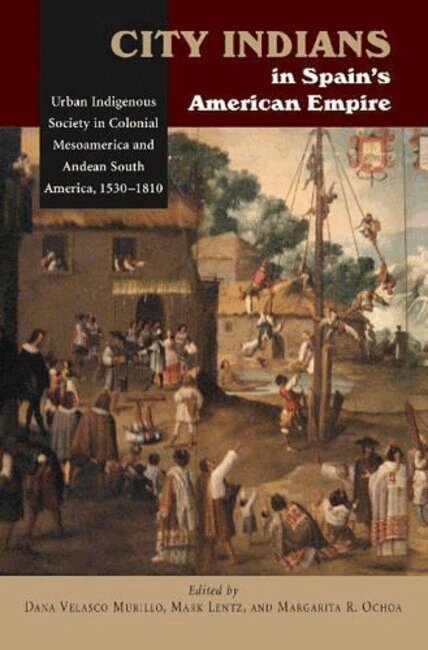
This volume, the first of its genre in English, brings together the pioneering work of scholars of urban Indians of colonial Latin America. An important, but understudied segment of colonial society, urban Indians composed a majority of the population of Spanish America's most important cities. The geographic range, chronological scope, and thematic content of urban native studies is addressed by examining such topics as the role of natives in settling frontier regions, interethnic relations, notaries and chroniclers, and the continuation of indigenous governance. In spanning the entirety of the colonial period, the persistence and the creation of urban Indian identities and their contributions to colonial society is brought to the fore. Scholarly contributions include chapters by Susan Schroeder, "Whither Tenochtitlan? Chimalpahin and Mexico City, 15931631" and David Cahill, "Urban Mosaic: Indigenous Ethnicities in Colonial Cuzco". The volume opens with commentary by John K. Chance, pioneer scholar of urban Indians in Latin America and author of the highly praised Race and Class in Colonial Oaxaca and is summed up in "Concluding Remarks" by Kevin Terraciano, author of the widely acclaimed The Mixtecs of Colonial Oaxaca: Nudzahui History. The diverse themes, time periods, and geographic regions discussed herein make this illustrated book essential reading for all those engaged in colonial and indigenous studies.
City Indians in Spain's American Empire
Urban Indigenous Society in Colonial Mesoamerica and Andean South America, 1530-1810
Häftad, Engelska, 2013
518 kr
Skickas inom 7-10 vardagar
This volume, the first of its genre in English, brings together the pioneering work of scholars of urban Indians of colonial Latin America. An important, but understudied segment of colonial society, urban Indians composed a majority of the population of Spanish America's most important cities. The geographic range, chronological scope, and thematic content of urban native studies is addressed by examining such topics as the role of natives in settling frontier regions, interethnic relations, notaries and chroniclers, and the continuation of indigenous governance. In spanning the entirety of the colonial period, the persistence and the creation of urban Indian identities and their contributions to colonial society is brought to the fore. Scholarly contributions include chapters by Susan Schroeder, "Whither Tenochtitlan? Chimalpahin and Mexico City, 15931631" and David Cahill, "Urban Mosaic: Indigenous Ethnicities in Colonial Cuzco". The volume opens with commentary by John K. Chance, pioneer scholar of urban Indians in Latin America and author of the highly praised Race and Class in Colonial Oaxaca and is summed up in "Concluding Remarks" by Kevin Terraciano, author of the widely acclaimed The Mixtecs of Colonial Oaxaca: Nudzahui History. The diverse themes, time periods, and geographic regions discussed herein make this illustrated book essential reading for all those engaged in colonial and indigenous studies.