Daniel A. Rodriguez – författare
Visar alla böcker från författaren Daniel A. Rodriguez. Handla med fri frakt och snabb leverans.
4 produkter
4 produkter
1 340 kr
Kommande
Over five decades, successive editions of Urban Land Use Planning have reflected and shaped the planning profession, guiding practitioners as they respond to changing social, economic, and environmental challenges. The sixth edition addresses the complex and pressing equity, sustainability, and resilience issues of today and looks ahead to emerging tools and technologies that will influence the field's future evolution.The book is organized into three parts. The first establishes an intellectual foundation by linking the values, theories, and tools that define contemporary land use planning practice. The second equips planners with analytical methods and information systems needed to build a strong factual basis for effective land use planning, incorporating advances in digital data and interactive technologies. The third explains the concepts and sequential tasks involved in preparing and implementing plans.The first new edition since 2006, Urban Land Use Planning, Sixth Edition updates and revises one of the most enduring and influential works in American planning history.
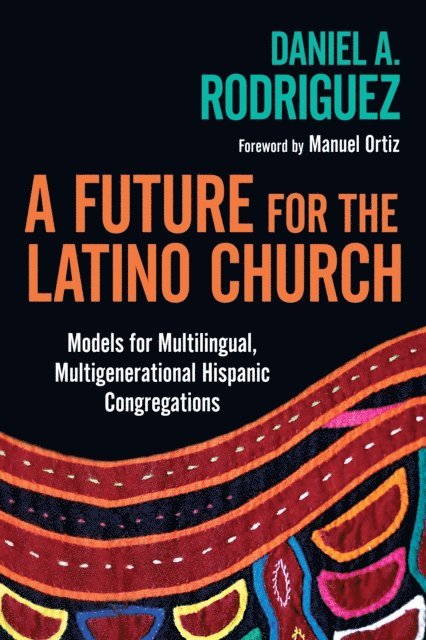
Future for the Latino Church – Models for Multilingual, Multigenerational Hispanic Congregations
Häftad, Engelska, 2011
292 kr
Skickas inom 3-6 vardagar
1 103 kr
Skickas inom 10-15 vardagar
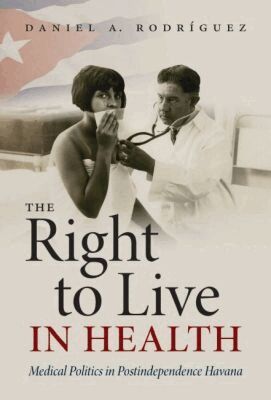
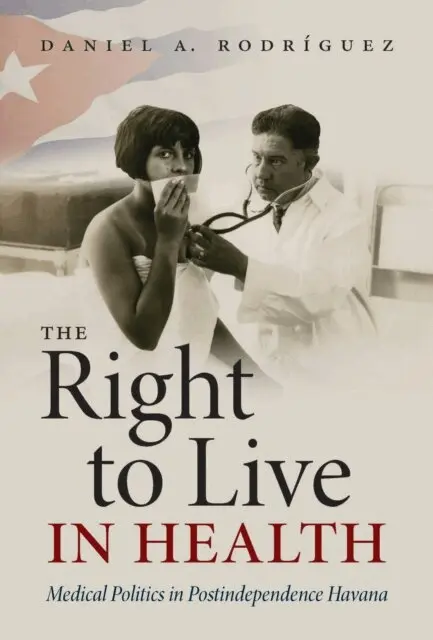
Daniel A. Rodriguez's history of a newly independent Cuba shaking off the U.S. occupation focuses on the intersection of public health and politics in Havana. While medical policies were often used to further American colonial power, in Cuba, Rodriguez argues, they evolved into important expressions of anticolonialnationalismas Cuba struggled to establish itself as a modern state. A younger generation of Cuban medical reformers, including physicians, patients, and officials, imagined disease as a kind of remnant of colonial rule. These new medical nationalists, as Rodriguez calls them, looked to medical science to guide Cuba toward what they envisioned as a healthy and independent future.Rodriguez describes how medicine and new public health projects infused republican Cuba's statecraft, powerfully shaping the lives of Havana's residents. He underscores how various stakeholders, including women and people of color, demanded robust government investment in quality medical care for all Cubans, a central national value that continues today. On a broader level, Rodriguez proposes that Latin America, at least as much as the United States and Europe, was an engine for the articulation of citizens' rights, including the right to health care, in the twentieth century.
437 kr
Skickas inom 10-15 vardagar
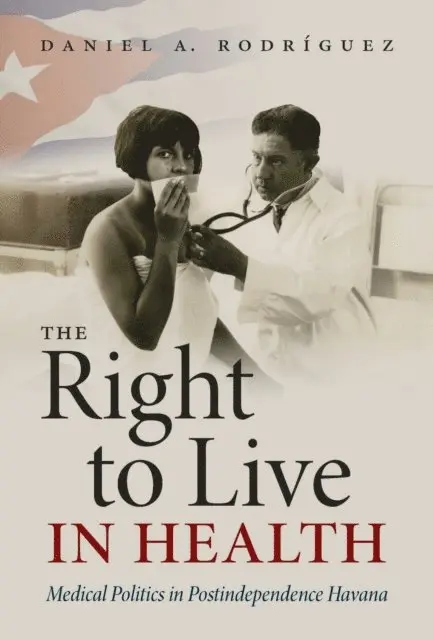
Daniel A. Rodriguez's history of a newly independent Cuba shaking off the U.S. occupation focuses on the intersection of public health and politics in Havana. While medical policies were often used to further American colonial power, in Cuba, Rodriguez argues, they evolved into important expressions of anticolonialnationalismas Cuba struggled to establish itself as a modern state. A younger generation of Cuban medical reformers, including physicians, patients, and officials, imagined disease as a kind of remnant of colonial rule. These new medical nationalists, as Rodriguez calls them, looked to medical science to guide Cuba toward what they envisioned as a healthy and independent future.Rodriguez describes how medicine and new public health projects infused republican Cuba's statecraft, powerfully shaping the lives of Havana's residents. He underscores how various stakeholders, including women and people of color, demanded robust government investment in quality medical care for all Cubans, a central national value that continues today. On a broader level, Rodriguez proposes that Latin America, at least as much as the United States and Europe, was an engine for the articulation of citizens' rights, including the right to health care, in the twentieth century.