Daniel C. Dennett – författare
Visar alla böcker från författaren Daniel C. Dennett. Handla med fri frakt och snabb leverans.
59 produkter
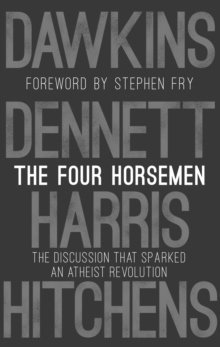
Four Horsemen
The Discussion that Sparked an Atheist Revolution Foreword by Stephen Fry
Av Richard Dawkins, Sam Harris m. fl.
Inbunden, 2019
1,5 utav 5 stjärnor. Totalt antal röster: (4)
187 kr
Lägg i varukorg
_________________Includes a foreword by STEPHEN FRY'A classic for our time...And all time.' - Michael Shermer'The words of Hitchens, Dawkins, Harris and Dennett are needed more than ever. These are the heirs to Voltaire.' - Matt RidleyKnown as the ‘four horsemen’ of New Atheism, these four big …
Consciousness Explained
Häftad, 1993
2,0 utav 5 stjärnor. Totalt antal röster: (3)
166 kr
Lägg i varukorg
In Consciousness Explained, Daniel C. Dennett reveals the secrets of one of the last remaining mysteries of the universe: the human brain.Daniel C. Dennett's now-classic book blends philosophy, psychology and neuroscience - with the aid of numerous examples and thought-experiments - to explore how …
Intuition Pumps And Other Tools for Thinking
Inbunden, 2013
4,0 utav 5 stjärnor. Totalt antal röster: (1)
305 kr
Lägg i varukorg
Over a storied career, Daniel C. Dennett has engaged questions about science and the workings of the mind. His answers have combined rigorous argument with strong empirical grounding. And a lot of fun.Intuition Pumps and Other Tools for Thinking offers seventy-seven of Dennett’s most successful …
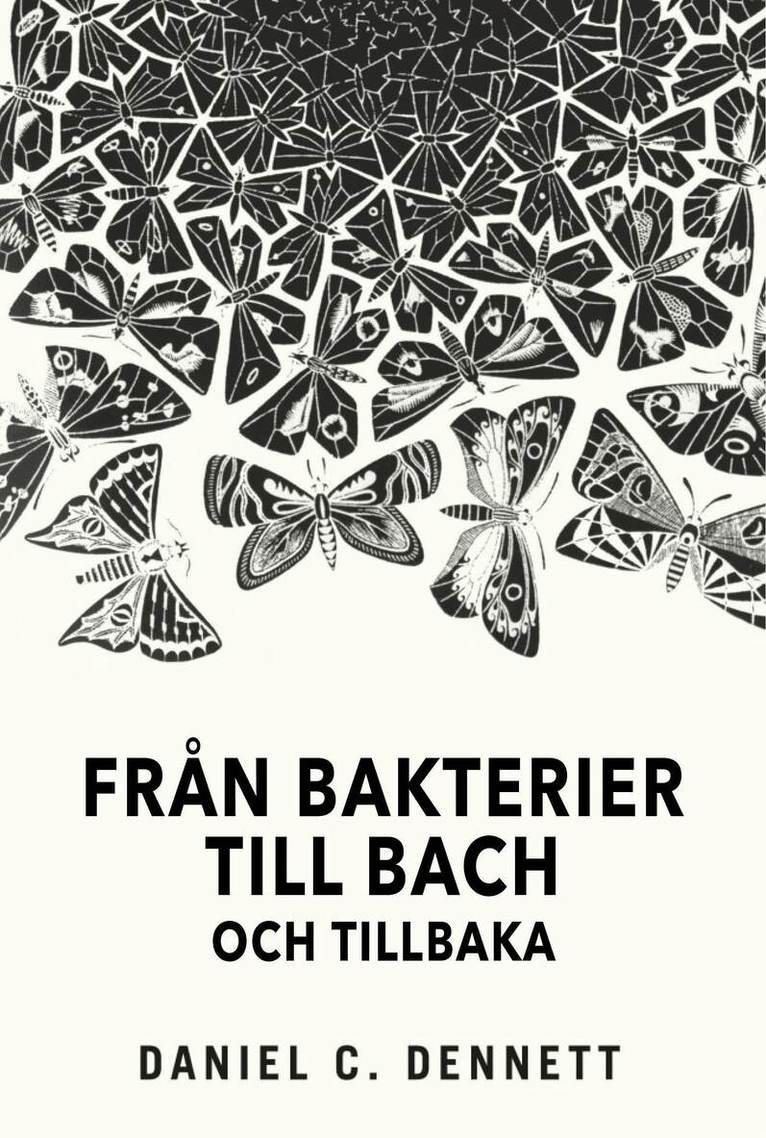
Från bakterier till Bach och tillbaka: Medvetandets evolution
Inbunden, 2017
3,5 utav 5 stjärnor. Totalt antal röster: (15)
273 kr
Lägg i varukorg
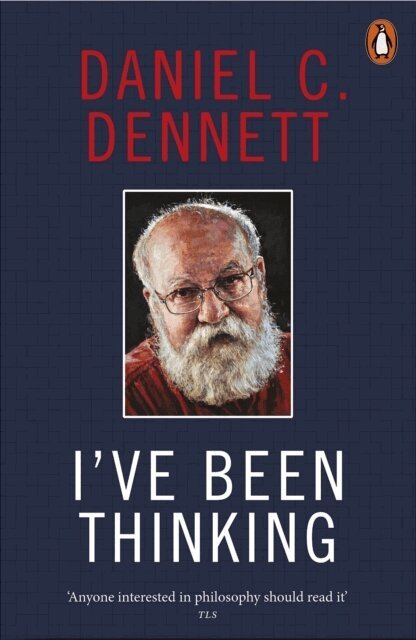
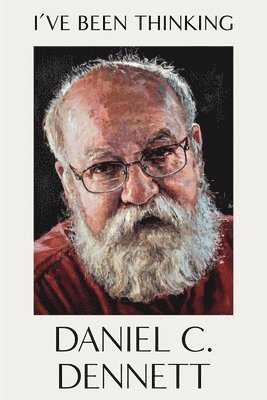
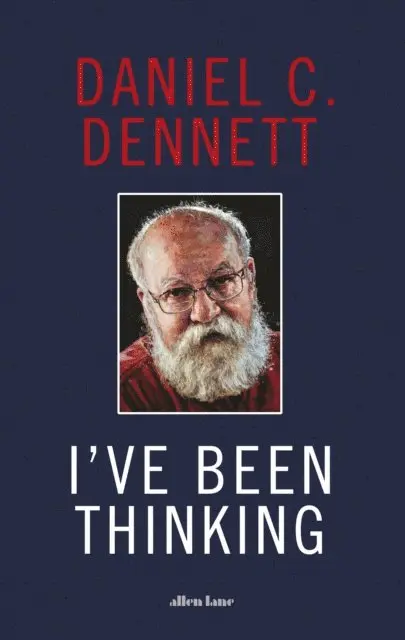
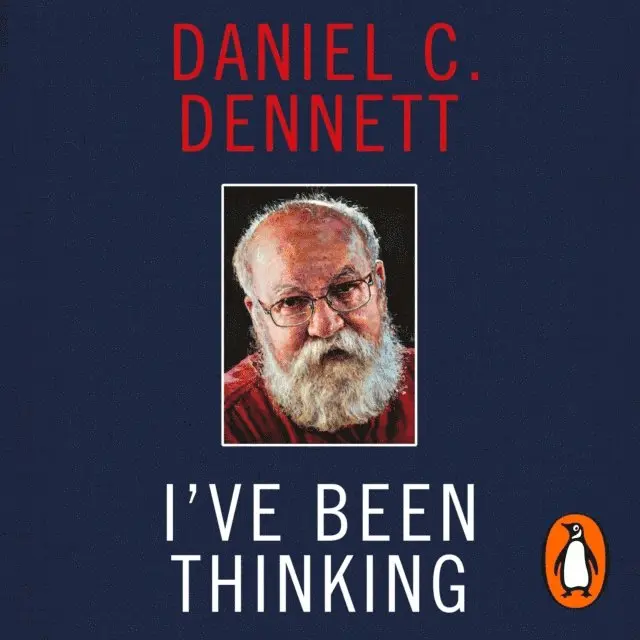
I've Been Thinking
Häftad, 2025
5,0 utav 5 stjärnor. Totalt antal röster: (1)
167 kr
Lägg i varukorg
'A generous book written by a figure who has made a significant impact on philosophy ... Anyone interested in philosophy should read it' Nigel Warburton, Times Literary Supplement'One of today's most readable, intellectually nimble and scientifically literate philosophers' Nature'Who would have …
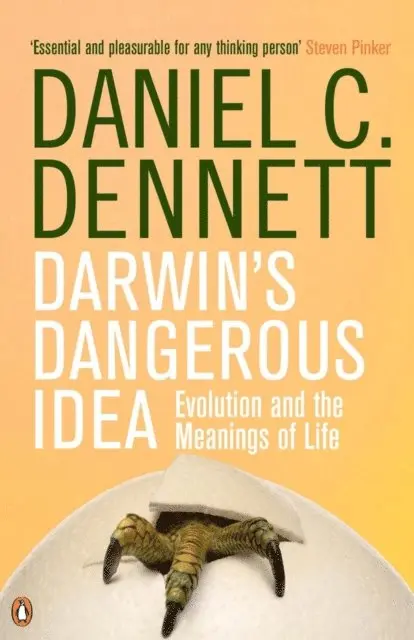
Darwin's Dangerous Idea
Evolution and the Meanings of Life
Häftad, 1996
2,0 utav 5 stjärnor. Totalt antal röster: (1)
183 kr
Lägg i varukorg
In Darwin's Dangerous Idea: Evolution and the Meanings of Life Daniel C. Dennett argues that the theory of evolution can demystify the miracles of life without devaluing our most cherished beliefs.From the moment it first appeared, Charles Darwin's theory of evolution by natural selection has been …
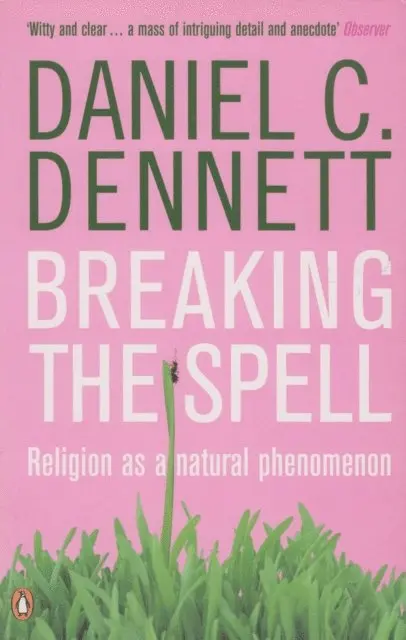
Breaking the Spell
Religion as a Natural Phenomenon
Häftad, 2007
3,7 utav 5 stjärnor. Totalt antal röster: (3)
155 kr
Lägg i varukorg
In Breaking the Spell Daniel C. Dennett explores how the great ideas of religion have enthralled us for thousands of years - and whether we could (or should) break free. What is religion and how did it evolve? Is it the product of blind evolutionary instinct or of rational choice? Is the only way …
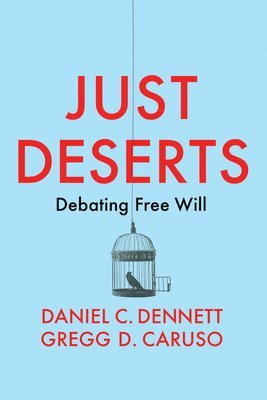
Just Deserts
Debating Free Will
Av Daniel C. Dennett, Gregg D. Caruso
Häftad, 2021
133 kr
Lägg i varukorg
The concept of free will is profoundly important to our self-understanding, our interpersonal relationships, and our moral and legal practices. If it turns out that no one is ever free and morally responsible, what would that mean for society, morality, meaning, and the law?Just Deserts brings …
From Darwin to Derrida
Selfish Genes, Social Selves, and the Meanings of Life
Av David Haig, Daniel C. Dennett
Häftad, 2026
408 kr
Lägg i varukorg
How the meaningless process of natural selection produces purposeful beings who find meaning in the world.In From Darwin to Derrida, evolutionary biologist David Haig explains how a physical world of matter in motion gave rise to a living world of purpose and meaning. Natural selection, a process …
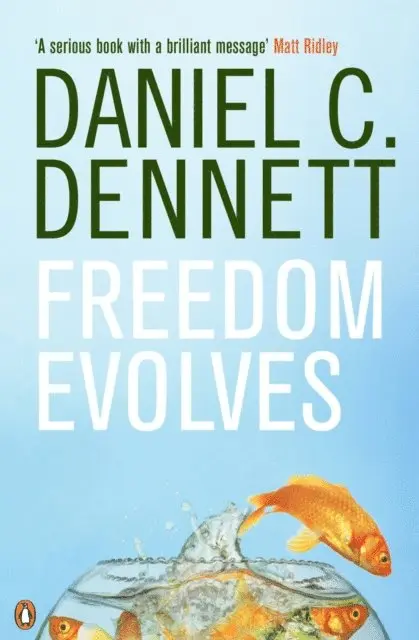
Freedom Evolves
Häftad, 2004
4,0 utav 5 stjärnor. Totalt antal röster: (1)
155 kr
Lägg i varukorg
Daniel C. Dennett's Freedom Evolves tackles the most important question of human existence - is there really such a thing as free will?How can humans make genuinely independent choices if we are just a cluster of cells and genes in a world determined by scientific laws?Here, Daniel Dennett provides …
Sweet Dreams
E-bok, 2006
492 kr
Lägg i varukorg
In the years since Daniel Dennett''s influential Consciousness Explained was published in 1991, scientific research on consciousness has been a hotly contested battleground of rival theories—"so rambunctious," Dennett observes, "that several people are writing books just about the tumult." With …
I've Been Thinking
Inbunden, 2023
2,0 utav 5 stjärnor. Totalt antal röster: (1)
392 kr
Lägg i varukorg
Daniel C. Dennett, preeminent philosopher and cognitive scientist, has spent his career considering the thorniest, most fundamental mysteries of the mind. Do we have free will? What is consciousness and how did it come about? What distinguishes human minds from the minds of animals? Dennett’s …
Breaking the Spell
Religion as a Natural Phenomenon
E-bok, 2007
108 kr
Lägg i varukorg
Few forces in the world are as potent as religion: it comforts people in their suffering and inspires them to both magnificent and terrible deeds. In this provocative and timely book, Daniel C. Dennett seeks to uncover the origins of religion and discusses how and why different faiths have shaped …
Darwin's Dangerous Idea
Evolution and the Meanings of Life
E-bok, 1996
147 kr
Lägg i varukorg
In Darwin's Dangerous Idea: Evolution and the Meanings of Life Daniel C. Dennett argues that the theory of evolution can demystify the miracles of life without devaluing our most cherished beliefs.From the moment it first appeared, Charles Darwin's theory of evolution by natural selection has been …
Freedom Evolves
E-bok, 2004
108 kr
Lägg i varukorg
Dennett shows that human freedom is not an illusion; it is an objective phenomenon, distinct from all other biological conditions and found in only one species - us. There was a time on this planet when it didn't exist, quite recently in fact. It had to evolve like every other feature of the …
Consciousness Explained
E-bok, 1993
125 kr
Lägg i varukorg
In Consciousness Explained, Daniel C. Dennett reveals the secrets of one of the last remaining mysteries of the universe: the human brain.Daniel C. Dennett's now-classic book blends philosophy, psychology and neuroscience - with the aid of numerous examples and thought-experiments - to explore how …
Intuition Pumps and Other Tools for Thinking
E-bok, 2013
108 kr
Lägg i varukorg
Thinking is hard - yet barely a waking moment passes when we're not labouring away at it. A few of us may be natural geniuses, able to work through the toughest tangles in an instant; others, blessed with reserves of willpower, stay the course in the dogged pursuit of truth. Then there's the rest …
From Bacteria to Bach and Back
The Evolution of Minds
Häftad, 2018
2,0 utav 5 stjärnor. Totalt antal röster: (4)
166 kr
Lägg i varukorg
'Required reading for anyone remotely curious about how they came to be remotely curious' Observer'Enthralling' Spectator What is human consciousness and how is it possible? These questions fascinate thinking people from poets and painters to physicists, psychologists, and philosophers. This is …
From Bacteria to Bach and Back
The Evolution of Minds
E-bok, 2017
108 kr
Lägg i varukorg
'Required reading for anyone remotely curious about how they came to be remotely curious' Observer'Enthralling' Spectator What is human consciousness and how is it possible? These questions fascinate thinking people from poets and painters to physicists, psychologists, and philosophers. This is …
I've Been Thinking
E-bok, 2023
136 kr
Lägg i varukorg
'A generous book written by a figure who has made a significant impact on philosophy ... Anyone interested in philosophy should read it' Nigel Warburton, Times Literary Supplement'Who would have guessed that a philosopher's life could be so full of adventures?'Daniel C. Dennett, philosopher and …
Breaking the Spell: Religion as a Natural Phenomenon
Häftad, 2007
5,0 utav 5 stjärnor. Totalt antal röster: (1)
258 kr
Lägg i varukorg
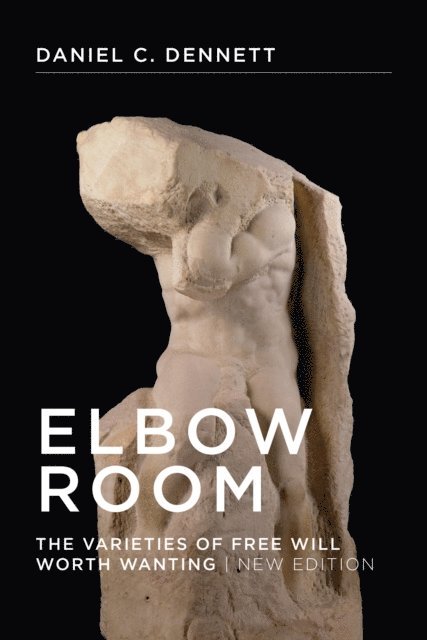
Elbow Room
The Varieties of Free Will Worth Wanting
Häftad, 1985
667 kr
Lägg i varukorg
Elbow Room The Varieties of Free Will Worth Wanting
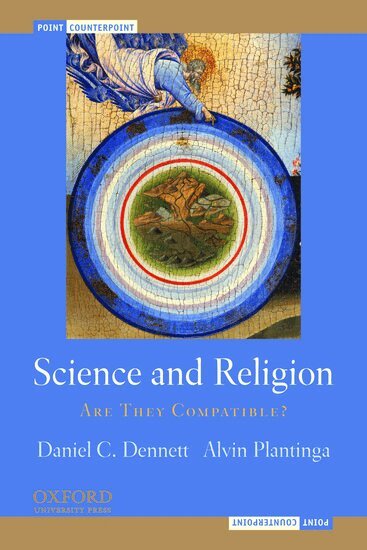
Science and Religion
Are They Compatible?
Av Daniel C. Dennett, Alvin Plantinga
Häftad, 2011
1,0 utav 5 stjärnor. Totalt antal röster: (3)
546 kr
Lägg i varukorg
One of today's most controversial and heated issues is whether or not the conflict between science and religion can be reconciled. In Science and Religion: Are They Compatible?, renowned philosophers Daniel C. Dennett and Alvin Plantinga expand upon the arguments that they presented in an exciting …
I've Been Thinking
Ljudbok, 2023
210 kr
Lägg i varukorg
Brought to you by Penguin. ''Who would have guessed that a philosopher''s life could be so full of adventures?'' Daniel C. Dennett, philosopher and cognitive scientist, has spent his career considering consciousness. I''ve Been Thinking traces the development of Dennett''s own intellect and …
Intuition Pumps and Other Tools for Thinking
Häftad, 2014
3,0 utav 5 stjärnor. Totalt antal röster: (2)
161 kr
Lägg i varukorg
In Intuition Pumps, Daniel Dennett, one of the world's leading philosophers, and author of Consciousness Explained and Freedom Evolves, offers aspiring thinkers his personal trove of mind-stretching thought experimentsThinking is hard. A few of us may be natural geniuses; others are blessed with …
Inside Jokes
Av Jr. Reginald B. Adams, Daniel C. Dennett m. fl.
E-bok, 2011
468 kr
Lägg i varukorg
An evolutionary and cognitive account of the addictive mind candy that is humor. Some things are funny—jokes, puns, sitcoms, Charlie Chaplin, The Far Side , Malvolio with his yellow garters crossed—but why? Why does humor exist in the first place? Why do we spend so much of our time passing on …
Elbow Room, new edition
E-bok, 2015
369 kr
Lägg i varukorg
A landmark book in the debate over free will that makes the case for compatibilism. In this landmark 1984 work on free will, Daniel Dennett makes a case for compatibilism. His aim, as he writes in the preface to this new edition, was a cleanup job, “saving everything that mattered about the …
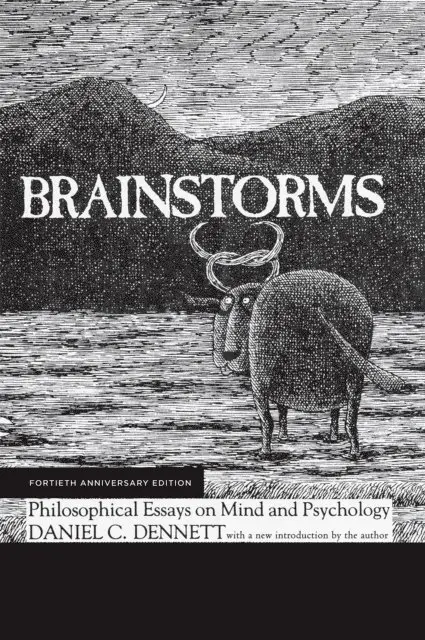
Brainstorms, Fortieth Anniversary Edition
E-bok, 2017
414 kr
Lägg i varukorg
An anniversary edition of a classic in cognitive science, with a new introduction by the author. When Brainstorms was published in 1978, the interdisciplinary field of cognitive science was just emerging. Daniel Dennett was a young scholar who wanted to get philosophers out of their armchairs—and …