David Haig - Böcker
Visar alla böcker från författaren David Haig. Handla med fri frakt och snabb leverans.
6 produkter
6 produkter
438 kr
Skickas inom 7-10 vardagar
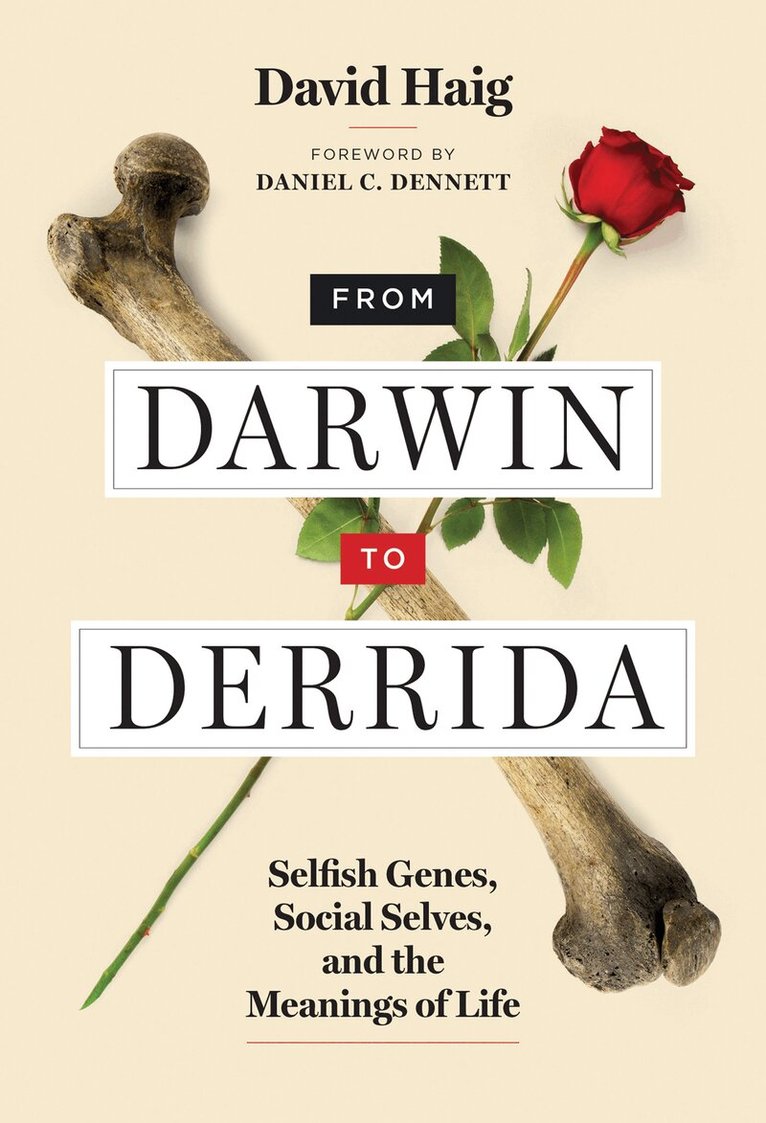
How the meaningless process of natural selection produces purposeful beings who find meaning in the world. In From Darwin to Derrida, evolutionary biologist David Haig explains how a physical world of matter in motion gave rise to a living world of purpose and meaning. Natural selection, a process without purpose, gives rise to purposeful beings who find meaning in the world. The key to this, Haig proposes, is the origin of mutable texts genes that preserve a record of what has worked in the world. These texts become the specifications for the intricate mechanisms of living beings. Haig draws on a wide range of sources from Laurence Sterne's Tristram Shandy to Immanuel Kant's Critique of the Power of Judgment to the work of Jacques Derrida to the latest findings on gene transmission, duplication, and expression to make his argument. Genes and their effects, he explains, are like eggs and chickens. Eggs exist for the sake of becoming chickens and chickens for the sake of laying eggs. A gene's effects have a causal role in determining which genes are copied. A gene (considered as a lineage of material copies) persists if its lineage has been consistently associated with survival and reproduction. Organisms can be understood as interpreters that link information from the environment to meaningful action in the environment. Meaning, Haig argues, is the output of a process of interpretation; there is a continuum from the very simplest forms of interpretation, instantiated in single RNA molecules near the origins of life, to the most sophisticated. Life is interpretation the use of information in choice.
361 kr
Skickas inom 7-10 vardagar
A landmark work of nineteenth-century developmental and evolutionary biology that takes the Darwinian struggle for existence into the organism itself.Though he is remembered primarily as a pioneer of experimental embryology, Wilhelm Roux was also a groundbreaking evolutionary theorist. Years before his research on chicken and frog embryos cemented his legacy as an experimentalist, Roux endorsed the radical idea that a “struggle for existence” within organisms—between organs, tissues, cells, and even subcellular components—drives individual development.Convinced that external competition between individuals is inadequate to explain the exquisite functionality of bodily parts, Roux aimed to uncover the mechanistic principles underlying self-organization. The Struggle of Parts was his attempt to provide such a theory. Combining elements of Darwinian selection and Lamarckian inheritance of acquired characteristics, the work advanced a materialist explanation of how “purposiveness” within the organism arises as the body’s components compete for space and nourishment. The result, according to Charles Darwin, was “the most important book on evolution which has appeared for some time.”Translated into English for the first time by evolutionary biologist David Haig and Richard Bondi, The Struggle of Parts represents an important forgotten chapter in the history of developmental and evolutionary theory.
435 kr
Kommande
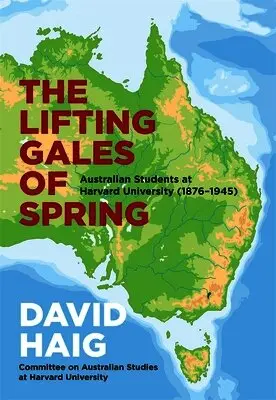
The Lifting Gales of Spring tells the stories of the eighty students from Australia who attended Harvard University, from the first student to enroll at Harvard Medical School in 1876, before Australia was a country, through the end of World War II, after which Australian contacts with Harvard dramatically increased. It includes Steve O’Donnell, a boilermaker from Sydney who became a boxing instructor at Harvard and taught T. S. Eliot how to box. The title references a poem by Ernest George Moll describing his time at the Graduate School of Arts and Sciences.
425 kr
Skickas inom 5-8 vardagar
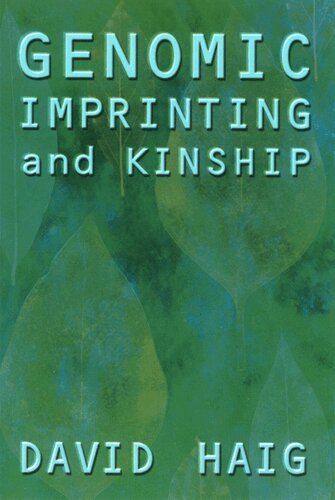
Until twenty years ago we had no idea which of our genes came from our father and which came from our mother. We took it for granted that our genes expressed themselves identically and that there was a 50/50 chance that they came from either parent. We also assumed that they worked in cooperation with each other. The biggest breakthrough in genetics in the past two decades has been the discovery of genomic imprinting, which allows us to trace genes to the parent of origin. David Haig has been at the forefront of theorizing these developments. He argues that these "paternally and maternally active genes" comprise less than one percent of our total gene count and are far from being cooperative. In fact, they have been shown to be in competition with one another. If Haig's theory holds true, imprinted genes exemplify an extraordinary within-individual conflict, while shaking up our fundamental ideas of what it means to be an individual. This collection of Haig's papers represents a unique comprehensive overview of the state of evolutionary biology. The pages are linked by a commentary that provides background, and brings readers up-to-date on developments that occurred after the paper's original publication. Since genomic imprinting touches on many areas in the life sciences, including evolutionary biology and developmental genetics, Haig's work is scattered through the literature. This volume brings his work together for the first time. A volume in the Rutgers Series in Human Evolution, edited by Robert Trivers. David Haig is an associate professor of organismic and evolutionary biology at Harvard University.
170 kr
Skickas
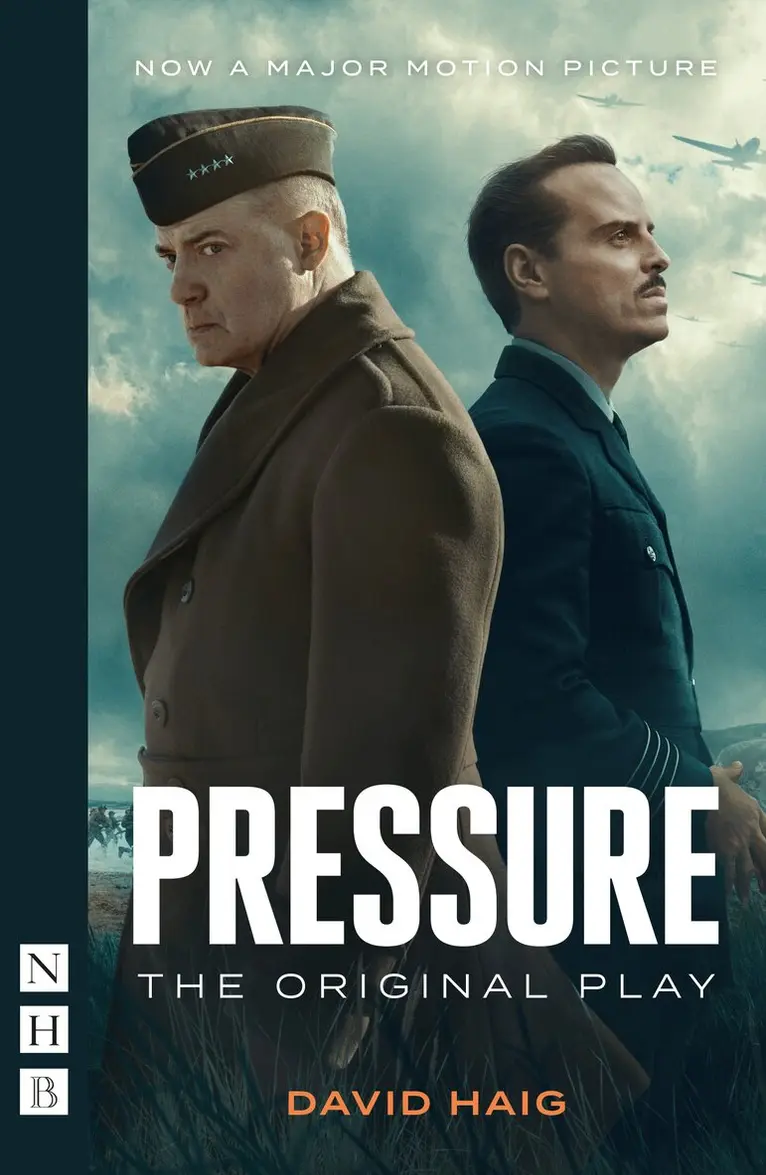
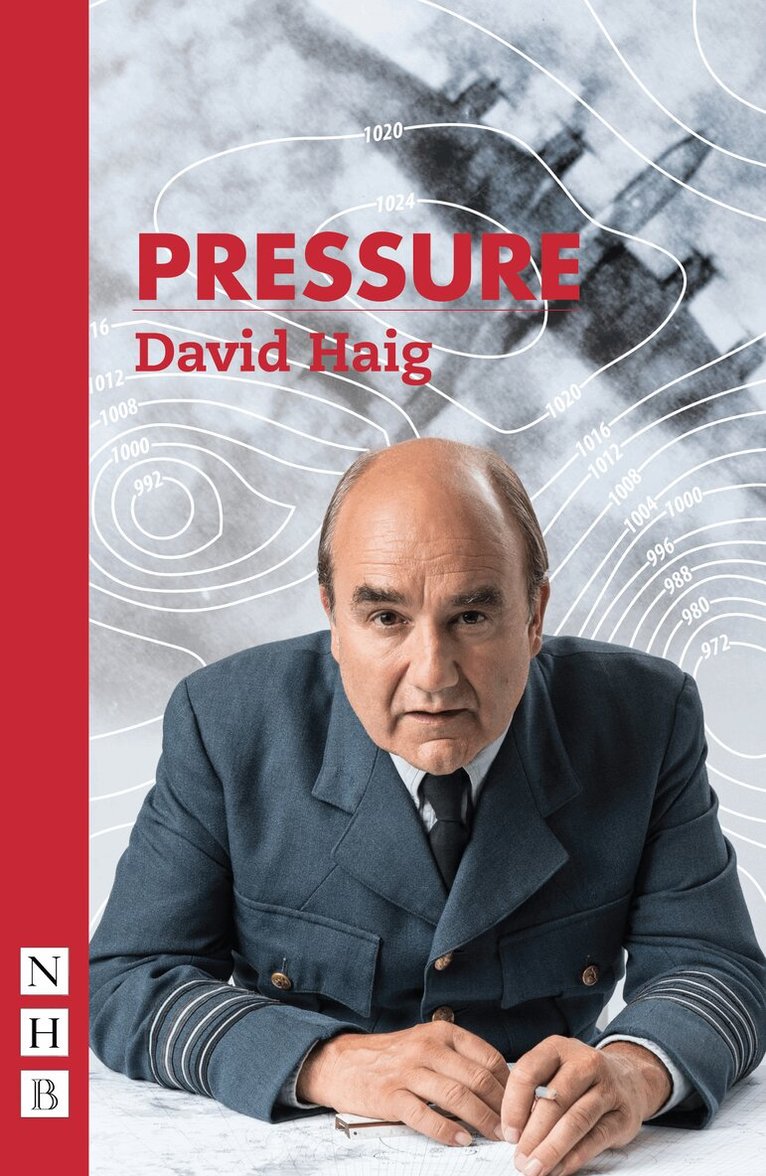
An intense real-life thriller centred around the most important weather forecast in the history of warfare.June 1944. One man's decision is about to change the course of history.Everything is in place for the biggest invasion ever known in Europe – D-Day. One last crucial question remains: will the weather be right on the day?Problematically there are two opposing forecasts. American celebrity weatherman Colonel Krick predicts sunshine, while Scot Dr James Stagg, Chief Meteorological Officer for the Allied Forces, forecasts a storm. As the world watches and waits, General Eisenhower, Allied Supreme Commander, must decide which of these bitter antagonists to trust. The decision will not only seal the fates of thousands of men, but could win or lose the entire war.An extraordinary and little-known true story, David Haig's play thrillingly explores the responsibilities of leadership, the challenges of prophecy and the personal toll of taking a stand.Pressure premiered at the Royal Lyceum Theatre, Edinburgh, in May 2014 before transferring to Chichester Festival Theatre, in a production directed by John Dove, with the author playing James Stagg.
133 kr
Skickas
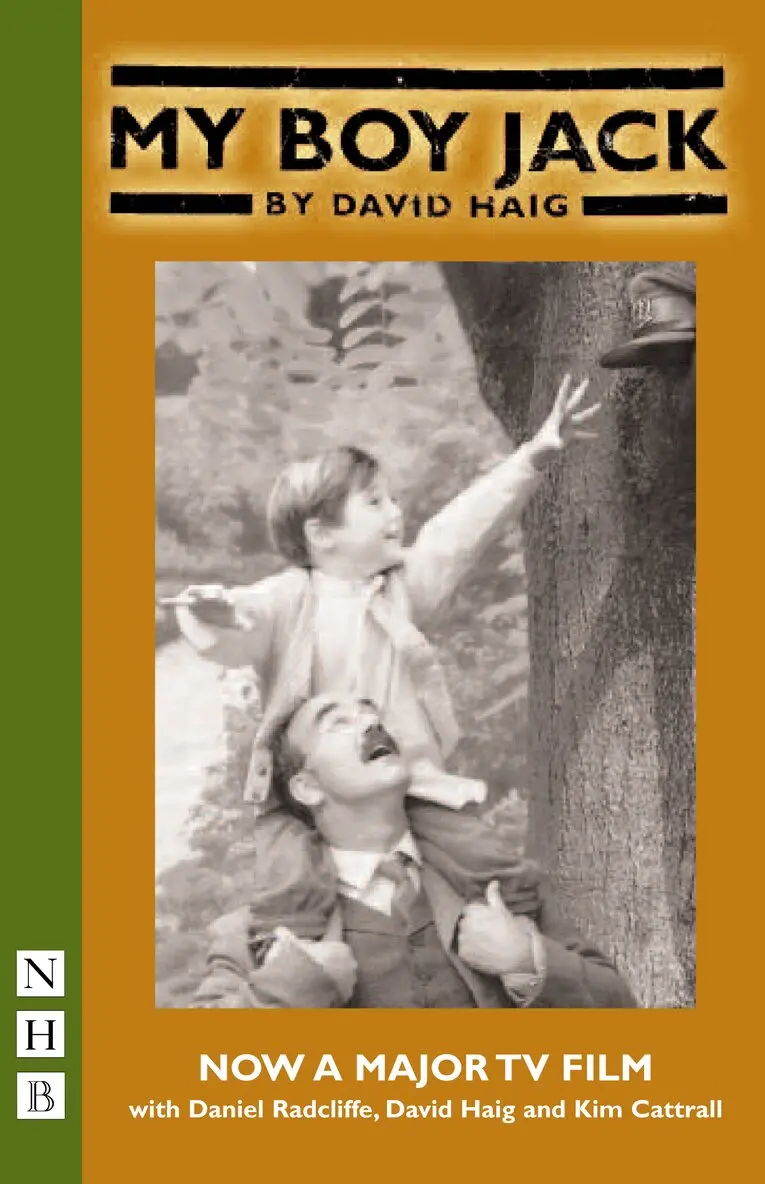
The tragic story of how Rudyard Kipling sent his son to his death in the First World War.The year is 1913 and war with Germany is imminent. Rudyard Kipling's determination to send his severely short-sighted son to war triggers a bitter family conflict which leaves Britain's renowned patriot devastated by the warring of his own greatest passions: his love for children - above all his own - and his devotion to King and Country.David Haig's play My Boy Jack was first staged at Hampstead Theatre in 1997. It was revived at the Theatre Royal, Nottingham, in 2004, and toured the UK. The play was filmed for television in 2007, with Daniel Radcliffe as Jack and the author himself as Kipling.