Daniel Cadman - Böcker
Visar alla böcker från författaren Daniel Cadman. Handla med fri frakt och snabb leverans.
3 produkter
3 produkter
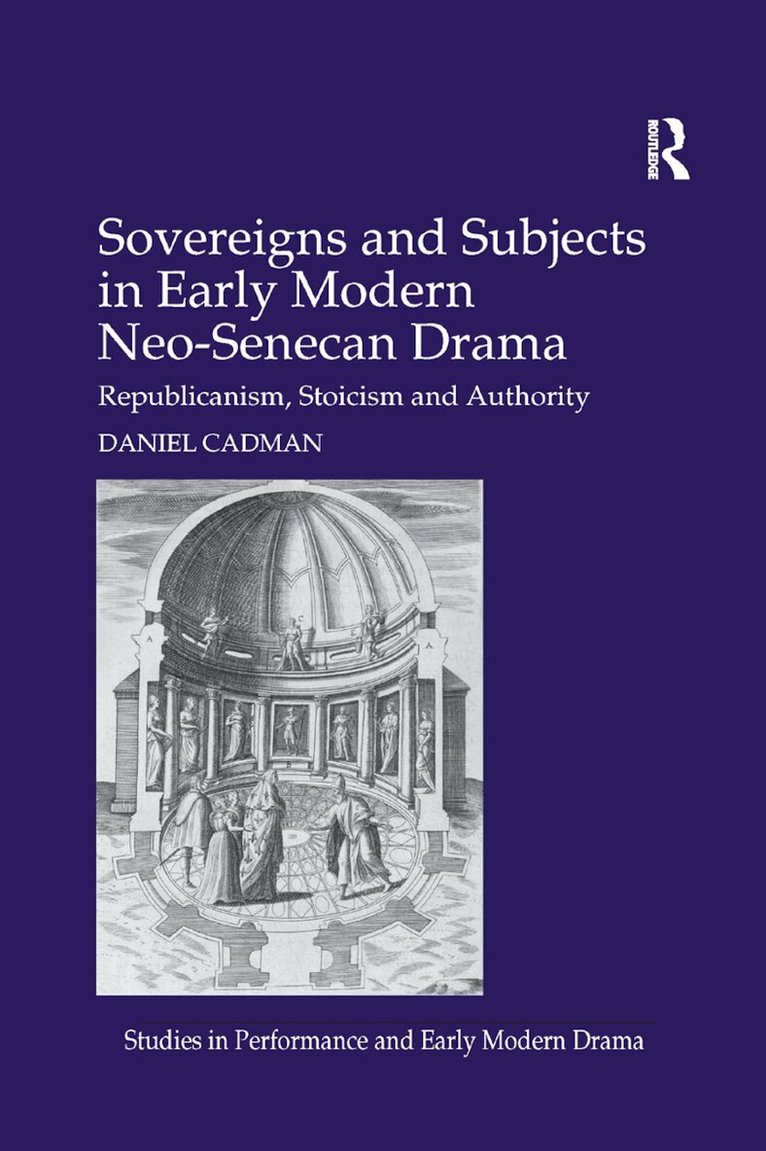
Sovereigns and Subjects in Early Modern Neo-Senecan Drama
Republicanism, Stoicism and Authority
Häftad, Engelska, 2019
721 kr
Skickas inom 10-15 vardagar
Sovereigns and Subjects in Early Modern Neo-Senecan Drama examines the development of neo-Senecan drama, also known as ’closet drama’, during the years 1590-1613. It is the first book-length study since 1924 to consider these plays - the dramatic works of Mary Sidney, Samuel Daniel, Samuel Brandon, Fulke Greville, Sir William Alexander, and Elizabeth Cary, along with the Roman tragedies of Ben Jonson and Thomas Kyd - as a coherent group. Daniel Cadman suggests these works interrogate the relations between sovereigns and subjects during the early modern period by engaging with the humanist discourses of republicanism and stoicism. Cadman argues that the texts under study probe various aspects of this dynamic and illuminate the ways in which stoicism and republicanism provide essential frameworks for negotiating this relationship between the marginalized courtier and the absolute sovereign. He demonstrates how aristocrats and courtiers, such as Sidney, Greville, Alexander, and Cary, were able to use the neo-Senecan form to consider aspects of their limited political agency under an absolute monarch, while others, such as Brandon and Daniel, respond to similarly marginalized positions within both political and patronage networks. In analyzing how these plays illuminate various aspects of early modern political culture, this book addresses several gaps in the scholarship of early modern drama and explores new contexts in relation to more familiar writers, as well as extending the critical debate to include hitherto neglected authors.
Sovereigns and Subjects in Early Modern Neo-Senecan Drama
Republicanism, Stoicism and Authority
Inbunden, Engelska, 2015
2 410 kr
Skickas inom 10-15 vardagar
Sovereigns and Subjects in Early Modern Neo-Senecan Drama examines the development of neo-Senecan drama, also known as ’closet drama’, during the years 1590-1613. It is the first book-length study since 1924 to consider these plays - the dramatic works of Mary Sidney, Samuel Daniel, Samuel Brandon, Fulke Greville, Sir William Alexander, and Elizabeth Cary, along with the Roman tragedies of Ben Jonson and Thomas Kyd - as a coherent group. Daniel Cadman suggests these works interrogate the relations between sovereigns and subjects during the early modern period by engaging with the humanist discourses of republicanism and stoicism. Cadman argues that the texts under study probe various aspects of this dynamic and illuminate the ways in which stoicism and republicanism provide essential frameworks for negotiating this relationship between the marginalized courtier and the absolute sovereign. He demonstrates how aristocrats and courtiers, such as Sidney, Greville, Alexander, and Cary, were able to use the neo-Senecan form to consider aspects of their limited political agency under an absolute monarch, while others, such as Brandon and Daniel, respond to similarly marginalized positions within both political and patronage networks. In analyzing how these plays illuminate various aspects of early modern political culture, this book addresses several gaps in the scholarship of early modern drama and explores new contexts in relation to more familiar writers, as well as extending the critical debate to include hitherto neglected authors.
1 420 kr
Skickas inom 5-8 vardagar
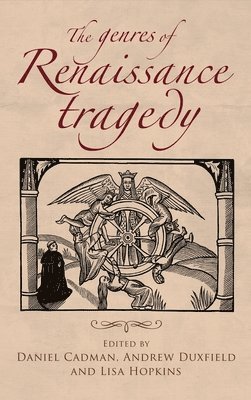
This collection of newly commissioned essays explores the extraordinary versatility of Renaissance tragedy and shows how it enables exploration of issues ranging from gender to race to religious conflict, as well as providing us with some of the earliest dramatic representations of the lives of ordinary Englishmen and women. The book mixes perspectives from emerging scholars with those of established ones and offers the first systematic examination of the full range and versatility of Renaissance tragedy as a literary genre. It works by case study, so that each chapter offers not only a definition of a particular kind of Renaissance tragedy but also new research into a particularly noteworthy or influential example of that genre. Collectively the essays examine the work of a range of dramatists and offer a critical overview of Renaissance tragedy as a genre.