Daniel E. Bender - Böcker
Visar alla böcker från författaren Daniel E. Bender. Handla med fri frakt och snabb leverans.
9 produkter
9 produkter
688 kr
Skickas inom 10-15 vardagar
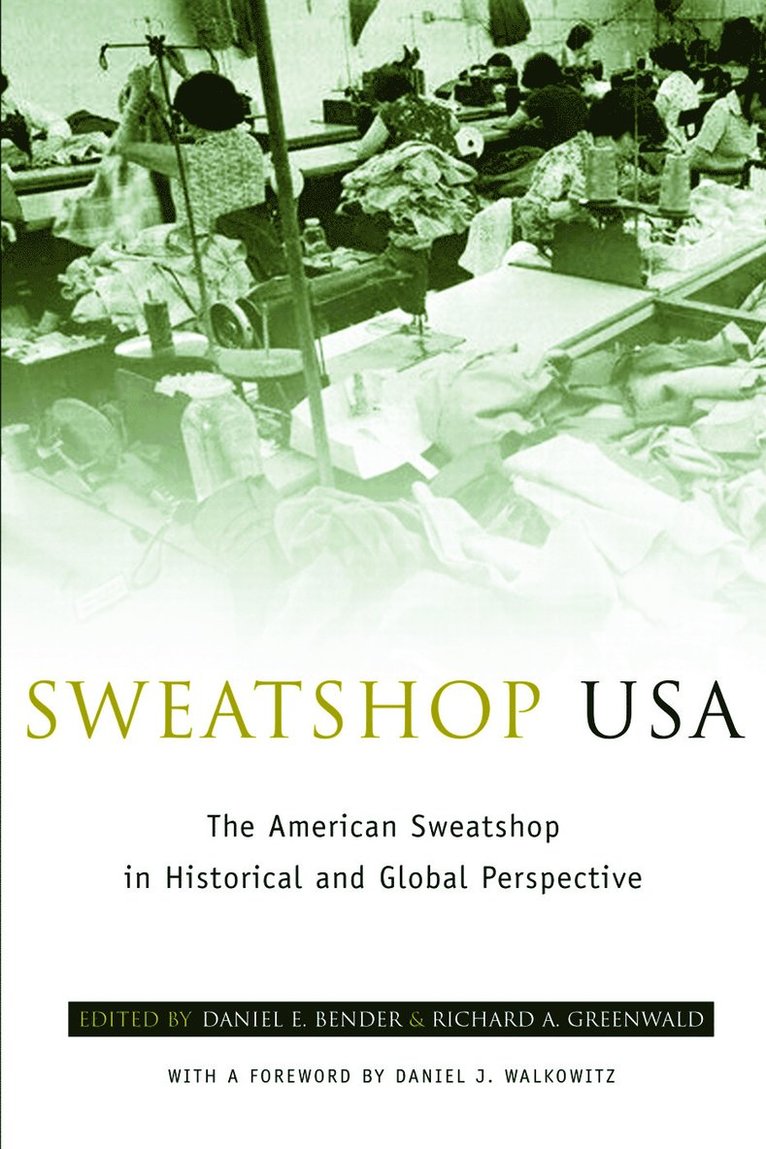
For over a century, the sweatshop has evoked outrage and moral repugnance. Once cast as a type of dangerous and immoral garment factory brought to American shores by European immigrants, today the sweatshop is reviled as emblematic of the abuses of an unregulated global economy. This collection unites some of the best recent work in the interdisciplinary field of sweatshop studies. It examines changing understandings of the roots and problems of the sweatshop, and explores how the history of the American sweatshop is inexorably intertwined with global migration of capital, labor, ideas and goods. The American sweatshop may be located abroad but remains bound to the United States through ties of fashion, politics, labor and economics. The global character of the American sweatshop has presented a barrier to unionization and regulation. Anti-sweatshop campaigns have often focused on local organizing and national regulation while the sweatshop remains global. Thus, the epitaph for the sweatshop has frequently been written and re-written by unionists, reformers, activists and politicians. So, too, have they mourned its return.
407 kr
Skickas inom 10-15 vardagar
The spread of empires in the nineteenth century brought more than new territories and populations under Western sway. Animals were also swept up in the net of imperialism, as jungles and veldts became colonial ranches and plantations. A booming trade in animals turned many strange and dangerous species into prized commodities. Tigers from India, pythons from Malaya, and gorillas from the Congo found their way—sometimes by shady means—to the zoos of major U.S. cities, where they created a sensation.Zoos were among the most popular attractions in the United States for much of the twentieth century. Stoking the public’s fascination, savvy zookeepers, animal traders, and zoo directors regaled visitors with stories of the fierce behavior of these creatures in their native habitats, as well as daring tales of their capture. Yet as tropical animals became increasingly familiar to the American public, they became ever more rare in the wild. Tracing the history of U.S. zoos and the global trade and trafficking in animals that supplied them, Daniel Bender examines how Americans learned to view faraway places and peoples through the lens of the exotic creatures on display.Over time, as the zoo’s mission shifted from offering entertainment to providing a refuge for endangered species, conservation parks replaced pens and cages. The Animal Game recounts Americans’ ongoing, often conflicted relationship with zoos, decried as anachronistic prisons by animal rights activists even as they remain popular centers of education and preservation.
697 kr
Skickas inom 10-15 vardagar
At the beginning of the twentieth century, industrialization both dramatically altered everyday experiences and shaped debates about the effects of immigration, empire, and urbanization. In American Abyss, Daniel E. Bender examines an array of sources—eugenics theories, scientific studies of climate, socialist theory, and even popular novels about cavemen—to show how intellectuals and activists came to understand industrialization in racial and gendered terms as the product of evolution and as the highest expression of civilization. Their discussions, he notes, are echoed today by the use of such terms as the "developed" and "developing" worlds. American industry was contrasted with the supposed savagery and primitivism discovered in tropical colonies, but observers who made those claims worried that industrialization, by encouraging immigration, child and women's labor, and large families, was reversing natural selection. Factories appeared to favor the most unfit. There was a disturbing tendency for such expressions of fear to favor eugenicist "remedies."Bender delves deeply into the culture and politics of the age of industry. Linking urban slum tourism and imperial science with immigrant better-baby contests and hoboes, American Abyss uncovers the complex interactions of turn-of-the-century ideas about race, class, gender, and ethnicity. Moreover, at a time when immigration again lies at the center of American economy and society, this book offers an alarming and pointed historical perspective on contemporary fears of immigrant laborers.
449 kr
Skickas inom 10-15 vardagar
At the beginning of the twentieth century, industrialization both dramatically altered everyday experiences and shaped debates about the effects of immigration, empire, and urbanization. In American Abyss, Daniel E. Bender examines an array of sources—eugenics theories, scientific studies of climate, socialist theory, and even popular novels about cavemen—to show how intellectuals and activists came to understand industrialization in racial and gendered terms as the product of evolution and as the highest expression of civilization. Their discussions, he notes, are echoed today by the use of such terms as the "developed" and "developing" worlds. American industry was contrasted with the supposed savagery and primitivism discovered in tropical colonies, but observers who made those claims worried that industrialization, by encouraging immigration, child and women's labor, and large families, was reversing natural selection. Factories appeared to favor the most unfit. There was a disturbing tendency for such expressions of fear to favor eugenicist "remedies."Bender delves deeply into the culture and politics of the age of industry. Linking urban slum tourism and imperial science with immigrant better-baby contests and hoboes, American Abyss uncovers the complex interactions of turn-of-the-century ideas about race, class, gender, and ethnicity. Moreover, at a time when immigration again lies at the center of American economy and society, this book offers an alarming and pointed historical perspective on contemporary fears of immigrant laborers.
310 kr
Skickas inom 7-10 vardagar
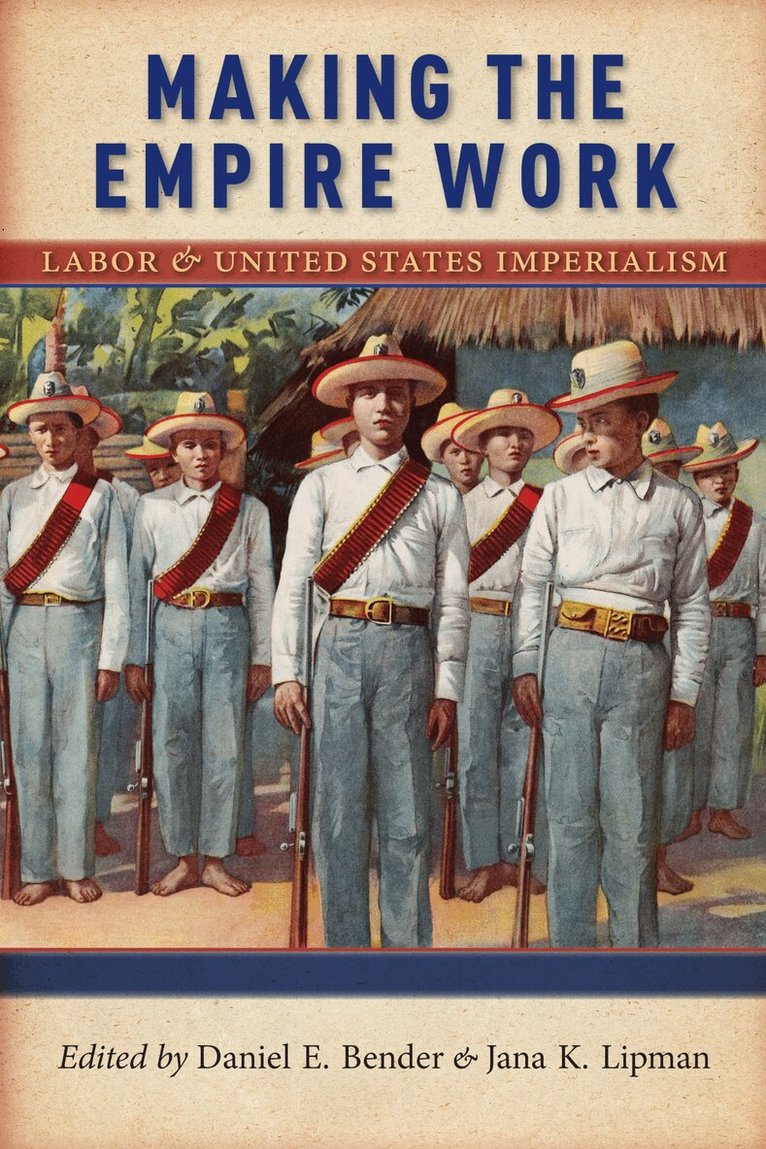
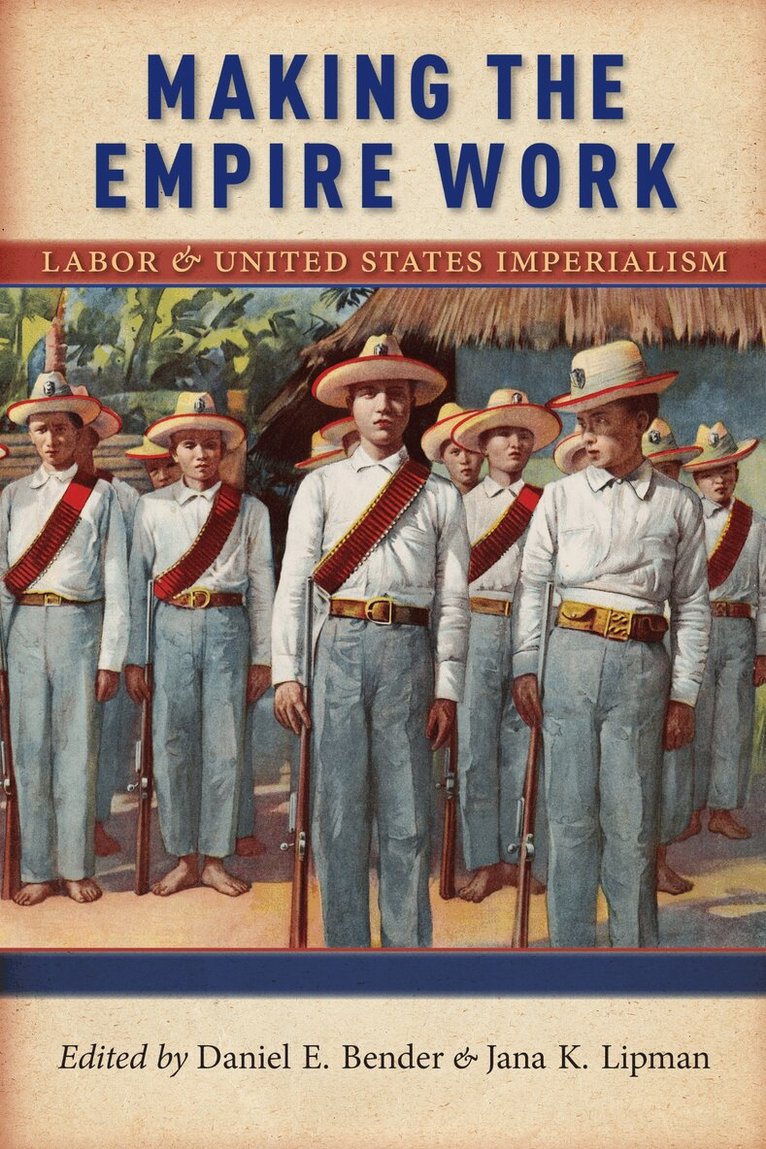
Millions of laborers, from the Philippines to the Caribbean, performed the work of the United States empire. Forging a global economy connecting the tropics to the industrial center, workers harvested sugar, cleaned hotel rooms, provided sexual favors, and filled military ranks. Placing working men and women at the center of the long history of the U.S. empire, these essays offer new stories of empire that intersect with the "grand narratives" of diplomatic affairs at the national and international levels. Missile defense, Cold War showdowns, development politics, military combat, tourism, and banana economics share something in common—they all have labor histories. This collection challenges historians to consider the labor that formed, worked, confronted, and rendered the U.S. empire visible. The U.S. empire is a project of global labor mobilization, coercive management, military presence, and forced cultural encounter. Together, the essays in this volume recognize the United States as a global imperial player whose systems of labor mobilization and migration stretched from Central America to West Africa to the United States itself. Workers are also the key actors in this volume. Their stories are multi-vocal, as workers sometimes defied the U.S. empire's rhetoric of civilization, peace, and stability and at other times navigated its networks or benefited from its profits. Their experiences reveal the gulf between the American 'denial of empire' and the lived practice of management, resource exploitation, and military exigency. When historians place labor and working people at the center, empire appears as a central dynamic of U.S. history.
1 178 kr
Skickas inom 10-15 vardagar
Millions of laborers, from the Philippines to the Caribbean, performed the work of the United States empire. Forging a global economy connecting the tropics to the industrial center, workers harvested sugar, cleaned hotel rooms, provided sexual favors, and filled military ranks. Placing working men and women at the center of the long history of the U.S. empire, these essays offer new stories of empire that intersect with the "grand narratives" of diplomatic affairs at the national and international levels. Missile defense, Cold War showdowns, development politics, military combat, tourism, and banana economics share something in common—they all have labor histories. This collection challenges historians to consider the labor that formed, worked, confronted, and rendered the U.S. empire visible. The U.S. empire is a project of global labor mobilization, coercive management, military presence, and forced cultural encounter. Together, the essays in this volume recognize the United States as a global imperial player whose systems of labor mobilization and migration stretched from Central America to West Africa to the United States itself. Workers are also the key actors in this volume. Their stories are multi-vocal, as workers sometimes defied the U.S. empire's rhetoric of civilization, peace, and stability and at other times navigated its networks or benefited from its profits. Their experiences reveal the gulf between the American 'denial of empire' and the lived practice of management, resource exploitation, and military exigency. When historians place labor and working people at the center, empire appears as a central dynamic of U.S. history.
715 kr
Skickas inom 7-10 vardagar
Bringing together multidisciplinary scholars from the growing discipline of food studies, Food Mobilities examines food provisioning and the food cultures of the world, historically and in contemporary times. The collection offers a range of fascinating case studies, including explorations of Italian food in colonial Ethiopia, traditional Cornish pasties in Mexico, migrant community gardeners in Toronto, and beer all around the world.In exploring the origins of the contemporary global food system and how we cook and eat today, Food Mobilities uncovers the local and global circulation of food, ingredients, cooks, commodities, labour, and knowledge.
225 kr
Skickas inom 7-10 vardagar
Bringing together multidisciplinary scholars from the growing discipline of food studies, Food Mobilities examines food provisioning and the food cultures of the world, historically and in contemporary times. The collection offers a range of fascinating case studies, including explorations of Italian food in colonial Ethiopia, traditional Cornish pasties in Mexico, migrant community gardeners in Toronto, and beer all around the world.In exploring the origins of the contemporary global food system and how we cook and eat today, Food Mobilities uncovers the local and global circulation of food, ingredients, cooks, commodities, labour, and knowledge.
240 kr
Skickas inom 7-10 vardagar
From mangosteen fruit discovered in a colonial Indonesian marketplace to caviar served on the high seas in a cruise-liner’s luxurious dining saloon, The Food Adventurers narrates the history of eating on the most coveted of tourist journeys: the around-the-world adventure. The book looks at what tourists ate on these adventures, as well as what they avoided, and what kinds of meals they described in diaries, photographs and postcards.Daniel E. Bender shows how circumglobal travel shaped popular fascination with world cuisines, and leads readers on a culinary tour from Tahitian roast pig in the 1840s, to the dining saloon of the luxury Cunard steamer Franconia in the 1920s, to InterContinental and Hilton hotel restaurants in the 1960s and ’70s.