Daniel F. Doak – författare
Visar alla böcker från författaren Daniel F. Doak. Handla med fri frakt och snabb leverans.
5 produkter
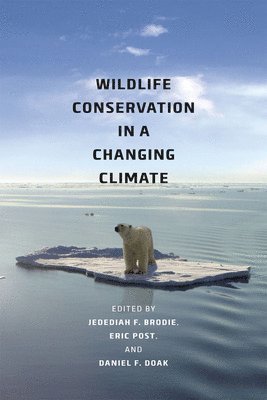
Wildlife Conservation in a Changing Climate
Av Jedediah F. Brodie, Eric S. Post m. fl.
Häftad, 2012
486 kr
Lägg i varukorg
Human-induced climate change is emerging as one of the gravest threats to biodiversity in history, and while a vast amount of literature on the ecological impact of climate change exists, very little has been dedicated to the management of wildlife populations and communities in the wake of …
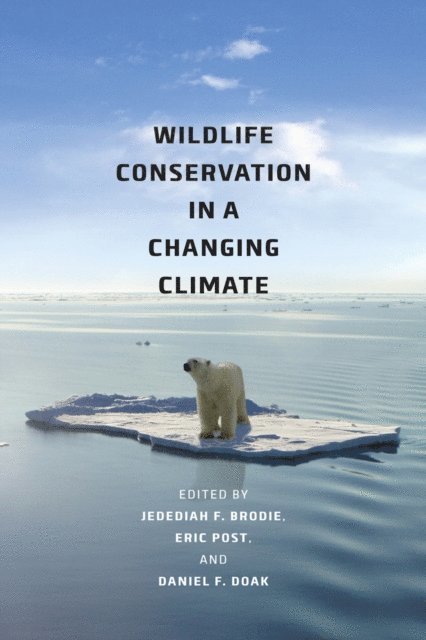
Wildlife Conservation in a Changing Climate
Av Daniel F. Doak, Eric S. Post m. fl.
E-bok, 2012
1061 kr
Lägg i varukorg
Human-induced climate change is emerging as one of the gravest threats to biodiversity in history, and while a vast amount of literature on the ecological impact of climate change exists, very little has been dedicated to the management of wildlife populations and communities in the wake of …
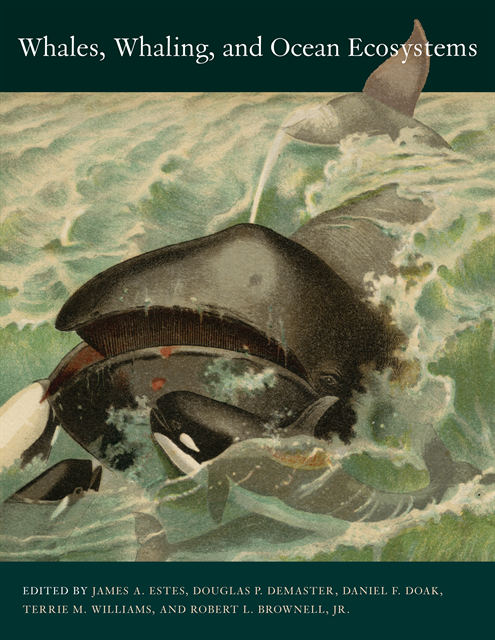
Whales, Whaling, and Ocean Ecosystems
Av Robert L. Brownell, Terrie M. Williams m. fl.
E-bok, 2007
1342 kr
Lägg i varukorg
This unprecedented volume presents a sweeping picture of what we know about the natural history, biology, and ecology of whales in the broad context of the dynamics of ocean ecosystems. Innovative and comprehensive, the volume encompasses multiple points of view to consider the total ecological …
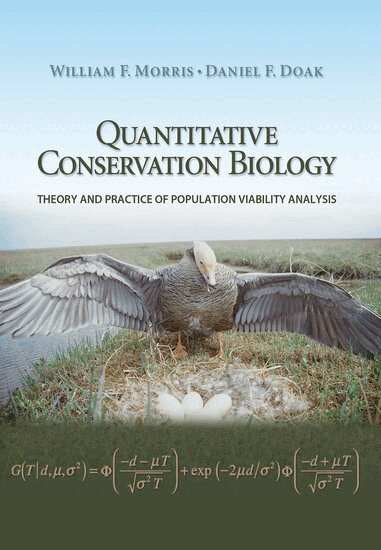
Quantitative Conservation Biology
Theory and Practice of Population Viability Analysis
Av William F. Morris, Daniel F. Doak
Häftad, 2002
914 kr
Lägg i varukorg
Published by Sinauer Associates, an imprint of Oxford University Press. Conservation biology relies not only on the general concepts, but on the specific methods, of population ecology to both understand and predict the viability of rare and endangered species and to determine how best to manage …
Wildlife Conservation in a Changing Climate
Av Jedediah F. Brodie, Eric S. Post m. fl.
Inbunden, 2012
1332 kr
Tillfälligt slut
Human-induced climate change is emerging as one of the gravest threats to biodiversity in history, and while a vast amount of literature on the ecological impact of climate change exists, very little has been dedicated to the management of wildlife populations and communities in the wake of …