Daniel H. Borus - Böcker
Visar alla böcker från författaren Daniel H. Borus. Handla med fri frakt och snabb leverans.
4 produkter
4 produkter
1 476 kr
Skickas inom 10-15 vardagar
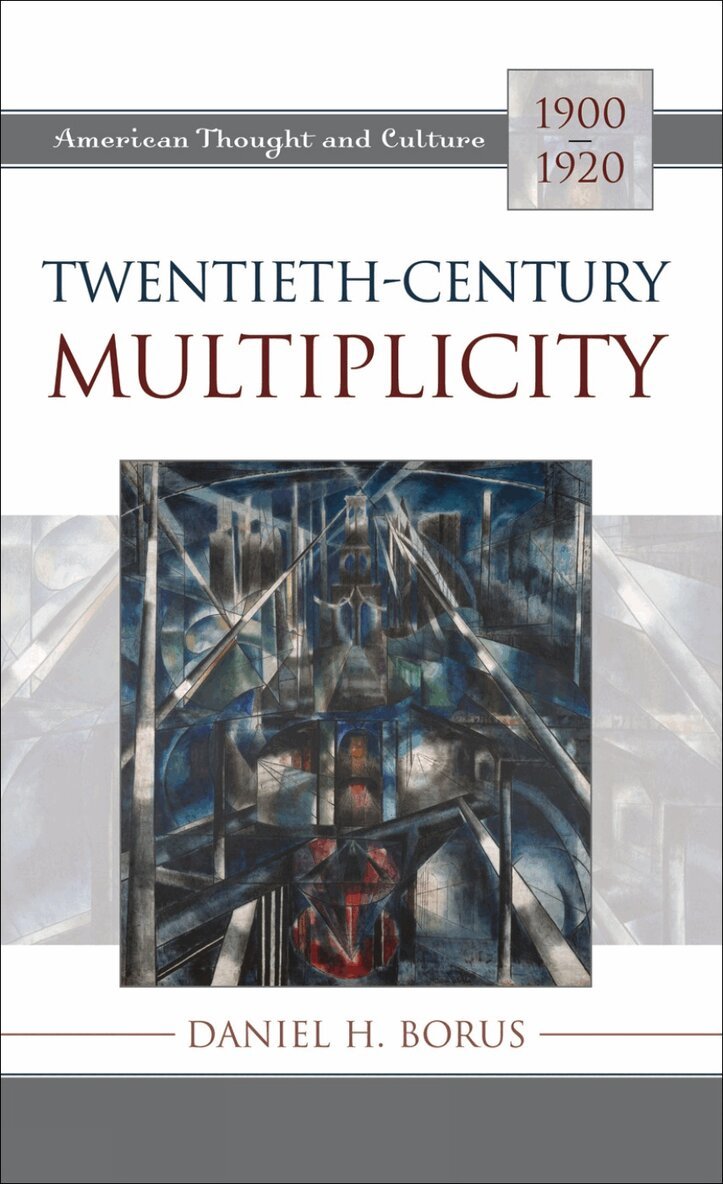
Twentieth-Century Multiplicity explores the effect of the culture-wide sense that prevailing syntheses failed to account fully for the complexities of modern life. As Daniel H. Borus documents the belief that there were many truths, many beauties, and many values—a condition that the historian Henry Adams labeled multiplicity—rather than singular ones prompted new departures in a myriad of discourses and practices ranging from comic strips to politics to sociology. The new emphasis on contingency and context prompted Americans to rethink what counted as truth and beauty, how the self was constituted and societies cohered and functioned. The challenge to absolutes and universals, Borus shows, gave rise to a culture in which standards were not always firm and fixed and previously accepted hierarchies were not always valid. Although itself strenuously challenged, especially during the First World War, early twentieth-century multiplicity bequeathed to American cultural life an abiding sense of the complexity and diversity of things.
568 kr
Skickas inom 10-15 vardagar
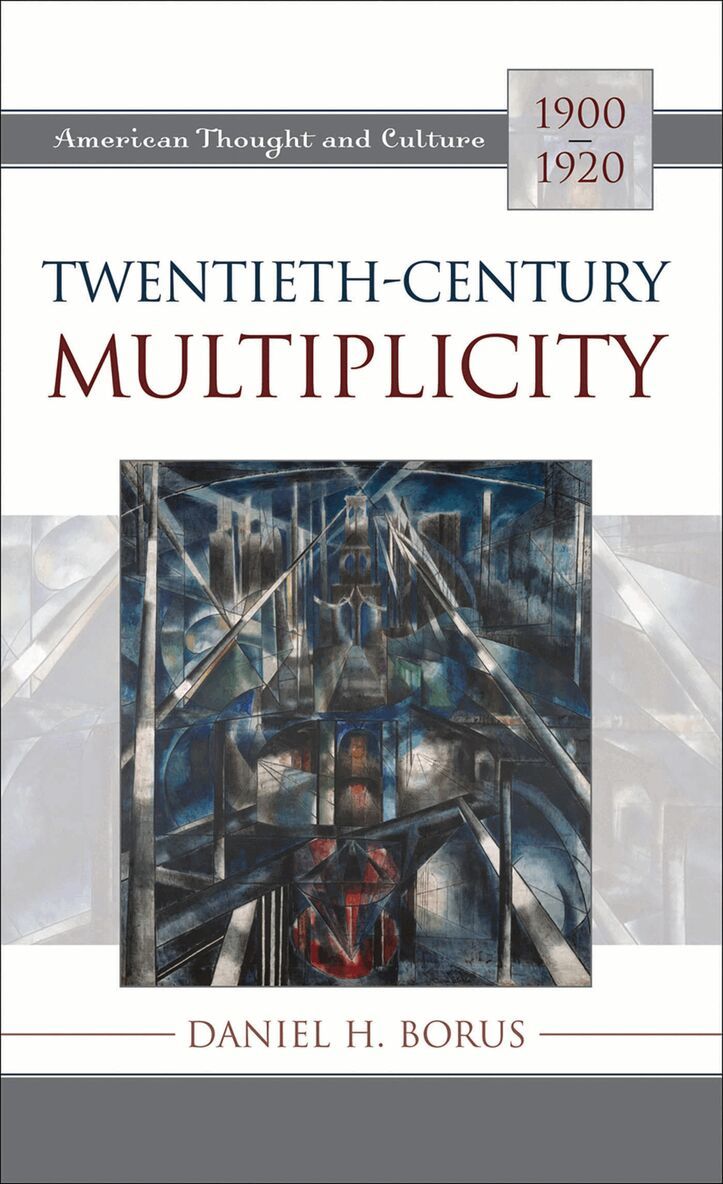
Twentieth-Century Multiplicity explores the effect of the culture-wide sense that prevailing syntheses failed to account fully for the complexities of modern life. As Daniel H. Borus documents the belief that there were many truths, many beauties, and many values—a condition that the historian Henry Adams labeled multiplicity—rather than singular ones prompted new departures in a myriad of discourses and practices ranging from comic strips to politics to sociology. The new emphasis on contingency and context prompted Americans to rethink what counted as truth and beauty, how the self was constituted and societies cohered and functioned. The challenge to absolutes and universals, Borus shows, gave rise to a culture in which standards were not always firm and fixed and previously accepted hierarchies were not always valid. Although itself strenuously challenged, especially during the First World War, early twentieth-century multiplicity bequeathed to American cultural life an abiding sense of the complexity and diversity of things.
1 383 kr
Skickas inom 10-15 vardagar
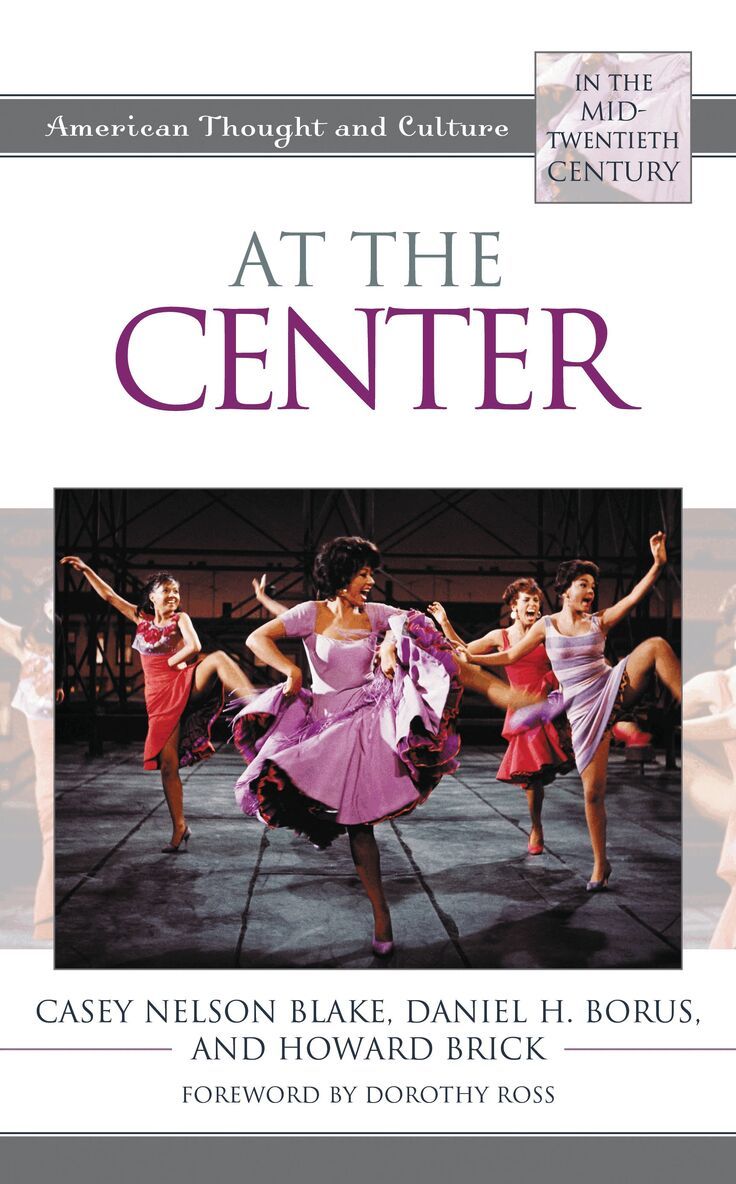
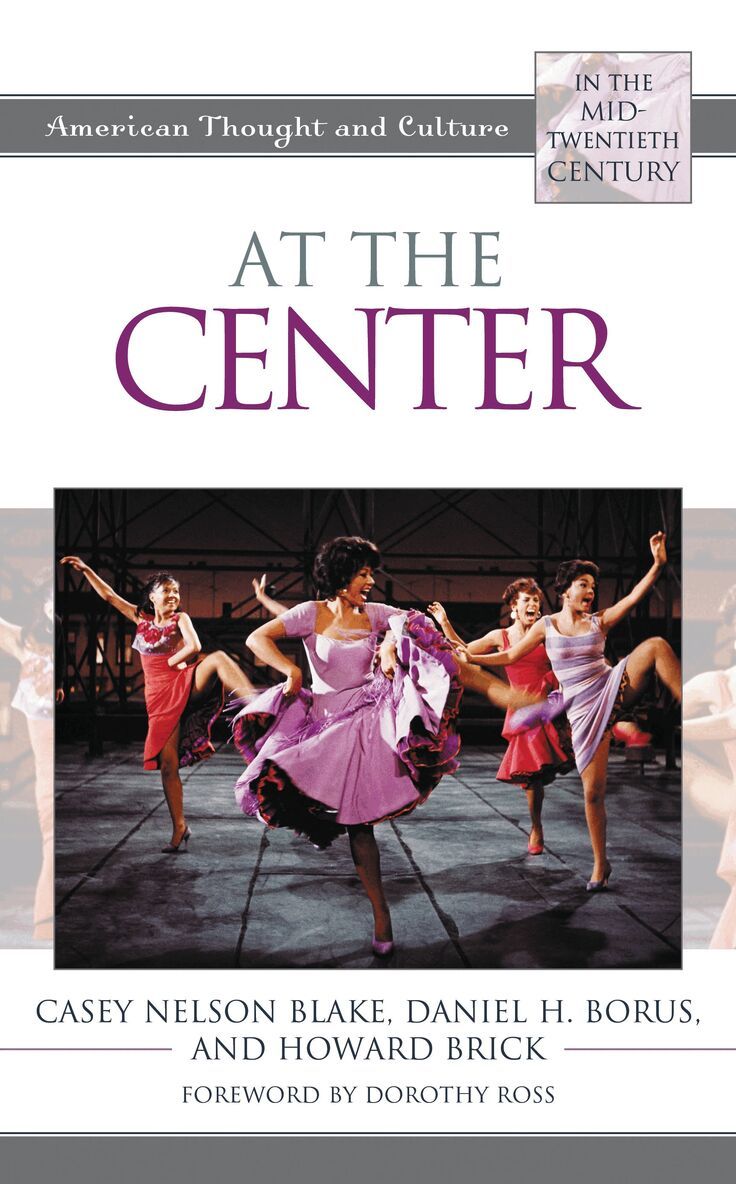
At a time when American political and cultural leaders asserted that the nation stood at “the center of world awareness,” thinkers and artists sought to understand and secure principles that lay at the center of things. From the onset of the Cold War in 1948 through 1963, they asked: What defined the essential character of “American culture”? Could permanent moral standards guide human conduct amid the flux and horrors of history? In what ways did a stable self emerge through the life cycle? Could scientific method rescue truth from error, illusion, and myth? Are there key elements to democracy, to the integrity of a society, to order in the world? Answers to such questions promised intellectual and moral stability in an age haunted by the memory of world war and the possibility of future devastation on an even greater scale. Yet other key figures rejected the search for a center, asserting that freedom lay in the dispersion of cultural energies and the plurality of American experiences. In probing the centering impulse of the era, At the Center offers a unique perspective on the United States at the pinnacle of its power.
544 kr
Skickas inom 10-15 vardagar
At a time when American political and cultural leaders asserted that the nation stood at “the center of world awareness,” thinkers and artists sought to understand and secure principles that lay at the center of things. From the onset of the Cold War in 1948 through 1963, they asked: What defined the essential character of “American culture”? Could permanent moral standards guide human conduct amid the flux and horrors of history? In what ways did a stable self emerge through the life cycle? Could scientific method rescue truth from error, illusion, and myth? Are there key elements to democracy, to the integrity of a society, to order in the world? Answers to such questions promised intellectual and moral stability in an age haunted by the memory of world war and the possibility of future devastation on an even greater scale. Yet other key figures rejected the search for a center, asserting that freedom lay in the dispersion of cultural energies and the plurality of American experiences. In probing the centering impulse of the era, At the Center offers a unique perspective on the United States at the pinnacle of its power.