Daniel Ibrahim Abdalla - Böcker
Visar alla böcker från författaren Daniel Ibrahim Abdalla. Handla med fri frakt och snabb leverans.
2 produkter
2 produkter
235 kr
Kommande
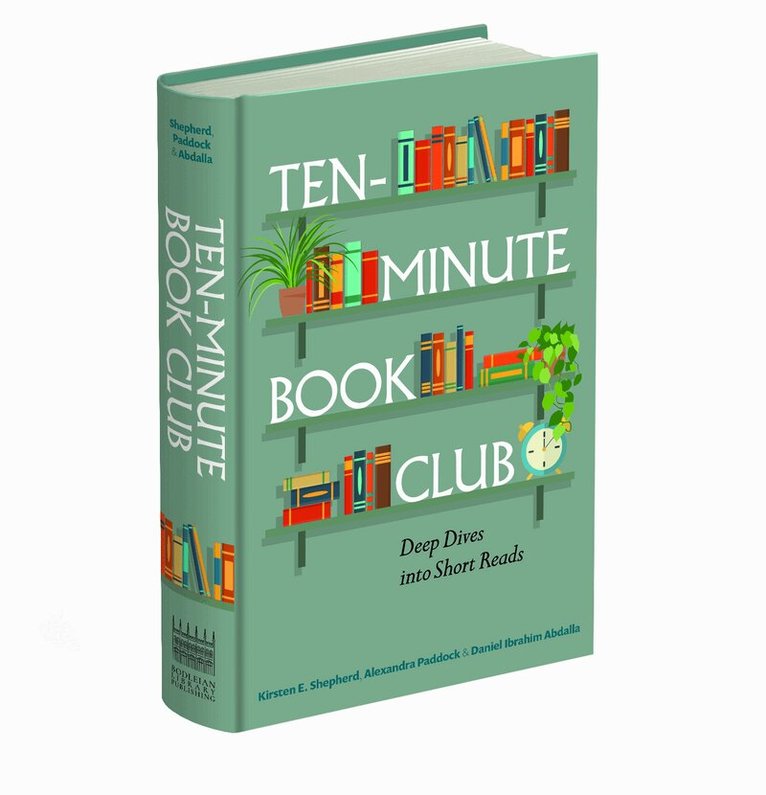
Are you looking to join a book club, but short on time to read every book? This rich and diverse selection of unforgettable writing is carefully curated for a ten-minute hit of literary wonder.An anthology with a twist, the featured books cover myriad periods, forms and genres, offering instantly appealing reading material on a range of emotions from joy to terror. It includes well‑known writers such as William Shakespeare, Jane Austen, Charles Dickens, Frederick Douglass, Charlotte Brontë and Emily Dickinson alongside writers from the Harlem Renaissance, the women’s rights movement of the early twentieth century and from many parts of the world. Each excerpt is framed by a concise analysis, getting to the heart of the short read, introducing the author and suggesting further literary adventures.Perfect for the daily commute, or as an inspirational gift for a curious reader, this book is a must-have of pure reading pleasure.
1 962 kr
Kommande
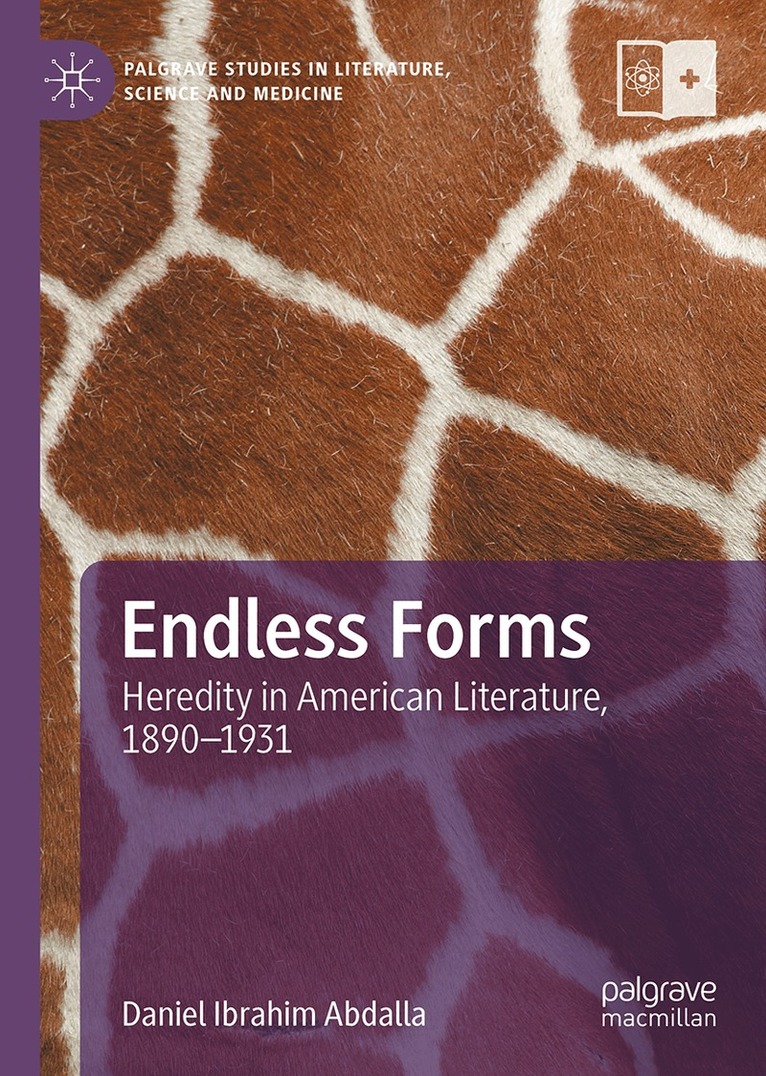
When Charles Darwin proposed his theory of evolution in 1859, one claim proved especially unsettling: traits acquired through learning or habit could not be passed from one generation to the next. Long before this view was scientifically confirmed, the possibility that heredity might be random, contingent, and resistant to improvement sent shockwaves through scientific and cultural life.Focusing on four major American writers of the late-nineteenth and early-twentieth centuries—Henry James, Elizabeth Robins, Edith Wharton, and W. E. B. Du Bois—Endless Forms argues that theatre was a primary cultural site in which ideas about heredity were rigorously worked through. Rather than look at the genres by which these authors are best known, Endless Forms approaches James as a “failed” playwright, Wharton as an only recently discovered one, and Du Bois as an aspiring one. All three were authors who made their mark in narrative forms yet were drawn to the theatre. Robins, conversely, is known first and foremost as an actress and playwright, yet she also wrote prodigiously and successfully in fictional forms, notably novels. Drawing on extensive archival research, the book recovers these writers’ critically neglected dramatic works and situates them within a transnational theatrical culture shaped by realist and naturalist drama by figures such as Émile Zola, Henrik Ibsen, and George Bernard Shaw. In this dramatic tradition, heredity was not merely a theme but an explanatory framework: a way of accounting for continuity and descent.Close attention to theatrical form reveals how these American writers encountered determinist models of heredity at close range and, in their own neglected works, reoriented evolutionary thinking toward agency, institutional reform, and environmental constraint. Endless Forms shows that modern drama was not peripheral to literary modernism but formative of it, shaping prose fiction’s movement from inherited character to self-fashioning, from biological descent to environment, and from narratives of progress or decline to open-ended, contingent evolution.