Daniel Mayton - Böcker
Visar alla böcker från författaren Daniel Mayton. Handla med fri frakt och snabb leverans.
2 produkter
2 produkter
1 545 kr
Skickas inom 10-15 vardagar
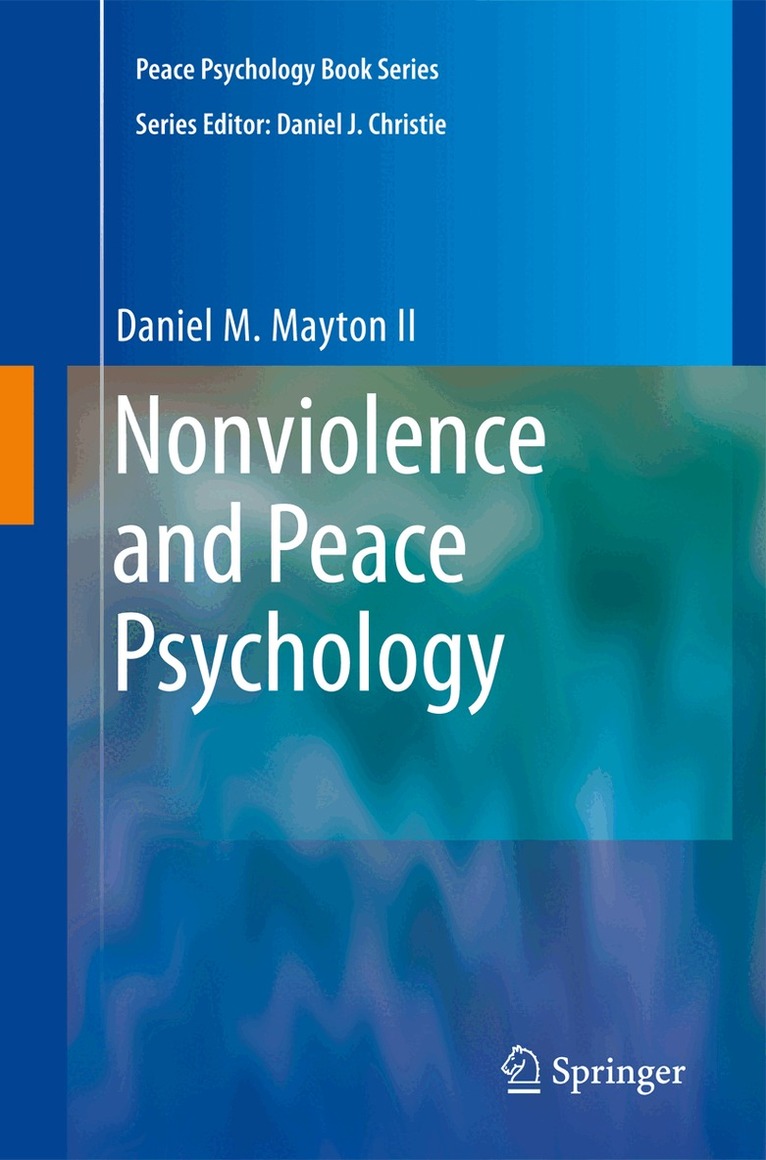
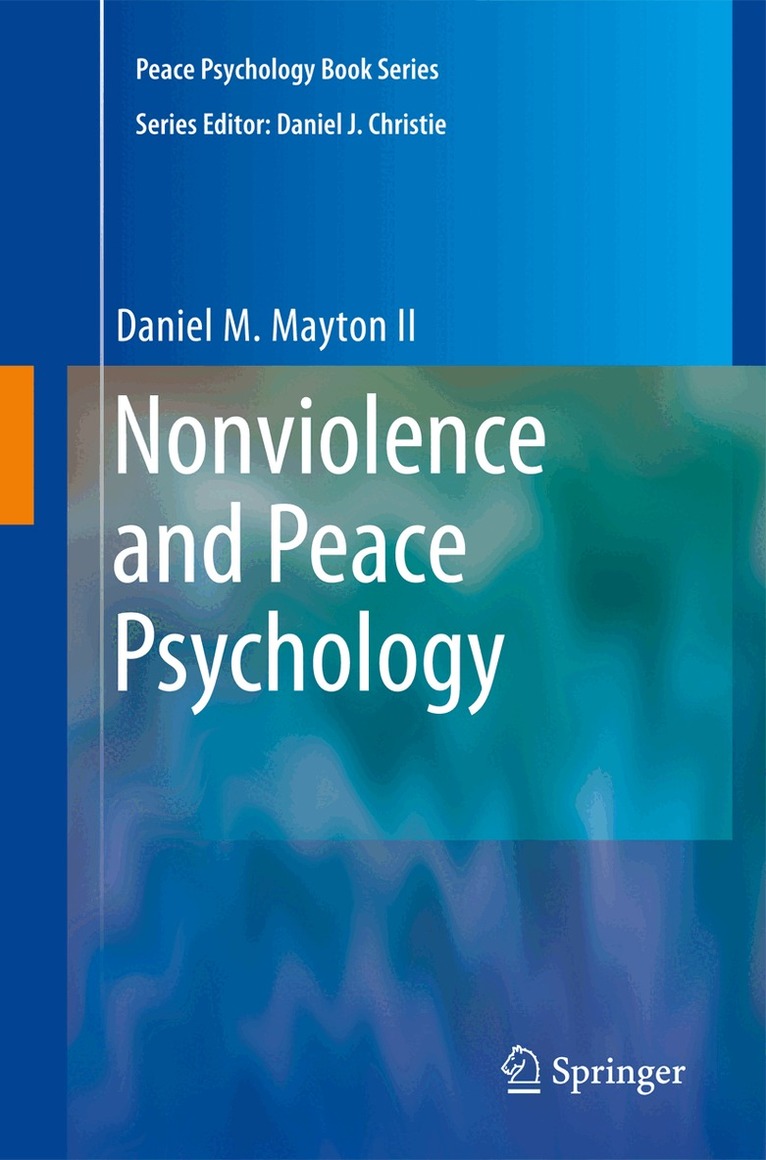
Nonviolence is based on a range of theory and sound social science principles. People are familiar with the concept through the lives of Mohandas K. Gandhi and Martin Luther King Jr., but despite the success of each of their nonviolent social change movements, individuals are still reluctant to participate or even consider a nonviolent action as a means of pursuing goals. Most people still view nonviolence as ineffective in transforming social conditions. This work aims to remedy this thinking by demonstrating and providing examples of the effectiveness of nonviolent action in a broad number of contexts and in the past two decades. This interdisciplinary work will discuss theories and perspectives of nonviolence drawn from the fields of anthropology, political science, psychology, religious studies, and sociology -- written from the point of view of a psychologist. The author's psychological approach to nonviolence is distinguished from others because it emphasizes beliefs, motives, values, and other mainstream social psychological concepts in a manner that is informative to psychologists and understandable to non-psychologists.
1 134 kr
Skickas inom 10-15 vardagar
Recent trends and events worldwide have increased public interest in nonviolence, pacifism, and peace psychology as well as professional interest across the social sciences. Nonviolence and Peace Psychology assembles multiple perspectives to create a more comprehensive and nuanced understanding of the concepts and phenomena of nonviolence than is usually seen on the subject. Through this diverse literature—spanning psychology, political science, religious studies, anthropology, and sociology—peace psychologist Dan Mayton gives readers the opportunity to view nonviolence as a body of principles, a system of pragmatics, and a strategy for social change. This important volume:Draws critical distinctions between nonviolence, pacifism, and related concepts.Classifies nonviolence in terms of its scope (intrapersonal, interpersonal, societal, global) and pacifism according to political and situational dimensions.Applies standard psychological concepts such as beliefs, motives, dispositions, and values to define nonviolent actions and behaviors. Brings sociohistorical and cross-cultural context to peace psychology.Analyzes a century’s worth of nonviolent social action, from the pathbreaking work of Gandhi and King to the Courage to Refuse movement within the Israeli armed forces. Reviews methodological and measurement issues in nonviolence research, and suggests areas for future study.Although more attention is traditionally devoted to violence and aggression within the social sciences, Nonviolence and Peace Psychology reveals a robust knowledge base and a framework for peacebuilding work, granting peace psychologists, activists, and mediators new possibilities for the transformative power of nonviolence.