Daniel Peart – författare
Visar alla böcker från författaren Daniel Peart. Handla med fri frakt och snabb leverans.
6 produkter
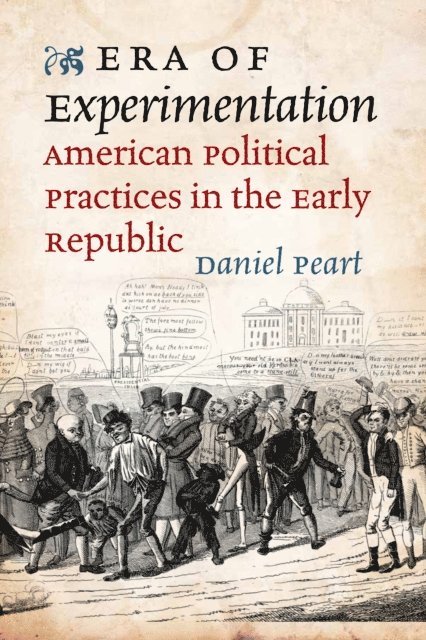
Era of Experimentation
American Political Practices in the Early Republic
Av Daniel Peart
E-bok, 2014
720 kr
Lägg i varukorg
In Era of Experimentation, Daniel Peart challenges the pervasive assumption that the present-day political system, organized around two competing parties, represents the logical fulfillment of participatory democracy. Recent accounts of "the rise of American democracy" between the Revolution and …
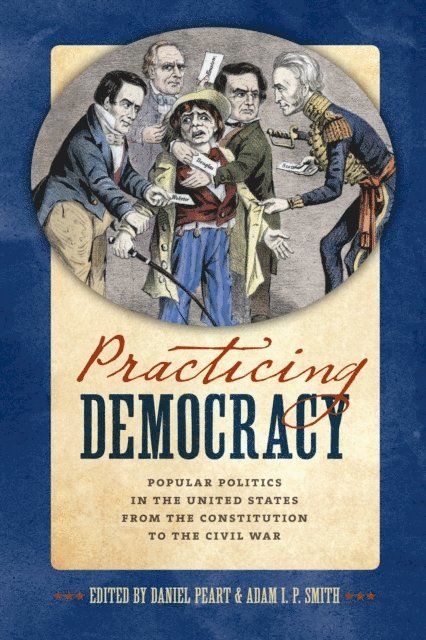
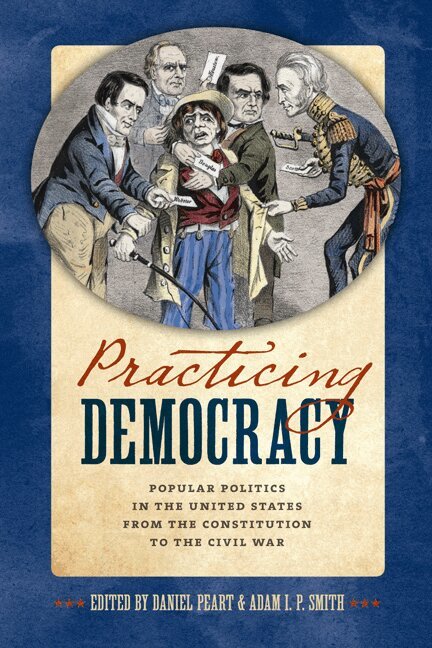
Practicing Democracy
Popular Politics in the United States from the Constitution to the Civil War
Av Adam I. P. Smith, Daniel Peart
E-bok, 2015
837 kr
Lägg i varukorg
In Practicing Democracy, eleven historians challenge conventional narratives of democratization in the early United States, offering new perspectives on the period between the ratification of the Constitution and the outbreak of the Civil War. The essays in this collection address critical themes …
Lobbyists and the Making of US Tariff Policy, 1816−1861
Av Daniel Peart
Inbunden, 2018
858 kr
Lägg i varukorg
The first book-length study of lobbying prior to the Civil War.Since the 2008 global economic crisis, historians have embraced the challenge of making visible the invisible hand of the market. This renewed interest in the politics of political economy makes it all the more timely to remind …
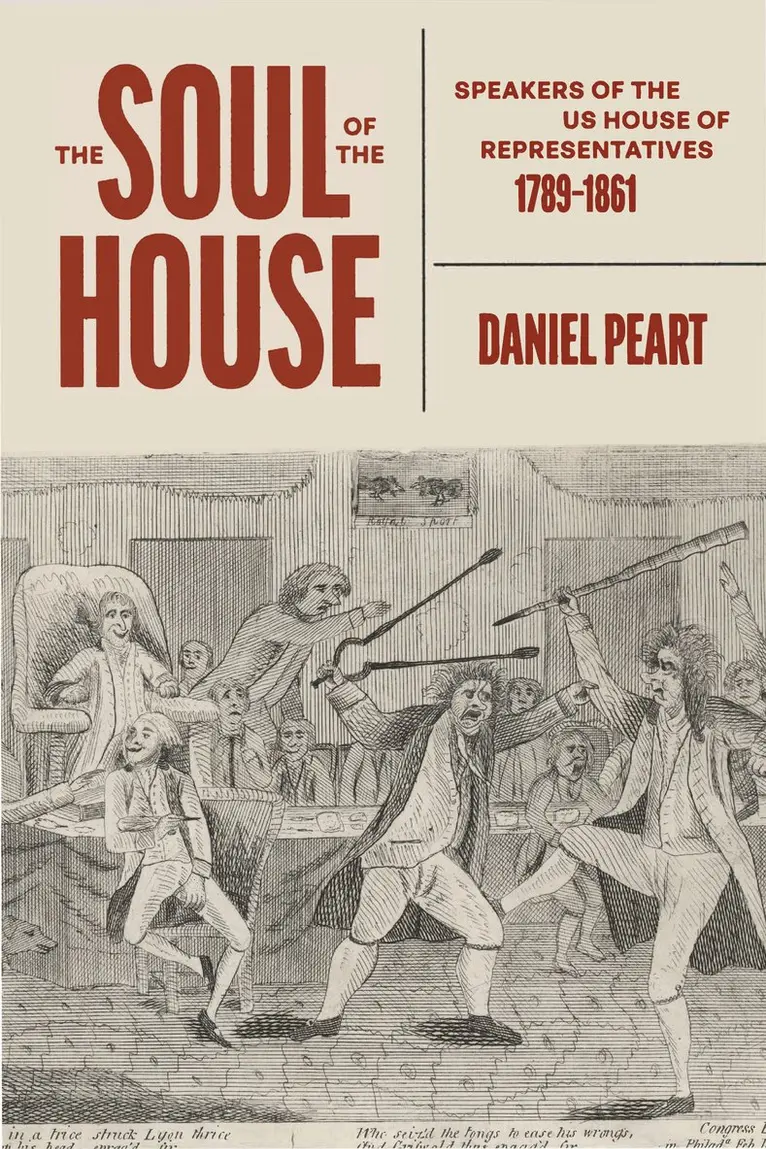
Soul of the House
Speakers of the US House of Representatives, 1789–1861
Av Daniel Peart
Inbunden, 2026
1182 kr
Lägg i varukorg
How the role of the Speaker of the House evolved amid power struggles and conflict in the early American Congress.The Speaker of the House occupies a central place in American political life, yet the office's authority has never been fixed or inevitable. The Soul of the House offers a history of …
Era of Experimentation
American Political Practices in the Early Republic
Av Daniel Peart
Inbunden, 2014
583 kr
Tillfälligt slut
In Era of Experimentation, Daniel Peart challenges the pervasive assumption that the present-day political system, organized around two competing parties, represents the logical fulfilment of participatory democracy. Recent accounts of ""the rise of American democracy"" between the Revolution and …
Practicing Democracy
Popular Politics in the United States from the Constitution to the Civil War
Av Daniel Peart, Adam I. P. Smith
Inbunden, 2015
670 kr
Tillfälligt slut
In Practicing Democracy, eleven historians challenge conventional narratives of democratization in the early United States, offering new perspectives on the period between the ratification of the Constitution and the outbreak of the Civil War. The essays in this collection address critical themes …