Daniel Peixoto Murata – författare
Visar alla böcker från författaren Daniel Peixoto Murata. Handla med fri frakt och snabb leverans.
6 produkter
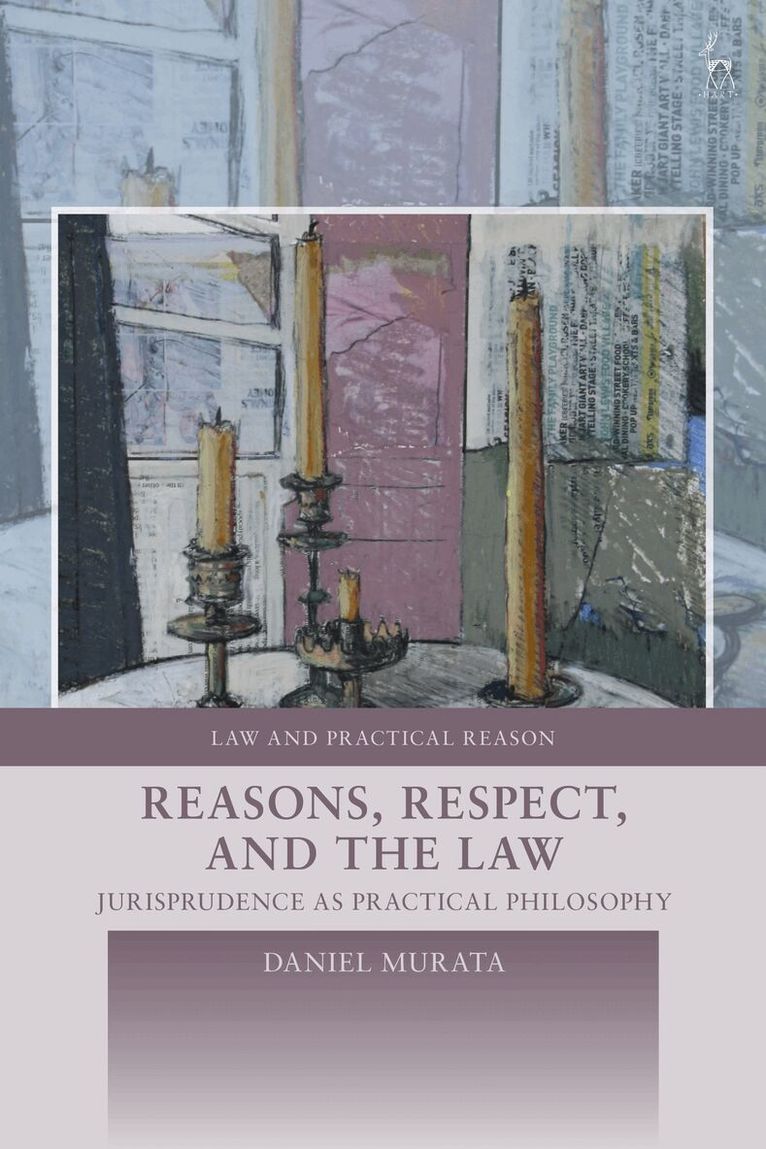
Reasons, Respect, and the Law
Jurisprudence as Practical Philosophy
Av Daniel Peixoto Murata, George Pavlakos m. fl.
Inbunden, 2026
1173 kr
Lägg i varukorg
This is a book about law and its impact on our practical reasoning. Drawing from Bernard Williams, the book argues that our practical engagements with the law are complex and often obscure. It begins with a novel view on practical reason that is called open-minded reasons internalism. This is a …
Reasons, Respect, and the Law
Jurisprudence as Practical Philosophy
E-bok, 2026
1291 kr
Lägg i varukorg
This is a book about law and its impact on our practical reasoning. Drawing from Bernard Williams, the book argues that our practical engagements with the law are complex and often obscure. It begins with a novel view on practical reason that is called open-minded reasons internalism. This is a …
Reasons, Respect, and the Law
Jurisprudence as Practical Philosophy
E-bok, 2026
1253 kr
Lägg i varukorg
This is a book about law and its impact on our practical reasoning. Drawing from Bernard Williams, the book argues that our practical engagements with the law are complex and often obscure. It begins with a novel view on practical reason that is called open-minded reasons internalism. This is a …
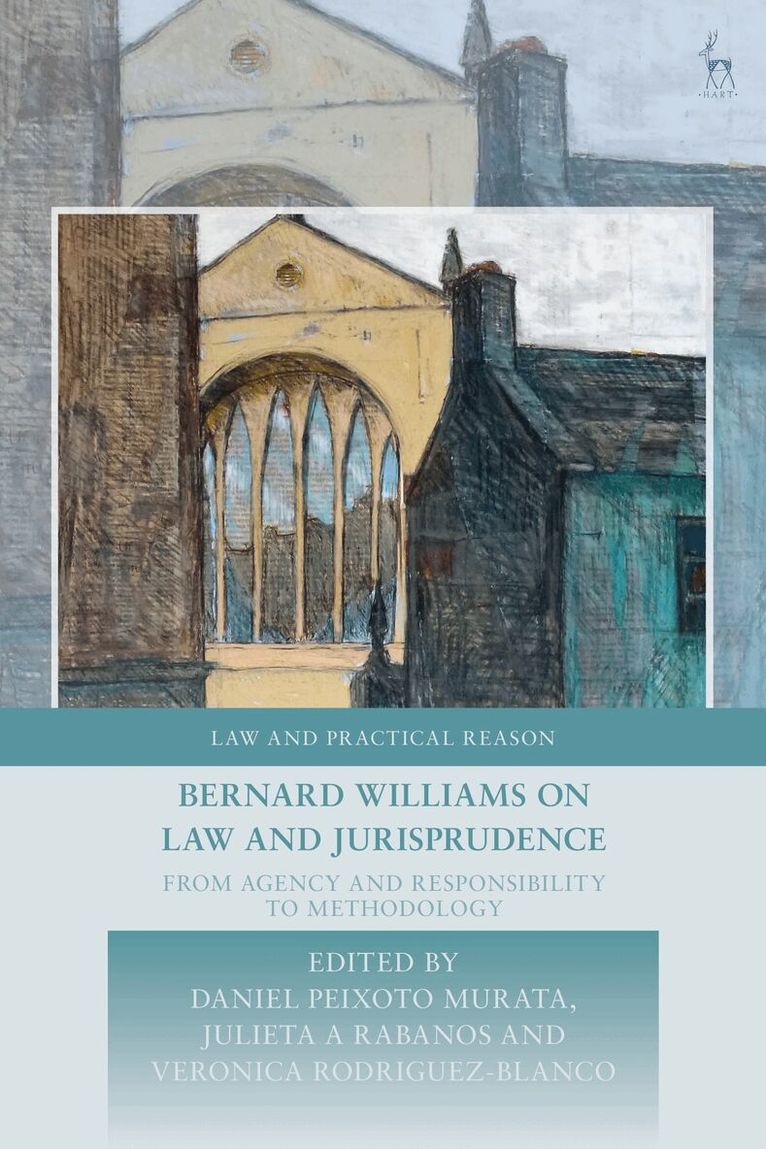
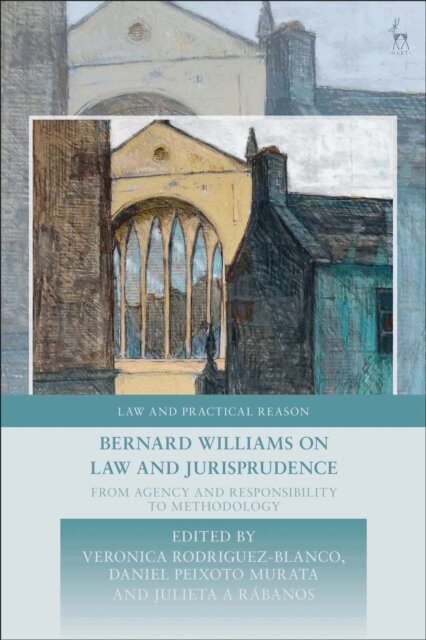
Bernard Williams on Law and Jurisprudence
From Agency and Responsibility to Methodology
Av Daniel Peixoto Murata, Julieta A Rabanos m. fl.
Inbunden, 2026
1237 kr
Lägg i varukorg
This book is the first collection of essays on Bernard Williams’ moral and political philosophy to shed light on the nature of law, and key legal concepts. By the time of his death in 2003, Williams was widely regarded as the most important moral philosopher of his generation. Surprisingly, his …
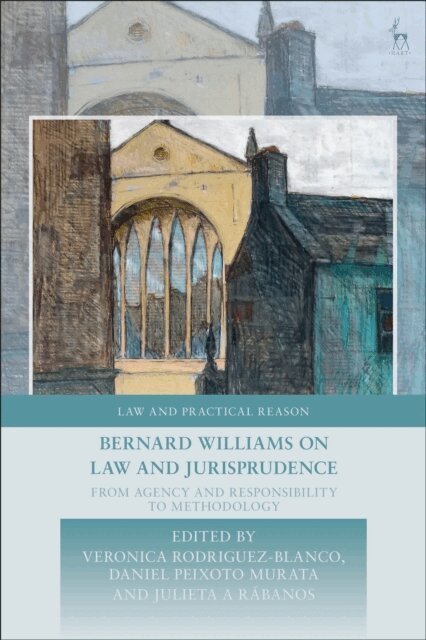
Bernard Williams on Law and Jurisprudence
From Agency and Responsibility to Methodology
Av Daniel Peixoto Murata, Julieta A Rabanos m. fl.
E-bok, 2026
1362 kr
Lägg i varukorg
This book is the first collection of essays on Bernard Williams' moral and political philosophy to shed light on the nature of law, and key legal concepts. By the time of his death in 2003, Williams was widely regarded as the most important moral philosopher of his generation. Surprisingly, his …
Bernard Williams on Law and Jurisprudence
From Agency and Responsibility to Methodology
Av Daniel Peixoto Murata, Julieta A Rabanos m. fl.
E-bok, 2026
1362 kr
Lägg i varukorg
This book is the first collection of essays on Bernard Williams' moral and political philosophy to shed light on the nature of law, and key legal concepts. By the time of his death in 2003, Williams was widely regarded as the most important moral philosopher of his generation. Surprisingly, his …